
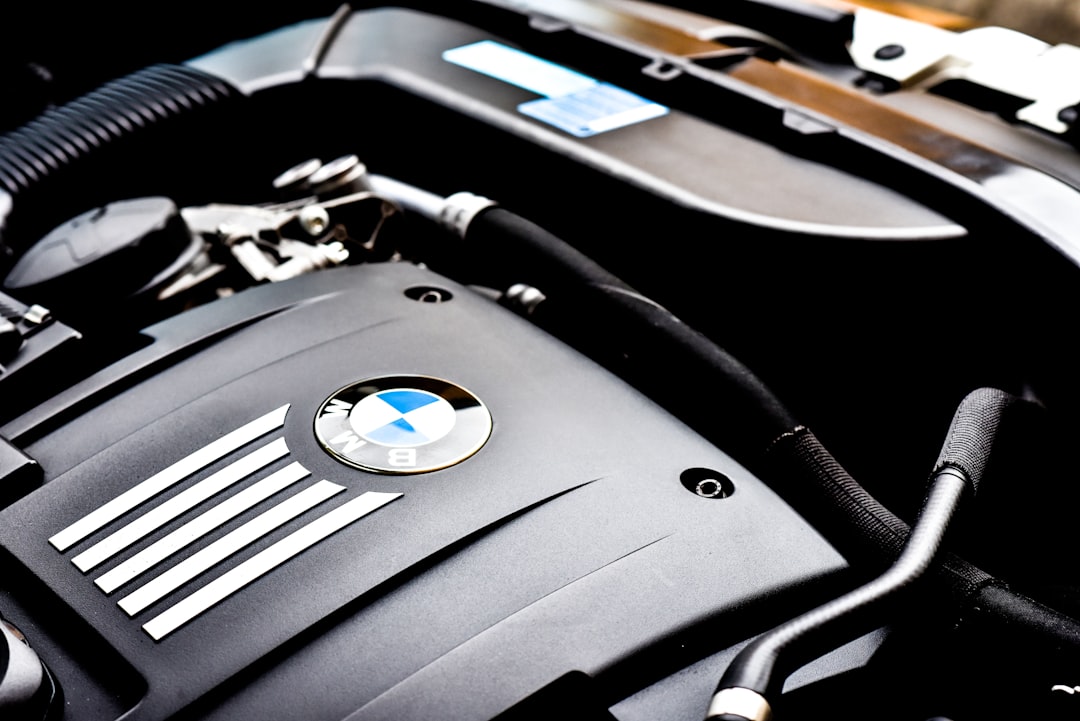
A BMW is engineered for performance and reliability, but even the most sophisticated vehicles can experience problems—one of the most concerning is engine overheating. If you notice your BMW’s temperature gauge climbing into the red, or you see steam coming from under the hood, immediate action is crucial to prevent severe engine damage. Quick answer: Your BMW may be overheating due to low coolant levels, a malfunctioning thermostat, a failing water pump, radiator issues, or leaks in the cooling system. Addressing these problems quickly is essential to avoid costly repairs or permanent engine damage. Read on to understand why BMWs overheat, the warning signs, and exactly what you should do next.
Important Facts About BMW Overheating
Understanding the BMW Cooling System
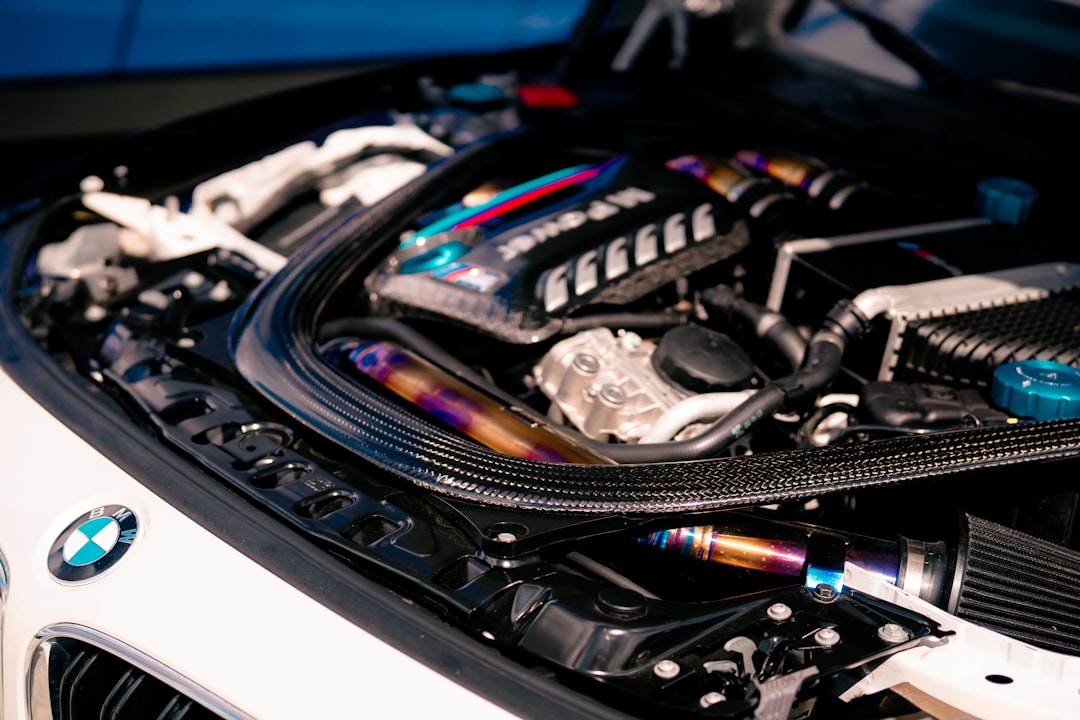
The BMW engine cooling system is a sophisticated network designed to keep the engine operating at optimal temperature. It comprises key parts such as the radiator, water pump, thermostat, coolant expansion tank, and an array of hoses and sensors. Unlike simpler cooling systems, many modern BMWs use electric water pumps and thermostats, which can introduce additional points of failure. A properly functioning system circulates coolant through the engine, absorbs heat, and dissipates it through the radiator. When any component malfunctions, the entire system’s efficiency is compromised, leading to overheating. Recognizing how these parts work together is critical to understanding why BMWs are sensitive to cooling issues. Regular maintenance, such as coolant flushes and inspections, helps prevent overheating, but even well-maintained vehicles can experience problems due to age, wear, or manufacturing defects.
Key BMW Cooling System Components and Their Functions
| Component | Function | Common Failure Symptoms |
|---|---|---|
| Radiator | Dissipates heat from coolant | Leaking coolant, overheating at idle |
| Water Pump | Circulates coolant | High temperature, coolant leaks, engine noise |
| Thermostat | Regulates coolant flow | Slow warm-up, erratic temperature gauge |
| Coolant Expansion Tank | Holds coolant reserve | Coolant odor, visible cracks or leaks |
| Cooling Fan | Draws air through radiator | Overheats in traffic, fan not spinning |
BMW Cooling System Maintenance Checklist
- Check coolant level monthly
- Inspect hoses for cracks or bulges
- Listen for unusual noises from water pump
- Monitor temperature gauge during drives
- Schedule coolant flush every 2-4 years
Common Causes of BMW Overheating
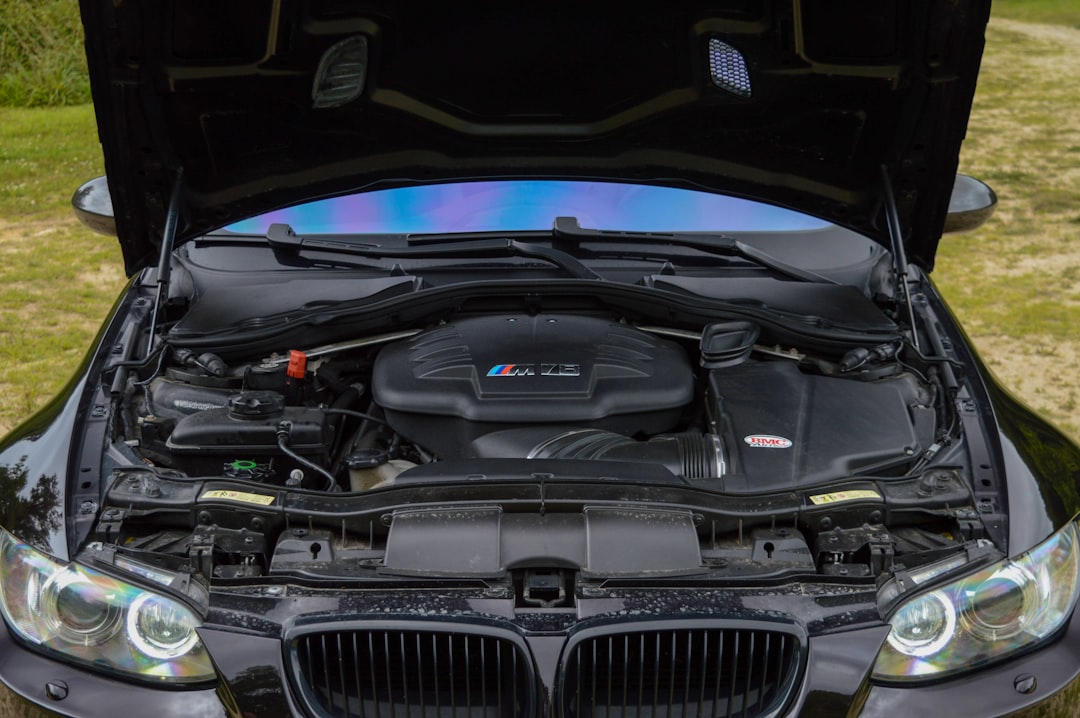
Several issues can cause a BMW to overheat, many of which are specific to the brand’s engineering design. One of the most frequent culprits is low coolant, either due to leaks in hoses, the expansion tank, or the radiator. Modern BMWs often use plastic cooling system components that can become brittle and crack over time, especially after 60,000-100,000 miles. A malfunctioning thermostat can prevent coolant from circulating, causing temperature spikes. Water pump failure is another common problem, particularly in models with electric pumps, which may fail suddenly without warning. Radiator blockages or external debris can also limit airflow and cooling efficiency. Sometimes, electronic cooling fans fail or sensors malfunction, leading to inadequate cooling, especially in traffic. Identifying the root cause quickly is vital to prevent further engine damage.
Symptoms and Warning Signs of Overheating in BMWs
Knowing the warning signs of engine overheating can help prevent catastrophic damage. The most obvious indicator is the temperature gauge rising above normal or reaching the red zone. Many BMWs also display a dashboard warning, such as ‘Engine Overheating: Stop Safely’ or a coolant temperature light. You might notice steam or a sweet smell (from leaking coolant), especially near the hood or front grille. Other symptoms include reduced engine power as the car enters a ‘limp mode’ to protect itself, unusual noises like knocking or hissing, and visible coolant puddles beneath the vehicle. Immediate action is essential—driving with an overheating engine for even a few minutes can warp the cylinder head or cause a blown head gasket, resulting in repairs that can run several thousand dollars.
What To Do If Your BMW Overheats: Step-by-Step Guide
If your BMW begins to overheat, quick and correct action can limit damage. The first step is to pull over safely and shut off the engine as soon as possible. Do not attempt to open the radiator cap while the engine is hot, as pressurized steam and boiling coolant can cause severe burns. Allow the car to cool for at least 30 minutes before checking the coolant level. If the coolant is low and you have the right type available, you can top it up as a temporary measure. If you see obvious leaks, hear unusual noises, or if the temperature continues to rise after restarting, call for roadside assistance or a tow to a reputable BMW specialist. Avoid driving the car further, as even short distances with an overheated engine can cause catastrophic damage.
Immediate Steps To Take When Your BMW Overheats
- Pull over and turn off the engine immediately
- Allow the engine to cool completely (at least 30 minutes)
- Check coolant level and look for visible leaks
- Add coolant if safe and appropriate type is available
- Restart engine and monitor temperature gauge
- Seek professional help—do not continue driving if overheating persists
Prevention and Long-Term Solutions for BMW Overheating
Preventing overheating in your BMW relies on a proactive approach to maintenance and being aware of the vehicle’s unique needs. Regularly check and top off coolant using only BMW-approved types to prevent chemical incompatibility. Inspect hoses, the radiator, and expansion tank for cracks or leaks, especially as your vehicle ages. Replace water pumps and thermostats at recommended intervals or if you notice early warning signs such as fluctuating temperatures or coolant loss. For models with electric water pumps, listen for warning noises and address any dashboard alerts without delay. Investing in regular cooling system flushes and using genuine parts can help extend the life of your BMW’s engine. Finally, pay close attention to any warning lights or temperature changes—early intervention is the best way to avoid expensive engine repairs.
BMW Cooling System Service Intervals (Typical Models)
| Component | Recommended Interval | Notes |
|---|---|---|
| Coolant Flush | Every 2-4 years or 30,000-50,000 miles | Use BMW-approved coolant only |
| Water Pump | Every 60,000-100,000 miles | Earlier replacement for electric pumps |
| Thermostat | Every 60,000-100,000 miles | Replace with water pump as a set |
| Radiator Hoses | Inspect at every oil change | Replace if cracked or swollen |
Frequently Asked Questions
Can driving with an overheated BMW engine cause permanent damage?
Yes, operating your BMW while it is overheating can quickly cause severe engine damage, including a warped cylinder head, blown head gasket, or even total engine failure. Always stop and address the issue immediately.
Why do BMWs seem to overheat more than other brands?
BMWs use high-performance engines and often incorporate plastic components in their cooling systems, which can become brittle over time. Their engines also run at higher temperatures for efficiency, making them more sensitive to cooling system failures.
Is it safe to add water instead of coolant in an emergency?
In an emergency, adding water can help you reach a repair facility, but it is not a long-term solution. Always replace with BMW-approved coolant as soon as possible to prevent corrosion and ensure proper operation.
How can I tell if my BMW water pump is failing?
Symptoms of a failing water pump include coolant leaks under the engine, high-pitched whining or grinding noises, erratic engine temperatures, or dashboard warnings. Immediate inspection and replacement are recommended if you suspect pump failure.
What is the most common cause of overheating in older BMWs?
The most common causes are coolant leaks from aging hoses or expansion tanks and thermostat or water pump failure. These components are more prone to wear as the vehicle ages.
Conclusion
BMWs offer outstanding driving experiences, but their precision engineering means they are particularly sensitive to cooling system problems. Overheating is a serious issue that can lead to catastrophic engine damage if ignored. Understanding the causes, recognizing early warning signs, and acting quickly are essential for every BMW owner. Regular maintenance—such as coolant flushes, component inspections, and timely replacements—remains the best defense against overheating. If you experience overheating, always prioritize safety and seek professional assistance to ensure the longevity and reliability of your BMW.