
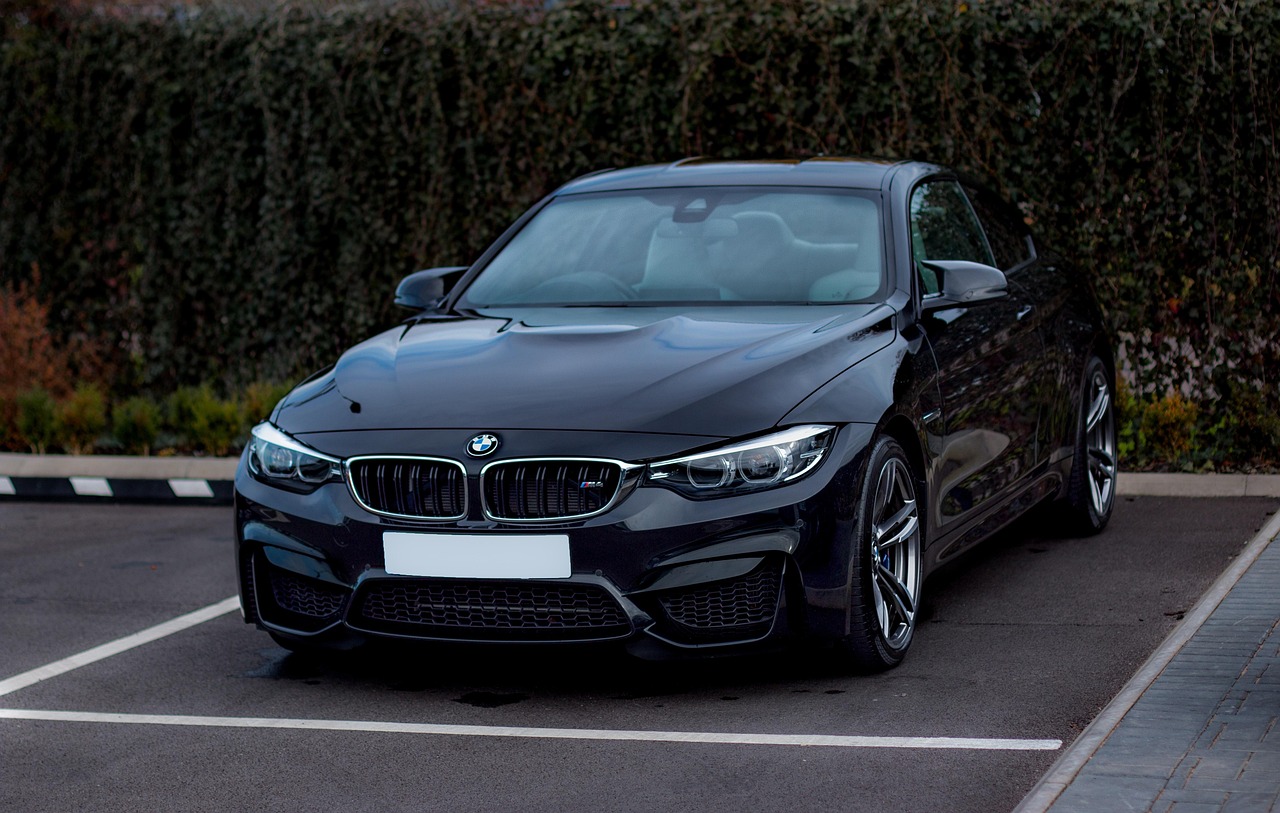
BMW is one of the world’s most recognizable luxury car brands, renowned for its driving dynamics, engineering prowess, and distinct design. However, anyone who has browsed the used car market will notice a striking trend: BMWs often lose value at a much faster rate than many of their rivals. This rapid depreciation can be perplexing for buyers and enthusiasts alike, raising important questions about resale value, ownership costs, and the real reasons behind this automotive phenomenon. To answer directly: BMWs depreciate quickly mainly due to high maintenance costs, rapid technological changes, perceptions about long-term reliability, and a saturated used luxury car market. These factors combine to make used BMWs less desirable to second-hand buyers, driving their prices down faster than many other brands. In the sections below, we’ll explore the underlying causes, compare BMW depreciation to competitors, and provide practical advice for potential buyers.
Key Statistics on BMW Depreciation
Understanding Car Depreciation: How BMWs Compare

Car depreciation is the rate at which a vehicle loses value over time. All cars depreciate, but luxury brands like BMW often face steeper declines. Depreciation is influenced by factors such as brand reputation, demand in the used market, perceived reliability, and ongoing ownership costs. For BMW, these elements converge in a way that accelerates value loss compared to mainstream brands. BMWs, while highly desirable when new, enter a used car market crowded with similar European marques. The abundance of off-lease luxury vehicles—many of which were leased for only two to three years—floods the market, further driving down prices. Additionally, the rapid introduction of new technology and features in each model year makes older BMWs seem outdated more quickly. This technological obsolescence, combined with stiff competition, means that used BMWs must be sold at lower prices to attract buyers. When compared to other luxury brands like Mercedes-Benz and Audi, BMW’s depreciation rates are similar, but even when compared to non-luxury brands, the difference is stark. For example, a five-year-old BMW 3 Series often retains less value than a similarly priced Toyota Camry purchased new in the same year.
Five-Year Depreciation Comparison: BMW vs. Competitors
| Model | Original MSRP | 5-Year Value Retained | Depreciation Rate |
|---|---|---|---|
| BMW 3 Series | $43,000 | $16,000 | 62% |
| Mercedes-Benz C-Class | $44,000 | $17,500 | 60% |
| Audi A4 | $41,000 | $18,000 | 56% |
| Lexus ES | $41,000 | $23,000 | 44% |
| Toyota Camry | $28,000 | $15,500 | 45% |
Pros and Cons of BMW Ownership (Depreciation Focused)
✅ Pros
- Prestigious brand image and modern features
- Engaging driving experience and strong performance
❌ Cons
- High depreciation leads to lower resale value
- Costly repairs and maintenance impact long-term value
High Maintenance and Repair Costs: A Key Driver of Depreciation
One of the most significant contributors to BMW’s steep depreciation is the high cost of maintenance and repairs. While BMWs are engineered for performance and luxury, these very attributes make them expensive to upkeep as they age. Advanced features, complex electronics, and specialized parts mean that even routine repairs can carry a premium price tag. Potential used car buyers are often wary of inheriting a luxury vehicle that may require costly fixes. Common concerns include expensive brake jobs, electronic sensor failures, turbocharger issues, and transmission repairs—all of which can easily exceed the budget for buyers seeking a reliable daily driver. As warranties expire, owners face a higher likelihood of significant out-of-pocket expenses, further diminishing demand on the used market. This perception isn’t unfounded. Numerous automotive reliability studies consistently place BMWs below average in long-term dependability, especially as vehicles approach higher mileage. As a result, buyers expect lower prices to offset these anticipated costs, accelerating depreciation.
Typical Annual Maintenance Costs (After Warranty Expires)
| Model | Average Annual Maintenance | Common Major Repairs (Cost) |
|---|---|---|
| BMW 5 Series | $1,200 | Turbo replacement ($2,500) |
| BMW X5 | $1,400 | Air suspension repair ($2,000) |
| Toyota Camry | $400 | Transmission repair ($1,800) |
Maintenance Pros and Cons
✅ Pros
- Comprehensive warranty coverage for first owners
- Access to high-end features and driving technology
❌ Cons
- Significantly higher repair bills after warranty ends
- Complex systems prone to costly failures
Perceptions of Reliability and Longevity

BMW’s reputation for mechanical complexity is a double-edged sword. While their engineering delivers exhilarating performance, it can also translate into reliability concerns as vehicles age. Industry reliability rankings—such as those from J. D. Power and Consumer Reports—often place BMW in the lower half of the spectrum for long-term dependability, especially compared to Japanese rivals like Lexus or Toyota. For used car buyers, this perception influences purchase decisions. Fears about engine, transmission, or electrical system failures increase the risk associated with buying a used BMW. Even if a specific model has a good reliability record, the brand’s overall reputation can deter value-conscious shoppers, who then gravitate toward brands perceived as trouble-free. This effect is especially pronounced for older BMWs or those with higher mileage, further dragging down resale prices. Additionally, the cost of certified pre-owned (CPO) programs and extended warranties is often baked into the price of newer used BMWs. Yet, as vehicles age out of these protections, their value drops rapidly, reflecting the market’s wariness around out-of-warranty luxury cars.
Key Reliability Concerns for Used BMW Buyers
- Check for complete service records and maintenance history
- Inspect for common electronic or sensor failures
- Evaluate warranty status or consider third-party coverage
- Assess known issues for specific BMW models and generations
Market Dynamics: Oversupply, Leasing, and the Used Luxury Car Glut

The luxury car market operates differently from the mainstream segment, and BMW’s place within it accelerates depreciation for several reasons. First, a significant proportion of new BMWs are leased rather than purchased outright. Leasing cycles typically last two to three years, after which a large number of nearly-new vehicles return to the market simultaneously. This influx creates an oversupply, which depresses prices as sellers compete for a limited pool of used luxury car buyers. Leasing also alters consumer expectations. Those who lease a BMW often want the latest technology and features, making slightly older models seem less appealing. Newer models are frequently updated with advanced infotainment, safety, and driver assistance systems, making older cars look outdated more quickly than in other vehicle segments. Furthermore, BMW’s aggressive marketing and incentives for new vehicles can make buying new more attractive, further undermining the value of used examples. Combined, these forces mean that used BMWs must be priced competitively—often well below their original MSRP—to move off dealer lots.
Leasing Rates and Used Market Impact: BMW vs. Mainstream
| Brand | % of Vehicles Leased New | Average Lease Term | Used Market Supply Impact |
|---|---|---|---|
| BMW | 55% | 36 months | High (Frequent lease returns) |
| Mercedes-Benz | 48% | 36 months | High |
| Toyota | 24% | 36 months | Moderate |
How to Minimize Depreciation When Buying a BMW

Despite these challenges, there are smart strategies for buyers who wish to enjoy BMW ownership while minimizing the sting of depreciation. The key is to understand where in the vehicle’s lifecycle the value proposition is strongest. Generally, purchasing a BMW that is three to five years old—after the steepest depreciation has already occurred—offers the best balance of price and remaining usability. At this stage, the previous owner has absorbed the majority of value loss, and buyers can often find well-equipped models with significant cost savings. Opting for certified pre-owned (CPO) vehicles can further mitigate risk, as these cars come with manufacturer-backed warranties and have undergone thorough inspections. Carefully researching the reliability of specific models and generations, seeking out those with strong service histories, and budgeting for ongoing maintenance will also help reduce ownership surprises. Finally, buyers should be mindful of desired features and trim levels, as some configurations hold value better than others. Popular color choices, advanced safety options, and all-wheel drive can be more appealing in the used market, further protecting against future depreciation.
Tips to Reduce Depreciation Impact
- Buy a used BMW after the initial 2-3 years of depreciation
- Choose certified pre-owned with extended warranty
- Research reliability for specific models/years
- Prioritize popular features and options
- Keep maintenance records for future resale
Frequently Asked Questions
Do all BMW models depreciate at the same rate?
No, depreciation varies by model, trim, and even individual vehicle history. Higher-end and specialty models (such as M Performance or limited editions) sometimes hold value better, while common models with high supply tend to depreciate faster.
Is it worth buying a used BMW despite depreciation?
Buying a used BMW can be a great value if you are prepared for higher maintenance costs and select a model with a solid service history. The steepest depreciation is often already absorbed, allowing buyers to enjoy luxury features at a fraction of the new price.
How does leasing affect BMW depreciation?
High lease rates mean many BMWs return to the market after short terms, flooding the used car segment and pushing prices down. This market dynamic accelerates depreciation compared to brands with fewer leased vehicles.
How can I check if a used BMW will be reliable?
Review third-party reliability ratings, scrutinize maintenance records, look for models with consistent service, consider certified pre-owned programs, and consult owner forums for common issues on specific years and engines.
Why do Japanese luxury brands like Lexus depreciate less?
Japanese luxury brands, particularly Lexus, have strong reputations for long-term reliability, lower repair costs, and smaller used market supply, which help maintain higher resale values compared to German rivals.
Conclusion
BMWs offer a unique combination of luxury, performance, and prestige, but their rapid depreciation is a reality that both buyers and enthusiasts must consider. Driven by high maintenance costs, reliability perceptions, rapid technology turnover, and a saturated used luxury car market, BMWs lose value more quickly than many competitors. However, for savvy buyers, this depreciation can create opportunities to acquire premium vehicles at significant discounts—so long as ongoing costs are factored into the equation. By understanding the forces at play and taking a strategic approach to shopping, ownership, and resale, BMW fans can maximize enjoyment while minimizing financial downside. Ultimately, a BMW’s value isn’t just measured in dollars lost, but in the driving experience it delivers.