
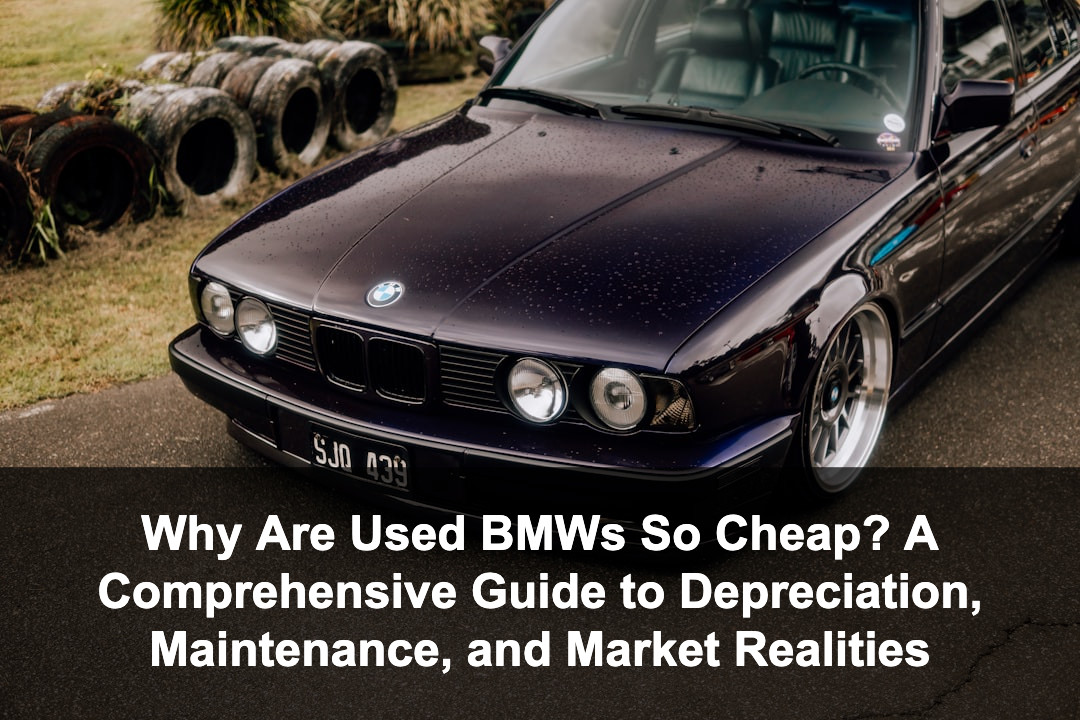
BMWs have long been lauded for their luxurious interiors, engaging driving dynamics, and cutting-edge technology. Yet, a common surprise awaits many car shoppers: used BMWs often cost far less than their brand-new counterparts, sometimes even undercutting more modest brands in the used market. This raises a persistent question among automotive enthusiasts and everyday buyers alike: why are used BMWs so cheap? The quick answer is that used BMWs are inexpensive mainly due to rapid depreciation, high maintenance and repair costs, and perceptions surrounding reliability. As luxury vehicles age, their values drop more sharply than mainstream brands, making them affordable on the secondhand market. However, this affordability comes with trade-offs that every buyer should understand. In this article, we’ll explore the multifaceted reasons behind BMW’s steep used car discounts, provide market data, and help you determine if a used BMW is a smart buy for you.
Key Statistics About Used BMW Depreciation and Costs
Rapid Depreciation: The Main Driver of Low Used Prices

Depreciation is the single biggest factor that makes used BMWs so affordable compared to their original sticker prices. Luxury vehicles, in general, experience faster value loss than mainstream cars, and BMW is no exception. Several elements contribute to this trend: new car buyers often lease or purchase for the latest technology and brand prestige, leading to a higher turnover rate and flooding the used market with off-lease vehicles. Additionally, BMWs are packed with complex features and electronics that age quickly, further accelerating depreciation. Market data shows that a typical BMW will lose between 53% and 67% of its value within five years, whereas a mainstream brand like Toyota might only lose 35% to 45% over the same period. This steep drop is reflected in the used car market, where buyers can pick up a relatively new BMW for a fraction of its new price. While this presents an opportunity for bargain hunters, it is important to understand the underlying reasons for such rapid value loss, which include high ongoing ownership costs and shifting consumer preferences.
Depreciation Comparison: BMW vs. Mainstream Brands (5 Years)
| Brand/Model | Original MSRP | 5-Year Value Loss | Estimated 5-Year Used Price |
|---|---|---|---|
| BMW 3 Series | $45,000 | 60% | $18,000 |
| Toyota Camry | $28,000 | 40% | $16,800 |
| Honda Accord | $30,000 | 42% | $17,400 |
| Audi A4 | $44,000 | 58% | $18,480 |
Pros and Cons of Buying a Used BMW (Depreciation Focus)
✅ Pros
- Significant savings compared to new purchase
- Opportunity to own a luxury car at an affordable price
- More features for the money
❌ Cons
- Future value may continue to drop quickly
- Resale value can be unpredictable
- Luxury depreciation may hurt investment potential
Maintenance, Repairs, and Ownership Costs
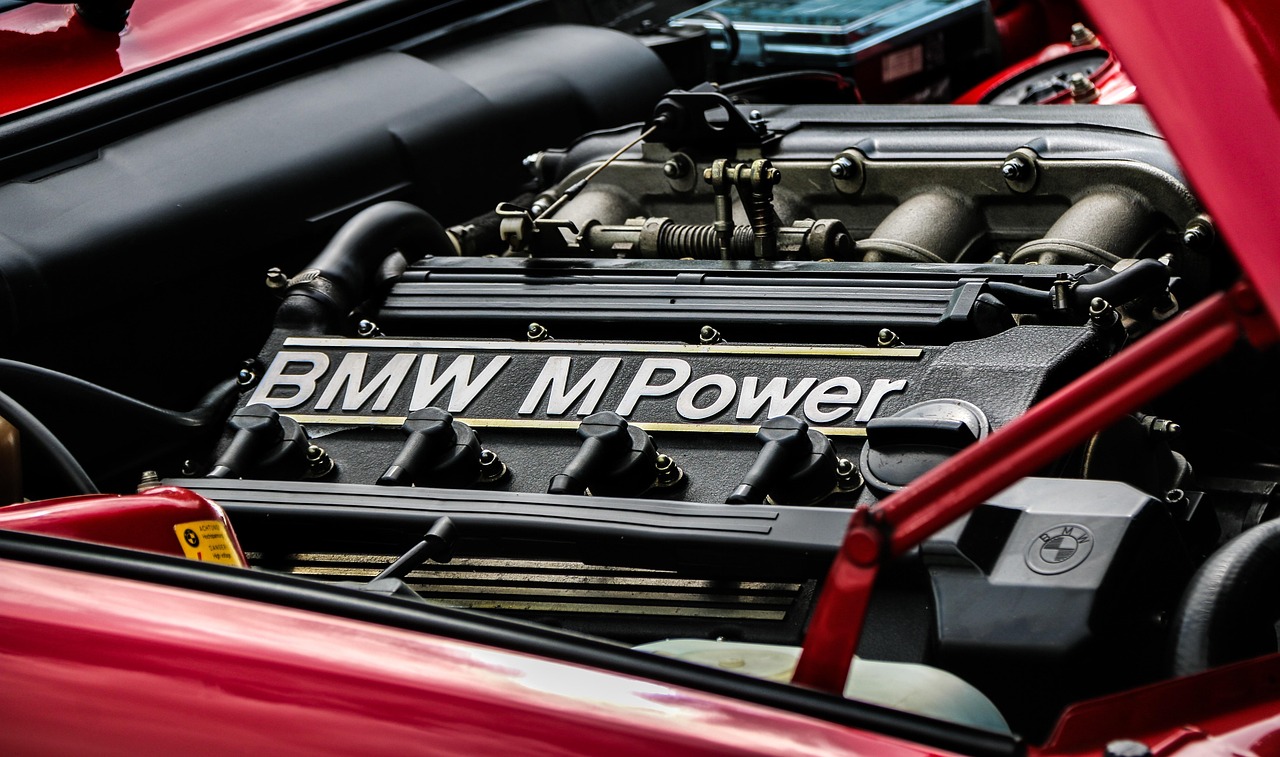
While the low purchase price of a used BMW is appealing, it is crucial to consider the higher cost of ownership that often comes with these vehicles. BMWs are engineered with advanced technology, sophisticated drive systems, and premium materials—all of which can be expensive to maintain and repair as the car ages. After the initial factory warranty expires (typically after 4 years or 50,000 miles), owners are responsible for repairs that can quickly add up. Common issues in aging BMWs include oil leaks, electronic malfunctions, suspension wear, and cooling system failures. These repairs are often costlier than those for mainstream vehicles due to specialized parts and labor. Moreover, luxury car dealerships and independent specialists usually charge higher hourly rates. This reputation for high maintenance costs can deter potential buyers, further reducing used prices. For example, replacing a water pump on a BMW 5 Series can cost $800 to $1,200, compared to $400 to $600 for a similar repair on a Toyota Camry. Even routine maintenance (brakes, oil changes, tires) can be 20% to 50% more expensive.
Average Annual Maintenance Costs (Post-Warranty)
| Brand/Model | Annual Maintenance | Common Issues |
|---|---|---|
| BMW 5 Series | $1,500 | Oil Leaks, Suspension, Cooling System |
| Honda Accord | $600 | Brakes, Battery, Minor Electronics |
| Toyota Camry | $550 | Brakes, Alternator, Basic Maintenance |
| Mercedes E-Class | $1,400 | Air Suspension, Electronics |
Pros and Cons of BMW Maintenance and Repair
✅ Pros
- Access to premium engineering and advanced features
- Potential for high satisfaction if well maintained
❌ Cons
- High parts and labor costs
- Complexity makes DIY repairs challenging
- Unexpected repairs can be frequent and expensive
Reliability and Perception: Impact on Resale Value
Another factor driving down used BMW prices is the brand’s reputation for reliability, especially as vehicles age. While newer BMWs score well for performance and owner satisfaction, older models often face criticism for frequent and expensive repairs. Reliability rankings from sources such as Consumer Reports and J. D. Power place BMW below average compared to many mainstream brands. These perceptions influence both buyer demand and resale values. Consumers are often wary of purchasing a used luxury car that could become a financial burden due to unpredictable repairs. Stories of costly electronics failures, turbocharger issues, and transmission problems only add to the stigma. As a result, used BMWs tend to sit longer on dealer lots, forcing sellers to lower prices to attract buyers. The combination of documented reliability challenges and negative public perception creates a cycle of low demand and further price drops. It’s important to note that not all BMWs are equally affected—some models, especially those with fewer complex features or naturally aspirated engines, have better reliability records. Still, the overall market perception weighs heavily on used prices.
Checklist: What to Research Before Buying a Used BMW
- Review reliability ratings for the specific BMW model and year
- Check service history and maintenance records
- Research common issues and recalls
- Have a pre-purchase inspection by a BMW specialist
- Consider the cost of extended warranties
Market Saturation, Leasing Trends, and Supply Factors
Beyond depreciation and reliability, market forces also help explain the abundance of cheap used BMWs. Leasing is extremely popular among BMW buyers, with over 50% of new BMWs delivered through lease agreements. After 2-4 years, these vehicles return to the market as off-lease inventory, creating a steady supply of relatively new, low-mileage used BMWs. This high turnover rate depresses prices, as supply often exceeds demand. Additionally, luxury car shoppers tend to favor the latest models, leaving older ones less desirable. The rapid pace of technological innovation (infotainment systems, driver aids, and engines) means even five-year-old BMWs can feel outdated. Combined with the high cost of maintaining these advanced features, demand for older luxury cars drops significantly, forcing dealers and private sellers to reduce prices further. Seasonal factors and economic cycles also play a role; during economic uncertainty, fewer buyers are willing to take on the risk and cost of owning a used luxury vehicle, leading to even steeper discounts.
Leasing and Used Inventory Trends: BMW vs. Lexus
| Brand | % New Cars Leased | Average Used Inventory (US, 2023) | Average % Drop After 3 Years |
|---|---|---|---|
| BMW | 54% | High | 50% |
| Lexus | 35% | Moderate | 40% |
Who Should (and Shouldn’t) Buy a Used BMW?
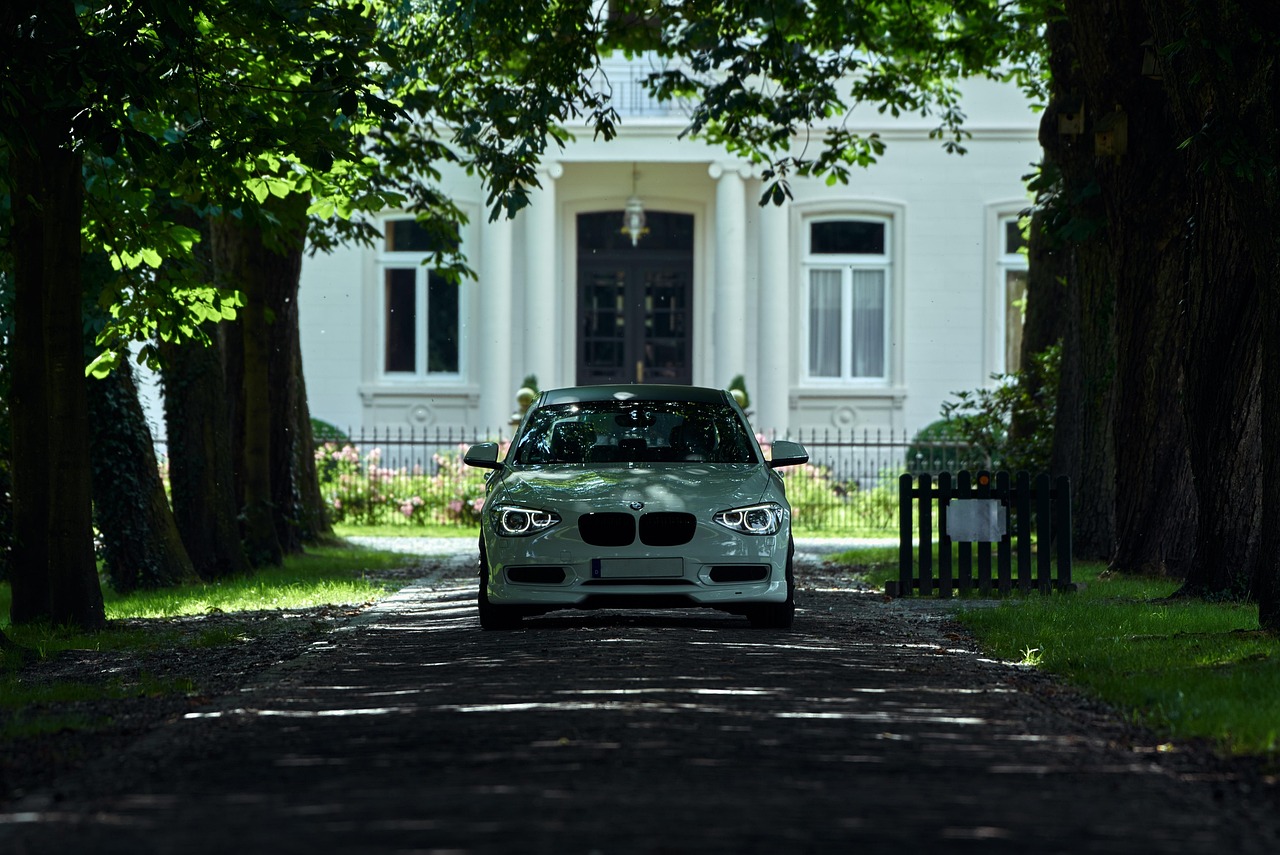
For the right buyer, a used BMW can provide a thrilling and luxurious driving experience at a fraction of the cost of a new model. However, potential buyers must carefully weigh the risks against the rewards. Those who are comfortable with (or anticipate) higher maintenance costs, have access to a trusted independent mechanic, or plan to do some repairs themselves may find used BMW ownership highly rewarding. On the other hand, buyers seeking worry-free transportation or those on tight budgets may be better served by more reliable, lower-maintenance vehicles. Extended warranties and certified pre-owned (CPO) programs can mitigate some risks, but these options come with added costs. Ultimately, understanding the true cost of ownership, having realistic expectations, and choosing the right model and year are key to a satisfying used BMW purchase.
Frequently Asked Questions
Are used BMWs reliable?
Used BMWs can be reliable if they are well maintained and have a documented service history. However, as they age, they are more prone to complex and costly repairs compared to mainstream brands. Research specific models and years for better reliability outcomes.
Why do BMWs depreciate faster than other cars?
BMWs depreciate quickly due to their luxury status, high new-car prices, rapid technological obsolescence, and the high cost of maintenance and repairs. A constant supply of off-lease vehicles further floods the used market, driving values down.
Is it expensive to maintain a used BMW?
Yes, maintaining a used BMW is typically more expensive than maintaining a mainstream car. Parts, labor, and the complexity of repairs contribute to higher ownership costs, especially after the warranty expires.
What are common problems with used BMWs?
Common problems include oil leaks, electrical issues, worn suspension components, and cooling system failures. Some models are also prone to turbocharger or transmission problems, which can be costly to fix.
Is buying a used BMW a good investment?
Buying a used BMW can be a good value in terms of luxury and performance, but it is rarely a good financial investment due to ongoing depreciation and high maintenance costs. Buyers should purchase for enjoyment rather than expecting value retention.
Conclusion
Used BMWs often tempt car shoppers with their luxurious features, impressive performance, and striking designs at bargain prices. However, their affordability is largely a result of rapid depreciation, high maintenance and repair costs, and a market flooded with off-lease vehicles. While these vehicles offer significant value in terms of driving experience and status, they require a realistic approach to ownership costs and potential reliability issues. If you are a well-informed buyer who can handle occasional repair bills and prioritize driving enjoyment, a used BMW can be a rewarding choice. For those seeking low-cost, hassle-free motoring, a more mainstream used vehicle may be the better option. As with any major purchase, thorough research and understanding your own needs are the keys to making the right decision in the used BMW market.