

Choosing between BMW and Lexus is a common dilemma for luxury car enthusiasts and practical buyers alike. Both brands have carved out distinctive reputations in the automotive world—BMW for its athletic performance and driving excitement, and Lexus for its unparalleled reliability and serene comfort. But when it comes to deciding which is better, the answer largely depends on your priorities. Quick answer: BMW is typically favored by those who prioritize sporty driving dynamics and European luxury styling, while Lexus is better for buyers who want outstanding reliability, lower maintenance costs, and a refined, comfortable ride. Neither brand is objectively ‘better’—it comes down to your personal preferences in performance, comfort, technology, and ownership experience. Below, we explore how BMW and Lexus stack up across several critical categories to help you make an informed decision.
Key Statistics: BMW vs Lexus
Performance and Driving Experience
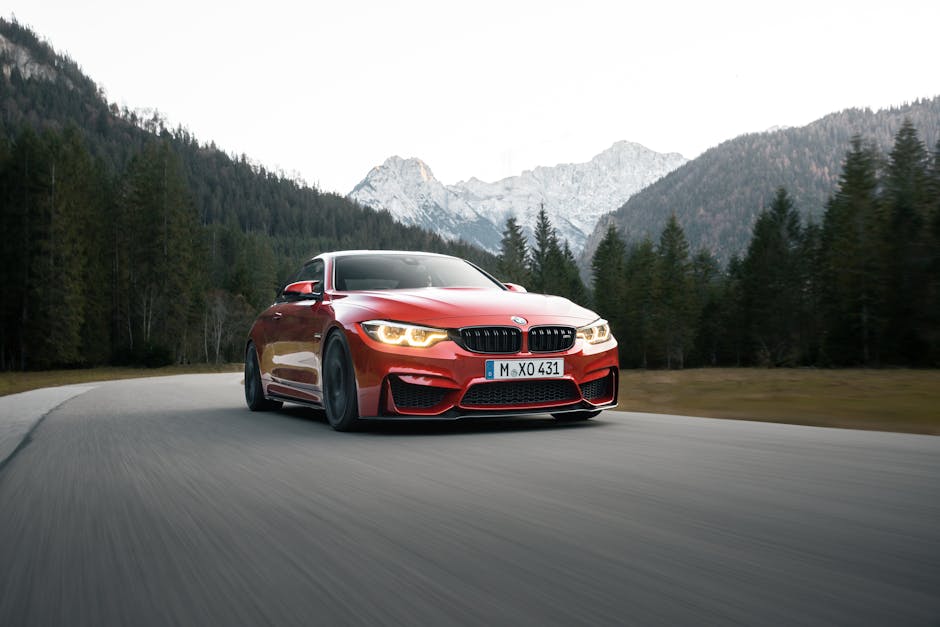
BMW has long been synonymous with driving pleasure, often marketing itself as ‘The Ultimate Driving Machine.’ Its vehicles are engineered with a focus on near-perfect weight distribution, sharp steering, and dynamic chassis tuning. Sports sedans like the BMW 3 Series and high-performance M models are benchmarks in their segments, offering engaging handling and powerful engines. BMW also offers a wide range of turbocharged inline-4 and inline-6 engines, V8s, and even electrified powertrains for maximum versatility and excitement. Lexus, in contrast, emphasizes smoothness and comfort over outright sportiness. While models like the IS and RC F deliver respectable performance, most Lexus vehicles are tuned for a quiet, composed ride with minimal road noise and vibration. The brand’s hybrid technology is also a standout, delivering impressive fuel efficiency without sacrificing refinement. If your top priority is an exhilarating, engaging drive, BMW generally has the edge. However, for those who value a relaxed, tranquil driving environment, Lexus stands out with its serene ride quality.
Performance Comparison: Popular Models
| Model | Horsepower | 0-60 mph (sec) | Drivetrain |
|---|---|---|---|
| BMW 330i | 255 | 5.6 | RWD/AWD |
| Lexus ES 350 | 302 | 6.1 | FWD |
| BMW X5 xDrive40i | 375 | 5.3 | AWD |
| Lexus RX 350 | 275 | 7.2 | FWD/AWD |
Performance Pros and Cons
✅ Pros
- BMW: Outstanding handling and powerful engine options
- Lexus: Smooth, quiet, and comfortable ride
- Lexus: Advanced hybrid options for better fuel economy
❌ Cons
- BMW: Harsher ride in sportier models
- Lexus: Less engaging steering and handling in most models
Reliability, Maintenance, and Ownership Costs
Reliability and long-term ownership costs are crucial for luxury car buyers. Lexus has built a legendary reputation for durability, frequently topping reliability surveys from sources like Consumer Reports and J. D. Power. Owners often keep Lexus vehicles for well over a decade, thanks to their low incidence of major repairs and robust engineering. Maintenance costs are generally lower, and Lexus’s dealer network is known for excellent service. BMWs, while reliable by European standards, tend to require more frequent repairs and have higher maintenance costs, especially as they age. Complex electronics and performance-focused components can lead to higher bills once the warranty expires. However, BMW offers complimentary scheduled maintenance for three years or 36,000 miles, which can offset some early expenses. Depreciation is another critical factor: BMWs often lose value faster than Lexus vehicles, which tend to hold their value better due to reliability and brand reputation.
Estimated 5-Year Ownership Costs (2024, U. S. Average)
| Brand | Maintenance & Repairs | Depreciation | Total |
|---|---|---|---|
| BMW 3 Series | $7,800 | $23,600 | $56,000 |
| Lexus ES | $4,300 | $18,200 | $49,000 |
Reliability & Ownership Pros and Cons
✅ Pros
- Lexus: Top-tier reliability and durability
- Lexus: Lower long-term maintenance costs
- BMW: Complimentary scheduled maintenance (first 3 years)
❌ Cons
- BMW: Higher repair costs after warranty
- BMW: Faster depreciation compared to Lexus
Interior Quality, Comfort, and Technology

Luxury car buyers expect upscale interiors, advanced technology, and a comfortable ride, and both BMW and Lexus deliver—though with different philosophies. BMW cabins favor a driver-centric design, premium materials, and a sporty ambiance. Recent models have advanced infotainment systems like iDrive 8, customizable digital gauges, and high-end sound systems. Seat adjustability and support are excellent, especially in performance models, and options like extended Merino leather and glass controls enhance the luxury feel. Lexus interiors prioritize quietness and comfort, featuring high-quality materials, meticulous assembly, and plush seating. The ride is typically softer, with superior sound insulation and a focus on passenger comfort. Lexus’s infotainment systems have improved in recent years, offering intuitive touchscreens, voice control, and Apple CarPlay/Android Auto, though some previous models drew criticism for their Remote Touch interface. Both brands pack their vehicles with advanced safety technologies, but Lexus tends to include more standard driver-assist features, while BMW often bundles them in option packages.
Brand Image, Resale Value, and Customer Satisfaction

Brand image and resale value can be as important as the driving experience for many buyers. BMW projects a sporty, youthful, and dynamic image—often attracting driving enthusiasts and those who appreciate European prestige. The ‘M’ badge, in particular, carries significant cachet among performance aficionados. BMWs are considered status symbols in many markets, but some buyers perceive the brand as having higher repair costs and less reliability long-term. Lexus, the luxury arm of Toyota, is associated with dependability, comfort, and understated elegance. Its vehicles appeal to those who value peace of mind, exceptional customer service, and long-term ownership. Lexus’s resale values are among the highest in the luxury segment due to its reliability and loyal customer base. Customer satisfaction surveys consistently put Lexus at or near the top, especially for dealership experience and service quality. BMW scores highly for driving satisfaction but less so for maintenance and cost-of-ownership factors.
Model Range and Powertrain Options
Both BMW and Lexus offer extensive lineups, but their approaches differ. BMW’s range is broader, featuring sedans, coupes, convertibles, SUVs, wagons, and performance M cars. The powertrain selection is among the industry’s most diverse, with turbocharged four- and six-cylinder engines, V8s, plug-in hybrids, and fully electric vehicles like the i4 and iX. BMW’s performance models, like the M3 and X5 M, are benchmarks for speed and handling. Lexus focuses on sedans, SUVs, coupes, and hybrids, with fewer outright performance models. The brand is a leader in hybrid technology, with highly efficient offerings across the lineup and expanding plug-in hybrid and electric options like the RZ. Lexus performance models, like the F and F Sport trims, offer enhanced dynamics but remain more comfort-focused than BMW’s M cars. This means BMW is the better choice for enthusiasts wanting variety and performance, while Lexus shines for buyers prioritizing hybrids and fuel efficiency.
Frequently Asked Questions
Which brand is cheaper to maintain: BMW or Lexus?
Lexus is generally much cheaper to maintain over the long term. BMWs come with complimentary maintenance for the first three years, but after that, repair and service costs tend to be significantly higher. Lexus vehicles are renowned for reliability and low repair frequency, resulting in lower ownership costs overall.
Are BMWs or Lexus vehicles more reliable?
Lexus vehicles are widely recognized as some of the most reliable luxury cars in the world, consistently topping reliability rankings. BMWs are less reliable by comparison, especially as they age and after the warranty period ends.
Which has better resale value: BMW or Lexus?
Lexus generally has better resale value due to its reputation for reliability and lower long-term costs. BMWs tend to depreciate faster, particularly performance models that may have higher maintenance concerns.
Do BMWs offer better driving performance than Lexus?
Yes, BMWs are generally known for superior driving dynamics, sharper handling, and more engaging performance. Lexus vehicles focus more on comfort and smoothness, though their F Sport and F models do offer increased sportiness.
Which is better for luxury features and technology?
Both brands offer high-quality interiors and advanced technology, but BMW often leads in cutting-edge infotainment and driver-focused features. Lexus counters with greater standard equipment and a focus on comfort and usability.
Conclusion
BMW and Lexus represent two different philosophies in the luxury automotive world. BMW appeals to drivers seeking excitement, European flair, and a wide range of performance-oriented vehicles, but at a higher cost of ownership and with more frequent repairs. Lexus, meanwhile, is the gold standard for reliability, comfort, and peace of mind, with lower maintenance costs and excellent resale value. Ultimately, your ideal choice depends on your values: if you crave an engaging drive and don’t mind higher upkeep, BMW is an excellent pick. If you prioritize long-term dependability, comfort, and cost-effectiveness, Lexus is the clear winner. Whichever brand you choose, understanding these differences will help ensure your next luxury car suits your lifestyle and expectations.