
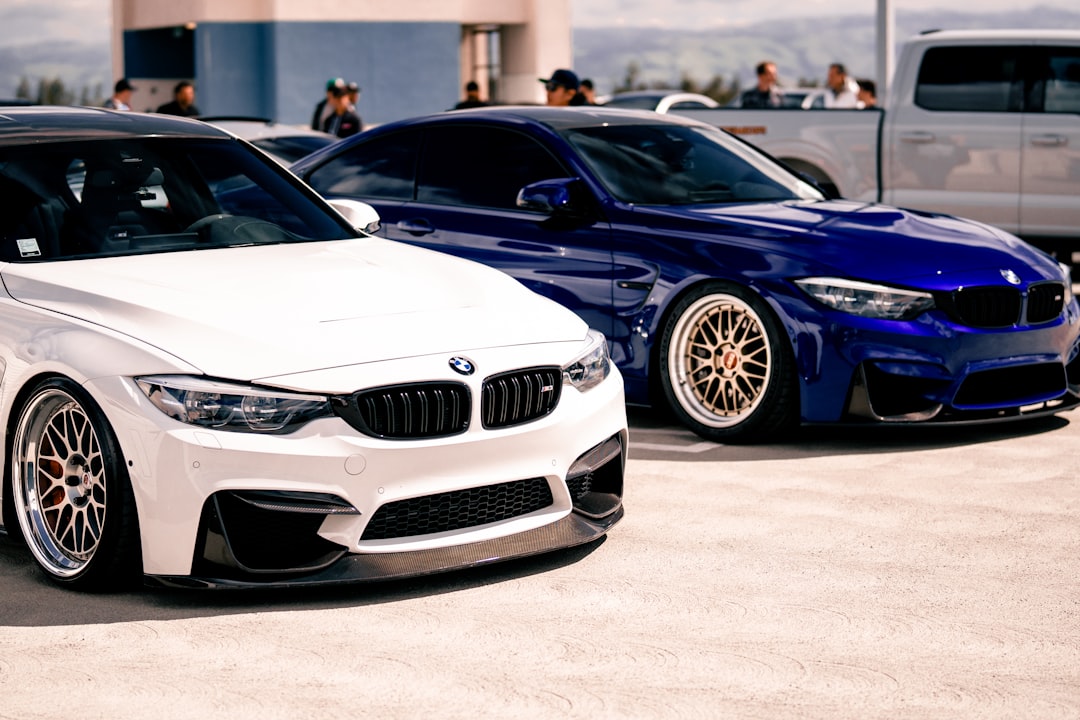
When it comes to luxury automobiles, BMW, Audi, and Mercedes-Benz stand as the titans of German engineering, each with a fiercely loyal fan base and a reputation for excellence. These brands are often the top choices for drivers who desire a blend of performance, technology, and prestige. But with so many overlapping features, how do you determine which is better: BMW, Audi, or Mercedes? The direct answer is that there is no single ‘best’ brand for everyone—BMW excels in sporty handling, Mercedes-Benz offers the most luxurious ride, and Audi is known for advanced technology and all-wheel-drive performance. Your ideal choice depends on your priorities: driving dynamics, comfort, innovation, or brand prestige. In this article, we’ll compare these iconic automakers across key areas to help you decide which brand best fits your lifestyle and preferences.
Key Statistics
Brand Philosophy and Heritage
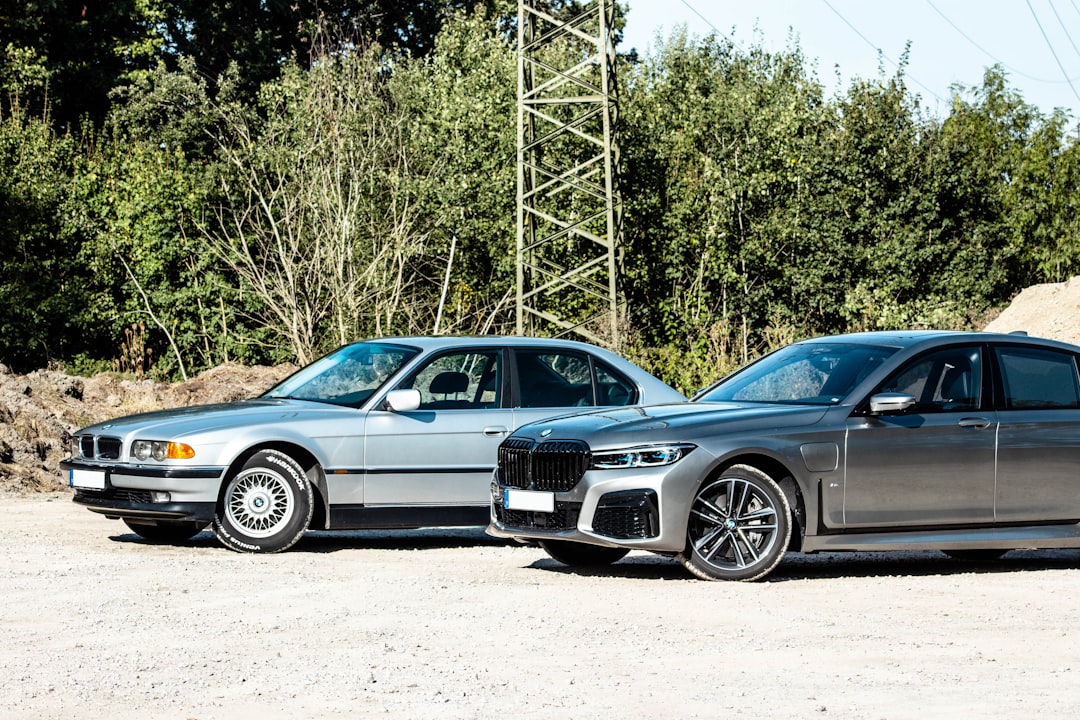
Each of these German automakers has a unique heritage that shapes their vehicles’ design and character. BMW, founded in 1916, initially produced aircraft engines before evolving into a brand focused on driving pleasure and sportiness. Their slogan, ‘The Ultimate Driving Machine,’ reflects this commitment to dynamic performance and driver engagement. Mercedes-Benz, established in 1926, is often credited as the inventor of the automobile. It has long emphasized luxury, advanced engineering, and safety innovations. The Mercedes star is synonymous with prestige and comfort, making it a favorite for those prioritizing refinement and brand status. Audi, with roots tracing back to the early 20th century but rebranded in the 1960s, champions technological advancement and understated sophistication. Audi’s reputation was cemented by their pioneering Quattro all-wheel drive system and a relentless focus on cutting-edge infotainment and driver assistance systems. This philosophy appeals to tech-savvy buyers who appreciate understated design and innovation.
Brand Heritage Comparison
| Brand | Founded | Core Values |
|---|---|---|
| BMW | 1916 | Sporty handling, driver focus, performance |
| Mercedes-Benz | 1926 | Luxury, prestige, safety, innovation |
| Audi | 1909 (rebranded 1960s) | Technology, design, Quattro AWD |
Brand Identity Pros & Cons
✅ Pros
- BMW: Renowned for engaging driving experience
- Mercedes-Benz: Highest level of luxury and comfort
- Audi: Leading in interior technology and all-wheel drive
❌ Cons
- BMW: Sporty focus can mean firmer ride
- Mercedes-Benz: Can be perceived as less sporty
- Audi: Understated design may not appeal to all
Performance and Driving Experience
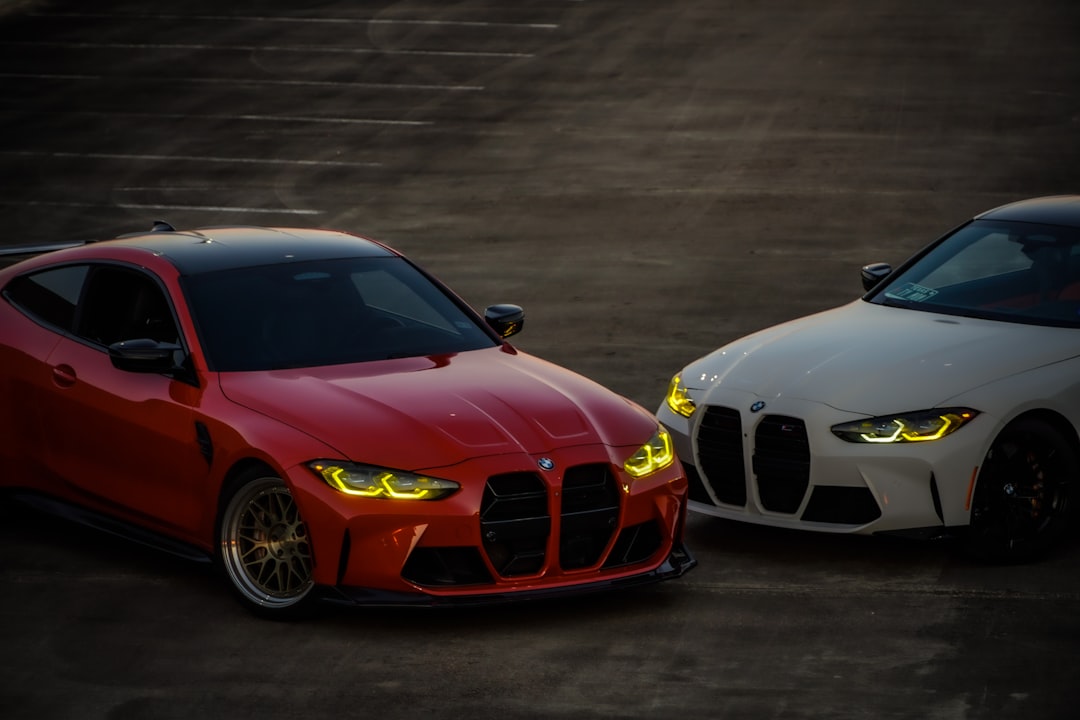
Performance is a defining characteristic for all three brands, but their approaches differ. BMW prioritizes driving engagement, featuring rear-wheel-drive architectures and near-perfect weight distribution in many models. This results in sharp steering, agile handling, and a sporty feel that appeals to enthusiasts. Iconic models like the BMW 3 Series and M3 exemplify this philosophy. Mercedes-Benz, while offering formidable AMG performance models, generally emphasizes a smoother, more refined ride. The brand is known for powerful engines and effortless acceleration, but with a comfort-oriented suspension setup. Mercedes’ innovations in adaptive damping and air suspension make highway cruising especially sublime. Audi splits the difference, offering both dynamic S/RS models and a strong focus on traction, thanks to its Quattro all-wheel-drive system. Audis tend to deliver neutral, confidence-inspiring handling, especially in poor weather, though some models can feel less communicative than their BMW counterparts. The RS6 Avant and S4 are prime examples of Audi’s performance prowess.
Interior Quality, Technology, and Comfort
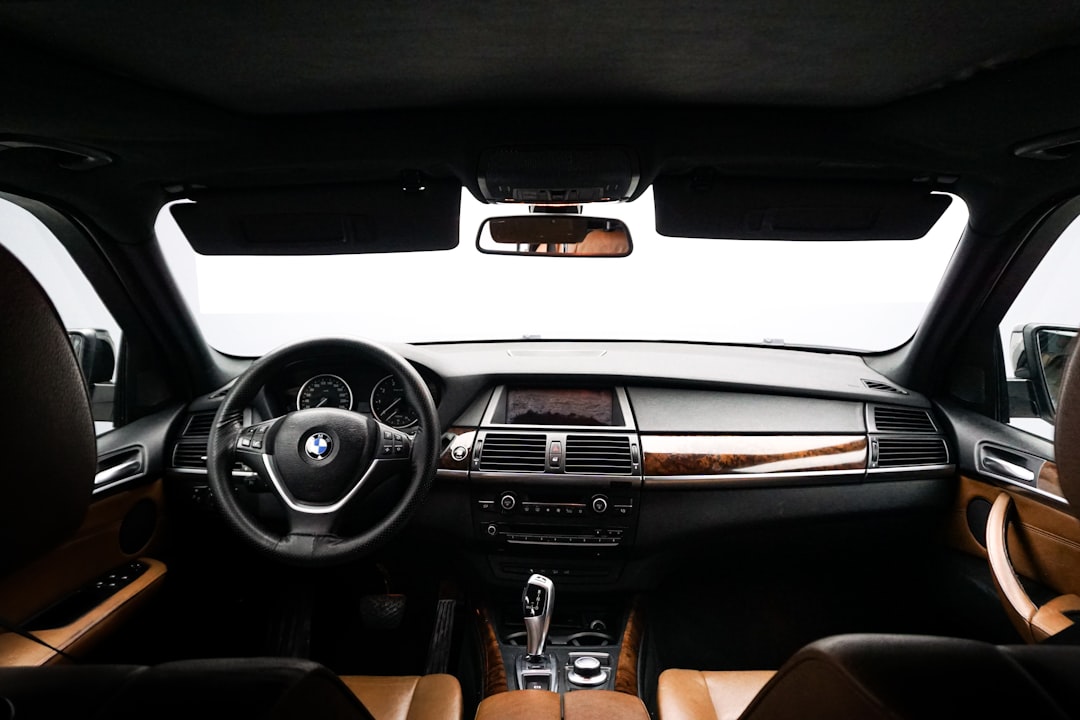
Luxury buyers expect both comfort and state-of-the-art technology, and all three brands deliver, albeit with different emphases. Mercedes-Benz interiors are widely regarded as the most lavish, boasting premium materials, ambient lighting, and an opulent sense of space. The MBUX infotainment system is intuitive, featuring natural voice commands and advanced connectivity. BMW has traditionally favored a driver-focused cockpit, with controls angled toward the driver and a minimalist yet high-quality design. Recent BMWs feature the iDrive system, known for its responsiveness and clarity, while newer models are adopting larger curved displays and more digital controls. Audi sets the benchmark for seamless integration of technology and design. Its ‘Virtual Cockpit’ digital instrument cluster, high-resolution touchscreens, and haptic feedback controls create a futuristic, streamlined environment. Audi interiors are also praised for fit and finish, with elegant materials and minimalistic styling that still feels inviting. When it comes to comfort, Mercedes usually leads, especially in higher trims, but Audi and BMW are close behind, offering supportive seating and excellent sound insulation.
Interior & Technology Comparison (Flagship Models)
| Feature | BMW 7 Series | Mercedes S-Class | Audi A8 |
|---|---|---|---|
| Display Size | 14.9-inch curved | 12.8-inch OLED | 10.1/8.6-inch dual |
| Voice Assistant | BMW Intelligent Personal Assistant | MBUX Voice Control | Audi Virtual Assistant |
| Ambient Lighting | Multi-color, customizable | 64-color, multi-zone | Multi-color, subtle zones |
Reliability, Maintenance, and Ownership Costs
Cost of ownership is a critical factor when choosing a luxury vehicle. While all three brands offer high-quality engineering, they are also known for expensive maintenance and repairs, especially out of warranty. Mercedes-Benz generally ranks slightly better in long-term reliability surveys, with models like the E-Class praised for durability. BMW’s turbocharged engines and complex electronics can lead to higher maintenance costs, though their newer powertrains are improving in reliability. Audi, with its sophisticated Quattro systems and advanced electronics, can sometimes be more expensive to repair, particularly in older models. Warranty coverage for all three is similar: generally 4 years/50,000 miles in the United States. Extended maintenance plans and certified pre-owned programs can help offset costs, but buyers should budget for premium fuel, higher insurance, and pricier parts compared to mainstream brands. Another factor is depreciation—Mercedes and BMW tend to hold their value slightly better than Audi, but all three depreciate faster than non-luxury vehicles due to high initial prices and costly repairs.
Average 5-Year Ownership Costs (US, 2024)
| Brand | Maintenance & Repairs | Depreciation | Insurance |
|---|---|---|---|
| BMW | $8,000 | $30,000 | $9,500 |
| Mercedes-Benz | $7,000 | $28,000 | $9,800 |
| Audi | $8,500 | $32,000 | $9,200 |
Model Range, Brand Image, and Buyer Profile

Each brand offers a diverse lineup catering to different segments and personalities. BMW’s range includes sporty sedans (3 Series, 5 Series), crossovers (X3, X5), and high-performance M models. Their cars are often chosen by drivers who want a balance of luxury and spirited driving. Mercedes-Benz boasts the largest portfolio, from the compact A-Class to the ultra-luxury S-Class and Maybach, as well as a full range of SUVs, coupes, and convertibles. Mercedes buyers typically prioritize comfort, status, and advanced safety features. Audi covers similar ground with its A- and Q-series vehicles, performance S/RS models, and innovative e-tron electric cars. Audi tends to attract younger, tech-focused buyers who appreciate modern design and all-weather capability thanks to standard Quattro on many models. Brand image also plays a big role: BMW is seen as dynamic and sporty, Mercedes as prestigious and luxurious, and Audi as progressive and tech-savvy. Choosing between them often comes down to which brand’s identity resonates most with your personal style.
Frequently Asked Questions
Which brand is most reliable: BMW, Audi, or Mercedes-Benz?
On average, Mercedes-Benz is slightly more reliable, especially in models like the E-Class. BMW has improved its reliability in recent years, while Audi’s sophisticated technology can sometimes result in higher repair costs, but all three require attentive maintenance.
Are maintenance and repair costs higher for these brands compared to non-luxury cars?
Yes, maintenance and repair costs are typically higher due to complex engineering, expensive parts, and specialized labor. Expect to pay more for routine servicing, insurance, and repairs compared to mainstream brands.
Which is better for sporty driving: BMW, Audi, or Mercedes?
BMW is generally considered the best for sporty, engaging driving, especially with its rear-wheel-drive models and M performance variants. Audi’s Quattro system provides great traction, while Mercedes’ AMG models offer powerful acceleration with a focus on luxury.
Do these brands offer electric or hybrid vehicles?
All three brands have invested heavily in electrification. BMW offers the i Series (like the i4 and iX), Audi features the e-tron lineup, and Mercedes-Benz sells EQ models such as the EQS and EQE.
Which has the most advanced technology features?
Audi is often recognized for pioneering infotainment and digital cockpit technology, but BMW and Mercedes have caught up quickly with advanced driver assistance and user interfaces. Mercedes’ MBUX and BMW’s iDrive are among the best in the industry.
Conclusion
Choosing between BMW, Audi, and Mercedes-Benz depends largely on your personal preferences and priorities. BMW shines for those who love sporty handling and driving engagement, Mercedes-Benz stands out for supreme comfort and luxury, and Audi leads with innovative technology and all-weather capability. All three brands come with higher ownership costs and a premium badge that signals status and engineering excellence. Consider what matters most: if you want a thrilling drive, BMW is likely your best bet; for ultimate luxury, Mercedes is hard to beat; and for cutting-edge tech and understated elegance, Audi should be at the top of your list. Ultimately, test-driving models from each brand is the best way to experience their unique qualities and make an informed decision that suits your needs and lifestyle.