

Locating the transmission dipstick on a BMW 328i can be a bit of a challenge, as it differs from many traditional vehicles. In most cases, the dipstick is integrated into the transmission system, making it less accessible. For the BMW 328i, especially in models from 2007 onwards, the dipstick is not present in the conventional sense, as these vehicles often utilize a sealed transmission system that doesn’t require regular fluid checks by the owner. However, understanding where to look and how to check the transmission fluid can be crucial for maintaining your vehicle’s performance and longevity.
Key Statistics
Understanding BMW’s Transmission Systems
BMW vehicles, including the 328i, are known for their advanced engineering and design. The transmission systems in these vehicles have evolved significantly over the years. Earlier models often featured a traditional dipstick, allowing drivers to manually check fluid levels. However, newer models, particularly those produced from 2007 onwards, have transitioned to sealed transmissions. This design is intended to reduce maintenance needs and improve performance by minimizing the chances of contamination and fluid loss. For the BMW 328i, this means that the transmission fluid is not designed to be checked or topped off by the owner. Instead, it is advisable to rely on trained professionals to assess and service the transmission fluid as needed. This transition reflects BMW’s commitment to creating vehicles that require less frequent maintenance, yet it can create confusion for owners accustomed to traditional dipstick systems.
BMW 328i Transmission Specifications
| Transmission Type | Gears | Fluid Capacity (Quarts) |
|---|---|---|
| 6-Speed Manual | 6 | 7.9 |
| 8-Speed Automatic | 8 | 8.5 |
Pros and Cons of Sealed Transmission Systems
✅ Pros
- Reduced maintenance requirements
- Less risk of fluid contamination
❌ Cons
- Limited owner accessibility for fluid checks
- Higher service costs if issues arise
How to Access Transmission Fluid on a BMW 328i
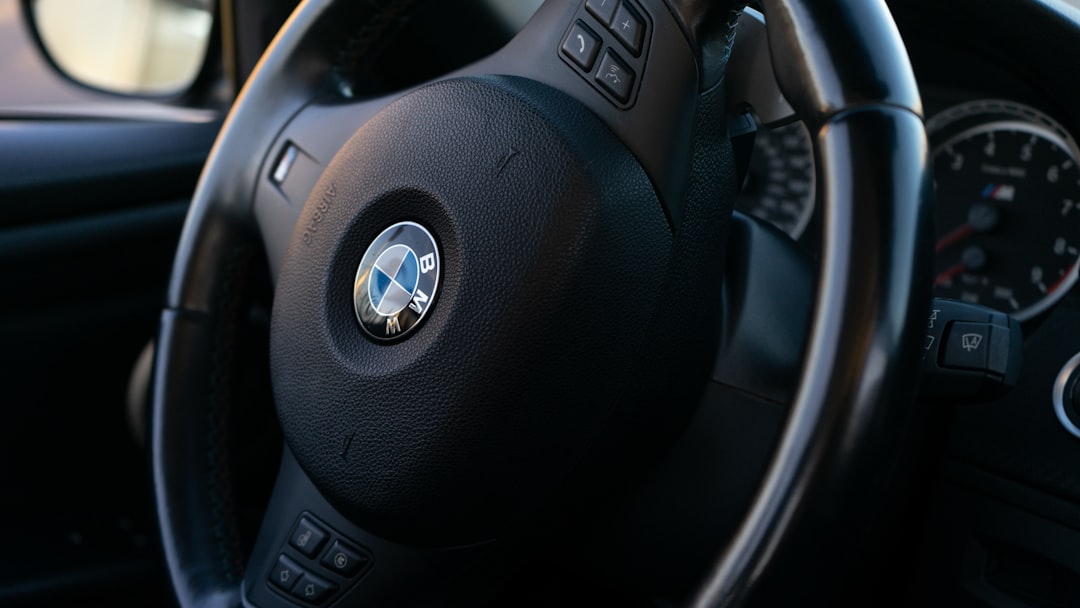
While the absence of a traditional dipstick can limit the owner’s ability to check transmission fluid levels, there are still ways to access the transmission fluid. For those who are determined to check their fluid, you will need to follow a specific process. First, ensure that your vehicle is parked on a level surface and that the engine is warm. This ensures that the fluid expands to its normal operating level. Next, you will need to locate the fill plug on the transmission case, which can typically be found on the side of the transmission. To remove this plug, you will need a socket wrench. Once removed, you can use a fluid pump to add transmission fluid if necessary. Remember, it is crucial to use the correct fluid type as specified in your owner’s manual to avoid damaging the transmission. If you are unsure or uncomfortable performing this procedure, consulting a qualified technician is recommended.
Checklist for Accessing Transmission Fluid
- Ensure vehicle is on a level surface
- Warm up the engine
- Locate the transmission fill plug
- Use a socket wrench to remove the plug
- Use a fluid pump to add transmission fluid if needed
Signs of Transmission Issues

Understanding the signs of potential transmission issues is essential for any BMW 328i owner. While the absence of a dipstick may limit fluid checks, there are other indicators you should be aware of. Common signs of transmission problems include unusual noises such as grinding or whining, slipping gears, delayed engagement when shifting from park to drive, or warning lights on the dashboard. If you notice any of these symptoms, it is critical to address them promptly, as ignoring transmission issues can lead to more severe problems and costly repairs. Regular maintenance and timely fluid changes can help prevent many of these issues. Additionally, always consult a professional if you are uncertain about your vehicle’s performance or if any warning lights illuminate on your dashboard.
Steps to Take if You Notice Transmission Issues
- Check for warning lights on the dashboard
- Listen for unusual noises during operation
- Monitor fluid levels if accessible
- Consult a professional mechanic for diagnosis
Maintenance Tips for Your BMW 328i Transmission
Maintaining your BMW 328i’s transmission is crucial for its longevity and performance. While you may not have direct access to check fluid levels regularly, there are essential maintenance practices you can adopt. First, ensure that you adhere to the manufacturer’s recommended service intervals for transmission fluid changes, typically every 60,000 to 100,000 miles. Regularly scheduled maintenance can help catch potential issues early. Additionally, consider using high-quality transmission fluid that meets BMW’s specifications, as this can prevent wear and tear on transmission components. Lastly, keep an eye on your driving habits; aggressive driving can put unnecessary strain on the transmission, leading to premature wear. By taking these steps, you can help ensure that your BMW 328i’s transmission remains in optimal condition for years to come.
BMW 328i Transmission Maintenance Schedule
| Maintenance Task | Recommended Interval | Notes |
|---|---|---|
| Transmission Fluid Change | 60,000 – 100,000 miles | Use BMW-approved fluid |
| Transmission Filter Change | 60,000 miles | Check during fluid change |
| Transmission Inspection | Every 30,000 miles | Look for leaks and wear |
Frequently Asked Questions
Does the BMW 328i have a transmission dipstick?
No, the BMW 328i does not have a traditional transmission dipstick. Most modern models feature a sealed transmission system that does not require regular fluid checks by the owner.
How can I check the transmission fluid in my BMW 328i?
To check the transmission fluid, you will need to access the fill plug on the side of the transmission. Make sure the engine is warm and the vehicle is on a level surface. Remove the fill plug and use a fluid pump to add fluid if necessary.
What are the signs of transmission problems in a BMW 328i?
Signs of transmission issues include unusual noises, slipping gears, delayed engagement, and warning lights on the dashboard. If you notice any of these symptoms, consult a professional mechanic immediately.
How often should I change the transmission fluid in my BMW 328i?
It is generally recommended to change the transmission fluid every 60,000 to 100,000 miles, depending on your driving habits and conditions.
What type of transmission fluid should I use for my BMW 328i?
Always use transmission fluid that meets BMW’s specifications. Refer to your owner’s manual for the specific type and brand recommended for your vehicle.
Conclusion
In summary, while the BMW 328i does not feature a traditional transmission dipstick, understanding the vehicle’s transmission system and maintenance needs is essential for any owner. Keeping up with regular maintenance, being aware of symptoms that may indicate transmission problems, and knowing how to access the transmission fluid if necessary are all crucial for ensuring the longevity and performance of your vehicle. If you are ever in doubt about your vehicle’s transmission health, it is always best to seek the advice of a qualified technician. By being proactive and informed, you can help maintain the performance and reliability of your BMW 328i for years to come.