
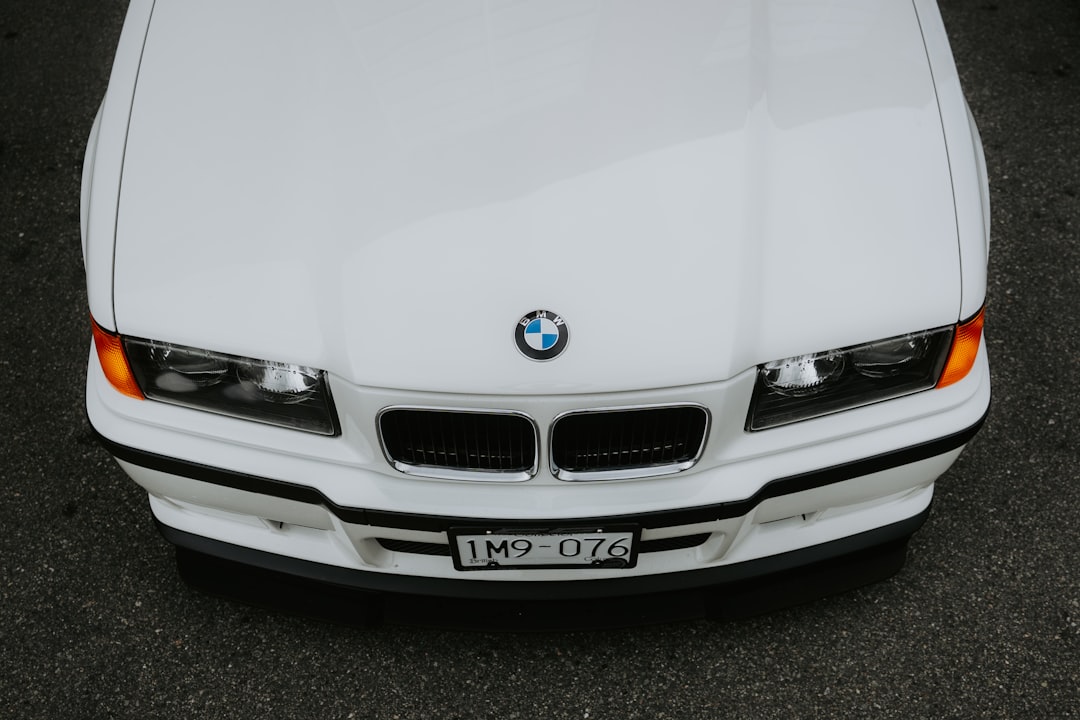
For decades, the BMW M3 and M4 have represented the pinnacle of German sports sedans and coupes. These two high-performance vehicles share much of their engineering and DNA, yet they appeal to slightly different drivers. Whether you’re considering an M3 or M4 for your next car, understanding the differences is crucial to making the right choice. In short, the BMW M3 is better suited for those seeking a practical, four-door performance car with everyday usability, while the BMW M4 is ideal for enthusiasts prioritizing coupe styling and a slightly sportier edge. Mechanically, both cars are nearly identical, but their body styles and subtle tuning differences may sway buyers depending on their needs and preferences. Let’s dive deeper into what sets these two M models apart.
Key Statistics: BMW M3 vs M4
Performance and Driving Dynamics
At their core, the BMW M3 and M4 share the same powertrain: a turbocharged 3.0-liter inline-six engine (S58), rear- or all-wheel-drive options, and nearly identical suspension setups. The standard models produce 473 horsepower with a six-speed manual gearbox, while Competition variants offer 503 horsepower paired with an 8-speed automatic and optional xDrive all-wheel drive. On the road and track, both cars deliver blistering acceleration, sharp steering, and a finely tuned chassis. The M4’s lower roofline and marginally lighter weight (by about 30-50 pounds, depending on spec) can translate to a negligible handling advantage, but real-world differences are minimal for most drivers. The key factor is body style, as the coupe’s slightly stiffer structure may feel more planted during aggressive cornering. Ultimately, performance is nearly a dead heat between the two, with both offering world-class dynamics and customizable settings for throttle, steering, and suspension response.
Performance and Mechanical Specifications (2024 Models)
| Model | Horsepower | 0-60 mph (RWD/AWD) | Transmission |
|---|---|---|---|
| M3 | 473 hp | 4.1 sec / N/A | 6-speed manual |
| M3 Competition | 503 hp | 3.8 sec / 3.4 sec | 8-speed automatic |
| M4 | 473 hp | 4.1 sec / N/A | 6-speed manual |
| M4 Competition | 503 hp | 3.8 sec / 3.4 sec | 8-speed automatic |
M3 and M4 Performance Pros and Cons
✅ Pros
- Both models offer similar horsepower and acceleration
- Manual transmission available in standard versions
- All-wheel drive (xDrive) available in Competition trims for superior traction
❌ Cons
- Manual transmission not available on Competition/xDrive models
- Marginal weight difference offers little real-world advantage
Design and Practicality: Sedan vs Coupe

The most significant distinction between the BMW M3 and M4 is their body style. The M3 is a four-door sedan, offering superior practicality, easier rear-seat access, and a more accommodating rear bench for three passengers. By contrast, the M4 is a two-door coupe (or available as a convertible), designed for those who value sportier lines, a lower roofline, and a more aggressive stance. The M4’s design cues—frameless windows, wider rear haunches, and a more sloped rear roof—give it a classic performance coupe silhouette. The M3, though aggressive in its own right, is more understated and can blend into everyday traffic more easily. In terms of cargo space, the M3’s trunk is fractionally larger, but both models are practical enough for weekend getaways or daily errands.
Interior and Practicality Comparison
| Feature | BMW M3 | BMW M4 |
|---|---|---|
| Doors | 4 | 2 |
| Seating Capacity | 5 | 4 |
| Rear Legroom (inches) | 35.6 | 34.7 |
| Trunk Space (cu ft) | 13.0 | 12.0 |
Design and Practicality: Pros and Cons
✅ Pros
- M3 offers easier rear seat access and more seating capacity
- M4 provides sleeker, more athletic coupe styling
❌ Cons
- M4’s coupe design limits rear seat usability
- M3 may be less visually distinctive to some enthusiasts
Price and Value for Money

Pricing for the BMW M3 and M4 is remarkably close, with the M4 coupe typically commanding a slight premium over the M3 sedan. As of 2024, the base M3 starts at approximately $76,995, while the M4 starts around $78,295. Competition trims, xDrive all-wheel-drive, and optional features can quickly push both cars well above $90,000, especially with carbon ceramic brakes or full leather interiors. Resale values for both models remain strong, but the M3’s reputation as a practical performance sedan often makes it slightly more desirable on the used market. Insurance premiums and running costs are virtually identical, though convertibles (M4 only) may cost marginally more to insure. Ultimately, both vehicles offer excellent value considering their blend of performance, luxury, and everyday usability.
Ownership Experience and Everyday Usability
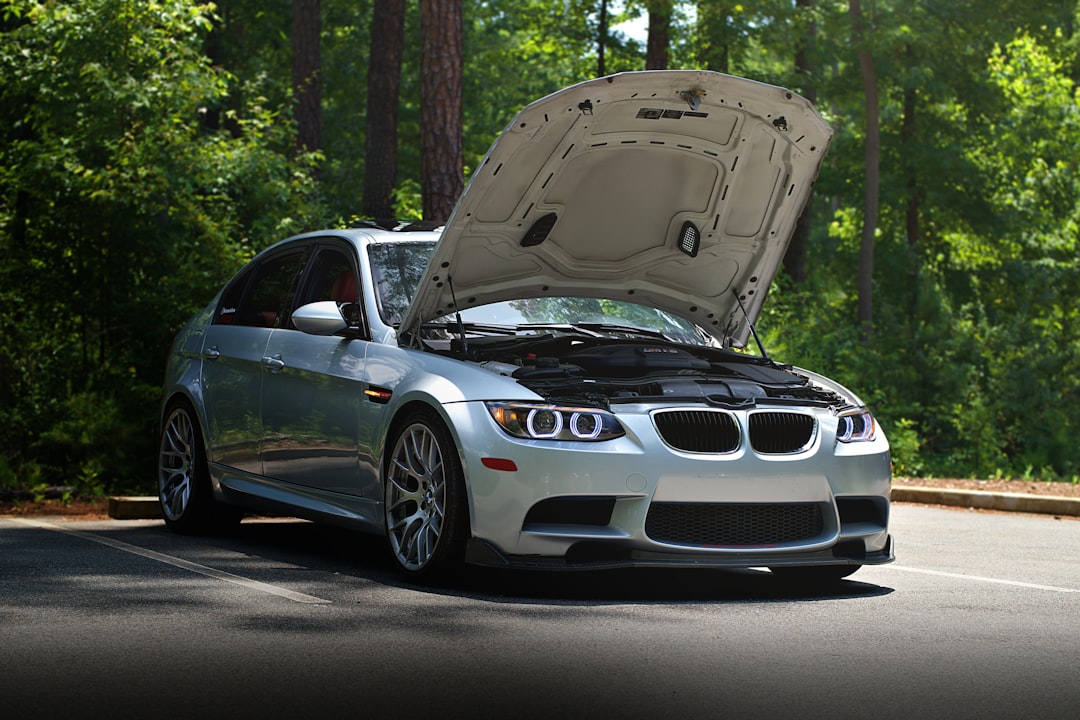
For buyers looking to combine high performance with daily usability, the M3 has an advantage thanks to its four-door configuration and more accommodating rear seats. Families or those who frequently carry passengers will appreciate the ease of entry and exit, as well as the extra seating position. The M4, while less practical, offers a slightly more focused driving experience with its lower, more driver-centric cabin and coupe layout. It excels for those seeking occasional track days or spirited weekend drives, where the coupe’s styling and ambiance come to the fore. Both cars are equipped with modern infotainment systems, advanced driver assistance features, and adjustable drive modes to tailor the experience to any situation. Ride comfort, noise levels, and amenities are similar, with both cars offering adaptive suspension and high-quality interiors. Owners report that either car is comfortable enough for commuting, though the M3’s added space makes it more versatile for mixed-use lifestyles.
Which Should You Choose? Decision Factors

The choice between the BMW M3 and M4 ultimately comes down to your lifestyle and personal preferences. If you need practicality, carry passengers frequently, or simply prefer the sedan form factor, the M3 is the obvious pick. Enthusiasts drawn to the coupe’s styling and slightly more focused driving feel may find the M4 more compelling. Both cars offer a similar suite of performance features, technology options, and luxury appointments. The price difference is minor, so the real decision lies in how you plan to use the car and which design best fits your personal taste.
Key Considerations Before Deciding
- Do you need four doors and easier rear seat access?
- Will you frequently carry more than one passenger?
- Do you prioritize coupe styling and exclusivity?
- Is manual transmission availability important?
- How important is trunk space and cargo flexibility?
Frequently Asked Questions
Do the BMW M3 and M4 have the same engine?
Yes, both the M3 and M4 use BMW’s S58 3.0-liter twin-turbocharged inline-six engine, with identical power outputs in respective trims.
Is the BMW M3 more practical than the M4?
Yes, the M3 offers four doors, easier rear seat access, and an additional rear seat position, making it more practical for families or daily use.
Which is faster, the M3 or M4?
Performance is nearly identical, with both models achieving 0-60 mph in as little as 3.4 seconds in Competition xDrive trim.
Can the M4 be had as a convertible?
Yes, the M4 is available in a convertible body style, while the M3 is only offered as a sedan.
Are there any differences in handling?
Handling differences are minimal, though the M4’s coupe structure is marginally stiffer. Most drivers will not notice significant differences in everyday or even spirited driving.
Conclusion
In summary, the BMW M3 and M4 are two sides of the same high-performance coin. Mechanically and dynamically, they are nearly identical, sharing engines, transmissions, and performance technology. The primary difference lies in their body style: the M3 offers a practical, four-door layout ideal for those who need versatility, while the M4’s coupe form caters to buyers who prioritize style and a slightly sportier ambiance. For most buyers who value everyday usability and family-friendliness, the M3 is the clear winner. For those who crave the visual drama and exclusivity of a coupe, the M4 is tough to beat. Either way, you’re getting one of the best performance cars in the world, with little compromise regardless of your choice.