

Whether you’re considering selling your BMW, trading it in, or just curious about your vehicle’s value, understanding what your BMW is worth is essential. The value of your BMW depends on factors like age, mileage, condition, model, trim, market demand, and even geographic location. If you’re asking, “What is my BMW worth?”: The typical BMW resale value ranges from 40% to 70% of its original MSRP after 3 years, but this varies widely based on model, mileage, and condition. Online car valuation tools, dealership appraisals, and local market research can provide accurate estimates tailored to your specific vehicle. Knowing your BMW’s worth helps you make informed decisions about selling, trading in, or keeping your car. This article will break down the major factors influencing BMW values, compare depreciation trends, explain how to get an accurate estimate, and answer common questions. Whether you own a classic 3 Series sedan, a sporty M4, or an X5 SUV, you’ll gain insights into the current market and how to maximize your vehicle’s value.
Key Statistics on BMW Valuation and Depreciation
Major Factors That Determine Your BMW’s Value
The value of your BMW is shaped by a combination of intrinsic and external factors. The most influential elements include model year, mileage, overall condition, service history, trim level, options, and market demand. For instance, a late-model BMW with low mileage and a full maintenance record will be valued much higher than an older model with extensive wear and tear. Rarity and desirability of certain trims or special editions (such as M Sport packages or unique color combinations) can also raise your vehicle’s market price. Geographic location can play a role: BMWs may command higher prices in urban areas or regions with more demand for luxury vehicles compared to rural markets. Finally, broader market trends, such as shifts toward SUVs or increased interest in electric vehicles, can impact the resale value of specific BMW models.
Key Factors Affecting BMW Resale Value
| Factor | Impact on Value | Notes |
|---|---|---|
| Model Year | High | Newer models command higher prices |
| Mileage | High | Lower mileage increases desirability |
| Condition | High | Exterior, interior, and mechanical |
| Service History | Medium | Complete records boost confidence |
| Trim/Options | Medium | Rare or high-end trims add value |
| Market Demand | Medium | Popular models retain value better |
Pros and Cons of BMW Ownership for Resale Value
✅ Pros
- Strong brand reputation increases buyer interest
- Advanced features and luxury appointments stand out
- Many models hold value well compared to non-luxury brands
❌ Cons
- High maintenance costs can deter some buyers
- Depreciation rates can be steep on certain models
- Luxury features can be expensive to repair if worn
How BMWs Depreciate: Model-by-Model Comparison

Depreciation is the single largest factor affecting your BMW’s worth over time. Luxury vehicles like BMWs typically depreciate faster than mainstream brands, but some models and trims retain value better than others. For example, performance-oriented models (such as the M Series) or sought-after SUVs (like the X5) often hold their value better than less popular sedans or entry-level models. Depreciation rates also fluctuate based on initial purchase price, reliability ratings, and brand updates. It’s important to research specific models and years, as a BMW 3 Series from 2016 might retain value differently than a 2016 5 Series or a 2019 X3. CPO (Certified Pre-Owned) programs can also slow depreciation, as buyers are willing to pay more for vehicles with factory-backed warranties. Certain model years may experience value drops due to redesigns, changes in technology, or market oversupply. Conversely, limited-edition or enthusiast models can sometimes appreciate. To understand how your BMW compares, review depreciation data and recent market trends for your specific model.
BMW Model Depreciation Over 5 Years
| Model | Original MSRP | 5-Year Value Retention | Estimated 5-Year Value |
|---|---|---|---|
| 3 Series | $43,000 | 61% | $26,230 |
| X5 | $62,000 | 65% | $40,300 |
| M3 | $70,000 | 71% | $49,700 |
| 5 Series | $55,000 | 59% | $32,450 |
| X3 | $46,000 | 63% | $28,980 |
Getting an Accurate Estimate: Tools and Methods
To pinpoint your BMW’s current value, use a combination of online resources, professional appraisals, and real-world market comparisons. Online valuation tools such as Kelley Blue Book (KBB), Edmunds, and NADA Guides allow you to input your vehicle’s year, model, trim, mileage, options, and condition to get an estimated private sale, trade-in, or dealer retail value. These tools aggregate data from recent sales, auctions, and dealer listings, providing a reliable starting point. However, actual offers may vary based on local demand, your car’s history, and dealer policies. For the most accurate estimate, consider getting a professional appraisal at a BMW dealership or an independent used car dealer. They can inspect your vehicle in person and provide a written offer or valuation. Additionally, check local classified ads, online marketplaces, and auction listings to see what similar BMWs are selling for in your area. Remember that trade-in values are usually lower than private sale values because dealers factor in reconditioning and profit margins. Selling privately can yield a higher price but may require more effort and time.
Checklist for Estimating Your BMW’s Value
- Gather your car’s VIN, mileage, and service history
- Inspect and document your car’s condition (interior, exterior, mechanical)
- Use KBB, Edmunds, and NADA Guides to get online estimates
- Request a dealer or independent appraisal
- Compare prices of similar BMWs in your local market
Tips to Maximize Your BMW’s Resale Value
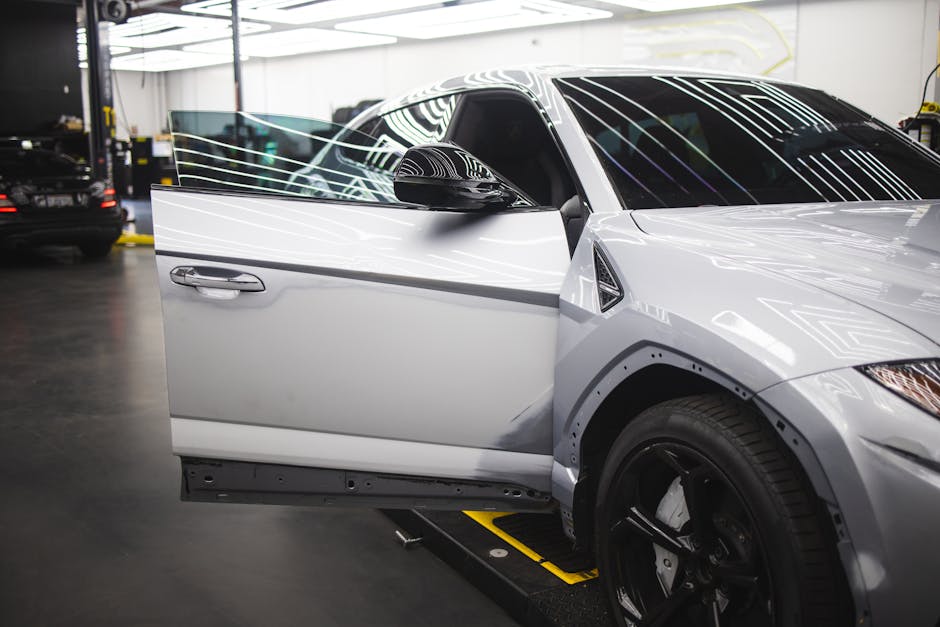
Maximizing your BMW’s resale value requires both proactive maintenance and strategic timing. Keeping up with regular service, retaining all maintenance records, and addressing cosmetic imperfections can significantly boost your car’s appeal to buyers. Before listing your BMW for sale or trade-in, consider getting it professionally detailed and addressing minor repairs such as worn tires, brake pads, or cosmetic dings. Presenting a clean vehicle with a documented history builds confidence and justifies a higher asking price. Timing your sale can also impact value. Selling in spring or early summer, when demand for used cars peaks, often results in better offers. Models with desirable features like navigation, upgraded audio, or sport packages command higher prices. If you have a rare or enthusiast-oriented BMW, marketing it on specialty forums or platforms like Bring a Trailer can attract buyers willing to pay a premium. Finally, be transparent about your car’s history, and set a realistic price based on comparable sales. This approach helps you sell faster and avoid prolonged negotiations.
Steps to Boost Your BMW’s Value Before Selling
- Complete all scheduled maintenance and gather service records
- Repair minor mechanical or cosmetic issues
- Have the car professionally detailed inside and out
- Take high-quality photos highlighting unique features
- Advertise in both local and enthusiast-oriented markets
Selling, Trading, or Keeping: Making the Right Choice
Deciding whether to sell, trade in, or keep your BMW depends on your financial goals, vehicle condition, and current market dynamics. Selling privately usually yields the highest return but requires more effort in marketing, negotiation, and paperwork. Trading in your BMW at a dealership is faster and more convenient but often results in a lower payout, as dealers account for reconditioning costs and resale margins. If your BMW is older, has high mileage, or requires significant repairs, trading in or selling to a used car dealer may be more practical. On the other hand, if your car is in excellent condition, has desirable features, or is a sought-after model, selling privately or through a specialty platform could maximize your proceeds. Keeping your BMW may be the best option if it’s running well, fully paid off, and still meets your needs, as the cost of replacing it with a newer model can be significant. Evaluate your options based on your priorities, the current value of your car, and your future transportation needs.
Frequently Asked Questions
How does mileage affect my BMW’s value?
Mileage is one of the most significant factors in determining a BMW’s resale value. Lower-mileage BMWs are more attractive to buyers and can command thousands of dollars more than similar models with high mileage. As a rule of thumb, each additional 10,000 miles can reduce value by 5% or more, especially after crossing major thresholds like 50,000 or 100,000 miles.
Are certain BMW models better at holding their value?
Yes, performance-oriented models such as the M Series (M3, M4, M5) and popular SUVs like the X5 and X3 tend to retain value better than entry-level sedans or less desirable trims. Limited production runs and models with strong enthusiast followings may also depreciate less or even appreciate over time.
Does a full service history increase my BMW’s value?
A complete, verifiable service history reassures buyers about the car’s maintenance and reduces concerns about potential hidden issues. This can significantly boost your BMW’s resale value and make it more attractive compared to similar cars without documented service records.
What’s the difference between trade-in and private sale values?
Trade-in values are typically lower than private sale prices because dealerships factor in reconditioning costs, profit margins, and the risk of unsold inventory. Selling privately requires more effort but usually results in a higher payout.
How can I find out the current market value of my specific BMW?
Start by using online valuation tools like Kelley Blue Book, Edmunds, or NADA Guides. Input your BMW’s year, model, trim, mileage, and condition. Then, supplement this estimate by checking local listings for similar cars and, if possible, get a professional appraisal for the most accurate value.
Conclusion
Determining the value of your BMW is a nuanced process that depends on numerous factors, from model year and mileage to condition, service history, and market trends. By leveraging online appraisal tools, professional assessments, and local market data, you can arrive at a realistic estimate and make informed decisions about selling, trading in, or keeping your vehicle. Regular maintenance, careful documentation, and strategic marketing can help you maximize your BMW’s resale value. Whether you own a daily-driven 3 Series, a luxurious X5, or a high-performance M model, understanding the dynamics of BMW valuation equips you to navigate the used car market with confidence. Stay informed about market trends, keep your car in top condition, and explore all selling options to ensure you get the best possible return on your investment.