

Owning a BMW is as much about enjoying a premium driving experience as it is about ensuring your vehicle remains in top condition. Like all modern cars, BMWs require regular maintenance to keep them running safely and efficiently. One of the pivotal services in the BMW maintenance schedule is the ‘BMW Vehicle Check.’ A BMW Vehicle Check is a comprehensive inspection service, recommended every 30,000 miles or two years, where a BMW technician assesses the overall condition and safety of your car. This includes examining key systems such as brakes, suspension, electronics, and bodywork to identify wear, damage, or developing issues. This routine check is designed to catch potential problems early, maintain vehicle reliability, and protect your investment. In this article, we’ll explore what exactly a BMW Vehicle Check involves, why it’s important, how it differs from other BMW services, typical costs, and what you can expect during your appointment. We’ll also address common questions and misconceptions, providing you with a clear, actionable understanding of this essential maintenance step.
Key Facts About BMW Vehicle Checks
What Does a BMW Vehicle Check Include?
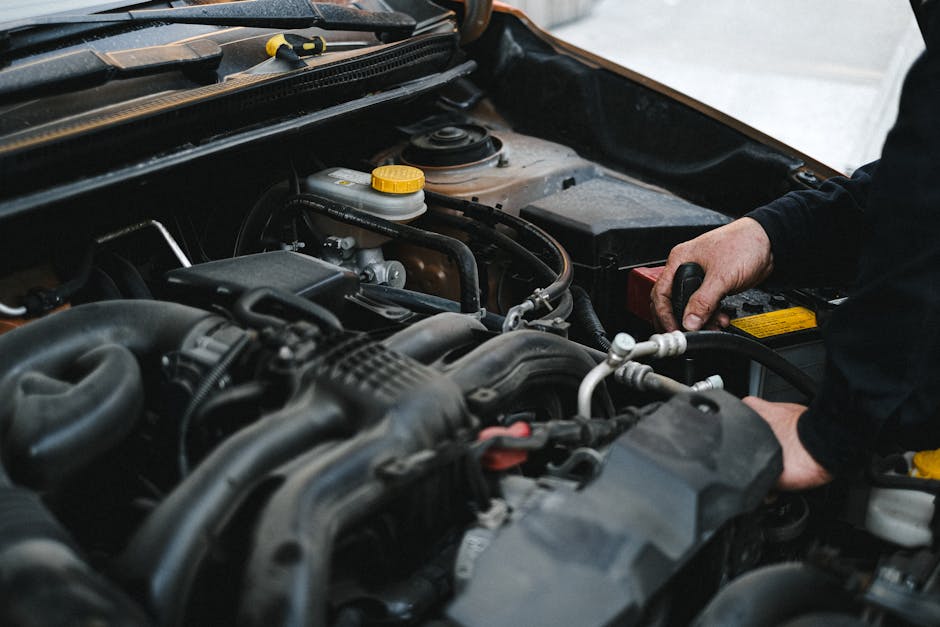
A BMW Vehicle Check is a multi-point inspection designed to assess the overall health and safety of your vehicle. Unlike basic oil changes or fluid top-ups, this check takes a holistic approach, covering critical safety, mechanical, and electronic systems. It is a preventive measure intended to spot issues before they become costly or hazardous. During the service, a certified BMW technician will review a checklist that typically covers the brakes, suspension components, steering, tires, lights, wipers, exhaust, and the body for signs of corrosion or damage. The technician will also run diagnostics on the vehicle’s electronic systems, including the onboard computer, sensors, and warning lights, to identify software or hardware faults. Additionally, the inspection includes checking the battery, drive belts, hoses, and fluid levels. The technician will then provide a report detailing the condition of each checked component, highlighting any urgent repairs or maintenance needs. This process is part of BMW’s commitment to proactive service, aiming to maintain driving performance, safety, and vehicle value.
Main Components Checked During a BMW Vehicle Check
| System/Component | Inspection Focus | Typical Actions |
|---|---|---|
| Brakes | Pads, discs, lines | Visual check, measure wear, test function |
| Suspension | Shocks, struts, joints | Check for leaks, damage, play |
| Electronics | Sensors, warning lights | Run diagnostics, reset codes |
| Bodywork | Panels, undercarriage | Inspect for rust, dents, damage |
| Tires | Tread depth, condition | Measure tread, check pressure |
| Exhaust | Leaks, mounting | Check for holes, secure fittings |
Common BMW Vehicle Checkpoints
- Brake pad and disc thickness
- Tire tread depth and pressure
- Steering and suspension joints
- All exterior and interior lights
- Windscreen wipers and washers
- Battery condition and charge
- Fluid levels (oil, coolant, brake, washer)
- Undercarriage for rust or damage
- Onboard diagnostics scan
Why is a BMW Vehicle Check Important?
A BMW Vehicle Check plays a crucial role in both safety and long-term cost savings. Regular, thorough inspections help ensure all vital systems are functioning properly, reducing the risk of breakdowns or accidents due to unnoticed wear or faults. Catching issues early—such as worn brake pads or minor suspension wear—can prevent more serious and expensive damage down the line. For instance, ignoring a leaking shock absorber can eventually lead to poor handling and damage to adjacent parts, multiplying repair costs. This proactive approach not only protects your wallet but also preserves the high performance and comfort that BMW vehicles are known for. Moreover, a well-documented service history with completed vehicle checks can significantly enhance resale value. Prospective buyers and dealerships look for evidence of regular, professional maintenance as a sign that the car has been cared for. In some cases, maintaining the recommended BMW service schedule is also vital to keep your factory warranty or extended warranty valid.
Advantages and Disadvantages of Regular BMW Vehicle Checks
✅ Pros
- Improves safety for driver and passengers
- Helps avoid unexpected breakdowns
- Preserves vehicle performance and handling
- Supports warranty and resale value
❌ Cons
- Adds to overall maintenance costs
- Requires time out of regular driving schedule
How Does a BMW Vehicle Check Differ From Other Services?

It is important to distinguish a BMW Vehicle Check from other routine services such as oil changes or the BMW Inspection I and II. Each maintenance task has a specific focus and schedule, and understanding these differences helps you plan and budget for your vehicle’s care. A Vehicle Check is primarily a broad diagnostic and visual inspection, focusing on the overall condition and safety of the vehicle. In contrast, an oil service mainly involves replacing engine oil and filter, while Inspection I and II are more comprehensive and scheduled at specific mileage intervals. Inspection I includes more detailed checks of engine, transmission, and chassis, while Inspection II adds further elements like spark plug and air filter replacement. In newer BMWs, Condition Based Servicing (CBS) systems electronically monitor wear and prompt you when a Vehicle Check or other service is due, based on your driving patterns and vehicle sensors. This ensures that maintenance is tailored to your actual usage, not just a fixed calendar.
Comparison of BMW Maintenance Services
| Service Type | Main Focus | Typical Interval |
|---|---|---|
| Vehicle Check | Overall safety, diagnostics | Every 2 years/30,000 miles |
| Oil Service | Engine oil and filter | Annually/10,000 miles |
| Inspection I | Engine, transmission, basic chassis | Varies by model (often 30,000 miles) |
| Inspection II | Inspection I plus extra items (e.g., spark plugs) | Varies by model (often 60,000 miles) |
What to Expect During Your BMW Vehicle Check Appointment
When you schedule a BMW Vehicle Check, you can expect a process that is both thorough and efficient. Upon arrival at the dealership or authorized service center, your service advisor will review your vehicle’s service history and discuss any concerns or recent changes you have noticed. The technician will then begin the multi-point inspection according to BMW’s official checklist, using specialized diagnostic equipment and tools. The inspection itself typically lasts between one and two hours. During this time, the mechanic will check all major systems, scan for electronic faults, and note any wear or damage. After the examination, you’ll receive a detailed report summarizing findings, recommended repairs, and any urgent safety issues. Many service centers offer digital reports with photos and explanations for full transparency. If issues are found, the advisor will explain your options and provide quotes for any necessary repairs. In most cases, minor fixes or adjustments can be handled during the same visit. Otherwise, you can schedule follow-up appointments as needed. Completing the vehicle check according to schedule ensures that your BMW remains safe, reliable, and ready for the road.
Costs and Scheduling for a BMW Vehicle Check

The cost of a BMW Vehicle Check varies depending on your vehicle’s model, age, dealership, and region. On average, most BMW owners in the United States can expect to pay between $200 and $400 for the service at an authorized dealer. Independent BMW specialists may offer slightly lower rates, but it is vital to ensure that they use approved parts and procedures to protect your warranty and maintain service history reliability. Scheduling your Vehicle Check can often be done online through your local dealership’s website or BMW’s ConnectedDrive app, which may send you reminders when your check is due. For newer models equipped with Condition Based Servicing, your vehicle’s system will indicate when a check is necessary based on mileage, driving style, and time. Regularly reviewing your service booklet or digital service record can help you stay on track with all recommended maintenance.
Frequently Asked Questions
How often should I get a BMW Vehicle Check?
BMW recommends a Vehicle Check every two years or 30,000 miles, whichever comes first. However, your particular model or driving conditions may alter this interval; always consult your owner’s manual or your BMW service advisor.
Is a BMW Vehicle Check mandatory for warranty?
While not always legally required, completing scheduled Vehicle Checks and recording them in your service history is often necessary to maintain your BMW’s factory or extended warranty coverage.
Can I skip a Vehicle Check if my car feels fine?
Even if your BMW appears to be running well, underlying issues may go unnoticed without a professional inspection. Skipping checks can lead to undetected wear or faults that may become more serious and expensive over time.
What happens if issues are found during a Vehicle Check?
You’ll receive a detailed report outlining any concerns. Your service advisor will discuss recommended repairs or maintenance, providing quotes and options for addressing them either during the same visit or at a later appointment.
Is a BMW Vehicle Check the same as a MOT or state inspection?
No, a BMW Vehicle Check is a brand-specific maintenance inspection focusing on your car’s overall health and safety, while a MOT or state inspection is a government-mandated test for legal roadworthiness.
Conclusion
A BMW Vehicle Check is a critical component of your car’s maintenance regime, providing a thorough assessment of safety, mechanical, and electronic systems. Regularly completing this check not only keeps your BMW performing at its best but also helps prevent costly repairs, maintains warranty coverage, and preserves resale value. Although it comes with a cost and requires scheduling, the benefits far outweigh the drawbacks, especially for luxury vehicles where reliability and performance are paramount. By understanding what this service entails and staying proactive, BMW owners can enjoy peace of mind and the full enjoyment of their driving experience for years to come.