
A BMW SULEV, or Super Ultra Low Emission Vehicle, refers to a category of vehicles that meet stringent emission standards set by environmental authorities, particularly in the United States. These vehicles are designed to produce significantly lower emissions than conventional gasoline engines, making them more environmentally friendly. In this article, we will delve deeper into the concept of SULEV, its importance, how it affects BMW models, and what consumers need to know.
Key Statistics
Understanding SULEV Standards
The SULEV standard was introduced by the California Air Resources Board (CARB) as part of the state’s aggressive air quality regulations. This standard aims to reduce the amount of harmful pollutants released into the atmosphere from vehicles. To qualify as a SULEV, a vehicle must emit no more than 10 grams of hydrocarbons and nitrogen oxides per mile, which is significantly lower than the emissions permitted for traditional vehicles. The SULEV designation is a part of a broader effort to combat air pollution and protect public health. BMW, like many other manufacturers, has adopted this standard in some of its models to align with environmental regulations and consumer demand for greener vehicles. The adoption of SULEV technology involves advanced engineering and materials that minimize emissions without compromising performance.
SULEV Emission Standards Comparison
| Vehicle Type | Hydrocarbons (g/mile) | Nitrogen Oxides (g/mile) |
|---|---|---|
| Standard Gasoline Vehicle | 50 | 0.2 |
| SULEV | 10 | 0.01 |
| PZEV (Partial Zero Emission Vehicle) | 0 | 0 |
Pros and Cons of SULEV Vehicles
✅ Pros
- Lower emissions contributing to cleaner air
- Potential tax incentives for environmentally friendly vehicles
❌ Cons
- Higher initial purchase price compared to standard vehicles
- Limited availability in certain markets
BMW’s Commitment to SULEV Technology
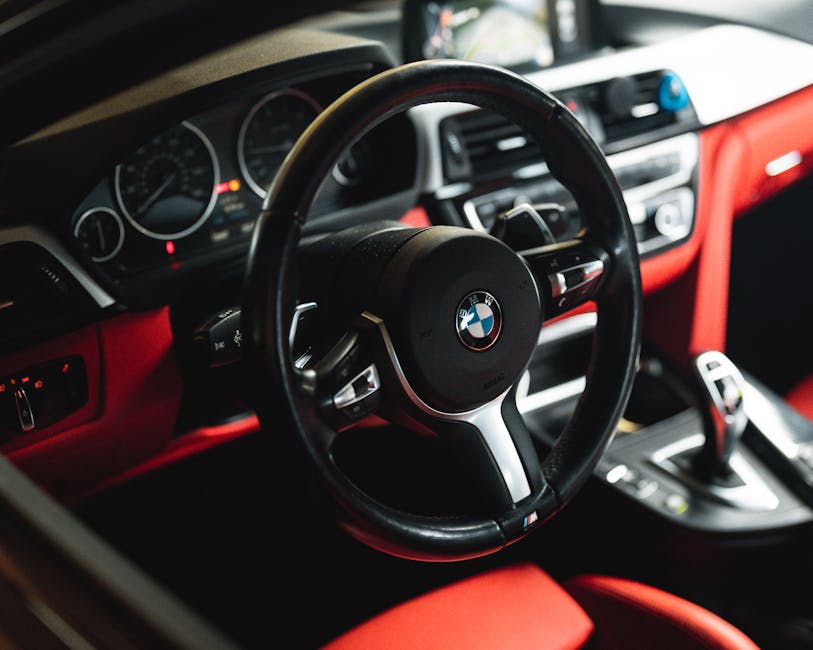
BMW has long been at the forefront of automotive innovation, and its commitment to reducing emissions is evident in its SULEV models. The company integrates advanced technologies, such as direct fuel injection and variable valve timing, to optimize engine performance while minimizing emissions. Moreover, BMW’s focus on lightweight materials and efficient aerodynamics helps improve fuel efficiency in its SULEV models. For instance, the BMW 3 Series and certain X models have been offered with SULEV options, showcasing BMW’s dedication to meeting environmental standards while still providing the luxury driving experience associated with the brand. This commitment not only helps in complying with regulations but also appeals to a growing segment of eco-conscious consumers who prioritize sustainability. Additionally, BMW invests in research and development to continually enhance its SULEV offerings, ensuring they remain competitive in an evolving market.
BMW SULEV Model Comparison
| Model | Engine Type | Fuel Economy (mpg) |
|---|---|---|
| BMW 328i SULEV | 2.0L I4 Turbo | 24 city / 36 highway |
| BMW X3 xDrive30e SULEV | 2.0L I4 Hybrid | 27 city / 31 highway |
Consumer Benefits of BMW SULEV Vehicles
Owning a BMW SULEV comes with various advantages that extend beyond environmental benefits. Firstly, many states offer tax credits and incentives for purchasing low-emission vehicles, which can offset the higher initial cost of SULEV models. Secondly, SULEVs are often quieter and more refined than their conventional counterparts, enhancing the overall driving experience. Furthermore, BMW’s dedication to quality means that SULEV vehicles maintain the brand’s reputation for luxury and performance, ensuring that owners do not have to sacrifice comfort for sustainability. Additionally, as more consumers become aware of the environmental impact of their vehicle choices, owning a SULEV can enhance one’s image as a responsible citizen committed to reducing their carbon footprint. Lastly, the long-term savings on fuel costs can also make SULEV models an economical choice in the long run, despite the initial investment.
Cost Savings with SULEV Ownership
| Type of Savings | Estimated Annual Savings |
|---|---|
| Fuel Savings | $300 |
| Tax Incentives | $1,500 |
| Maintenance Savings | $200 |
Future of SULEV and BMW’s Role
The future of SULEV vehicles is closely tied to the ongoing evolution of automotive technology and environmental regulations. As governments worldwide tighten emission standards, BMW’s investment in electrification and hybrid technologies is likely to grow. While SULEV vehicles currently represent a small segment of the automotive market, the demand for cleaner, more efficient vehicles is expected to rise. BMW is poised to adapt to these changes by expanding its SULEV offerings and integrating more hybrid and electric options. Additionally, advancements in battery technology and renewable energy sources can further enhance the appeal of SULEVs. The shift towards electric mobility may lead to a new generation of vehicles that could surpass current SULEV standards, contributing even more significantly to reducing greenhouse gas emissions. BMW’s ongoing commitment to sustainability, along with its reputation for engineering excellence, positions it well for the future landscape of the automotive industry.
Projected Growth in SULEV Market
| Year | Estimated Market Share (%) | Projected Sales |
|---|---|---|
| 2023 | 5 | 200,000 |
| 2025 | 10 | 400,000 |
| 2030 | 20 | 1,000,000 |
Frequently Asked Questions
What distinguishes a SULEV from other low-emission vehicles?
SULEVs are specifically designed to emit significantly lower levels of harmful pollutants compared to standard vehicles, meeting stricter emission standards set by authorities like CARB. While there are other classifications like LEV (Low Emission Vehicle) and ULEV (Ultra Low Emission Vehicle), SULEVs have the most stringent requirements for emissions.
Are all BMW models available as SULEV?
Not all BMW models are available as SULEV. BMW offers SULEV options in specific models, primarily those designed for efficiency and lower emissions, such as the 3 Series and X Series. Availability may vary by region and model year.
What are the long-term benefits of owning a SULEV?
In addition to contributing to a cleaner environment, owning a SULEV can lead to long-term savings on fuel costs, potential tax incentives, and a reduced carbon footprint. Many SULEVs also offer enhanced performance and driving comfort.
Do SULEV vehicles require special maintenance?
SULEV vehicles do not necessarily require special maintenance, but they may have different service intervals and requirements compared to standard vehicles due to their advanced technologies. Regular maintenance is essential to ensure optimal performance and emission compliance.
How does BMW ensure its SULEV models remain competitive?
BMW employs advanced engineering and innovative technologies to enhance the performance and efficiency of its SULEV models. Continuous research and development efforts allow BMW to stay ahead in the market while meeting consumer demand for environmentally friendly vehicles.
Conclusion
In conclusion, the BMW SULEV represents a significant shift in automotive technology aimed at reducing harmful emissions and promoting sustainability. As environmental concerns continue to grow, SULEV vehicles offer consumers a viable solution that balances performance, luxury, and eco-friendliness. BMW’s commitment to SULEV technology not only showcases its dedication to innovation but also caters to the increasing demand for cleaner vehicles. Whether for tax benefits, fuel savings, or simply the desire to contribute to a healthier planet, choosing a BMW SULEV is a forward-thinking decision for any car buyer. As we look to the future, BMW is likely to play a pivotal role in shaping the next generation of low-emission vehicles, ensuring that driving pleasure and environmental responsibility go hand in hand.