

The term BMW stands for Bayerische Motoren Werke, which translates to Bavarian Motor Works in English. This well-known German automobile manufacturer specializes in luxury vehicles, motorcycles, and engine manufacturing. Founded in 1916, BMW has grown to be synonymous with performance and quality, delivering innovative engineering and elegant designs. In this article, we will explore the origins, significance, and evolution of BMW, as well as its impact on the automotive industry and culture.
Key Statistics
The Origin of BMW

BMW originated in the context of World War I, initially producing aircraft engines before shifting focus to motorcycles and automobiles. The company was founded on March 7, 1916, in Munich, Germany, by Franz Josef Popp, Karl Rapp, and Camillo Castiglioni. The acronym BMW, or Bayerische Motoren Werke, signifies its Bavarian roots and its commitment to engineering excellence. In 1923, BMW produced its first motorcycle, the R32, which showcased innovative engineering features that became a hallmark of the brand. As the automotive industry evolved, BMW transitioned into car manufacturing, with its first automobile, the BMW 3/15, released in 1929. The introduction of the famous BMW badge, which consists of blue and white quadrants, represents the colors of the Bavarian flag and symbolizes the company’s heritage.
BMW Timeline
| Year | Event | Significance |
|---|---|---|
| 1916 | Foundation of BMW | Established in Munich, Germany. |
| 1923 | First Motorcycle (R32) | Introduced innovative engineering. |
| 1929 | First Automobile (3/15) | Marked entry into the automotive market. |
| 1936 | First Sports Car (328) | Became a legend in motorsport. |
| 1972 | First Series Production (5 Series) | Set standards for luxury vehicles. |
BMW’s Evolution and Expansion
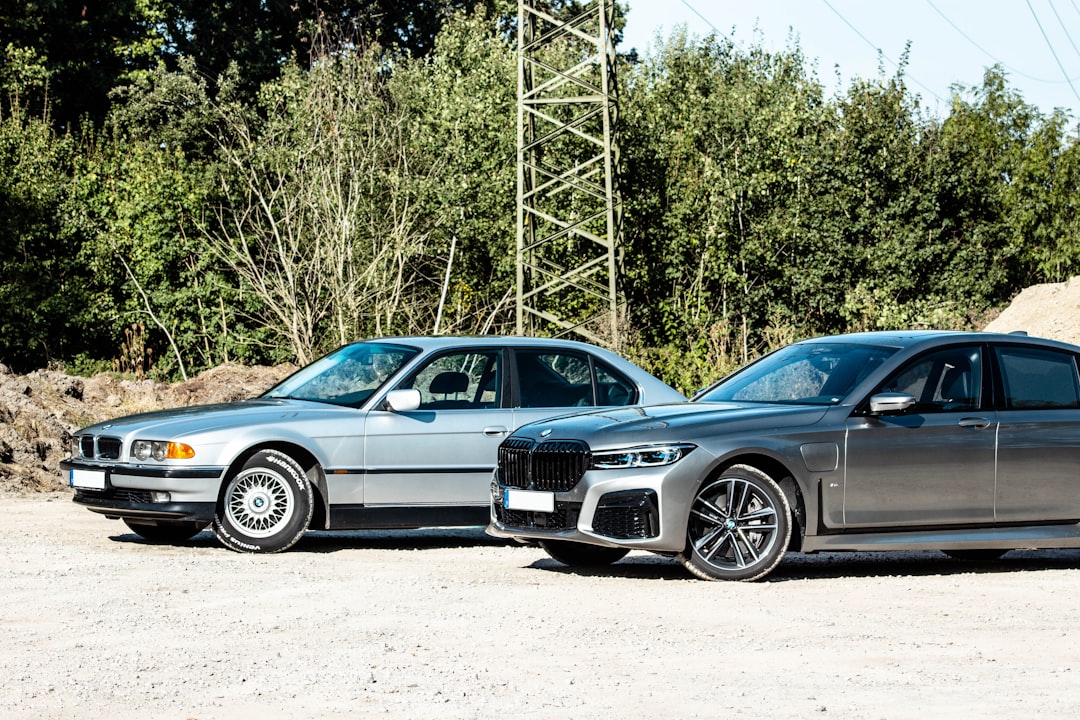
Over the decades, BMW has expanded its product lineup significantly. The introduction of the ‘3 Series’ in the mid-1970s cemented BMW’s reputation for producing sporty, driver-centric vehicles. The ‘5 Series’ followed, appealing to a broader market segment with its combination of luxury and performance. In the 1990s, BMW acquired the British luxury car brands Rolls-Royce and Mini, further diversifying its portfolio. This strategic move allowed BMW to tap into different market segments while also maintaining its core identity as a manufacturer of premium vehicles. The early 2000s saw the introduction of the X series, marking BMW’s entry into the SUV market, which has become increasingly popular among consumers. Today, BMW continues to innovate with electric vehicle models such as the i3 and i8, showcasing its commitment to sustainability and future mobility.
Pros and Cons of BMW Vehicles
✅ Pros
- Exceptional performance and handling
- Luxurious and well-equipped interiors
- Strong brand prestige
❌ Cons
- Higher maintenance costs compared to other brands
- Some models have limited rear seat space
- Premium pricing may deter budget-conscious buyers
Technology and Innovation at BMW

BMW has been at the forefront of automotive technology, consistently pushing boundaries with innovations such as the iDrive system, which integrates vehicle controls into a single interface. The company has also embraced advancements in safety technology, with features like automatic emergency braking and lane departure warnings becoming standard in many of its vehicles. In recent years, BMW has invested heavily in electric and hybrid technology, aligning with global trends toward sustainability. The introduction of the BMW i Series, which includes models like the i3 and i8, reflects the company’s commitment to reducing emissions while offering high-performance electric vehicles. Furthermore, BMW’s investment in autonomous driving technology exemplifies its vision for the future of mobility, aiming to enhance safety and convenience for drivers.
BMW Safety Features
| Feature | Description | Availability |
|---|---|---|
| Automatic Emergency Braking | Detects potential collisions and applies brakes | Standard on most models |
| Lane Departure Warning | Alerts driver when drifting out of lane | Standard on most models |
| Adaptive Cruise Control | Maintains set speed and distance from the vehicle ahead | Available on select models |
The Cultural Impact of BMW

BMW is not just a car manufacturer; it has become a cultural icon. The brand is often associated with luxury, performance, and a distinct German engineering ethos. Its vehicles are frequently featured in films, music, and advertising, reinforcing its image as a status symbol. The BMW M series, known for its high-performance versions of standard models, has garnered a passionate following among automotive enthusiasts. BMW also engages in motorsport, with a rich history in touring car racing and Formula E, further solidifying its position as a leader in performance and innovation. Additionally, the company’s marketing strategies often emphasize the emotional connection between drivers and their vehicles, fostering a sense of community among BMW owners.
Cultural Significance of BMW
✅ Pros
- Symbolizes luxury and status
- Strong community among enthusiasts
- Involvement in motorsports adds prestige
❌ Cons
- Perception as an elitist brand
- High costs may exclude average consumers
- Sustainability criticisms amidst luxury focus
Future Directions for BMW

As the automotive landscape evolves, BMW is poised to adapt and lead in various areas. The company’s commitment to electric vehicles is evident through its ambitious plans to expand its EV lineup and invest in sustainable manufacturing processes. BMW has set a goal of having 25 electrified models available by 2023, which includes fully electric and hybrid vehicles. Moreover, BMW aims to enhance digitalization in its cars, offering advanced connectivity features and services that cater to modern drivers’ needs. As autonomous driving technology matures, BMW plans to integrate these innovations into its vehicles, ensuring they remain at the cutting edge of automotive technology. The company’s dedication to sustainability, innovation, and performance will likely shape its future, keeping BMW relevant in an increasingly competitive market.
BMW Electrification Goals
| Year | Target | Remarks |
|---|---|---|
| 2023 | 25 Electrified Models | Includes hybrids and fully electric vehicles. |
| 2025 | Carbon-Neutral Production | Aim to reduce carbon footprint in manufacturing. |
| 2030 | 50% of Sales from Electrified Vehicles | Transitioning to a sustainable future. |
| 2035 | Complete Electrification | Goal to phase out combustion engines. |
Frequently Asked Questions
What does the acronym BMW stand for?
BMW stands for Bayerische Motoren Werke, which translates to Bavarian Motor Works in English.
When was BMW founded?
BMW was founded on March 7, 1916, in Munich, Germany.
What types of vehicles does BMW produce?
BMW produces a range of vehicles, including luxury cars, motorcycles, and electric vehicles.
What is the significance of the BMW logo?
The BMW logo features blue and white quadrants, representing the colors of the Bavarian flag, symbolizing the company’s German heritage.
Is BMW involved in motorsport?
Yes, BMW has a rich history in motorsport, participating in touring car racing and Formula E, among other competitions.
What are BMW’s future goals regarding electric vehicles?
BMW aims to have 25 electrified models available by 2023 and plans to transition to a fully electric lineup by 2035.
Conclusion
Understanding what BMW stands for goes beyond just its name; it encapsulates a rich history of innovation, performance, and cultural significance. BMW, or Bayerische Motoren Werke, has evolved from its origins producing aircraft engines to becoming a leading manufacturer of luxury vehicles. With a commitment to sustainability, advanced technology, and maintaining its heritage, BMW continues to shape the automotive landscape. As the company looks to the future, it is set to embrace electric mobility and digitalization, ensuring that it remains at the forefront of the industry. For enthusiasts and consumers alike, BMW represents not only high-quality engineering but also a lifestyle choice that speaks to performance and luxury.