
BMW vehicles are renowned for their engineering precision and high-performance standards. Maintaining these standards requires careful attention to routine maintenance, including the type of coolant you use. Many BMW owners wonder if they can use generic antifreeze or if their vehicle requires something more specific. Quick Answer: BMW recommends using their proprietary BMW Coolant/Antifreeze, typically labeled as BMW Antifreeze/Coolant with a blue or green color. The most widely used formula is the BMW Genuine Coolant with the designation G48. This coolant is specifically formulated to protect BMW engines and cooling systems from corrosion, overheating, and freezing, and it should be mixed 50/50 with distilled water. Understanding why BMW insists on a particular coolant—and what can happen if you use the wrong type—can save you thousands in repairs and help your vehicle run optimally. In this comprehensive article, you’ll learn about BMW coolant chemistry, alternatives, compatibility, how to maintain your cooling system, and answers to the most frequent questions from BMW owners.
Important Facts About BMW Coolant
Understanding BMW Coolant: Types and Chemistry
BMW vehicles require a specific coolant formula due to the unique materials and engineering of their engines and cooling systems. The most widely recommended coolant is BMW Genuine Antifreeze/Coolant, often identified by its blue or green color and the G48 specification. This is a phosphate-free, nitrite-free, and amine-free ethylene glycol-based coolant, designed to prevent scale buildup, electrolysis, and corrosion of aluminum components. Unlike some universal ‘green’ coolants or orange Dex-Cool formulas used in other brands, BMW’s G48 coolant contains silicate additives that form a protective layer inside the cooling passages. This reduces the risk of coolant system failure, which can lead to overheating, blown head gaskets, or even engine damage. Older BMW models (pre-1990s) sometimes used different formulas, but modern BMWs (E46, E90, F30, G20, etc.) all require the modern G48 or equivalent. Using the wrong coolant can accelerate corrosion or create chemical reactions that form sludge, clogging the radiator or heater core. Always check your owner’s manual or consult with a BMW technician to confirm which coolant your specific model needs.
Comparison of Common Coolant Types Used in BMWs
| Coolant Name | Color | Compatibility |
|---|---|---|
| BMW Genuine Antifreeze/Coolant (G48) | Blue/Green | All modern BMW models |
| Pre-1990s BMW Coolant | Green | Older BMWs (pre-1990s) |
| Dex-Cool (GM) | Orange | Not recommended for BMWs |
| Universal Green Antifreeze | Green | Not recommended for BMWs |
Pros and Cons of Using Genuine BMW Coolant
✅ Pros
- Specifically engineered for BMW materials and engine design
- Maximizes corrosion protection and coolant life
- Reduces risk of costly repairs due to compatibility issues
❌ Cons
- Slightly higher cost than generic coolants
- May not be stocked at all auto parts stores
BMW Coolant Alternatives: What You Can and Can’t Use
While BMW strongly recommends using their branded G48 coolant, some owners consider alternatives due to price or availability. Several reputable aftermarket brands (such as Pentosin, Zerex G-48, and Valvoline Euro Blue) produce coolants that meet the same specifications as BMW’s OEM coolant. These products are often labeled as “compatible with BMW” or “G48 formula.” When selecting an alternative, it is critical to ensure the coolant is nitrite-, phosphate-, and amine-free, and matches the G48 silicate content. Coolants that are not compatible with BMW systems, such as Dex-Cool (used by General Motors) or traditional ‘universal’ green/yellow coolants, should never be used. These can cause chemical reactions, leading to gel formation, corrosion, and eventual system failure. Similarly, mixing different types of coolant can be just as harmful as using the wrong type; always flush the system thoroughly before switching formulas. If you’re in a pinch and can’t find genuine BMW coolant, a reputable G48-spec European coolant is an acceptable temporary solution. However, always return to the official formula at your next opportunity for best long-term protection.
How to Check and Maintain BMW Coolant Levels
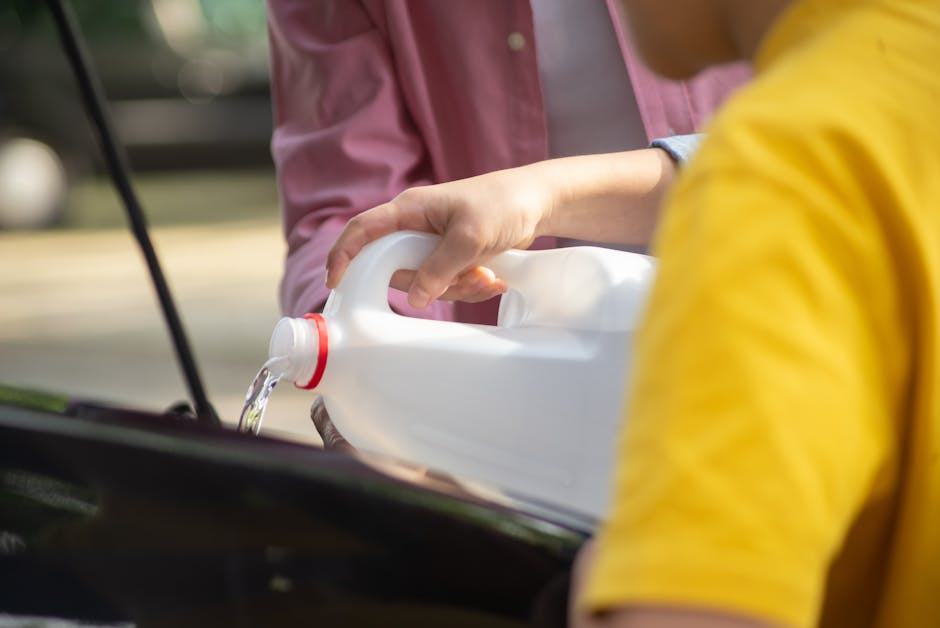
Regularly maintaining your BMW’s coolant is essential for optimal engine performance and longevity. The process involves checking the coolant level in the expansion tank, visually inspecting the coolant’s color and clarity, and topping up with the correct mixture as needed. BMW expansion tanks are typically translucent white with ‘MIN’ and ‘MAX’ indicators, allowing for easy monitoring. It’s important to only add coolant when the engine is cool, as opening the expansion tank on a hot engine can cause burns or damage. If the coolant appears rusty, brown, milky, or has floating particles, a full coolant flush is recommended. Topping off should always be done with a 50/50 mix of genuine BMW coolant and distilled water. Never use tap water, as minerals can cause scaling and reduce system efficiency. BMW recommends changing the coolant every 2-4 years or 30,000-50,000 miles, depending on the model and driving conditions. More frequent changes may be necessary in harsh climates or if the vehicle operates under heavy loads.
BMW Coolant Maintenance Schedule
| Task | Recommended Interval | Notes |
|---|---|---|
| Check coolant level | Every month | Check when engine is cold |
| Top off coolant | As needed | Use 50/50 mix, only if low |
| Flush and replace coolant | 2-4 years or 30,000-50,000 miles | Follow owner’s manual |
| Inspect for leaks | Every oil change | Check hoses, radiator, water pump |
Checklist for Maintaining BMW Coolant System
- Ensure engine is cold before opening expansion tank
- Check coolant level at least once per month
- Inspect coolant color and clarity for contamination
- Use only BMW G48-spec coolant and distilled water
- Schedule full coolant flush every 2-4 years
Signs of Coolant Problems in BMWs and Preventive Tips
BMW cooling systems are engineered for long-term reliability, but improper coolant use or neglect can cause serious issues. Common warning signs include coolant warning lights on the dashboard, overheating, visible coolant leaks under the vehicle, and sweet-smelling steam from the engine bay. If you notice a rapid drop in coolant level, this may indicate a leak in the radiator, water pump, hoses, or expansion tank. Preventive maintenance is key. Always use the recommended coolant, and never mix different types. Periodically check for dried coolant residue around hose clamps, the expansion tank, and under the engine. Replace any worn or brittle hoses, and listen for unusual noises from the water pump or radiator fan. If your BMW overheats or displays a coolant warning, stop driving immediately to avoid engine damage.
Early Warning Signs of BMW Coolant Issues
- Coolant level warning or temperature light on dashboard
- Engine temperature rising above normal range
- White, sweet-smelling steam from under hood
- Visible coolant leaks or puddles under car
- Rusty, sludgy, or milky coolant in expansion tank
Frequently Asked Questions About BMW Coolant
BMW coolant requirements often cause confusion, especially for new owners or those used to other car brands. Here are answers to the most common questions about BMW antifreeze and cooling systems.
Frequently Asked Questions
Can I use any coolant in my BMW?
No, BMW requires a specific coolant formula (G48 or equivalent) due to the unique materials in its engine and cooling system. Using the wrong coolant can cause corrosion, leaks, and system failure.
What is the recommended mixing ratio for BMW coolant?
BMW recommends a 50/50 mix of genuine BMW coolant and distilled water. This provides optimal protection against freezing, overheating, and corrosion.
How often should I change my BMW’s coolant?
BMW typically recommends changing coolant every 2-4 years or every 30,000-50,000 miles, depending on model and usage. Always consult your owner’s manual for specifics.
What happens if I mix BMW coolant with another type?
Mixing different types of coolant can cause chemical reactions that produce sludge, reduce cooling efficiency, and increase corrosion risk. Always flush the system before switching to a different coolant type.
Are aftermarket coolants safe for BMWs?
Some aftermarket brands make G48-spec coolants that are compatible with BMW systems. Always verify that the product is nitrite-, phosphate-, and amine-free and specifically states BMW compatibility.
Conclusion
For BMW owners, using the correct coolant is not just a matter of preference—it’s essential for preserving the health and performance of your engine. BMW’s proprietary G48 coolant formula is engineered to match the precise requirements of its aluminum engines and advanced cooling systems. Deviating from this recommendation can result in corrosion, overheating, or even catastrophic engine damage over time. While some high-quality aftermarket alternatives exist, always ensure they match the G48 specification before adding them to your BMW. Regularly check your coolant level, inspect for leaks or contamination, and stick to the recommended maintenance schedule for coolant changes. By following these best practices, you’ll extend the life of your BMW’s engine and enjoy the legendary driving experience these vehicles are known for.