
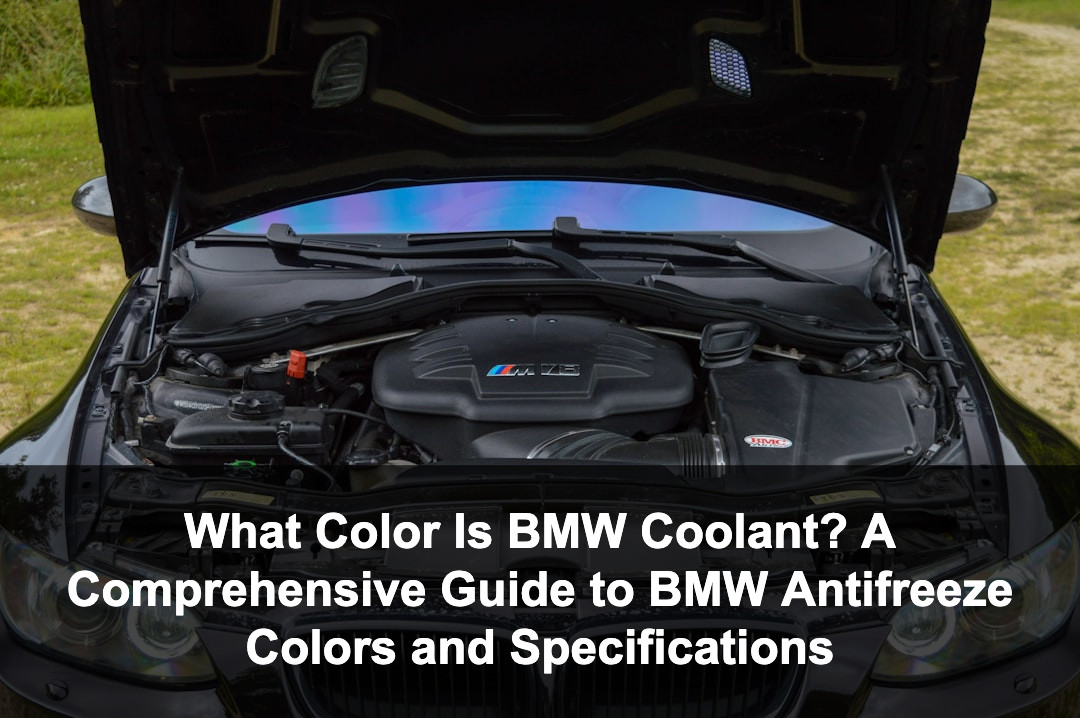
Coolant, also known as antifreeze, is a vital fluid for any vehicle, and BMWs are no exception. For BMW owners, choosing the right coolant is crucial for engine longevity and performance, as using the wrong type or color can lead to costly repairs and warranty issues. So, what color is BMW coolant? The quick answer: Genuine BMW coolant is typically blue or turquoise in color. This unique shade distinguishes it from the more common green, orange, or pink coolants used in other vehicles, and signals its specialized formula tailored for BMW engines. Understanding why BMW uses blue coolant, how it differs from other antifreeze types, and what happens if you use the wrong coolant is essential for any BMW owner or enthusiast. This article will explore the reasons behind BMW’s coolant color choice, provide a breakdown of BMW coolant specifications, guide you on how to identify and select the correct coolant, and answer the most common questions about BMW antifreeze. Whether you’re topping up your coolant or performing a full flush, knowing exactly what to use can save you from potential engine damage and help your BMW perform at its best.
Important Facts About BMW Coolant
Understanding BMW Coolant Color: Why Blue?
BMW’s signature coolant color—blue or turquoise—is more than just an aesthetic choice. The color serves as a quick identifier for technicians and owners, distinguishing genuine BMW coolant from other types that might look similar but have different chemical compositions. Most aftermarket or universal coolants are green, orange, yellow, red, or pink, each corresponding to differing coolant technologies and additives. The blue color in BMW coolant corresponds to its special formulation, which is optimized for BMW’s aluminum engine blocks and complex cooling systems. This formula is a Hybrid Organic Acid Technology (HOAT), free of phosphates and nitrites, which helps prevent scale buildup, corrosion, and electrolysis in European vehicles. Using the correct blue BMW coolant helps protect the engine and cooling system from premature wear and ensures compatibility with BMW’s rubber seals, gaskets, and plastic components. It’s worth noting that while BMW coolant has been blue for many years, some newer BMW models and their corresponding coolants may appear slightly more turquoise or greenish-blue. However, if you see a green, orange, or pink coolant in a BMW, it’s likely not genuine and could lead to chemical incompatibility.
Coolant Color Comparison: BMW vs. Other Brands
| Manufacturer | Coolant Color | Technology/Additives |
|---|---|---|
| BMW (Genuine/OEM) | Blue/Turquoise | HOAT, phosphate-free, nitrite-free |
| Toyota (Pink/Red) | Pink/Red | OAT, silicate-free |
| GM (Dex-Cool) | Orange | OAT, silicate-free, phosphate-free |
| Volkswagen/Audi | Purple/Pink | HOAT, phosphate-free |
| Ford (Motorcraft) | Yellow/Gold | HOAT, silicate-free |
Pros and Cons of Using Genuine BMW Blue Coolant
✅ Pros
- Ensures compatibility with BMW engine materials
- Optimized for European cooling system requirements
- Reduces risk of corrosion and scale buildup
- Maintains warranty compliance
❌ Cons
- More expensive than universal coolants
- May be harder to find at non-BMW retailers
BMW Coolant Specifications and Formulas
BMW coolant, also known as BMW Antifreeze/Coolant or BMW Coolant Antifreeze, is formulated to meet the unique requirements of BMW engines. The most widely used genuine BMW coolant is labeled as BMW Coolant Antifreeze (part number 82-14-2-209-769 for the blue formula). This coolant is concentrated and must be mixed 50/50 with distilled water before use. BMW’s coolant is a Hybrid Organic Acid Technology (HOAT) coolant. Unlike older Inorganic Acid Technology (IAT, typically green), or Organic Acid Technology (OAT, often orange or pink), BMW’s HOAT coolant uses a precise blend of organic acids and corrosion inhibitors that are phosphate- and nitrite-free. This is crucial for preventing mineral deposits and corrosion, especially in vehicles with aluminum radiators and engine blocks. Some newer models, especially those produced after 2018, may use a slightly updated formula, but the color remains within the blue/turquoise spectrum. Always consult your owner’s manual or check the coolant reservoir cap for the recommended specification. Mixing other coolants or using the wrong ratio can cause chemical reactions, gel formation, or cooling system failure.
BMW Coolant Specification Overview
| Specification | Details | Notes |
|---|---|---|
| BMW Part Number | 82-14-2-209-769 | Standard blue coolant |
| Coolant Type | HOAT, phosphate/nitrite-free | Meets BMW/MINI standards |
| Mix Ratio | 50% coolant, 50% distilled water | Do not use tap water |
| Service Interval | 2-4 years | Refer to owner’s manual |
Checklist for Selecting the Right BMW Coolant
- Check your owner’s manual for the correct BMW coolant specification
- Look for blue or turquoise color when purchasing coolant
- Ensure the label states phosphate- and nitrite-free
- Only mix with distilled water to prevent mineral buildup
- Never mix different coolant colors or types
How to Identify and Replace BMW Coolant
Identifying BMW coolant is straightforward if you know what to look for. Genuine BMW coolant bottles are typically labeled with the BMW logo, the part number (such as 82-14-2-209-769), and a clear blue or turquoise fluid visible through the container. If you are checking the engine bay, the coolant reservoir should also show blue or turquoise liquid inside. When replacing BMW coolant, always start with a cool engine and use only BMW-approved coolant mixed with distilled water at a 50/50 ratio. Draining and refilling the system ensures old, potentially contaminated coolant is removed. If you are unsure about the previous coolant used, a full system flush is recommended to avoid mixing incompatible formulas. Be sure to properly bleed the cooling system of air pockets after refilling. Air trapped in the system can lead to overheating and engine damage. Many newer BMWs have an electronic water pump and a specific bleeding procedure, often outlined in the owner’s manual. If you are uncomfortable with DIY coolant replacement, a professional service is recommended to ensure proper maintenance and system protection.
Steps for Checking and Replacing BMW Coolant
- Allow the engine to fully cool before opening the coolant reservoir
- Visually inspect coolant color in the reservoir (should be blue/turquoise)
- Check coolant level against the indicator marks
- If replacing, drain old coolant from the radiator and engine block
- Flush system with distilled water if needed
- Refill with 50/50 mix of BMW coolant and distilled water
- Bleed the system of air according to BMW procedure
- Check for leaks and monitor coolant level after first drive
Consequences of Using the Wrong Coolant in Your BMW
Using a coolant that is not specified for BMW vehicles can have serious negative consequences. BMW engines and cooling systems are engineered with materials and tolerances that require specific corrosion inhibitors and chemical properties found in genuine BMW coolant. Introducing a non-BMW coolant, especially those that are green, orange, or pink, can result in chemical incompatibility. Mixing different coolant types can trigger a chemical reaction, leading to gel or sludge formation inside the cooling system. This can clog radiator passages, heater cores, or even the water pump, resulting in overheating or catastrophic engine failure. Furthermore, some coolants contain silicates, phosphates, or amines, which may react with BMW’s aluminum components and rubber seals, leading to corrosion, leaks, and expensive repairs. In addition to mechanical risks, using the wrong coolant can void your BMW’s warranty if detected by a dealership during service. Always use only BMW-approved blue or turquoise coolant, and avoid universal or generic brands unless they specifically state BMW compatibility and meet the correct specification.
Pros and Cons of Using Non-Genuine Coolant in BMW
✅ Pros
- Potentially lower cost
- Wider availability at auto parts stores
❌ Cons
- High risk of chemical incompatibility
- Possible engine overheating and damage
- May void factory warranty
- Potential for leaks and corrosion
Tips for Maintaining Your BMW Cooling System
Proper maintenance of your BMW’s cooling system ensures long-lasting engine health and optimal performance. Always check coolant levels regularly, especially before long trips or during seasonal changes. Top off only with genuine BMW blue coolant and distilled water. Replace coolant at the recommended interval (every 2 to 4 years, depending on model and conditions) to prevent the breakdown of corrosion inhibitors and accumulation of contaminants. Inspect hoses, radiator, and water pump for leaks or signs of wear during every oil change. Address coolant warning lights or temperature gauge issues immediately, as BMWs can be sensitive to overheating. If you notice any coolant color other than blue or turquoise in your reservoir, have the system checked by a qualified technician. If you perform your own maintenance, always dispose of old coolant responsibly, as it is toxic to humans and pets. Many auto parts stores offer recycling programs for used coolant.
Frequently Asked Questions
Can I use green, orange, or pink coolant in my BMW?
No, you should not use green, orange, or pink coolant in your BMW. Only use blue or turquoise coolant that is specifically formulated for BMW vehicles, as other types may contain incompatible additives and can cause damage to the cooling system.
What happens if I mix different coolant colors in my BMW?
Mixing different coolant colors or types can cause chemical reactions that result in sludge or gel formation, which may clog your radiator, heater core, or water pump. This can lead to overheating and severe engine damage.
How often should I change the coolant in my BMW?
BMW generally recommends replacing coolant every 2 to 4 years, depending on your model and driving conditions. Refer to your owner’s manual for the exact interval.
Is distilled water necessary for mixing with BMW coolant?
Yes, always use distilled water when mixing BMW coolant. Tap water contains minerals and impurities that can cause scale buildup and reduce the effectiveness of the coolant.
Where can I buy genuine BMW blue coolant?
Genuine BMW blue coolant can be purchased from BMW dealerships, authorized service centers, or reputable online retailers. Ensure the product has the correct BMW part number and blue/turquoise color.
Conclusion
The color of BMW coolant is a direct reflection of its specialized engineering—genuine BMW coolant is blue or turquoise, designed to meet the strict requirements of BMW engines and cooling systems. Using the correct coolant color and formula is essential for protecting your engine from corrosion, scale buildup, and overheating. Avoid the risks of mixing or using non-approved coolants, as the consequences can be severe and costly. By sticking to BMW’s recommended blue coolant and following proper maintenance procedures, you’ll ensure your BMW runs smoothly, efficiently, and reliably for years to come. Always consult your owner’s manual, use only distilled water, and when in doubt, seek advice from a certified BMW technician to keep your vehicle in peak condition.