

BMW vehicles are renowned for their precision engineering and rich heritage, but enthusiasts and owners often encounter a common question: “What chassis is my BMW?” Knowing your BMW’s chassis code is crucial for understanding its platform, compatibility with parts, service requirements, and even its place in BMW’s storied history. Quick answer: You can identify your BMW’s chassis code (such as E46, F30, or G20) by checking the Vehicle Identification Number (VIN), the sticker inside the driver’s door jamb, or referencing your model year and body style. The chassis code is a shorthand used by BMW and enthusiasts alike to denote the specific platform generation of your car. This article will delve into what a chassis code is, why it matters, how to find it, and how it relates to different models and generations. Whether you’re a first-time BMW owner or a seasoned aficionado, understanding your chassis code is the first step toward unlocking the full potential of your Ultimate Driving Machine.
Important Facts About BMW Chassis Codes
Understanding BMW Chassis Codes: E, F, and G Series Explained

BMW assigns a unique chassis code to each platform generation, allowing quick identification of a car’s architecture. Traditionally, these codes begin with a letter—E (Entwicklung, meaning ‘development’ in German), then F, and now G—followed by a number. For example, the BMW E90 refers to the 3 Series sedan produced from 2005-2012, while the F30 designates the sixth-generation 3 Series sedan (2012-2018). Knowing the chassis code is more than trivia. It informs which parts are compatible, what maintenance intervals to follow, and even gives insight into the car’s technological features. For instance, the E36 3 Series (1992-1999) features different suspension components than the E46 (1999-2006), even though both are 3 Series models. Understanding the distinctions between E, F, and G series helps owners and buyers contextualize their BMWs in terms of age, technology, and aftermarket support. E series cars are typically from the early 1980s up to the late 2000s, F series cover most of the 2010s, and G series represent the latest generation, beginning in the late 2010s.
Comparison of BMW Chassis Series
| Series Prefix | Production Years | Notable Models |
|---|---|---|
| E Series | 1982-2013 | E30 (3 Series), E39 (5 Series), E46 (3 Series) |
| F Series | 2008-2019 | F30 (3 Series), F10 (5 Series), F80 (M3) |
| G Series | 2016-present | G20 (3 Series), G30 (5 Series), G80 (M3) |
Pros and Cons of Chassis Code Generations
✅ Pros
- Easy identification of compatible parts
- Helps determine vehicle age and technology level
❌ Cons
- Chassis codes can be confusing for new owners
- Some rare codes may be hard to find information on
How to Find Your BMW Chassis Code: Locations and Methods
The most reliable way to identify your BMW’s chassis code is by referencing the Vehicle Identification Number (VIN), a unique 17-character code assigned to every car. The VIN is typically found on the driver’s side dashboard (visible through the windshield), on a sticker inside the driver’s door jamb, and in registration documents. Within the VIN, the 4th to 7th characters often correspond to the model and chassis code, though BMW also lists the chassis designation on the VIN sticker or production plate. Alternatively, you can enter your VIN on reputable BMW parts websites or official BMW VIN decoders, which will display your chassis code alongside other vehicle details. If you don’t have access to the VIN, refer to the owner’s manual, look for a sticker in the engine bay, or consult BMW’s official documentation. Matching your model year and body style to published chassis code lists is another effective method, especially for older vehicles.
Common Places to Find Your BMW Chassis Code
| Location | Description | Typical Chassis Code Info |
|---|---|---|
| Dashboard (VIN plate) | Visible through windshield on driver’s side | Model/type, VIN, sometimes chassis code |
| Driver’s door jamb sticker | Inside edge of the door or B-pillar | VIN, model, production date, chassis info |
| Engine bay plate | On firewall or strut tower | Chassis, model, paint code |
| Owner’s manual | Booklet in glovebox | Model description, sometimes chassis code |
Steps to Find Your BMW Chassis Code
- Locate the VIN on your dashboard or door jamb
- Enter the VIN into a BMW VIN decoder online
- Check the owner’s manual or engine bay plate
- Cross-reference your model year and body style with official chassis code lists
Popular BMW Chassis Codes by Model and Generation

BMW’s chassis code system covers a wide range of models, from sedans to coupes, convertibles, and SUVs. Each major model line (3 Series, 5 Series, etc.) follows distinct chassis codes for each generation. For example, the 3 Series has progressed through E21, E30, E36, E46, E90, F30, and most recently, G20. This system extends to performance variants (like the M3 or M5), which often have their own unique codes. For instance, the F80 refers specifically to the 2014-2018 M3 sedan, while the standard F30 covers the non-M 3 Series sedan of the same era. The X Series SUVs (like the X3 and X5) also use their own codes, such as E83 (first-generation X3) and F15 (third-generation X5). Understanding which chassis code your car falls under is essential for sourcing parts, planning modifications, or researching common issues for your specific BMW.
Notable BMW Chassis Codes by Model
| Model | Chassis Code(s) | Production Years |
|---|---|---|
| 3 Series | E46, E90, F30, G20 | 1999-2006, 2005-2012, 2012-2018, 2019-present |
| 5 Series | E39, E60, F10, G30 | 1996-2003, 2003-2010, 2010-2017, 2017-present |
| M3 | E46, E92, F80, G80 | 2000-2006, 2007-2013, 2014-2018, 2020-present |
| X5 | E53, E70, F15, G05 | 1999-2006, 2006-2013, 2013-2018, 2019-present |
Why Your BMW Chassis Code Matters: Parts, Repairs, and Value
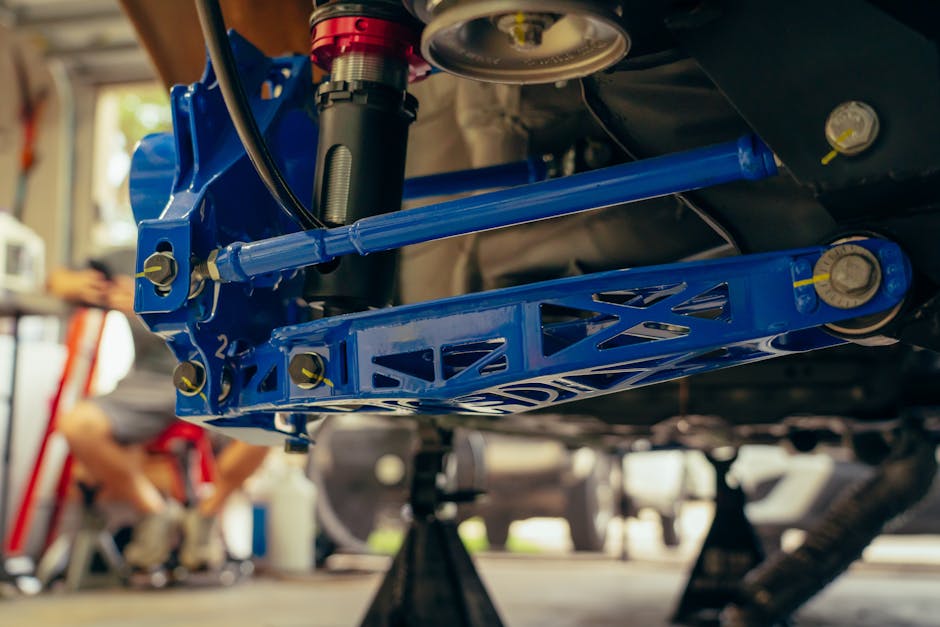
Knowing your BMW’s chassis code is more than just an enthusiast’s curiosity—it’s vital for practical reasons. Chassis codes directly impact which replacement parts will fit your vehicle, as even small differences between generations can lead to incompatibility. For example, brake calipers, suspension components, and even interior trim can vary widely between, say, an E46 and an E90. Mechanics and dealerships frequently ask for the chassis code to ensure correct diagnosis and repair procedures. The code is also useful when searching for technical documentation, service bulletins, or recalls. If you’re looking to upgrade or modify your BMW, the chassis code helps identify aftermarket parts designed for your specific platform. Resale value and collectibility are also tied to chassis codes. Some platforms, like the E30 or E46 M3, have achieved iconic status and command higher prices on the used market. Understanding your chassis code can thus inform both maintenance and investment decisions.
Pros and Cons of Knowing Your Chassis Code
✅ Pros
- Ensures correct part compatibility
- Simplifies communication with mechanics and suppliers
- Aids in researching common issues for your model
❌ Cons
- Some codes cover multiple body styles, which can be confusing
- Older or rare codes may have limited resources online
Chassis Code Evolution: How BMW’s System Has Changed Over Time
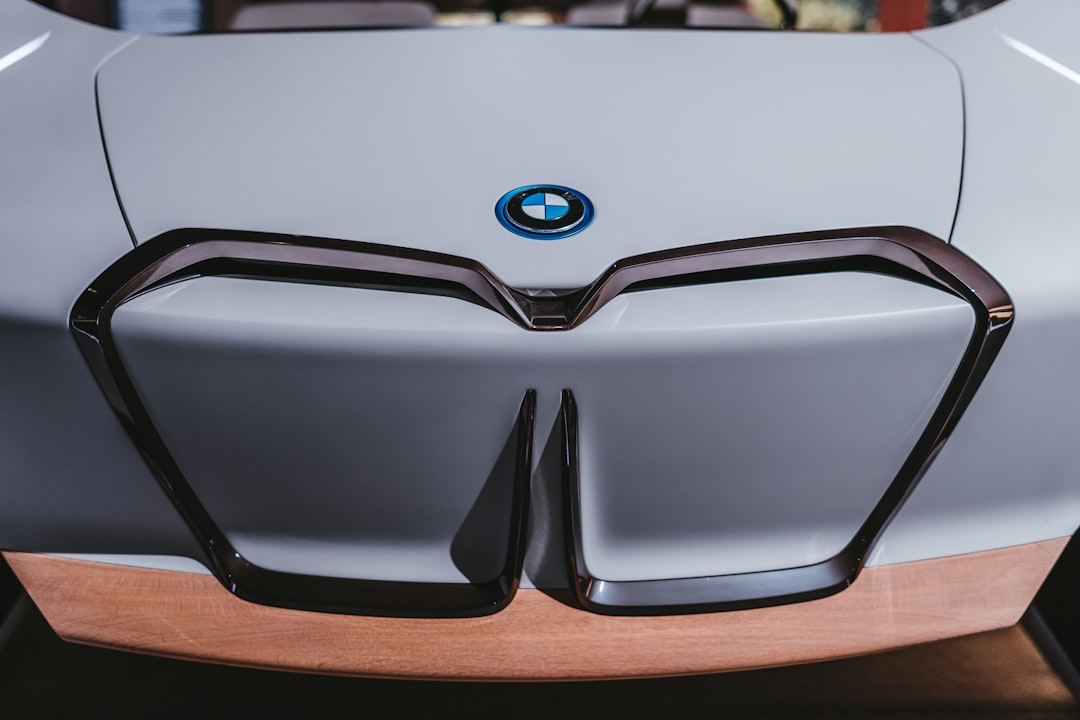
BMW’s chassis code system has evolved in tandem with advances in automotive engineering and manufacturing. Initially, the ‘E’ codes were simple and sequential, but as BMW expanded its lineup to include more models, body styles, and performance variants, the system became more nuanced. The transition from E to F series in the late 2000s marked a leap in platform modularity and technology, with F series cars often featuring turbocharged engines, advanced electronics, and improved safety systems. The G series introduced even greater modularity, lightweight materials, and electrification options, reflecting BMW’s commitment to innovation. In recent years, the chassis code system has also extended to electric models (such as the i3 and i4), which carry unique codes like I01 and G26. This evolution underscores BMW’s adaptability and forward-thinking approach. Owners should note that newer chassis codes may indicate access to more advanced features, but can also mean higher parts costs or more complex repairs.
BMW Chassis Code Prefixes and Their Eras
| Prefix | Era | Example Model |
|---|---|---|
| E | 1982-2013 | E36 (3 Series) |
| F | 2008-2019 | F10 (5 Series) |
| G | 2016-present | G30 (5 Series) |
| I | 2013-present | I01 (i3 Electric) |
Frequently Asked Questions
Where can I find my BMW chassis code quickly?
The quickest way is to look for the VIN plate on your dashboard (visible through the windshield) or the sticker inside the driver’s door jamb. Enter the VIN into a BMW VIN decoder online, and your chassis code will be displayed.
Can two identical-looking BMWs have different chassis codes?
Yes, two BMWs with similar appearances can have different chassis codes if they are from different generations or body styles. For example, an E90 3 Series sedan and an E92 3 Series coupe look similar but have different chassis codes.
Does the chassis code affect insurance rates or registration?
While most insurance companies and DMVs use the VIN and model name, some parts of the chassis code may influence repair costs or valuation, especially for rare or performance models.
Are BMW M models assigned unique chassis codes?
Yes, many M models have their own chassis codes to distinguish them from standard versions. For example, the F80 is the M3 sedan, while the F30 is the regular 3 Series sedan of the same generation.
What does the letter prefix in BMW chassis codes stand for?
The letter prefixes signify platform generations. ‘E’ stands for Entwicklung (development), followed by F and G series for subsequent generations. The ‘I’ prefix is reserved for electric and hybrid models.
Conclusion
Identifying your BMW’s chassis code is an essential skill for any owner, enthusiast, or prospective buyer. It unlocks a wealth of information about your vehicle’s engineering, compatibility, and value. Whether you’re sourcing parts, scheduling repairs, or exploring the car’s heritage, knowing your chassis code ensures you make informed decisions and maximize your BMW experience. The BMW chassis code system, though initially daunting, becomes intuitive with a bit of practice and reference. From classic E series icons to the latest G series innovations, each chassis code represents a chapter in BMW’s ongoing story of performance and luxury. By taking the time to locate and understand your BMW’s chassis code, you not only simplify maintenance and upgrades but also become part of a global community of passionate BMW drivers and collectors.