
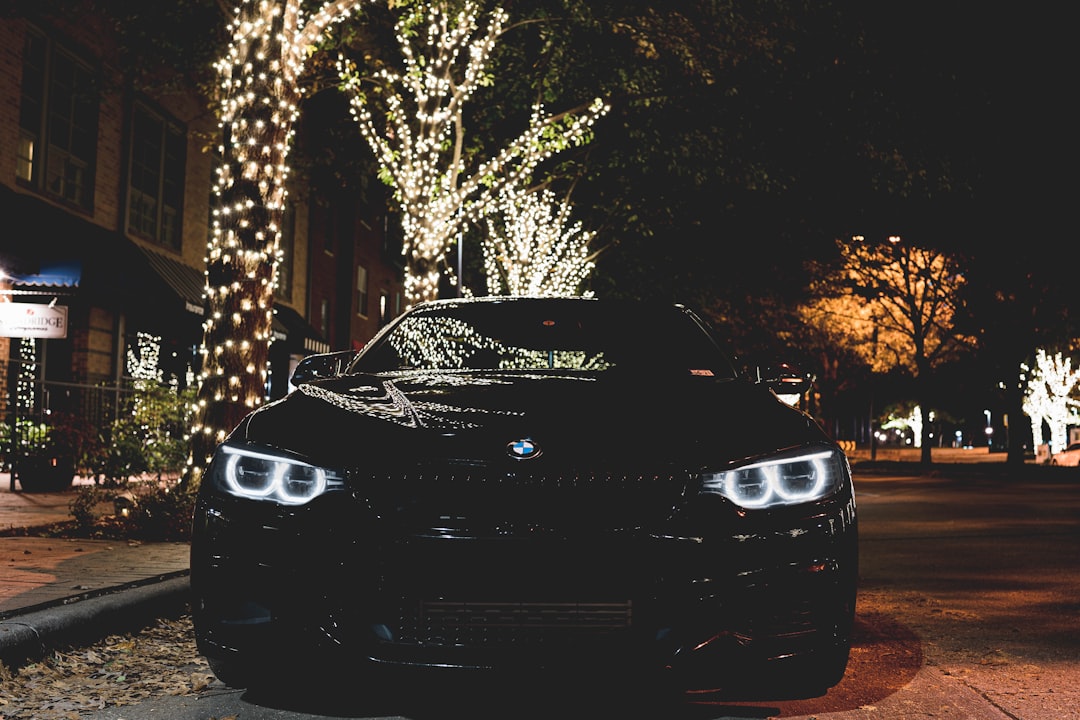
BMW Angel Eyes are a distinctive lighting feature found in many BMW vehicles, characterized by circular or semi-circular rings of light around the headlights. These illuminated rings serve both as daytime running lights and as a signature design element that makes BMWs instantly recognizable. In short, BMW Angel Eyes are halo-style LED or fiber optic rings integrated into the headlight assembly, designed to enhance both aesthetics and visibility. First introduced in the early 2000s, BMW Angel Eyes have evolved from simple incandescent rings to advanced LED and laser-based lighting systems. Their unique appearance is not only a status symbol for the brand but also a functional upgrade, offering improved road presence and safety. This article explores the history, technology, types, benefits, and customization options of BMW Angel Eyes, as well as answers to frequently asked questions.
Key Statistics on BMW Angel Eyes
Origins and Evolution of BMW Angel Eyes
The concept of Angel Eyes originated with the facelifted BMW E39 5 Series in 2001, when designers sought to create a unique and modern look that set BMW apart from competitors. The initial implementation used fiber optic rings illuminated by small halogen bulbs, producing a soft, glowing effect around each headlight. Over the years, technological advancements improved both the appearance and performance of Angel Eyes. As halogen and fiber optic systems gave way to LED technology, the rings became brighter, more energy-efficient, and offered a purer white or blue-tinged light. This transition also allowed for more precise shapes and uniform illumination, making the design even more striking. Today, BMW even incorporates laser-based elements in some high-end models, pushing the boundaries of automotive lighting. Angel Eyes have become a defining design trait for BMW, influencing not only the brand’s identity but also inspiring similar features in other automotive marques. Their popularity has led to widespread retrofitting and aftermarket options, allowing owners of older BMWs or other car brands to adopt this iconic look.
Evolution of BMW Angel Eyes Technology
| Generation | Light Source | Appearance |
|---|---|---|
| First (2001-2006) | Halogen/Fiber Optic | Warm, diffused glow |
| Second (2007-2011) | Early LED | Brighter, whiter rings |
| Current (2012-present) | Advanced LED/Laser | Sharp, uniform, customizable colors |
How Do BMW Angel Eyes Work?
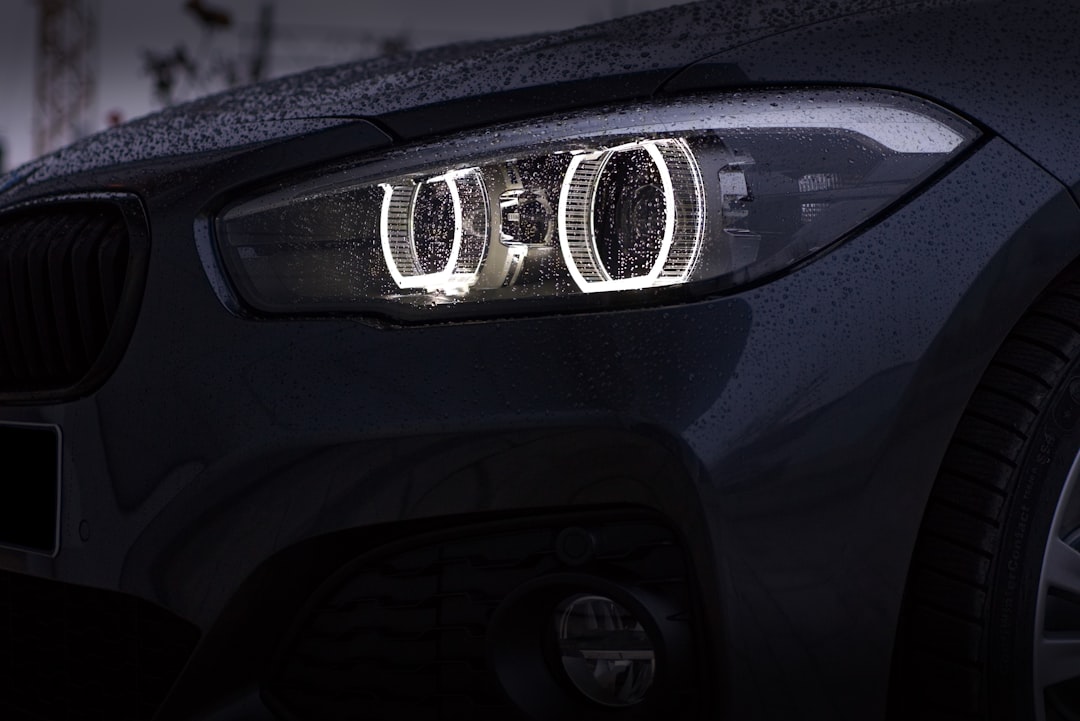
BMW Angel Eyes function as illuminated rings encircling the vehicle’s main headlights. The earliest versions used fiber optics: a small bulb would transmit light through a clear plastic ring, which then diffused the light to create a glowing effect. This technology, while innovative at the time, had limitations in terms of brightness and color consistency. Modern Angel Eyes use high-intensity LEDs mounted strategically around the headlight assembly. LEDs provide a more uniform and vivid ring, with improved durability and energy efficiency. Some recent BMW models even integrate the rings as part of the vehicle’s daytime running lights (DRLs), making them active whenever the car is in operation. In high-end models, laser technology is now being used for enhanced brightness and visual impact. The integration of Angel Eyes into the headlight assembly involves precise engineering to avoid glare and ensure compliance with road safety standards. The rings are typically controlled via the car’s lighting system, allowing them to change brightness or color depending on the selected lighting mode (parking, low beam, high beam, etc.).
Comparison of Angel Eyes Light Sources
| Type | Brightness | Color Temperature |
|---|---|---|
| Halogen/Fiber Optic | Low-Medium | Yellowish (3200K) |
| Early LED | Medium-High | White (5000K) |
| Advanced LED/Laser | High | Pure White/Blue (6000K+) |
Types and Applications of BMW Angel Eyes
BMW Angel Eyes have evolved into various forms, each tailored to specific vehicle models and generations. The classic design features two circular rings per headlight—one for the low beam and another for the high beam. In some models, the rings are semi-circular or have a distinct ‘U’ or ‘C’ shape, reflecting changes in headlight architecture and brand styling. Angel Eyes serve both functional and aesthetic purposes. Functionally, they act as daytime running lights, improving vehicle visibility to other drivers. Aesthetically, they contribute to BMW’s premium, futuristic look. The rings are usually white in color, but some aftermarket kits offer color-changing options, allowing for personalization. BMW now includes Angel Eyes as standard or optional equipment on a wide range of models, from the compact 1 Series to flagship 7 Series sedans and X Series SUVs. The design and brightness can vary depending on market regulations and model year. The aftermarket also supports a robust ecosystem for retrofitting Angel Eyes into older BMWs or even other vehicle brands.
Advantages and Disadvantages of BMW Angel Eyes
✅ Pros
- Enhances vehicle appearance and brand identity
- Improves visibility as daytime running lights
- Long-lasting and energy-efficient (with LEDs)
- Highly customizable through aftermarket options
❌ Cons
- Early versions can be dim or uneven
- Aftermarket kits may lead to electrical issues if poorly installed
- Potential legal restrictions on color in some regions
Customization and Aftermarket Options
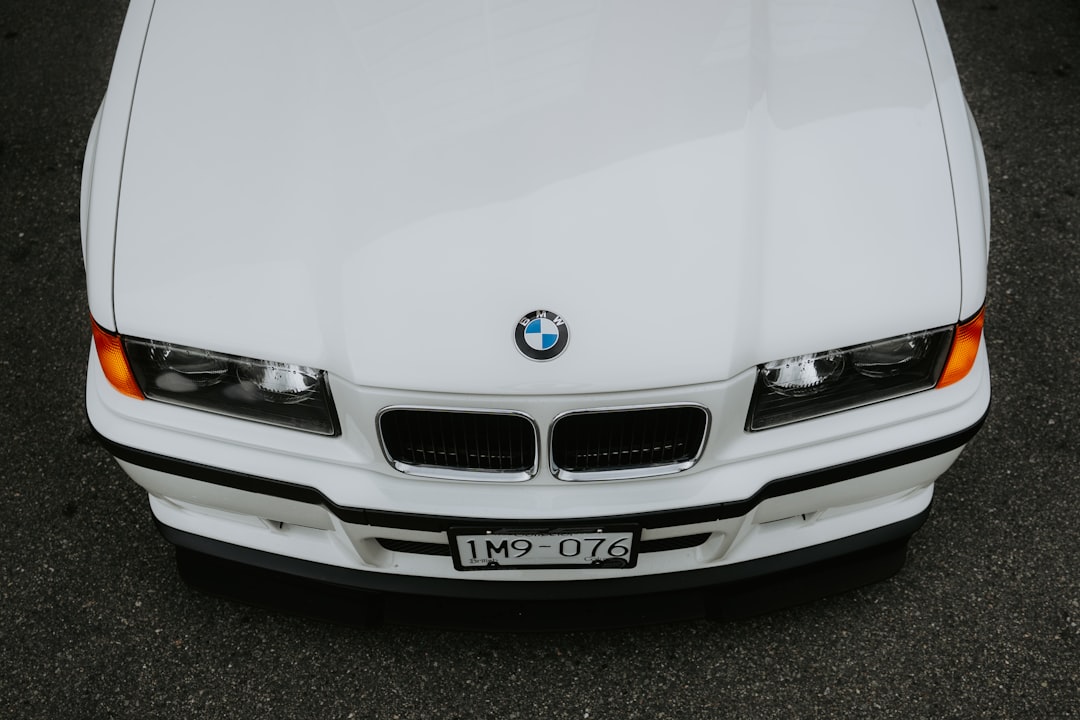
The popularity of BMW Angel Eyes has fueled a thriving aftermarket for upgrades and customizations. Owners of older BMWs often retrofit LED Angel Eyes to replace the original halogen or fiber optic rings, gaining both performance and visual appeal. Aftermarket kits range from basic LED ring replacements to advanced systems offering RGB color control, remote operation, and dynamic effects like fading or pulsing. Installation complexity varies by model. Some kits are designed for plug-and-play installation, while others require opening the headlight assembly and careful wiring to ensure reliability and safety. Quality varies significantly, so it’s essential to choose reputable brands and consider professional installation to avoid issues like water intrusion, electrical faults, or glare. Enthusiasts also use Angel Eyes to create unique looks, such as matching the rings to the car’s paint color or synchronizing them with interior lighting. However, it’s important to check local regulations regarding headlight modifications, as some colors or brightness levels may not be road legal.
Checklist for Upgrading BMW Angel Eyes
- Research compatible kits for your specific BMW model and year
- Choose between OEM-style white or customizable color LED rings
- Consider professional installation for sealed headlights
- Verify compliance with local road safety regulations
- Inspect and test after installation for proper function and no error codes
Angel Eyes and BMW’s Lighting Identity
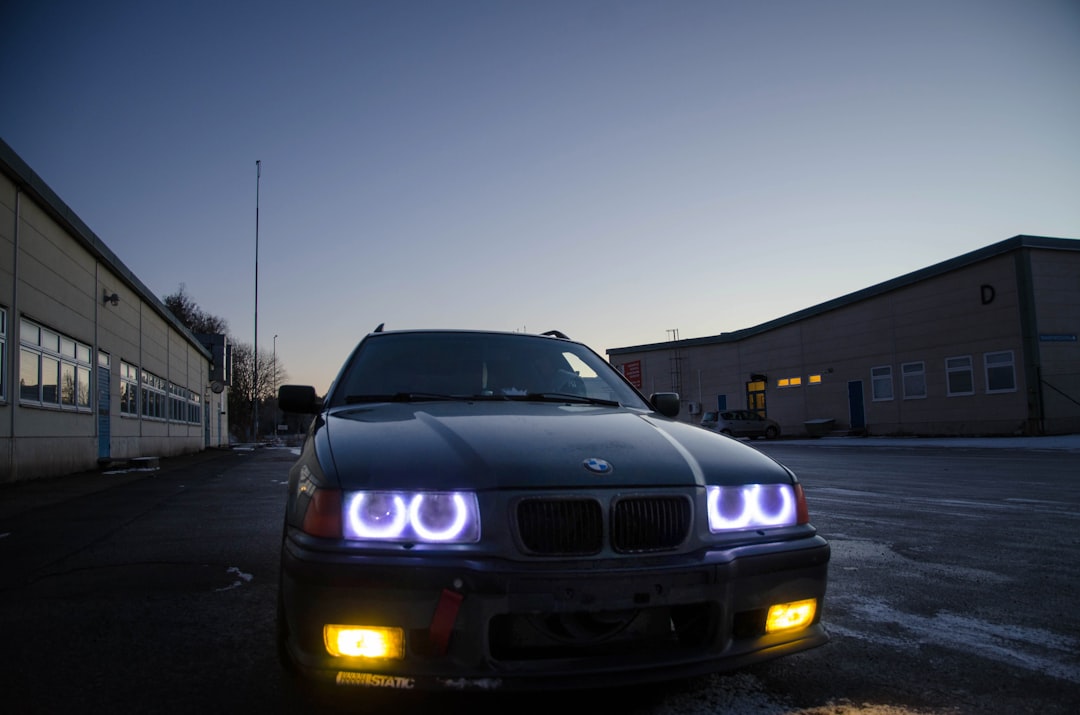
Angel Eyes have become more than just a lighting feature—they are a central part of BMW’s visual identity. Their presence signals both luxury and technological advancement, and they have played a significant role in shaping public perception of the brand. Surveys have shown that even non-enthusiasts can recognize a BMW at night based solely on the unique halo effect produced by Angel Eyes. BMW continues to innovate in automotive lighting, with recent models featuring adaptive LED and laser headlights that build on the original Angel Eyes concept. These systems offer not just improved aesthetics, but also practical benefits such as adaptive beam patterns, automatic high-beam control, and enhanced night-time visibility. As automotive design evolves, Angel Eyes remain a testament to the power of distinctive styling and functional technology. Their influence can be seen in the growing number of vehicles from other brands adopting similar halo or DRL designs, solidifying the legacy of BMW’s original innovation.
Frequently Asked Questions
Are BMW Angel Eyes and daytime running lights the same thing?
While BMW Angel Eyes often function as daytime running lights (DRLs), not all DRLs are Angel Eyes. Angel Eyes refer specifically to the circular illuminated rings around the headlights, whereas DRLs are any lights automatically activated when the car is running to improve daytime visibility.
Can I install Angel Eyes on a non-BMW vehicle?
Yes, aftermarket kits are available that allow installation of Angel Eyes on many vehicle types, not just BMWs. However, installation may be more complex and may not achieve the same seamless look as factory-fitted systems.
Are colored Angel Eyes legal?
In many regions, only white or amber lights are permitted for use on the front of vehicles. Colored Angel Eyes (such as blue, red, or green) may be restricted to off-road or show use, so it’s important to check local regulations before installing them.
Do Angel Eyes increase headlight brightness?
Angel Eyes themselves do not significantly increase headlight output for road illumination—they serve primarily as marker lights or DRLs. The main headlight bulbs are responsible for actual road lighting.
How do I replace or upgrade my BMW’s Angel Eyes?
Replacement or upgrade typically involves accessing the headlight assembly, removing the original rings or bulbs, and installing new LED rings or modules. The process varies by model and may require professional installation to avoid damaging the headlight or electrical system.
Conclusion
BMW Angel Eyes have become a hallmark of the brand, blending style, function, and innovation in automotive lighting. What began as a unique design experiment over two decades ago has grown into a global trend, influencing both BMW’s identity and the wider automotive industry. Angel Eyes not only make BMW vehicles stand out on the road but also provide practical benefits as daytime running lights and brand markers. For enthusiasts, Angel Eyes offer a world of customization options, allowing for upgrades in both performance and appearance. Whether you admire them for their technical ingenuity or their unmistakable look, there’s no denying that Angel Eyes are one of the most memorable lighting features in modern automotive history. As BMW continues to advance its lighting technologies, Angel Eyes will remain a symbol of the brand’s commitment to both safety and style.