
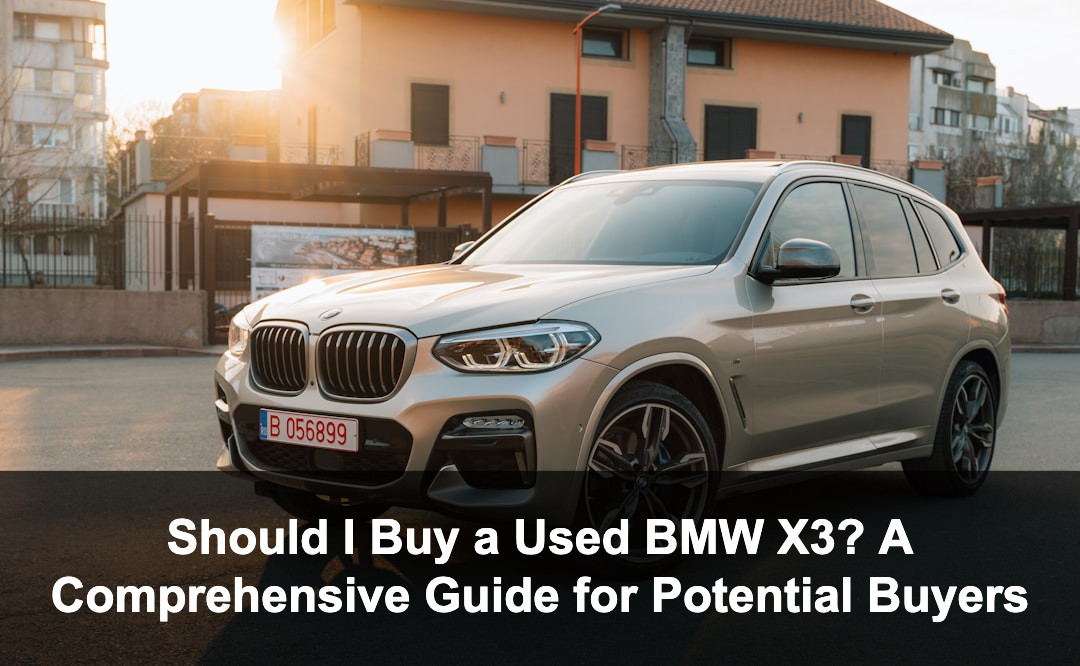
The BMW X3 is recognized as one of the most versatile luxury compact SUVs on the market, offering a blend of dynamic performance, upscale comfort, and advanced technology.
For many car enthusiasts and practical buyers alike, the prospect of owning a BMW X3 is enticing.
However, buying a used luxury vehicle can present unique challenges and considerations compared to purchasing a new or non-premium car.
With depreciation working in your favor, the used BMW X3 market offers access to premium features at a lower price point, but it also brings questions about reliability, maintenance costs, and long-term value.
In this article, we will explore the key factors you should consider before making your decision, including model year comparisons, common issues, ownership costs, and what to look for during the buying process.
By the end, you’ll be equipped with the knowledge to determine if a used BMW X3 is the right fit for your needs and budget.
Important Facts About the Used BMW X3
Understanding the BMW X3: Generations, Features, and Value
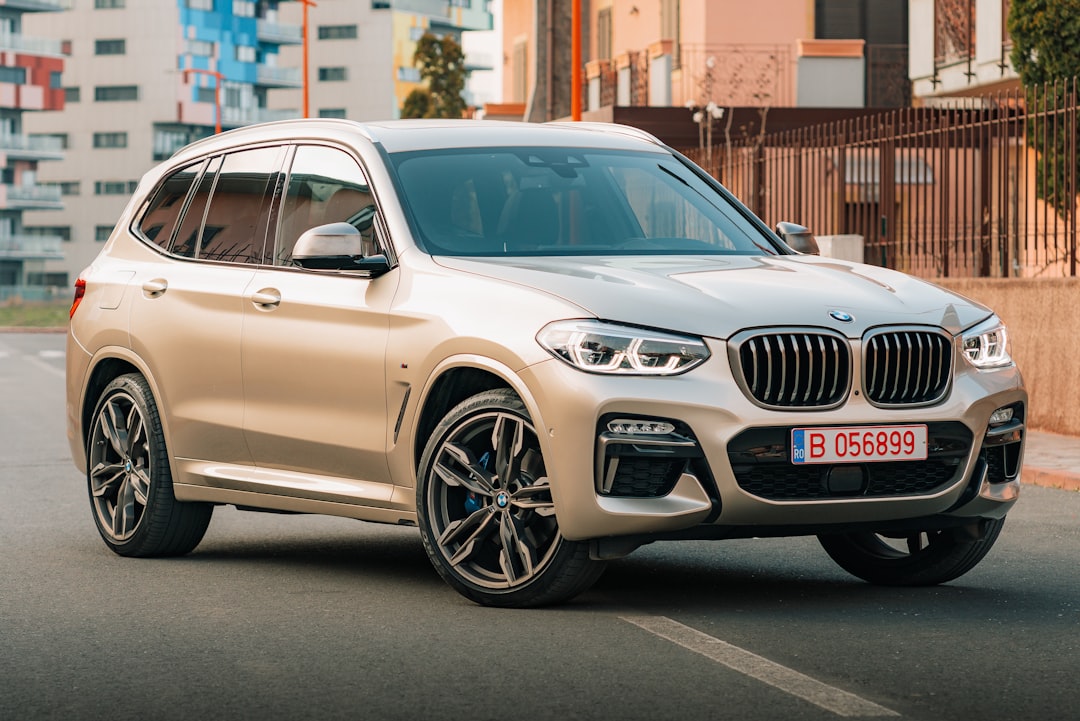
Since its debut in 2003, the BMW X3 has undergone several generational updates, each introducing improved technology, safety features, and performance enhancements.
The first-generation (E83: 2003–2010) was lauded for its sporty handling but criticized for a firmer ride and dated interior.
The second-generation (F25: 2011–2017) brought a more refined interior, updated engines, and improved comfort.
The third-generation (G01: 2018–present) introduced advanced driver aids, a modern infotainment system, and a more luxurious cabin.
When considering a used X3, understanding the differences between these generations is vital.
Later models tend to offer better fuel efficiency, updated safety features like blind-spot monitoring and adaptive cruise control, and superior interior materials.
Earlier models can be more affordable but may lack modern conveniences and have more pronounced reliability concerns.
Additionally, BMW regularly updates trim levels and option packages, so feature availability can vary greatly even within the same model year.
Choosing the right generation based on your priorities for technology, comfort, and value is a crucial first step.
BMW X3 Generations and Key Features
| Generation (Years) | Engine Options | Notable Features |
|---|---|---|
| E83 (2003–2010) | 2.5L/3.0L I6 | Basic infotainment, sporty chassis, limited driver aids |
| F25 (2011–2017) | I4/I6 Turbo | Improved interior, iDrive, optional AWD, updated safety |
| G01 (2018–present) | I4/I6 Turbo, M40i | Touchscreen, advanced driver aids, wireless Apple CarPlay |
Pros and Cons of Different X3 Generations
✅ Pros
- Later generations offer advanced technology and safety features
- Improved ride comfort and cabin quality over time
- Greater fuel efficiency in newer turbocharged engines
❌ Cons
- Older models may lack modern amenities and have dated interiors
- Some early turbo engines are prone to reliability issues
- Fewer advanced safety features in first-generation X3
Reliability and Common Issues in Used BMW X3s
Reliability is a key concern when purchasing any used luxury vehicle, and the BMW X3 is no exception.
While the X3 is generally considered more reliable than some other BMW models, it is not immune to common issues.
For the first-generation E83, owners often report problems with the transfer case, window regulators, and cooling system.
The second-generation F25 improved reliability but introduced issues such as timing chain stretch in early N20 engines (2012–2015), electronic glitches, and oil leaks.
The G01 generation is too new for widespread long-term data but has thus far shown fewer major complaints.
Across all generations, routine maintenance is critical—neglected oil changes, deferred coolant flushes, and skipped transmission services can lead to expensive repairs.
Potential buyers should also be on the lookout for malfunctioning sensors, worn suspension components, and electronic issues.
Checking for a complete service history and conducting a thorough pre-purchase inspection by a BMW specialist can help avoid costly surprises and ensure a better ownership experience.
Common BMW X3 Issues by Generation
| Generation | Typical Problems | Repair Cost Range |
|---|---|---|
| E83 (2003–2010) | Transfer case, cooling system, window regulators | $400–$2,500 |
| F25 (2011–2017) | Timing chain (N20), electronics, oil leaks | $800–$3,000 |
| G01 (2018–) | Limited data, minor electronics | $300–$1,500 |
What to Inspect Before Buying a Used BMW X3
- Review complete service records for regular maintenance
- Look for signs of oil leaks around the engine and transmission
- Test all electronics, including iDrive and infotainment
- Check for smooth shifting and odd noises during a test drive
- Have a trusted BMW mechanic perform a pre-purchase inspection
Ownership Costs: Maintenance, Insurance, and Depreciation
While buying a used BMW X3 can grant access to luxury for less, ongoing ownership costs are typically higher than mainstream brands.
Maintenance and repair costs for the X3 average over $1,000 per year, with major repairs—such as timing chain replacements or suspension work—potentially costing several thousand dollars.
Parts and labor are more expensive compared to non-luxury vehicles, and many repairs require specialized diagnostic tools and expertise.
Insurance costs are also higher due to the X3’s classification as a luxury vehicle, with annual premiums often exceeding those for similar non-premium SUVs.
However, depreciation works in your favor: a five-year-old X3 can cost less than half its original price, making it a value buy if you factor in the higher running costs.
Opting for a Certified Pre-Owned (CPO) X3 can offset some risk, as these vehicles come with extended warranties and have undergone rigorous inspections.
Budgeting for unexpected repairs, choosing a reputable independent BMW specialist, and considering extended warranties are wise steps for any used X3 owner.
Ownership Cost Comparison: BMW X3 vs.
Competitors (5-Year Average)
| Model | Average Maintenance Cost | Average Insurance Cost | 5-Year Depreciation |
|---|---|---|---|
| BMW X3 | $5,170 | $7,000 | 48% |
| Audi Q5 | $4,800 | $6,600 | 50% |
| Lexus NX | $3,600 | $5,400 | 39% |
| Acura RDX | $4,000 | $5,800 | 42% |
Pros and Cons of Used BMW X3 Ownership Costs
✅ Pros
- Significant savings over buying new due to depreciation
- Premium features at a lower upfront price
- CPO programs offer strong warranty protection
❌ Cons
- Higher maintenance and repair costs than mainstream brands
- Insurance premiums are above average for this class
- Potential for expensive out-of-warranty repairs
What to Look for When Buying a Used BMW X3
Navigating the used BMW X3 market requires attention to detail and a methodical approach.
Start by setting a realistic budget that includes not just the purchase price, but also ongoing maintenance and potential repair costs.
Prioritize vehicles with a documented service history, as regular oil changes and timely repairs are crucial for long-term reliability in any BMW.
Consider Certified Pre-Owned options for added peace of mind, or buy from reputable independent dealers with a good track record.
During your search, inspect the vehicle for signs of wear, including tire and brake condition, suspension noise, and any dashboard warning lights.
A comprehensive test drive should include highway, city, and rough road conditions to detect any drivetrain or electronic issues.
Don’t hesitate to ask for a pre-purchase inspection by a BMW-certified mechanic, as this can reveal hidden problems that may not be obvious during a test drive.
Finally, research recalls and technical service bulletins relevant to your chosen model year, and verify that all necessary updates have been performed.
Alternatives to the BMW X3: How Does It Compare?
The luxury compact SUV segment is highly competitive, offering several worthy alternatives to the BMW X3.
The Audi Q5 is a close rival, known for its refined ride, high-quality interior, and available Quattro all-wheel drive.
The Lexus NX emphasizes reliability, hybrid options, and lower long-term ownership costs, making it attractive for buyers prioritizing peace of mind.
The Acura RDX delivers strong performance, value, and a reputation for reliability.
When comparing these models, the X3 stands out for its sporty handling and driver engagement.
However, its higher maintenance costs and average reliability may be a concern for cost-conscious buyers.
Potential buyers should weigh the X3’s unique blend of luxury, performance, and brand prestige against the strengths of its competitors, considering factors such as warranty coverage, feature availability, resale value, and expected maintenance expenses.
Frequently Asked Questions
Is a used BMW X3 reliable?
The BMW X3 offers average reliability compared to other luxury SUVs.
Later model years (2017 and newer) are generally more dependable, while older models may have common issues such as oil leaks or timing chain problems.
Regular maintenance and a thorough pre-purchase inspection are essential.
Are maintenance costs high for a used BMW X3?
Yes, maintenance and repair costs for the BMW X3 are higher than those for mainstream SUVs.
Expect annual maintenance expenses to average over $1,000, with parts and labor for major repairs costing significantly more.
Extended warranties or Certified Pre-Owned options can help mitigate these costs.
What is the best model year for a used BMW X3?
The 2015–2017 F25 models strike a good balance between modern features, reliability improvements, and value for money.
The newer G01 generation (2018–present) offers the latest technology and safety features but may be priced higher.
Should I buy a Certified Pre-Owned (CPO) BMW X3?
Buying a CPO BMW X3 is a smart choice if you value warranty coverage and peace of mind.
CPO vehicles undergo rigorous inspections and come with extended warranties, which can reduce the risk of unexpected repair costs.
How does the BMW X3 compare to the Audi Q5 or Lexus NX?
The BMW X3 offers sportier handling and a more engaging driving experience.
The Audi Q5 provides a refined interior and standard all-wheel drive, while the Lexus NX is known for its reliability and lower long-term ownership costs.
Test driving each model can help determine which best suits your preferences.
Conclusion
Purchasing a used BMW X3 can be a rewarding experience, granting access to luxury, performance, and advanced features at a fraction of the new vehicle price.
However, prospective buyers should approach the process with careful research and realistic expectations regarding maintenance, reliability, and total cost of ownership.
Choosing the right model year, thoroughly inspecting the vehicle, and budgeting for repairs are crucial steps to ensuring a positive ownership experience.
For those seeking a dynamic driving experience and premium features, the X3 is a compelling choice among luxury compact SUVs.
If reliability and lower running costs are higher priorities, alternatives such as the Lexus NX or Acura RDX may be worth considering.
Ultimately, an informed, diligent approach will help you make the best decision for your needs and enjoy all that a used BMW X3 has to offer.