

The BMW X3 offers a blend of luxury, performance, and practicality, making it a popular choice among compact SUVs. A key feature that enhances its versatility is its all-wheel-drive (AWD) capability. To answer the question directly: Yes, the BMW X3 is available with all-wheel drive through BMW’s xDrive system, which is designed to improve traction and handling in various driving conditions. This article will delve deeper into the specifics of the BMW X3’s all-wheel-drive system, its benefits, comparisons with other drive systems, and much more.
Key Statistics
Understanding BMW’s xDrive System
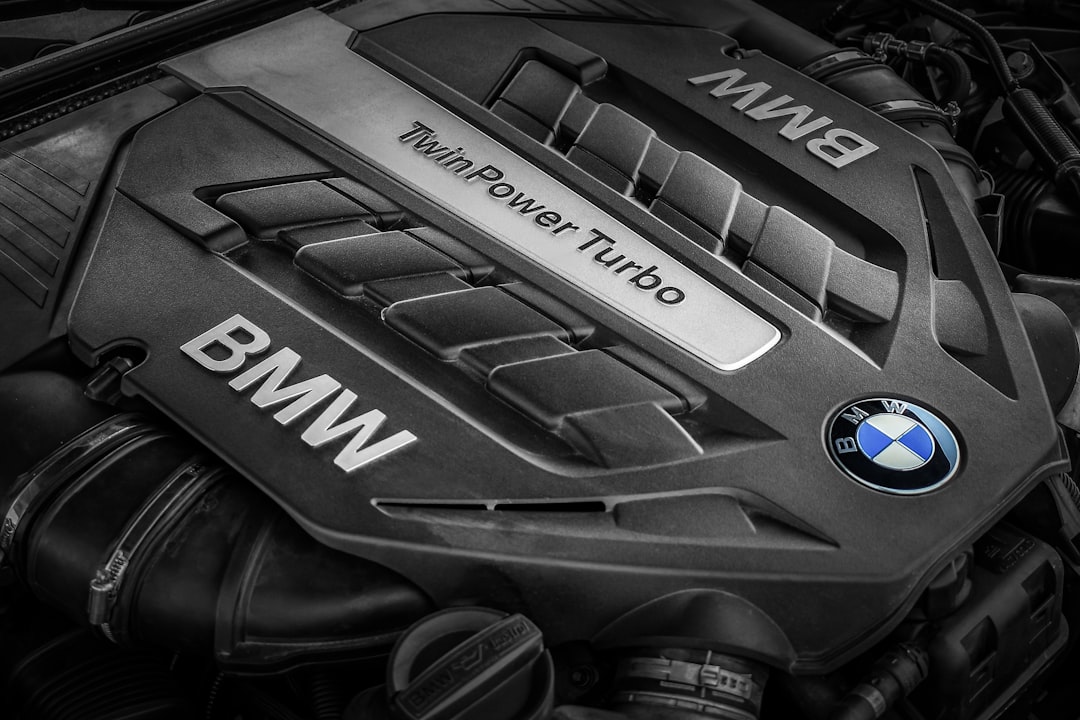
BMW’s xDrive is an intelligent all-wheel-drive system that automatically distributes power between the front and rear wheels, ensuring optimal grip and control. This system not only enhances traction on slippery surfaces but also improves handling during aggressive driving conditions. Unlike traditional four-wheel drive systems that can be rigid, the xDrive system continuously monitors driving conditions, adjusting the power distribution in real-time to maintain stability and performance. This versatility makes the BMW X3 particularly well-suited for a variety of environments, from city streets to off-road adventures. The xDrive system also contributes to the vehicle’s sporty driving dynamics, allowing for a more engaging driving experience. Overall, xDrive is a hallmark of BMW’s commitment to performance and safety, making it a crucial feature for drivers seeking a well-rounded luxury SUV.
Comparison of BMW X3 Drivetrain Options
| Model | Drivetrain | Horsepower |
|---|---|---|
| BMW X3 sDrive30i | Rear-Wheel Drive | 248 hp |
| BMW X3 xDrive30i | All-Wheel Drive | 248 hp |
| BMW X3 xDriveM40i | All-Wheel Drive | 382 hp |
Pros and Cons of BMW’s xDrive System
✅ Pros
- Enhanced traction in adverse weather conditions
- Improved handling and stability during aggressive driving
❌ Cons
- Slightly reduced fuel efficiency compared to rear-wheel drive
- Potentially higher maintenance costs associated with AWD systems
Benefits of All-Wheel Drive

The primary advantage of all-wheel drive systems like BMW’s xDrive is the increased traction they provide. This is especially beneficial in regions that experience heavy rain, snow, or off-road conditions. With all wheels receiving power, the vehicle can better navigate challenging terrains and maintain stability when cornering. Additionally, the xDrive system enhances the overall driving experience by allowing for more confident acceleration and cornering, as power is distributed where it is needed most. For drivers who value performance alongside practicality, the xDrive option in the BMW X3 makes it an appealing choice. Moreover, advanced technology such as traction control and stability systems work in conjunction with the xDrive to further improve safety and handling.
Comparing xDrive with Other Drivetrain Systems
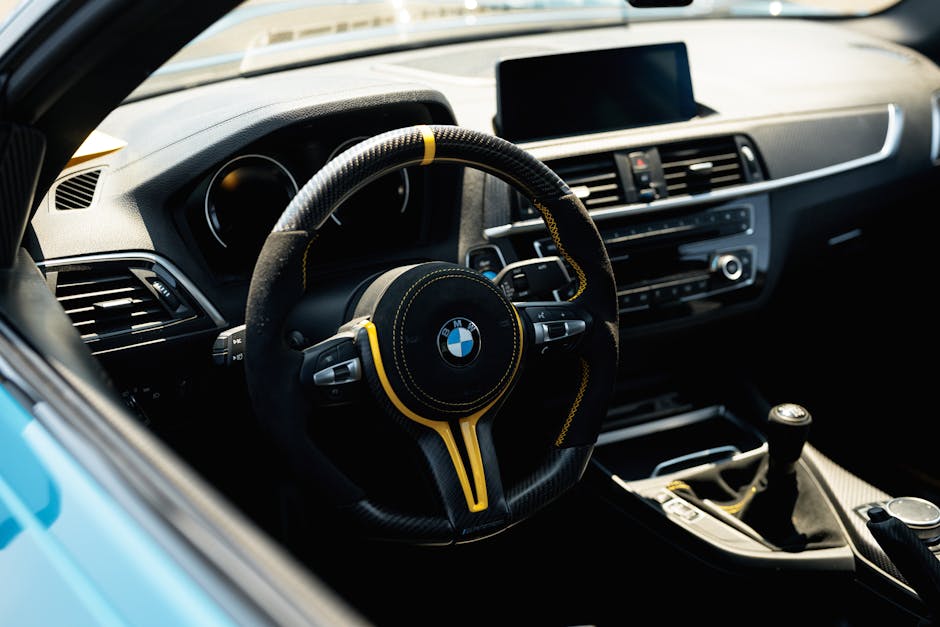
When considering the BMW X3, it is essential to compare its xDrive system with other drivetrain options available in the market. Many vehicles offer front-wheel drive (FWD) or rear-wheel drive (RWD) systems, each with its own set of advantages and disadvantages. FWD vehicles typically perform better in fuel efficiency and are often lighter, while RWD systems provide better balance and handling characteristics. However, neither FWD nor RWD can match the all-weather capability and performance of an all-wheel-drive system like xDrive. The following comparison highlights the key differences:
Common Misconceptions About All-Wheel Drive
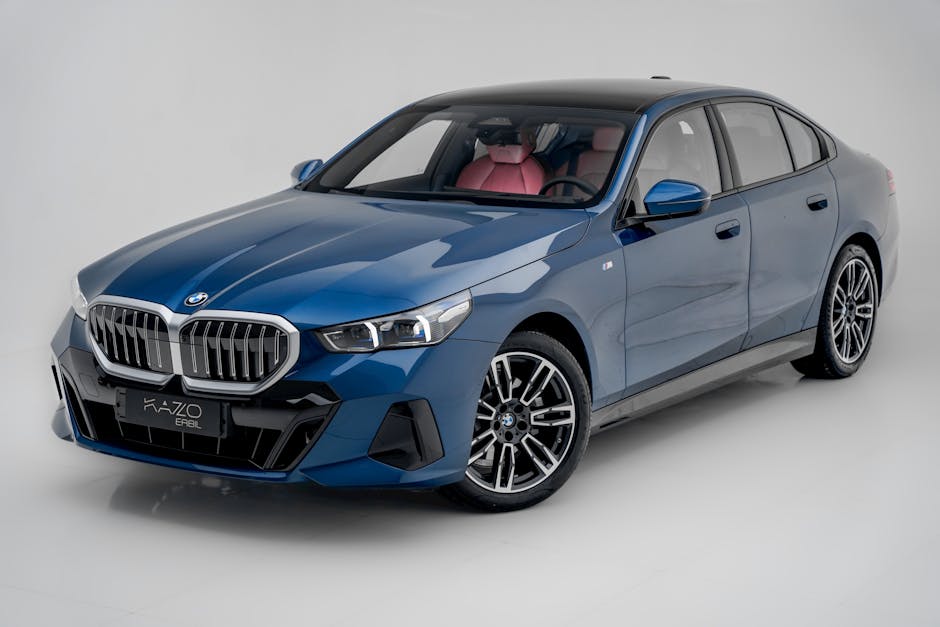
There are several misconceptions regarding all-wheel drive that can lead to confusion among potential buyers. One common myth is that all-wheel drive makes a vehicle invincible in all driving conditions. While xDrive significantly enhances traction, it does not replace safe driving practices or the need for winter tires in severe conditions. Another misconception is that all-wheel drive vehicles are always more fuel-inefficient than their two-wheel-drive counterparts. Although this is often true, advancements in technology and efficient engineering have allowed many modern AWD systems, including BMW’s xDrive, to minimize fuel consumption. Understanding these misconceptions is crucial for making informed decisions when selecting a vehicle.
Frequently Asked Questions
Is the BMW X3 available with rear-wheel drive?
Yes, the BMW X3 offers a rear-wheel drive option in the sDrive30i model, which is ideal for those seeking a more traditional driving experience and potentially better fuel efficiency.
What is the difference between xDrive and traditional 4WD?
xDrive is an intelligent all-wheel drive system that automatically adjusts power distribution between the front and rear wheels, while traditional 4WD systems are often manually controlled and meant for more rugged off-road conditions.
Does all-wheel drive improve fuel efficiency?
Generally, all-wheel drive systems like xDrive can lead to slightly lower fuel efficiency compared to two-wheel drive systems due to increased weight and complexity. However, the difference can vary based on driving conditions and vehicle design.
Can I turn off the all-wheel drive in a BMW X3?
No, the xDrive system is designed to operate automatically and does not have a manual off switch. It continuously adapts to driving conditions to optimize performance and safety.
What are the maintenance requirements for an all-wheel drive system?
Maintenance for an all-wheel drive system typically includes regular checks of the drivetrain fluid, tire rotations, and inspections of the differential and transfer case to ensure optimal performance.
Conclusion
In summary, the BMW X3 is indeed available with all-wheel drive through the advanced xDrive system, which enhances traction, stability, and overall performance. This feature is a significant advantage for drivers who frequently encounter challenging driving conditions or who simply desire a more confident driving experience. By understanding the benefits of all-wheel drive, comparing it to other drivetrain options, and dispelling common misconceptions, potential buyers can make informed decisions. As it stands, the BMW X3 exemplifies the blend of luxury and functionality, making it a top choice in the compact SUV market.