
BMW is a brand synonymous with performance, luxury, and driving pleasure. However, potential buyers and current owners often ask: is BMW reliable in the long term? The quick answer is that BMWs can be reliable for many years, but their long-term dependability depends heavily on regular maintenance, model choice, and owner care. Compared to mainstream brands, BMWs often require more frequent and sometimes costlier repairs as they age, though many owners enjoy trouble-free ownership well past 100,000 miles with proper upkeep. In this article, we’ll dive deep into BMW’s long-term reliability, examining data, common issues, maintenance costs, and how BMWs stack up against competitors. Whether you’re considering purchasing a new or used BMW, or simply want to understand what ownership looks like over 5, 10, or even 15 years, this guide will provide a thorough, evidence-based perspective on what you can expect.
Key Statistics on BMW Long-Term Reliability
What Factors Affect BMW’s Long-Term Reliability?
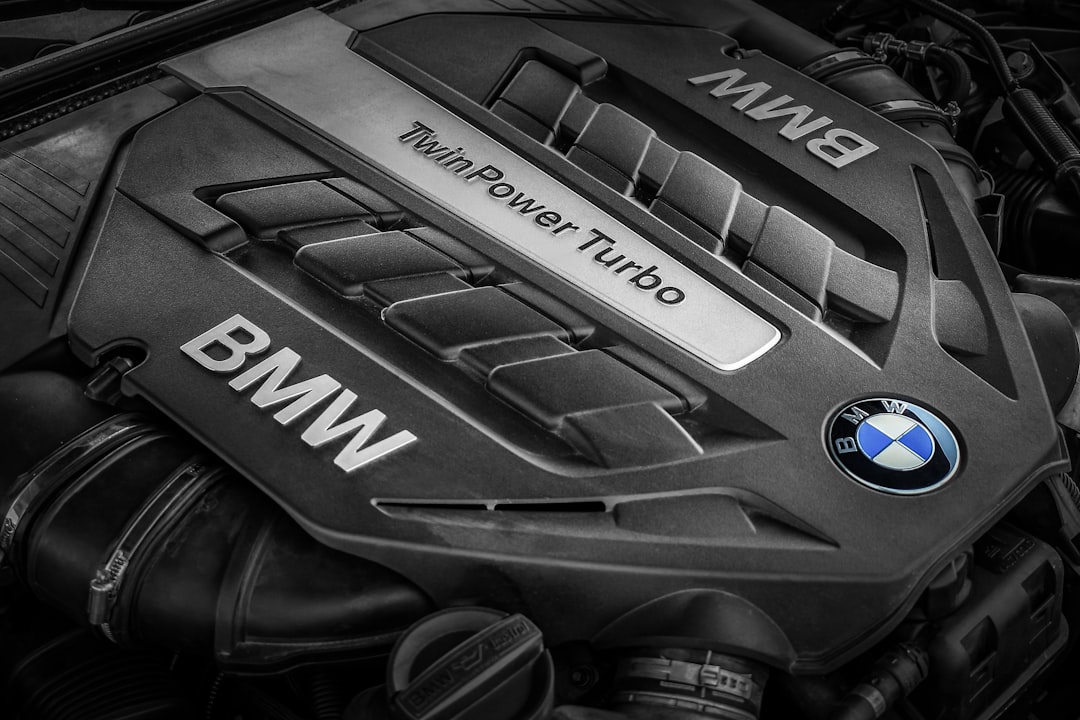
BMW’s long-term reliability is influenced by several interrelated factors. First and foremost is the model and engine type. Some BMW models, especially those with simpler, naturally aspirated engines from the pre-2010 era, are renowned for durability and can exceed 200,000 miles with proper care. In contrast, certain turbocharged engines and high-performance M variants may experience more frequent or costly issues as they age due to their complexity and higher stresses. Another critical factor is maintenance. BMWs are engineered to tight tolerances and require regular attention to fluids, filters, and scheduled services. Neglecting maintenance intervals can lead to premature failures in components like cooling systems, gaskets, and electronics. The climate and driving style also play a role; urban stop-and-go traffic, aggressive driving, and harsh weather can accelerate wear. Finally, the ownership experience can differ widely between those who perform proactive maintenance, use quality parts, and choose reputable service providers, versus those who postpone repairs or use substandard replacements. In summary, while some BMWs develop a reputation for being problematic, many achieve impressive longevity in the hands of diligent owners.
Common BMW Engine Types and Long-Term Reliability
| Engine Type | Notable Models | Typical Longevity (miles) |
|---|---|---|
| Naturally Aspirated Inline-6 (M54, N52) | E46 3 Series, E39 5 Series | 200,000+ |
| Turbocharged Inline-4 (N20) | F30 3 Series | 120,000-180,000 |
| Turbocharged Inline-6 (N54, N55) | E90/E92 335i, F10 535i | 150,000-200,000 |
| V8 Twin-Turbo (N63, S63) | F10 M5, G30 M550i | 100,000-150,000 |
Factors That Help or Hurt BMW Longevity
✅ Pros
- Proactive maintenance and fluid changes
- Use of OEM or high-quality replacement parts
- Gentle driving and timely repairs
❌ Cons
- Neglecting scheduled service intervals
- Frequent short trips or aggressive driving
- Ignoring warning lights or leaks
Common Problems and Typical Repairs in Older BMWs
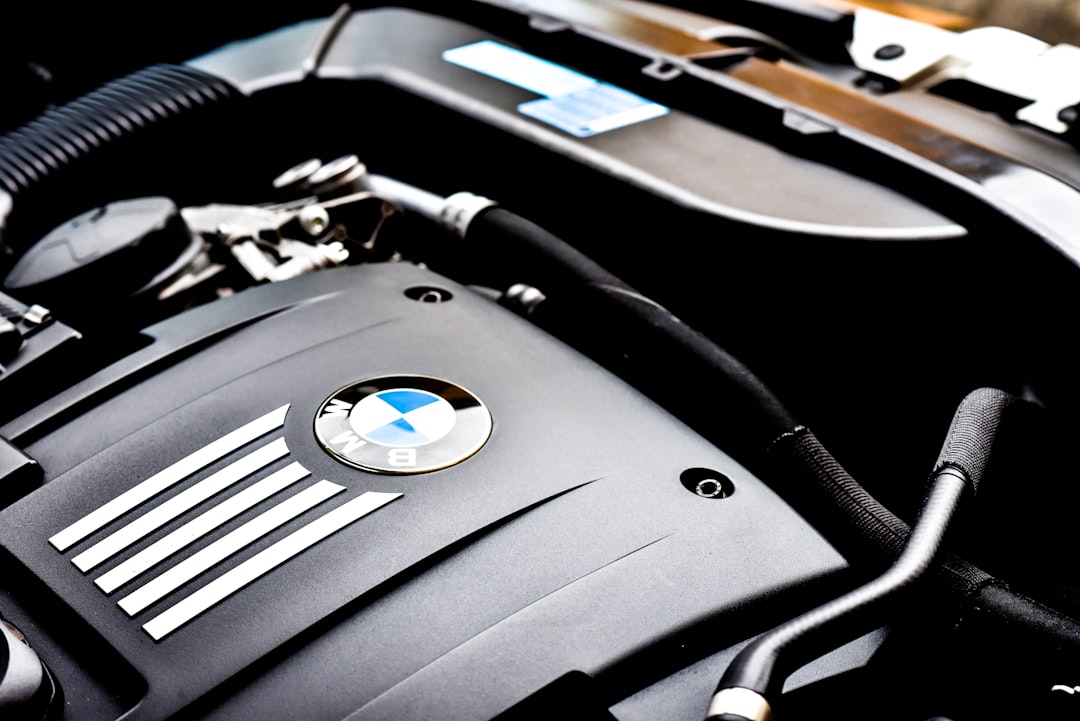
As BMWs age, certain issues tend to surface more frequently than in some other brands. Some of the most common long-term problems include cooling system failures (such as water pump and thermostat issues), oil leaks from valve cover and oil pan gaskets, and electronic malfunctions ranging from window regulators to iDrive system glitches. Suspension components, including bushings and control arms, also tend to wear out and need replacement, especially in models driven on rough roads. Another notable challenge is the complexity of modern BMW engines. Turbocharged models (N20, N54, N63) are known for high performance but may develop carbon buildup, turbocharger failures, or timing chain issues after 100,000 miles. These repairs can be expensive, particularly out of warranty. Additionally, emissions-related components like the VANOS system or EGR valves can fail, resulting in costly repairs. Despite these concerns, not every BMW will experience all these issues, and many can be anticipated or prevented with regular inspections. Enthusiasts often praise the brand for being predictable—meaning that common problems have well-documented solutions and parts are generally available, though sometimes at a premium price.
Frequent Long-Term BMW Repairs and Costs (USA Averages)
| Repair Type | Estimated Cost (Parts + Labor) | Models Most Affected |
|---|---|---|
| Water pump & thermostat replacement | $800 – $1,200 | 3 Series, 5 Series (2006-2016) |
| Valve cover gasket replacement | $400 – $900 | Most inline-6 engines |
| Ignition coil & spark plug replacement | $250 – $600 | All gasoline engines |
| Control arm bushing replacement | $350 – $700 | 3 Series, X5 |
How Does BMW Reliability Compare to Other Luxury Brands?
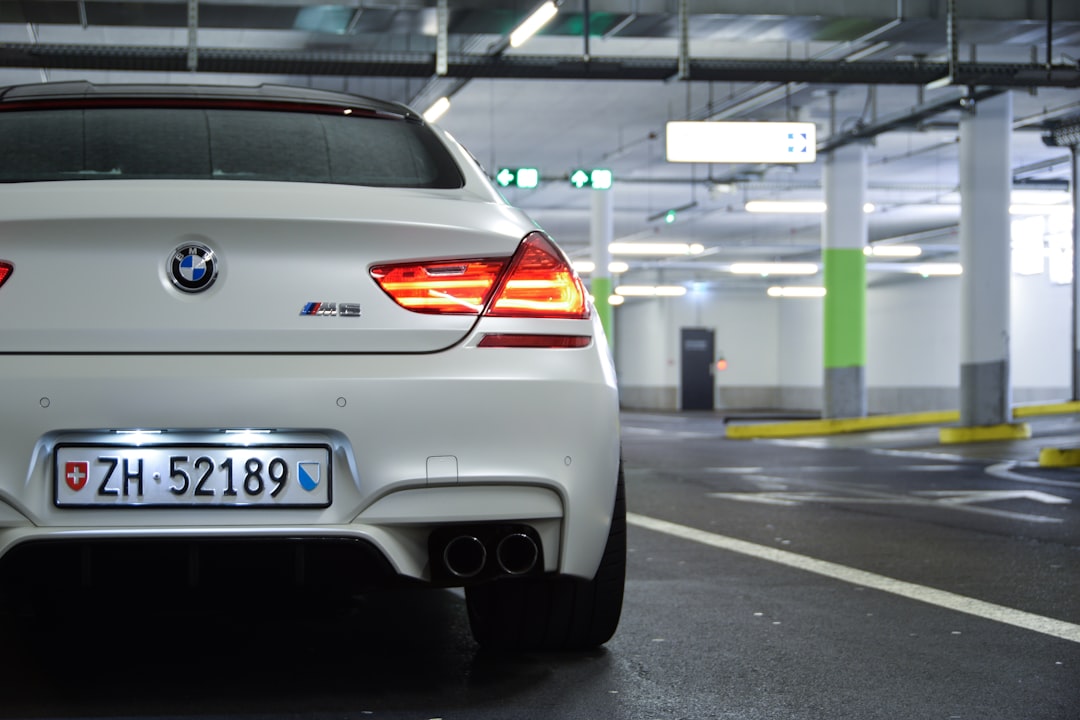
When considering long-term durability, BMW’s reliability is often compared to rivals like Mercedes-Benz, Audi, Lexus, and Acura. Data from sources such as Consumer Reports and J. D. Power shows that, on average, Japanese luxury brands like Lexus and Acura tend to rank higher for long-term reliability and lower repair costs. BMW, Mercedes, and Audi typically occupy the middle of the luxury segment, with Audi sometimes trailing due to electrical gremlins and Mercedes slightly ahead in some years. In terms of longevity, more BMWs are still on the road after 10-15 years than many mainstream brands, but far fewer than the leaders like Lexus or Toyota. The higher parts and labor costs for German luxury vehicles are a significant factor in ownership experience. However, enthusiasts argue that BMWs offer a more engaging driving experience and advanced engineering, which can justify the additional investment for some owners. For buyers seeking the best balance of reliability and prestige, comparing specific models and production years is crucial. Some BMW generations, such as the E46 3 Series and E39 5 Series, are considered benchmarks for both reliability and driving enjoyment.
BMW vs. Competitors: 10-Year Reliability Ratings (Consumer Reports 2023)
| Brand | 10-Year Reliability Score (out of 100) | Average Annual Maintenance Cost |
|---|---|---|
| BMW | 65 | $968 |
| Lexus | 82 | $551 |
| Mercedes-Benz | 69 | $908 |
| Audi | 60 | $987 |
| Acura | 77 | $501 |
BMW vs. Other Luxury Brands: Pros and Cons
✅ Pros
- Superior driving dynamics and steering feedback
- Wide availability of aftermarket parts and enthusiast support
❌ Cons
- Higher maintenance and repair costs
- More frequent minor electronic issues compared to Japanese rivals
Maintenance Costs and Ownership Experience Over Time
Owning a BMW over many years can be rewarding, but it’s essential to budget for higher-than-average maintenance and repair costs. According to RepairPal, the average annual maintenance cost for a BMW is $968, which is significantly above the industry average. This figure can climb for older vehicles, high-performance models, or cars kept well beyond 100,000 miles. Typical ownership experience involves regular oil changes, brake service, and periodic replacement of wear items like tires and suspension components. However, major repairs such as cooling system overhauls, timing chain replacements, or electronic module failures can be costly and often occur in cars past their warranty period. Extended warranties or third-party service contracts can offer peace of mind, but they come with added expense. Owners who handle some maintenance themselves or use independent BMW specialists can save substantially compared to dealership rates. Proactive maintenance and addressing issues promptly are key to containing costs and preventing cascading failures. Many long-term owners report that the driving pleasure, comfort, and engineering of BMWs make the extra care worthwhile.
Typical BMW Maintenance Schedule and Costs (3 Series Example)
| Service Interval | Service Performed | Estimated Cost |
|---|---|---|
| Every 10,000 miles | Oil change & inspection | $150 – $250 |
| Every 30,000 miles | Brake fluid, air filter, cabin filter | $250 – $400 |
| Every 60,000 miles | Spark plugs, coolant flush | $400 – $600 |
| Every 90,000 miles | Transmission fluid, water pump, thermostat | $800 – $1,500 |
Tips for Maximizing BMW Longevity and Keeping Costs Down
- Follow factory maintenance schedule without skipping services
- Use OEM or high-quality replacement parts
- Address small issues before they become major repairs
- Find a reputable independent BMW specialist for out-of-warranty work
- Keep detailed service records to maintain resale value
Which BMW Models Are Most Reliable for the Long Haul?
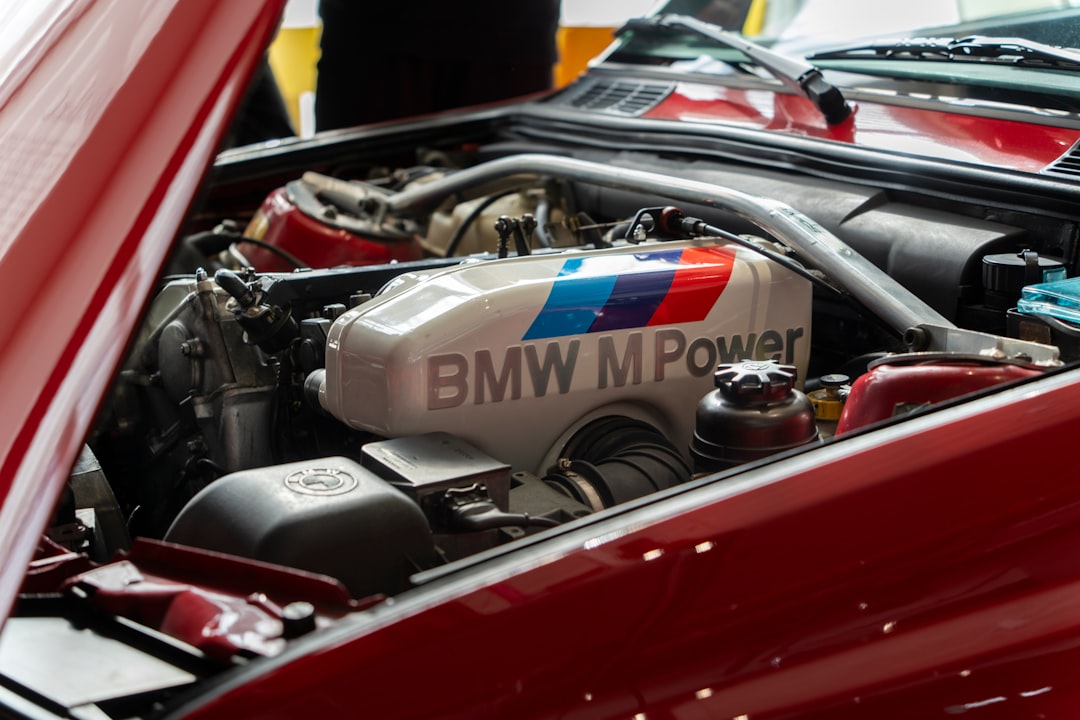
Not all BMWs are created equal when it comes to long-term reliability. Historically, certain models and engine configurations have developed strong reputations for durability. The E46 3 Series (1999-2006) and E39 5 Series (1997-2003) are often cited by enthusiasts and mechanics alike as examples of relatively simple, robust BMWs that can exceed 200,000 miles with reasonable care. These models use naturally aspirated inline-6 engines and less complex electronics than later generations. Among more modern BMWs, the F30 3 Series (2012-2019) is generally considered reliable, though the N20 turbocharged engine has some timing chain and coolant system concerns. The X3 and X5 SUVs from the mid-2010s onward have improved significantly in reliability, especially when equipped with the B48 or B58 engines. Conversely, high-performance M models and those with V8 twin-turbo engines (such as the N63) tend to require more frequent and expensive upkeep. For shoppers seeking a used BMW with the best chance of long-term satisfaction, it’s wise to research specific years and engine codes, check for a strong maintenance history, and consider a pre-purchase inspection by a BMW specialist.
Frequently Asked Questions
Can a BMW last 200,000 miles or more?
Yes, many BMWs—especially those with naturally aspirated inline-6 engines—can last well over 200,000 miles with diligent maintenance and prompt repairs. However, turbocharged and high-performance models may require more frequent and expensive maintenance as they age.
Are BMWs more expensive to repair than other cars?
On average, BMWs are more expensive to repair and maintain than mainstream brands. Labor rates, parts costs, and the complexity of BMW engineering contribute to higher repair bills, especially after the warranty period ends.
Which BMW models are the most reliable?
The E46 3 Series (1999-2006), E39 5 Series (1997-2003), and more recent models with the B58 engine are generally regarded as the most reliable. Avoiding the first years of new engine technology and opting for models with well-documented maintenance histories improves reliability.
Does regular maintenance really make a difference for BMW longevity?
Absolutely. Regular oil changes, cooling system service, and prompt resolution of minor issues are key to extending BMW life. Neglecting maintenance often leads to major repairs and shorter vehicle lifespan.
Is buying a high-mileage used BMW a good idea?
Buying a high-mileage BMW can be a good value if the car has a comprehensive service record and passes a thorough pre-purchase inspection. Expect to budget for repairs and maintenance, as older BMWs may require more attention to remain reliable.
Conclusion
In summary, BMWs can deliver a reliable and rewarding ownership experience over the long term—provided that owners are committed to regular maintenance and proactive repairs. While their repair costs and complexity are higher than many mainstream brands, the driving experience, engineering, and prestige often outweigh these concerns for enthusiasts and careful owners. Not every BMW model is equally robust, so researching specific years and engines is crucial for those seeking maximum longevity. If you’re willing to invest the time and resources required, a well-maintained BMW can easily serve as a dependable daily driver for a decade or more. Ultimately, BMW ownership is best suited for those who value performance and luxury—and who are prepared for the responsibilities that come with it.