

German luxury vehicles like Audi and BMW are renowned for their performance, engineering, and prestige. However, prospective owners often weigh not just the up-front price, but also the long-term costs of ownership—especially maintenance. A common question emerges: is Audi or BMW more expensive to maintain? Quick answer: On average, BMWs tend to be slightly more expensive to maintain than Audis, largely due to higher labor costs, pricier parts, and more frequent repairs over the vehicle’s lifespan. However, the difference is typically moderate, and actual costs can vary widely based on model, year, and maintenance habits. Let’s take a comprehensive look at why this is the case and what factors influence these costs.
Key Statistics in Audi vs BMW Maintenance
Understanding Maintenance Costs: What’s Included?
When discussing maintenance costs, it’s important to clarify what is included in the calculation. Maintenance encompasses routine services like oil changes, brake pads, tire rotations, fluid flushes, and scheduled inspections. It also covers wear-and-tear items such as brake rotors, batteries, wiper blades, and belts. Additionally, both Audi and BMW require specialized diagnostic equipment and trained technicians, which can drive up labor costs. Luxury brands like Audi and BMW use high-quality components and sophisticated technology, which can make even basic repairs more expensive than non-luxury brands. For example, replacing a water pump or timing chain on either brand can cost several times more than on a standard vehicle due to the complexity and parts pricing. Furthermore, both brands have strict service schedules to ensure optimal vehicle performance, especially for models with turbocharged engines or advanced suspension systems. Extended warranties or prepaid maintenance packages are available for both brands and can offset some of these costs, but not all repairs or components are covered. Owners who follow scheduled maintenance closely may avoid some major repairs, but it is essential to budget for the unexpected. In summary, maintenance costs for both Audi and BMW include a combination of routine, preventive, and corrective services, all of which are subject to luxury brand pricing.
Common Maintenance Items and Average Costs (USD)
| Service | Audi (Avg.) | BMW (Avg.) |
|---|---|---|
| Oil Change | $140 | $170 |
| Brake Pad Replacement (per axle) | $320 | $350 |
| Tire Replacement (set of 4) | $900 | $1,000 |
| Coolant Flush | $180 | $210 |
| Timing Chain Replacement | $2,100 | $2,400 |
Pros and Cons of Luxury Maintenance
✅ Pros
- High-quality parts ensure excellent performance and longevity
- Advanced diagnostics can catch problems early
- Prestige of professional dealership service
❌ Cons
- Routine services are more expensive than average
- Specialized tools and labor increase repair costs
- Some parts are only available through dealerships
BMW Maintenance: Why Is It Often Pricier?
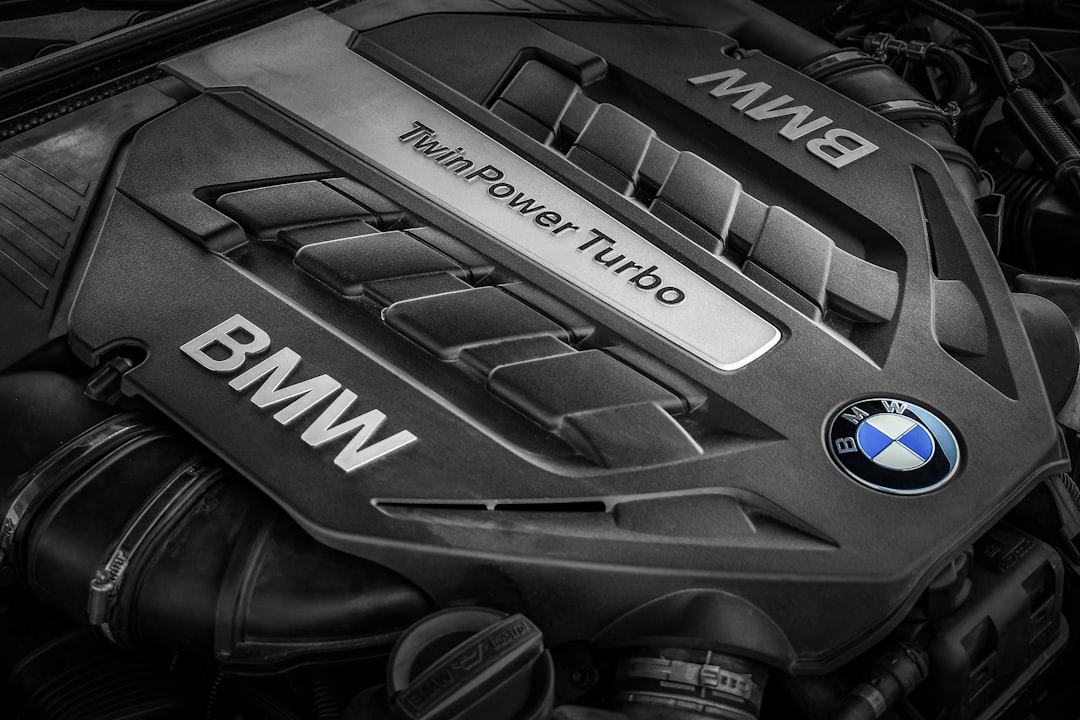
BMWs are associated with high-performance engineering, driving dynamics, and cutting-edge technology. However, these very features often contribute to higher maintenance costs. BMW engines, especially in performance models (M series, turbocharged variants), are densely packed and complex, requiring more labor and specialized knowledge to service. The brand’s focus on innovative features—such as adaptive suspensions, variable valve timing, and advanced driver aids—translates to more components that can wear out or malfunction over time. Labor rates at BMW-certified dealerships are typically among the highest in the automotive industry. In addition, certain BMW models are more likely to experience issues with electronic components, cooling systems, or oil leaks, which can lead to costly repairs outside of routine maintenance. Parts for BMWs are often imported, adding to the price, and some components (like the high-pressure fuel pump or proprietary sensors) are more expensive compared to Audi equivalents. Although BMW offers a complimentary maintenance program for the first three years or 36,000 miles on new vehicles, this only covers basic items and does not extend to wear-and-tear parts or repairs due to breakdowns. As BMWs age, maintenance costs rise significantly, especially after warranties expire.
Top 5 Most Common BMW Repairs and Costs
| Repair | Average Cost | Typical Mileage |
|---|---|---|
| Oil Leak Repair | $750 | 60,000+ |
| Electronic Sensor Replacement | $400 | 50,000+ |
| Water Pump Replacement | $1,100 | 70,000+ |
| Suspension Bushing Replacement | $900 | 80,000+ |
| High-Pressure Fuel Pump | $1,500 | 60,000+ |
Audi Maintenance: How Does It Compare?
Audi vehicles are similarly packed with advanced technology and refined engineering, but their maintenance costs are generally a bit lower than BMW’s. While Audi shares some parts sourcing with Volkswagen, which can reduce costs for certain components, the brand’s Quattro all-wheel-drive systems and turbocharged engines still require specialized service and expertise. Audis are known for their reliability improvements in recent years, particularly in models built after 2015, where engine and electronics issues have become less common. However, models with higher performance specs (like the S and RS lines) can see maintenance costs rivaling or exceeding BMW’s, due to the increased complexity and cost of parts. Routine services for Audis, such as oil changes and brake jobs, tend to be slightly more affordable, and labor costs at Audi dealerships are often marginally lower than at BMW service centers. One area where Audi can be more expensive is with their dual-clutch transmissions (DSG), which require regular fluid changes and can be costly to repair if neglected. Overall, while Audi’s average maintenance costs are lower, specific models and features can tip the scales in either direction depending on the owner’s driving habits and adherence to service schedules.
Top 5 Most Common Audi Repairs and Costs
| Repair | Average Cost | Typical Mileage |
|---|---|---|
| DSG Transmission Service | $450 | 40,000+ |
| Turbocharger Repair | $1,800 | 70,000+ |
| Timing Chain Tensioner | $1,350 | 80,000+ |
| Coolant System Repair | $600 | 65,000+ |
| Electronic Module Replacement | $500 | 60,000+ |
Factors Influencing Maintenance Costs: Model, Age, and Usage

The cost to maintain any Audi or BMW is not fixed—several factors play significant roles in determining annual and lifetime expenses. First, the specific model and trim level can make a substantial difference. Performance-oriented models (like the BMW M3 or Audi S5) have higher maintenance and repair costs than entry-level models (like the BMW 3 Series or Audi A4) due to more advanced components and higher part prices. Vehicle age is another important factor. Newer vehicles under warranty or with prepaid maintenance plans will cost less out-of-pocket for the first few years. After warranties expire, costs can rise sharply, especially as major components like suspension components, electronics, and drivetrain parts begin to wear. Owners who drive aggressively, tow frequently, or ignore maintenance schedules are also likely to pay more in the long run. Geographic location affects labor rates, as dealership costs in large metro areas are often higher. Finally, third-party mechanics with experience in German vehicles can sometimes offer lower rates than dealership service centers, but may not have access to all proprietary tools and software.
Ownership Experience: Is One Brand a Better Value?

While BMWs usually have higher maintenance costs on average, the ownership experience involves more than just dollars spent. Both brands offer strong resale value, especially for well-maintained vehicles with documented service histories. Audi’s slightly lower costs and recent gains in reliability make it attractive to cost-conscious buyers, while BMW’s driving dynamics and performance reputation can justify the extra expense for enthusiasts. Value can be enhanced by purchasing certified pre-owned (CPO) vehicles, which often come with extended warranties and rigorous inspections, reducing the risk of unexpected repairs early in ownership. Additionally, both brands offer flexible leasing options, which can be appealing for those who want to avoid long-term maintenance concerns altogether. Ultimately, choosing between Audi and BMW should involve not only a consideration of maintenance costs but also personal preferences regarding performance, technology, comfort, and brand image. Budgeting for a luxury vehicle’s higher maintenance costs is essential, but with careful ownership and regular upkeep, both brands can provide rewarding and reliable experiences.
Tips for Lowering Luxury Car Maintenance Costs
- Follow the manufacturer’s recommended maintenance schedule
- Keep detailed service records to maintain resale value
- Consider certified pre-owned vehicles with extended warranties
- Find a reputable independent mechanic specializing in German cars
- Use OEM or high-quality aftermarket parts when possible
Frequently Asked Questions
Does purchasing a used BMW or Audi increase maintenance costs?
Yes, buying a used BMW or Audi often leads to higher maintenance costs, especially if the vehicle is out of warranty. Older models are more likely to need significant repairs, and maintenance history is crucial to avoid costly surprises.
Are maintenance costs for SUVs higher than for sedans in both brands?
Generally, yes. SUVs such as the BMW X5 or Audi Q7 have more complex systems (like all-wheel drive and air suspension) and larger components, which can increase maintenance and repair costs compared to sedans.
Can third-party mechanics service Audis and BMWs effectively?
Qualified independent mechanics with experience in German vehicles can service Audis and BMWs at lower labor rates. However, some repairs require proprietary diagnostic tools only available at dealerships.
Are maintenance packages worth it for Audi and BMW owners?
Prepaid maintenance packages can provide peace of mind and potential savings, especially during the warranty period. However, they often exclude major repairs and only cover routine service items.
How do Audi and BMW compare in terms of reliability?
Recent data suggests Audi has made significant improvements in reliability and now slightly outpaces BMW in some model years. However, both brands are less reliable than non-luxury brands, making maintenance planning essential.
Conclusion
When it comes to maintenance, both Audi and BMW owners should expect to pay more than for non-luxury brands, due to the advanced engineering, premium parts, and specialized labor involved. While BMWs are generally more expensive to maintain, especially as they age, the difference compared to Audi is not overwhelming for most mainstream models. Factors such as vehicle model, age, usage habits, and service location can significantly impact costs for both brands. For buyers prioritizing driving performance and prestige, the extra maintenance costs of a BMW may be justified. Those wanting a slightly lower cost of ownership with recent reliability improvements may lean toward Audi. Whichever brand you choose, regular maintenance, thorough record-keeping, and careful model selection can help control costs and ensure a rewarding luxury driving experience.