

BMW vehicles are renowned for their performance, luxury, and advanced engineering, but like any complex machine, they can occasionally develop issues. One common and alarming problem is the ‘Drivetrain Malfunction’ warning, which can suddenly appear on your dashboard, often accompanied by reduced engine power, rough idling, or even the engine shutting off. This warning indicates a problem somewhere in the powertrain system, which could range from minor sensor issues to major mechanical failures. Quick answer: To fix a Drivetrain Malfunction in your BMW, first safely pull over and restart the engine to see if the warning clears. If the problem persists, check for error codes using an OBD2 scanner, inspect common culprits like spark plugs, coils, fuel injectors, and battery health, and address any identified issues. For complex or unresolved problems, professional diagnostics by a certified BMW technician are recommended. In this in-depth guide, we’ll walk you through the causes of this warning, detailed step-by-step troubleshooting and repair instructions, the tools you’ll need, preventive tips, and frequently asked questions. By following these steps, you can safely address the drivetrain malfunction, potentially saving time and costly repair bills, and get your BMW back on the road with confidence.
Important Facts About BMW Drivetrain Malfunction Issues
Understanding the BMW Drivetrain Malfunction Warning

The ‘Drivetrain Malfunction’ warning in BMW vehicles is a broad alert that indicates a detected issue affecting the power delivery system. The drivetrain encompasses the engine, transmission, driveshaft, differential, and all associated sensors and actuators that work together to transmit power from the engine to the wheels. When something goes wrong in this complex system, the onboard computer triggers this warning to alert the driver to a potential problem that may affect vehicle performance or safety. The warning can present itself in several ways: a dashboard message, a yellow or red check engine light, or a sudden loss of power (limp mode). Common symptoms include rough idling, hesitation during acceleration, unusual noises, or the engine shutting off automatically. It’s important to note that this warning can be triggered by both minor and major issues, from a dirty sensor to a failing turbocharger. Ignoring this warning can lead to more severe damage, increased repair costs, or even a safety hazard. Therefore, it’s crucial to respond promptly and methodically to diagnose and address the root cause. In the following sections, we’ll cover the most common culprits, diagnostic methods, and step-by-step repair procedures.
Common Symptoms and Their Possible Causes
| Symptom | Possible Cause | Severity |
|---|---|---|
| Sudden loss of power | Ignition coil/spark plug failure | Medium |
| Rough idling | Fuel injector issue | Medium |
| Engine shuts off | Sensor or fuel pump failure | High |
| Warning with no noticeable symptom | Temporary sensor glitch | Low |
Pros and Cons of Addressing the Warning Immediately
✅ Pros
- Prevents further damage
- May avoid costly repairs
- Improves safety
❌ Cons
- Requires time and effort
- May need special diagnostic tools
Prerequisites and Tools Needed for Diagnosis and Repair

Before diving into the diagnostic and repair process, it is essential to gather the necessary tools and understand the prerequisites for safely working on your BMW. Some steps only require basic automotive knowledge, while others may demand more advanced skills or professional assistance. First, ensure you are in a safe environment—ideally a flat, well-lit area with ample space around the car. Let the engine cool down before handling any components, especially if you’re inspecting under the hood. Always disconnect the battery when working with electrical parts to avoid accidental short circuits. The most efficient way to diagnose drivetrain malfunction is by reading fault codes using an OBD2 scanner. Many BMW-specific scanners or apps (like Carly or BimmerLink) provide in-depth diagnostics, including hidden BMW codes that generic scanners may not detect. In addition, you may need basic hand tools, a multimeter, gloves, and possibly replacement parts depending on your findings. Having the BMW repair manual for your specific model is highly recommended for torque specs and component locations. For DIYers, working methodically and documenting each step is crucial. If you encounter unfamiliar or complex issues, don’t hesitate to consult a certified BMW technician.
Essential Tools and Equipment for BMW Drivetrain Repair
| Tool/Equipment | Purpose | Estimated Cost |
|---|---|---|
| OBD2 Scanner (BMW-specific) | Read and clear error codes | $50-$150 |
| Socket and wrench set | Remove/replace engine components | $40-$100 |
| Multimeter | Test voltage and continuity | $20-$60 |
| Gloves and safety glasses | Personal protection | $10-$30 |
| Replacement parts (coils, plugs, etc.) | Fix identified issues | Varies |
Pre-Diagnosis Safety and Preparation Checklist
- Park vehicle on a level surface
- Engage parking brake and turn off engine
- Allow engine to cool before inspection
- Gather all necessary tools and replacement parts
- Disconnect battery before working on electrical components
Step-by-Step Diagnosis of Drivetrain Malfunction in BMW
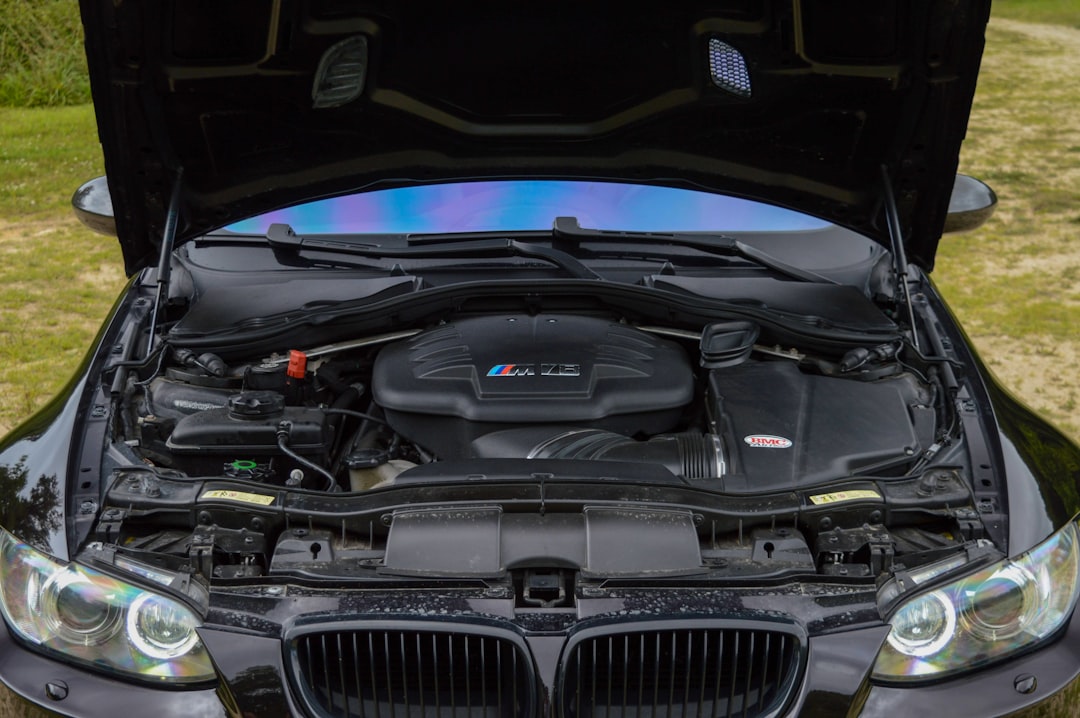
Diagnosing the cause of a drivetrain malfunction warning involves a systematic approach using both technology and visual inspection. Begin with the simplest solutions before moving on to more complex checks. Step 1: Restart the Vehicle If the warning appears, safely pull over and turn off the engine. Wait at least 30 seconds before restarting. Temporary glitches or sensor errors can sometimes be cleared with a restart. If the warning disappears and does not return, monitor closely; otherwise, proceed to further diagnostics. Step 2: Scan for Fault Codes Plug in your OBD2 scanner to the diagnostic port under the dashboard. Use a BMW-specific scanner or app to read both generic and manufacturer-specific codes. Note any codes related to the engine, transmission, or drivetrain systems. Write down or save the codes for reference. Step 3: Visual Inspection Open the hood and visually inspect ignition coils, spark plug wells, wiring harnesses, and connectors. Look for oil leaks, unplugged sensors, or obvious signs of damage. On turbocharged models, check for loose or cracked charge pipes and vacuum hoses that may cause boost leaks. Step 4: Check Battery and Electrical System A weak or failing battery can cause electronic modules to malfunction, triggering drivetrain warnings. Test battery voltage with a multimeter (should read around 12.6V when the engine is off). Replace the battery if voltage is low or if it is more than 4-5 years old. Step 5: Examine Fuel System Components Misfires from faulty fuel injectors or low fuel pressure can trigger drivetrain warnings. Listen for abnormal engine noises or rough idle, and, if possible, perform a fuel system pressure test. Once you have identified a potential cause, proceed to the relevant repair section. If no cause is found, consider seeking professional diagnostics.
Diagnosis Steps Checklist
- Restart vehicle and monitor warning
- Scan for error codes using BMW-specific OBD2 scanner
- Visually inspect ignition, fuel, and sensor components
- Test battery voltage and replace if necessary
- Check for vacuum or boost leaks (for turbo models)
- Document all findings for future reference
Common Causes and How to Repair Them

Once you have identified the error codes and inspected key components, focus on the most common causes of drivetrain malfunction in BMWs. Each cause requires a specific repair approach, which can be performed at home with moderate skill or may require professional attention for complex issues. Ignition Coil and Spark Plug Failure These are leading causes of misfires and drivetrain warnings. Replace any faulty ignition coils and spark plugs with high-quality OEM or equivalent parts. Remove the engine cover, unplug the electrical connector from the faulty coil, unbolt and remove the coil, and swap in the new part. For spark plugs, use a torque wrench to ensure proper installation. Fuel Injector or Fuel Pump Issues Faulty injectors or a weak fuel pump can cause poor combustion. Replacing injectors is more advanced and may require coding with specialized BMW software. Fuel pump replacement is also best left to experienced DIYers or professionals. Sensor Failures (MAF, MAP, Oxygen Sensors) Sensor errors are common, especially in higher-mileage vehicles. Clean or replace sensors as indicated by your diagnostics. Always use contact cleaner for electrical connectors and ensure no debris enters the intake system during sensor changes. Battery and Charging System Problems A low-voltage battery or failing alternator can cause erratic electrical behavior. Replace the battery if it tests below 12.2V or shows signs of failure. Clean battery terminals and check alternator output if issues persist. Transmission or Turbocharger Problems If diagnostics point to the transmission or turbo system, repairs may be more complex. Transmission fluid changes, solenoid replacements, or turbocharger repairs are best handled by professionals due to special tools and procedures required.
Common Cause, Symptoms, and DIY Difficulty
| Component | Typical Symptoms | DIY Difficulty |
|---|---|---|
| Ignition Coil/Spark Plug | Misfire, rough idle, warning light | Easy-Moderate |
| Fuel Injector | Loss of power, rough running | Moderate-Hard |
| MAF/MAP/O2 Sensor | Check engine, poor fuel economy | Easy-Moderate |
| Battery/Alternator | Multiple warnings, slow crank | Easy |
| Transmission Issue | Slipping, hard shifts, limp mode | Hard |
Repair Steps for Common Issues
- Identify faulty component from diagnostics
- Obtain correct OEM replacement part
- Follow BMW repair manual for removal and installation
- Double-check connections and torque specs
- Clear error codes and test drive vehicle
Tips, Mistakes to Avoid, and Preventive Maintenance

Diagnosing and repairing drivetrain malfunction warnings can be straightforward if you follow best practices and avoid common mistakes. Here are essential tips to ensure a successful repair and minimize future issues. Always use BMW-approved or OEM-quality parts when replacing coils, plugs, sensors, or fuel system components. Inferior aftermarket parts may solve the issue temporarily but can lead to recurring problems. Double-check all electrical connections and ensure connectors are fully seated and locked in place. Failing to do so can trigger new error codes or intermittent malfunctions. Avoid clearing error codes before fixing the underlying issue. Resetting codes without repairs may temporarily hide the problem but will not resolve it, and the warning will likely return. For preventive maintenance, replace spark plugs and ignition coils at the manufacturer-recommended intervals, usually every 60,000 to 100,000 miles. Keep the fuel system clean by using top-tier gasoline and consider periodic use of fuel system cleaner. Maintain the battery and charging system, especially in cold climates, as electrical system faults are a major trigger for drivetrain warnings in BMWs. Finally, keep a log of all repairs and diagnostic codes. This helps track recurring issues and provides valuable information for future troubleshooting or when consulting a professional mechanic.
Top Maintenance and Repair Tips
- Use only OEM or high-quality replacement parts
- Ensure electrical connectors are fully seated
- Do not clear codes before fixing the issue
- Replace ignition components at recommended intervals
- Keep a detailed maintenance and code log
When to Seek Professional Help and Cost Considerations

While many drivetrain malfunction causes can be addressed by knowledgeable DIYers, some situations require the expertise and tools of a professional BMW technician. If your diagnostics reveal major transmission or turbocharger faults, or if the warning persists after replacing common components, schedule a visit to a trusted BMW repair shop. Professional shops have specialized diagnostic equipment, software for coding new parts (such as fuel injectors or transmission solenoids), and access to technical bulletins that may not be available to the public. Attempting complex repairs without the right tools can lead to costly mistakes or even further damage to your vehicle. The cost of repairs varies widely. Simple solutions like replacing a coil or sensor may cost $100-$400, while more extensive repairs such as turbocharger replacement or transmission overhaul can exceed $2,000. Always request a detailed estimate and consider getting a second opinion for high-cost repairs. Remember that regular maintenance is the best way to prevent expensive drivetrain issues. For BMWs still under factory or extended warranty, check with your dealer to see if the repair is covered. Document all dealer visits and repairs for warranty claims and future resale value.
Frequently Asked Questions
Can I drive my BMW with the drivetrain malfunction warning?
It is not advisable to drive for extended periods with this warning. While it may be safe to drive a short distance to a service facility if the vehicle is running smoothly, continuing to operate the car can risk further damage or sudden loss of power.
Does a drivetrain malfunction always mean expensive repairs?
Not necessarily. Many cases are caused by relatively inexpensive parts like ignition coils or sensors. However, delaying repairs can turn minor issues into costly ones, so prompt action is recommended.
Will disconnecting the battery clear the drivetrain malfunction warning?
Disconnecting the battery may temporarily reset the warning, but it will not fix the underlying problem. The warning will return if the root cause is not addressed.
Can a weak battery cause drivetrain malfunction in BMWs?
Yes, a weak or failing battery is a common cause of electronic faults, including drivetrain malfunction warnings. Always test and replace the battery if it is old or shows signs of failure.
Do I need BMW-specific diagnostic tools?
While generic OBD2 scanners can read basic codes, BMW-specific tools or apps provide more detailed diagnostics and access to manufacturer-specific codes, making troubleshooting much more effective.
Conclusion
A drivetrain malfunction warning in your BMW can be unsettling, but with a systematic approach, most issues can be accurately diagnosed and efficiently repaired. Start with simple checks like restarting the engine, scanning for fault codes, and visually inspecting key components. Address common causes such as ignition coils, spark plugs, sensors, and battery health, and always use high-quality replacement parts. Maintain a detailed log of codes and repairs for future reference. For complex issues or if no clear cause is found, don’t hesitate to consult a professional BMW technician equipped with specialized diagnostic tools. Regular preventive maintenance and prompt attention to warning signs can save you from costly repairs and keep your BMW performing at its best. By following the steps in this guide, you’ll be well-equipped to tackle drivetrain malfunction warnings and enjoy a safer, more reliable driving experience.