
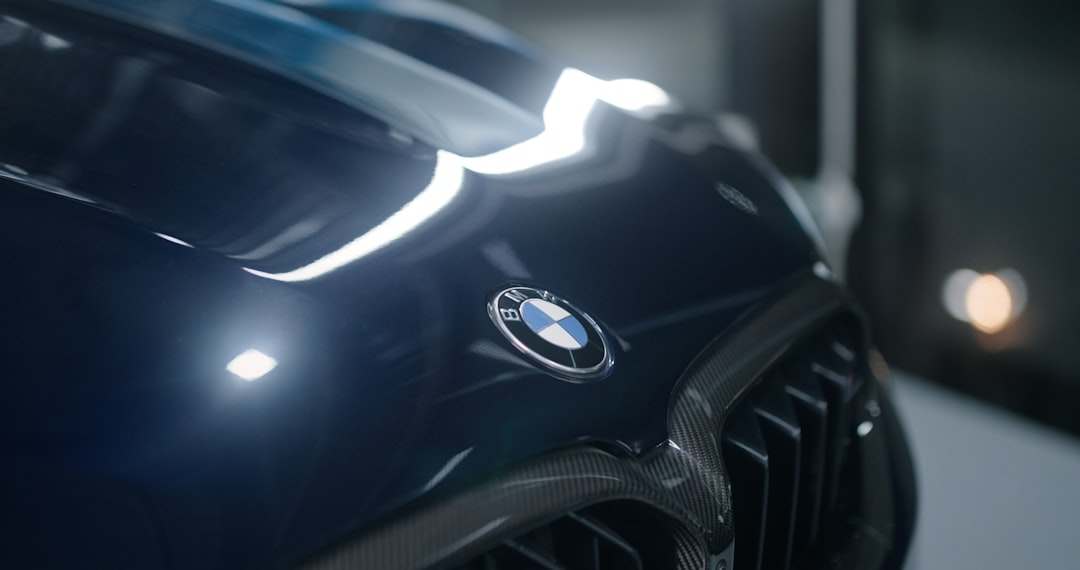
BMW’s adaptive headlights are an advanced safety feature designed to improve visibility by adjusting the direction and intensity of your headlights based on steering angle and speed. However, when a malfunction warning appears on your dashboard, it can be both alarming and inconvenient. To quickly address an adaptive headlight malfunction in a BMW, start by checking for blown fuses and inspecting the headlight modules and wiring for visible damage. If no obvious issues are found, a diagnostic scan using a BMW-compatible OBD-II scanner is often necessary to pinpoint the exact cause. In this comprehensive guide, you’ll learn how to systematically diagnose and fix adaptive headlight malfunctions in BMW vehicles. We’ll cover common causes, required tools, step-by-step troubleshooting, repair instructions, and tips for avoiding future issues. By following this guide, you can potentially save on costly dealership visits and restore your BMW’s adaptive lighting system to full functionality.
Important Facts About BMW Adaptive Headlights
Understanding BMW Adaptive Headlights and Common Malfunctions

Adaptive headlights in BMWs use a combination of sensors, control modules, and stepper motors to automatically adjust the beam pattern and angle based on steering input, vehicle speed, and road conditions. This system enhances nighttime visibility and overall driving safety. However, due to their complexity, these systems can experience malfunctions triggered by electrical faults, sensor errors, or mechanical failures. Common symptoms of adaptive headlight issues include the dashboard warning “Adaptive Headlights Malfunction,” blinking headlight icons, or headlights being stuck in one position. Malfunctions can be caused by blown fuses, damaged wiring, failed headlight control modules (also called AHL modules), or stepper motors inside the headlight assemblies. Environmental factors like moisture ingress and road salt can also cause corrosion on connectors, leading to intermittent or complete failure. By understanding how the adaptive headlight system works and the most frequent points of failure, you’ll be better equipped to troubleshoot and repair your BMW’s lighting system effectively.
Common Causes of BMW Adaptive Headlight Malfunction
| Cause | Symptoms | Typical Repair |
|---|---|---|
| Blown fuse | No headlight movement, warning light | Replace fuse |
| Faulty AHL module | Warning light, headlights stuck | Replace/reprogram module |
| Broken stepper motor | Headlights won’t rotate | Replace motor or headlight assembly |
| Damaged wiring/connector | Intermittent or total failure | Repair or replace wiring |
| Moisture ingress | Corroded connectors, erratic behavior | Clean and reseal connectors |
Checklist: Signs of Adaptive Headlight Malfunction
- Dashboard warning for adaptive headlights
- Headlights not moving when turning steering wheel
- Headlight beam pattern stuck or uneven
- Intermittent headlight operation
- Error codes present when scanned
Essential Tools and Preparation Before Repair
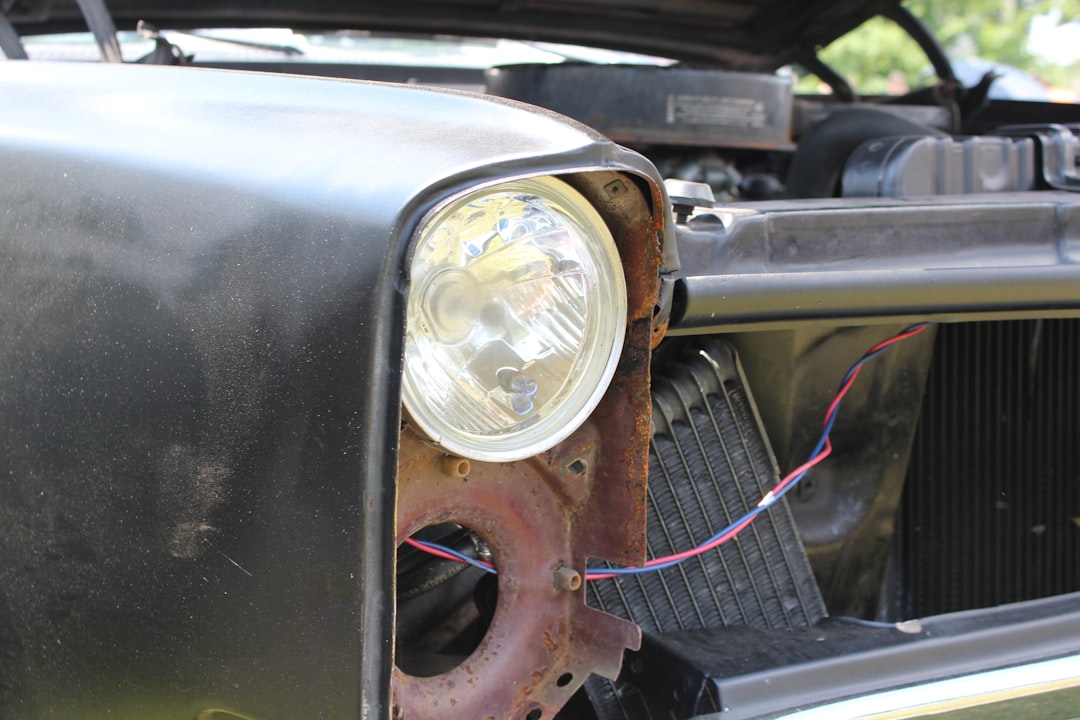
Before beginning any repair on your BMW’s adaptive headlight system, preparation is crucial. Gather all necessary tools and ensure your work area is safe and well-lit. It’s also helpful to review your vehicle’s manual for headlight system diagrams and fuse box locations, as these can vary by model and year. At a minimum, you’ll need a Torx and Phillips screwdriver set, a trim removal tool, a multimeter for electrical testing, and a BMW-compatible OBD-II scanner (such as INPA, ISTA, or a Foxwell NT510). For some repairs, dielectric grease and contact cleaner are recommended to protect electrical connections. Safety gear such as gloves and safety glasses are also important to prevent injury. Disconnect the negative battery terminal before working on any electrical components to avoid short circuits or accidental airbag deployment. Always keep track of removed screws and fasteners, and avoid touching bulb surfaces with bare fingers to prevent premature failure.
Essential Tools for BMW Adaptive Headlight Repair
| Tool | Purpose | Recommended Brands/Models |
|---|---|---|
| OBD-II Scanner | Diagnostic trouble code reading/clearing | Foxwell NT510, INPA, ISTA |
| Multimeter | Test voltage and continuity | Fluke, Klein Tools |
| Torx Screwdrivers | Remove headlight and module screws | Wiha, Wera |
| Trim Removal Tools | Remove bumper and trim panels | Lisle, ABN |
| Dielectric Grease | Protect electrical connectors | Permatex, CRC |
Preparation Checklist
- Park vehicle on level surface and set parking brake
- Disconnect negative battery terminal
- Gather all required tools and safety gear
- Consult BMW model-specific repair manual
- Have replacement fuses, bulbs, or modules on hand if needed
Step-by-Step Troubleshooting and Diagnosis

Diagnosing adaptive headlight malfunctions involves a systematic approach. Begin by noting the specific symptoms and any warning messages. If possible, perform a quick diagnostic scan to retrieve any stored error codes related to the adaptive lighting system (often labeled as AHL, SMC, or LWR in BMW diagnostics). 1. Inspect the fuse box (usually in the engine bay or glove compartment) for blown fuses related to the headlight system. Replace any blown fuses with the correct amp rating and check if the issue is resolved. 2. Examine the headlight wiring and connectors for visible damage, corrosion, or loose connections. Pay special attention to areas exposed to moisture or road debris. 3. Use the OBD-II scanner to check for adaptive headlight codes. Typical codes include A8AB (Communication fault) or 9CBB (Stepper motor fault). Record these codes before clearing them. 4. If codes indicate a stepper motor or module failure, perform a visual inspection of the headlight assembly. Look for water ingress or signs of burnt components. Gently move the headlight housing to check for resistance or rough movement, which could suggest internal mechanical failure. 5. If no faults are found, perform a functional test: with the car on and headlights enabled, slowly turn the steering wheel and observe headlight movement. Lack of movement confirms a system fault. By systematically addressing each potential cause, you can isolate the failure and move to the appropriate repair procedure.
Step-by-Step Troubleshooting Process
- Check dashboard for warning messages and note symptoms
- Scan for error codes using BMW-compatible OBD-II scanner
- Inspect fuses related to headlight system
- Visually inspect wiring and connectors for damage/corrosion
- Test stepper motor function by observing headlight movement during steering
- Determine if issue is electrical or mechanical
Repair Procedures: Fixing Common Adaptive Headlight Issues

Once the source of the adaptive headlight malfunction has been identified, proceed with the appropriate repair. This section covers the most common fixes, including fuse replacement, connector cleaning, module replacement, and stepper motor repair. Fuse Replacement: Locate the correct fuse using your owner’s manual or fuse box diagram. Use a fuse puller to remove the blown fuse and install a new one of the same rating. Test headlight operation. Connector Cleaning: Disconnect the battery, unplug the affected headlight connectors, and inspect for corrosion or bent pins. Use contact cleaner to remove debris and apply dielectric grease before reconnecting. Module Replacement: If the AHL control module is faulty, it is usually located beneath or behind the headlight assembly. Remove the necessary trim and screws, unplug the old module, and install the new one. Some modules require coding to the vehicle using BMW software. Stepper Motor Repair/Replacement: If the stepper motor inside the headlight is defective, you may need to replace the entire headlight assembly or, in some cases, the motor itself. This involves removing the bumper for access, unbolting the headlight, and replacing the faulty component. Always test the system after reassembly. After any repair, clear all fault codes with your OBD-II scanner and test the headlights by turning the steering wheel and observing movement.
Common Repairs and Average Time Required
| Repair Type | Estimated Time | Skill Level |
|---|---|---|
| Fuse replacement | 10 minutes | Beginner |
| Connector cleaning | 20-30 minutes | Beginner/Intermediate |
| AHL module replacement | 1-2 hours | Intermediate |
| Stepper motor replacement | 2-3 hours | Advanced |
Quick Reference: Adaptive Headlight Repairs
- Replace blown fuses and test system
- Clean and protect headlight connectors
- Swap out faulty AHL control modules (may require programming)
- Replace defective stepper motors or entire headlight assemblies
- Clear fault codes and verify correct headlight movement
Tips, Common Mistakes, and Preventive Maintenance

Preventing future adaptive headlight malfunctions starts with proper maintenance and awareness. Always check for signs of moisture in the headlight housing after heavy rain or washing, as water ingress is a leading cause of electrical faults. Periodically inspect wiring harnesses and connectors for wear, especially if you drive in areas with salted roads or extreme temperatures. Avoid common mistakes such as forcing connectors or over-tightening screws, which can damage fragile plastic parts. When replacing modules, always use genuine BMW parts or high-quality OEM alternatives to ensure compatibility and longevity. If your BMW requires a software update or coding after module replacement, use reputable BMW diagnostic software or seek assistance from a specialist. Regularly scan your vehicle for error codes, even if the warning light is off, as some faults are intermittent. Applying dielectric grease after cleaning connectors can help prevent corrosion. Finally, be cautious when working near airbags or sensitive electronics, and always disconnect the battery before starting repairs.
Pros and Cons of DIY Adaptive Headlight Repair
✅ Pros
- Cost savings compared to dealership repairs
- Satisfaction of fixing the issue yourself
- Ability to perform regular preventive maintenance
❌ Cons
- Risk of damaging sensitive electronics
- Some repairs require advanced tools or coding
- Time-consuming for complex issues
Troubleshooting Persistent and Complex Issues

If, after performing basic repairs and clearing error codes, the adaptive headlight malfunction persists, further investigation is needed. Persistent faults may be due to deeper wiring issues, failed sensors (such as the steering angle sensor), or defective replacement parts. Use the OBD-II scanner to monitor live data from the adaptive headlight system while turning the steering wheel and adjusting vehicle speed. Any inconsistencies may indicate sensor or CAN bus communication faults. Check for Technical Service Bulletins (TSBs) related to headlight problems on your BMW model, as some years have known issues with specific modules or software versions. If you suspect a software conflict, a dealership or independent BMW specialist can update or reprogram the relevant modules. For complex wiring faults, refer to the BMW factory wiring diagrams and use a multimeter to check continuity from the headlight to the control module. If you’re unable to resolve the issue after these steps, professional assistance is recommended to avoid further damage.
Frequently Asked Questions
Can I drive with an adaptive headlight malfunction warning?
While your regular headlights will typically still function, driving with an adaptive headlight malfunction means you lose the safety benefits of dynamic beam adjustment. It’s best to address the issue promptly, especially if you drive frequently at night or on winding roads.
Does replacing the headlight bulb fix adaptive headlight errors?
Not usually. Adaptive headlight malfunctions are most often related to control modules, stepper motors, or wiring rather than the bulb itself. However, a burnt-out bulb can trigger an error, so always check bulbs first.
Is module coding or programming always required after replacement?
In many cases, especially with newer BMWs, adaptive headlight modules must be coded or programmed to the vehicle using specialized BMW diagnostic software to ensure full functionality.
How much does it cost to fix adaptive headlight malfunctions at a BMW dealership?
Dealership repair costs typically range from $600 to $2,000, depending on whether only a module, the entire headlight assembly, or additional components need replacement.
Are aftermarket adaptive headlight modules reliable?
While some high-quality aftermarket modules are available, using genuine BMW or OEM parts is recommended for compatibility and long-term reliability. Aftermarket parts may lack proper software support or durability.
Conclusion
BMW’s adaptive headlights are a valuable safety feature, but malfunctions can be frustrating and expensive if not handled properly. By following the detailed steps outlined in this guide—beginning with basic fuse and connector checks, progressing through diagnostic scans and module or stepper motor replacement—you can often resolve the problem yourself and avoid costly dealership visits. Always prepare adequately by gathering the right tools, disconnecting the battery, and consulting your vehicle’s manual. Take your time during troubleshooting and repairs, and be mindful of common pitfalls such as moisture damage and improper connector handling. If issues persist after all reasonable checks, seeking professional help is wise to protect sensitive electronics and ensure your BMW’s adaptive lighting system continues to function optimally. With regular preventive maintenance and prompt attention to warning signs, you can keep your headlights—and your nighttime driving visibility—in top condition.