

A sagging headliner can make even the most elegant BMW interior look worn and neglected, often caused by age, moisture, or heat degrading the adhesive holding the fabric in place. If you notice the fabric hanging down near the edges, dome light, or sun visors, it’s time to address the issue before it gets worse. To quickly fix a sagging headliner in your BMW, you can either temporarily secure the fabric with pins or adhesive or perform a more permanent repair by removing the headliner board, stripping the old fabric, applying new adhesive, and fitting fresh headliner material. Both approaches require careful work, but a full replacement yields the best long-term results. This guide will walk you through the entire process, from assessing the problem to reinstallation, ensuring your BMW’s cabin looks factory-fresh again. We’ll cover the reasons behind headliner sagging, the tools and materials you’ll need, step-by-step repair instructions, troubleshooting tips, common mistakes to avoid, and answers to frequently asked questions. Whether you want a quick fix or a professional-grade restoration, you’ll find all the information you need to restore your BMW’s interior.
Key Statistics on BMW Headliner Repairs
Understanding Why BMW Headliners Sag
Before you can fix a sagging headliner, it’s important to know what causes the problem. BMW, like most manufacturers, uses a headliner board covered with foam-backed fabric, held in place by a heat-activated adhesive. Over time, exposure to heat and humidity breaks down this glue, causing the fabric to separate and sag, especially around the edges, sunroof, or overhead controls. Moisture intrusion from leaky sunroofs or windows can also contribute, as can general wear and tear on older vehicles. Sagging may start as minor drooping but can quickly worsen if left unchecked. In BMWs, common problem areas include the A-pillars, the area around the dome light, and the rear hatch (in wagons or SUVs). Recognizing the early signs allows you to plan your repair and prevent further damage to the headliner or interior electronics.
Common Causes of BMW Headliner Sagging
| Cause | Effect on Headliner | Prevention Tips |
|---|---|---|
| Heat and UV Exposure | Adhesive breakdown, widespread sagging | Park in shaded areas, use sunshades |
| Humidity/Moisture | Localized sagging, mold risk | Fix leaks promptly, keep windows closed |
| Aging Adhesive | Gradual detachment of fabric | Consider proactive replacement after 10 years |
| Physical Damage | Tears, localized drooping | Avoid sharp objects and excessive pressure |
Pros and Cons of DIY vs. Professional Headliner Repair
✅ Pros
- Saves money compared to professional service
- Allows use of custom or upgraded materials
- Immediate repair without waiting for appointments
❌ Cons
- Requires time and patience
- May be challenging on complex BMW interiors
- Risk of imperfect results if done hastily
Tools and Materials Needed for BMW Headliner Repair
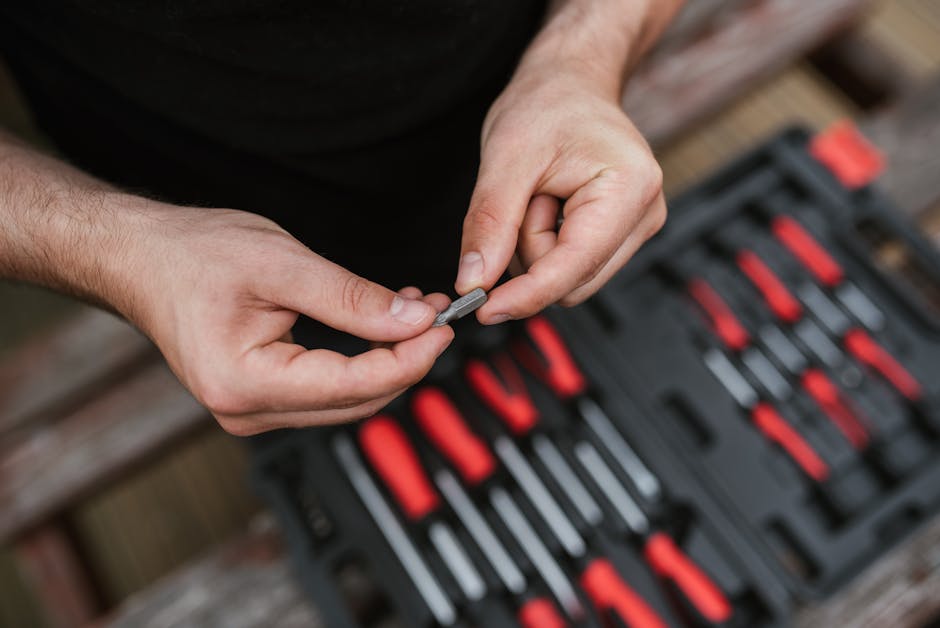
Gathering the right tools and materials before starting your BMW headliner repair is crucial for a smooth process. The specific items you need may vary based on your chosen repair method (temporary vs. complete restoration), but most repairs require a set of basic tools and specialized supplies suitable for automotive interiors. For a full headliner restoration, you will need: • Headliner replacement fabric: Choose a high-quality, foam-backed material that matches your BMW’s original color and texture. Automotive-grade fabric is recommended for durability. • High-temperature spray adhesive: This is essential for bonding the new fabric to the headliner board and must be rated for automotive use. • Screwdrivers and trim removal tools: These are needed to detach trim pieces, handles, visors, dome lights, and potentially seat belts or pillars. • Utility knife or sharp scissors: For cutting the fabric to shape. • Cleaning supplies: Use a vacuum, soft brush, and mild cleaner to prepare the headliner board. • Safety gear: Gloves, eyewear, and a mask are recommended, especially when working with adhesives. Optional items include upholstery pins (for temporary fixes), a heat gun (to help soften old adhesive), and a roller or squeegee (for smoothing fabric). Review your BMW’s specific model service manual for fastener locations and removal tips. Planning ahead minimizes the risk of damaging delicate trim or electrical connectors.
BMW Headliner Repair Tool and Material Checklist
| Item | Purpose | Suggested Brand/Source |
|---|---|---|
| Headliner Fabric | Replace sagging fabric | USA Foam & Fabrics, JoAnn, eBay |
| Spray Adhesive (High-Temp) | Bond fabric to board | 3M Headliner, Permatex |
| Trim Removal Tools | Remove interior panels safely | Lisle, OEMTools |
| Phillips/Flathead Screwdrivers | Detach hardware and screws | Wiha, Craftsman |
| Utility Knife/Scissors | Cutting fabric and foam | Stanley, Fiskars |
| Vacuum & Brush | Clean debris from board | Dyson, Shop-Vac |
Preparation Checklist for BMW Headliner Repair
- Acquire headliner fabric and adhesive
- Gather all necessary hand tools
- Read BMW model-specific trim removal instructions
- Prepare a clean, dry workspace
- Wear appropriate safety gear
Step-by-Step Guide: How to Repair or Replace Your BMW Headliner
Restoring your BMW’s headliner requires careful removal, cleaning, and reinstallation. Follow these detailed steps for the best results: 1. Disconnect the battery: This step prevents accidental airbag deployment or electrical shorts when removing trim and lights. 2. Remove trim and hardware: Detach sun visors, grab handles, dome lights, pillar covers, and any sensors or wiring. Keep screws organized by section. 3. Lower and remove the headliner board: Gently lower the panel and maneuver it out of the car, often through a rear door or hatch. Take care not to crack or bend the fragile board. 4. Strip old fabric and foam: Peel away the sagging fabric and use a brush or vacuum to remove deteriorated foam. Avoid gouging the board underneath. 5. Prepare and apply new adhesive: Spray high-temp adhesive on the board and back of the new fabric in even coats. Allow it to become tacky as per adhesive instructions. 6. Lay and smooth new fabric: Carefully align and press the fabric onto the board, working from the center outwards. Use a roller or squeegee to eliminate bubbles and wrinkles. 7. Trim excess material: Use a utility knife or sharp scissors to trim fabric around edges, mounting holes, and cutouts. 8. Allow adhesive to cure: Let the headliner sit for at least an hour (or as specified) before handling to ensure a strong bond. 9. Reinstall the headliner: Carefully maneuver the restored panel back into position, reconnect wiring, and reattach all trim pieces and hardware. 10. Reconnect the battery and test: Ensure all interior lights, sensors, and airbags function correctly before driving. Take your time during each step, especially with delicate trim and electrical connectors. If you encounter resistance, double-check for hidden screws or clips before applying force.
BMW Headliner Repair Steps
- Disconnect battery to prevent electrical issues
- Remove all trim, visors, and dome lights
- Lower and remove the headliner board from the car
- Strip off old fabric and foam residues
- Clean the board thoroughly
- Apply high-temp spray adhesive to board and fabric
- Lay and smooth new fabric, eliminating wrinkles
- Trim fabric to fit all openings
- Allow adhesive to cure fully
- Reinstall board and all trim components
Temporary Fixes for Sagging BMW Headliners
If you need a quick solution before you can perform a complete headliner restoration, there are a few temporary fixes that can help manage the sagging fabric. While these methods are not permanent, they can improve appearance and function in the short term. 1. Upholstery pins or twist pins: Specially designed pins can be twisted or pushed into the headliner to hold the fabric against the board. They are best for securing sagging areas around the edges or dome light. Choose pins with clear or matching heads for better aesthetics. 2. Spray adhesive touch-ups: Apply light coats of spray adhesive between the fabric and board in small sagging areas, then press and hold in place. Use caution to avoid overspray or staining visible areas. 3. Double-sided tape or glue sticks: In a pinch, you can use strong double-sided tape or a hot glue stick to tack up sagging edges. This is best for small sections only. 4. Binder clips or temporary supports: For severe sagging, gentle pressure can be applied using clips or temporary supports until a permanent repair is arranged. These methods will not restore the headliner to like-new condition and may only last a few weeks or months, especially in hot weather. Use them as a stopgap while sourcing materials for a full repair.
Pros and Cons of Temporary BMW Headliner Fixes
✅ Pros
- Quick and inexpensive solution
- Minimal tools or skills required
- Can prevent further sagging temporarily
❌ Cons
- Not a permanent fix
- May be visually noticeable
- Can damage underlying headliner board if overused
Common Mistakes and Troubleshooting BMW Headliner Repairs
Even careful DIY enthusiasts sometimes encounter issues during a BMW headliner repair. Understanding common mistakes and how to address them will help you avoid frustration and achieve better results. Common mistakes include: • Rushing trim removal: Forcing trim pieces or missing hidden screws can break expensive clips or panels. Always consult your BMW’s service manual and use plastic trim tools to avoid marring surfaces. • Using the wrong adhesive: Household glues or low-temperature adhesives will fail quickly, especially in hot climates. Only use automotive-grade, high-temperature spray adhesives designed for headliners. • Skipping surface prep: Failing to remove old foam or clean the board thoroughly can prevent the new adhesive from bonding, leading to future sagging. • Stretching or misaligning fabric: Headliner fabric should be laid gently and pressed from the center outward. Overstretching causes wrinkles or premature detachment. • Not allowing adequate curing time: Rushing to reinstall the headliner before the adhesive sets can cause the fabric to shift, bubble, or sag again. If you run into issues such as persistent sagging, visible bubbles, or loose edges, remove the affected area and repeat the adhesive and smoothing process. For severe damage or crumbling boards, replacement of the entire headliner panel may be necessary.
Maintaining Your BMW Headliner for Long-Term Results
After successfully repairing or replacing your BMW headliner, proper care and preventive measures can extend its lifespan and maintain your car’s premium interior appearance. • Park in shaded or covered areas whenever possible to minimize heat and UV degradation of the adhesive and fabric. • Use windshield sunshades or window tints to further reduce interior temperatures. • Always address water leaks from sunroofs, windows, or door seals promptly to prevent moisture from reaching the headliner. • Avoid hanging heavy items from grab handles or the headliner itself, which can stress the adhesive and fabric. • Vacuum and dust the headliner gently to prevent accumulation of dirt and oils that may weaken the bond over time. If you notice new areas beginning to sag, address them early with adhesive touch-ups or professional intervention to prevent spreading. With proper maintenance, a restored BMW headliner can look and perform like new for many years.
Frequently Asked Questions
Why does my BMW headliner sag in the first place?
Over time, exposure to heat, humidity, and sunlight breaks down the adhesive that holds the foam-backed fabric to the headliner board. This is a common issue in vehicles over 8-10 years old, especially in hot or humid climates.
Can I glue the sagging headliner back up without removing it?
Quick adhesive fixes are possible for small areas, but without removing the board, old deteriorated foam and failing adhesive remain underneath. For a lasting repair, removing the headliner panel and replacing the fabric is strongly recommended.
How do I match the original BMW headliner fabric color and texture?
Specialty automotive upholstery suppliers sell foam-backed headliner fabric in OEM colors and textures. Bring a sample or reference your BMW’s interior code for the closest match.
Is it safe to remove the headliner myself with airbags present?
Yes, as long as you disconnect the battery before starting and handle trim pieces carefully. Avoid disturbing airbag wiring or modules. Consult your BMW’s manual for specific precautions.
Will a sagging headliner affect my car’s resale value?
A sagging or damaged headliner can significantly reduce your BMW’s resale value, as it suggests poor maintenance. Restoring the headliner to like-new condition is a worthwhile investment if you plan to sell or trade in your vehicle.
Conclusion
Fixing a sagging headliner in your BMW is a rewarding project that can dramatically improve your vehicle’s interior and preserve its value. By understanding the root causes, assembling the right tools and materials, and following a methodical repair process, you can achieve professional-level results at a fraction of the cost of dealership service. Whether opting for a quick temporary fix or a complete restoration, attention to detail and patience are key. After repair, preventive measures like minimizing heat exposure and maintaining a dry, clean interior will keep your headliner looking pristine for years to come. If you encounter challenges, consult your BMW’s service manual or consider seeking help from an automotive upholstery professional. With the guidance provided in this article, you’re well-equipped to restore your BMW’s headliner and enjoy a fresh, comfortable driving experience.