

BMW vehicles are renowned for their luxurious interiors, and the leather seats are a standout feature that enhances both comfort and elegance. However, regular use can expose these seats to dirt, oils, spills, and sun damage, all of which can deteriorate the leather over time. Proper cleaning and conditioning are essential to maintain their premium look and extend their lifespan. Quick Answer: To clean BMW leather seats, start by vacuuming the seats to remove loose dirt, then use a specialized leather cleaner with a microfiber cloth or soft brush to gently clean the surface. Finish by applying a high-quality leather conditioner to protect and nourish the leather. This simple routine keeps your BMW’s interior looking and feeling luxurious. In this comprehensive guide, we’ll cover each step in detail, including the specific tools and products you’ll need, common mistakes to avoid, tips for different types of BMW leather, troubleshooting stubborn stains, and maintenance schedules. Whether your BMW has Dakota, Vernasca, or Merino leather, following these methods will help you preserve the beauty and value of your car’s interior.
Understanding BMW Leather: Types and Care Essentials
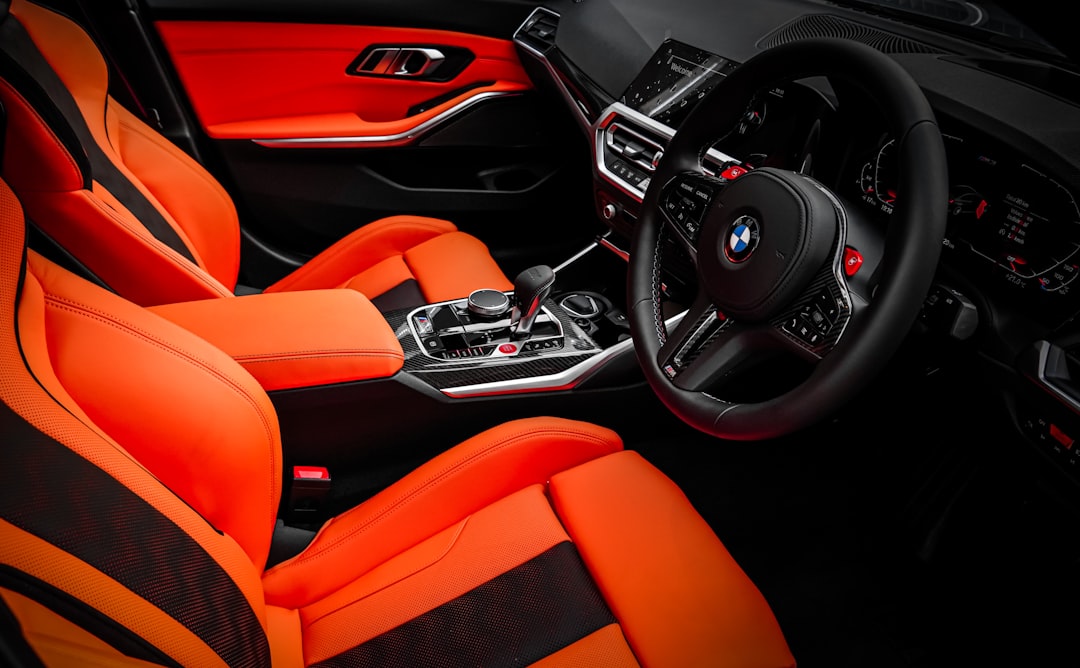
BMW uses several types of leather in its vehicles, including Dakota, Vernasca, Merino, and Nappa. Each type has unique characteristics and care requirements. Dakota and Vernasca are pigmented, making them more resistant to stains and damage, while Merino and Nappa are softer, more luxurious, and more delicate. Knowing your seat type is crucial for choosing the right cleaning products and methods. Pigmented leathers like Dakota and Vernasca can handle gentle, pH-neutral cleaners and light brushing. Merino and Nappa leathers, often found in M or 7 Series models, require extra care—only use products labeled safe for fine or aniline leather and avoid excessive moisture. Always read your BMW owner’s manual to verify the leather type and any manufacturer-specific care instructions. Neglecting proper care can lead to premature cracking, fading, and loss of suppleness. Regular inspection for drying, discoloration, or cracking is recommended, especially if your car is often exposed to direct sunlight. Conditioning should be done more often in dry or hot climates. By understanding your BMW’s leather type, you can better protect your investment and keep the interior looking pristine.
Tools and Products Needed for Cleaning BMW Leather Seats
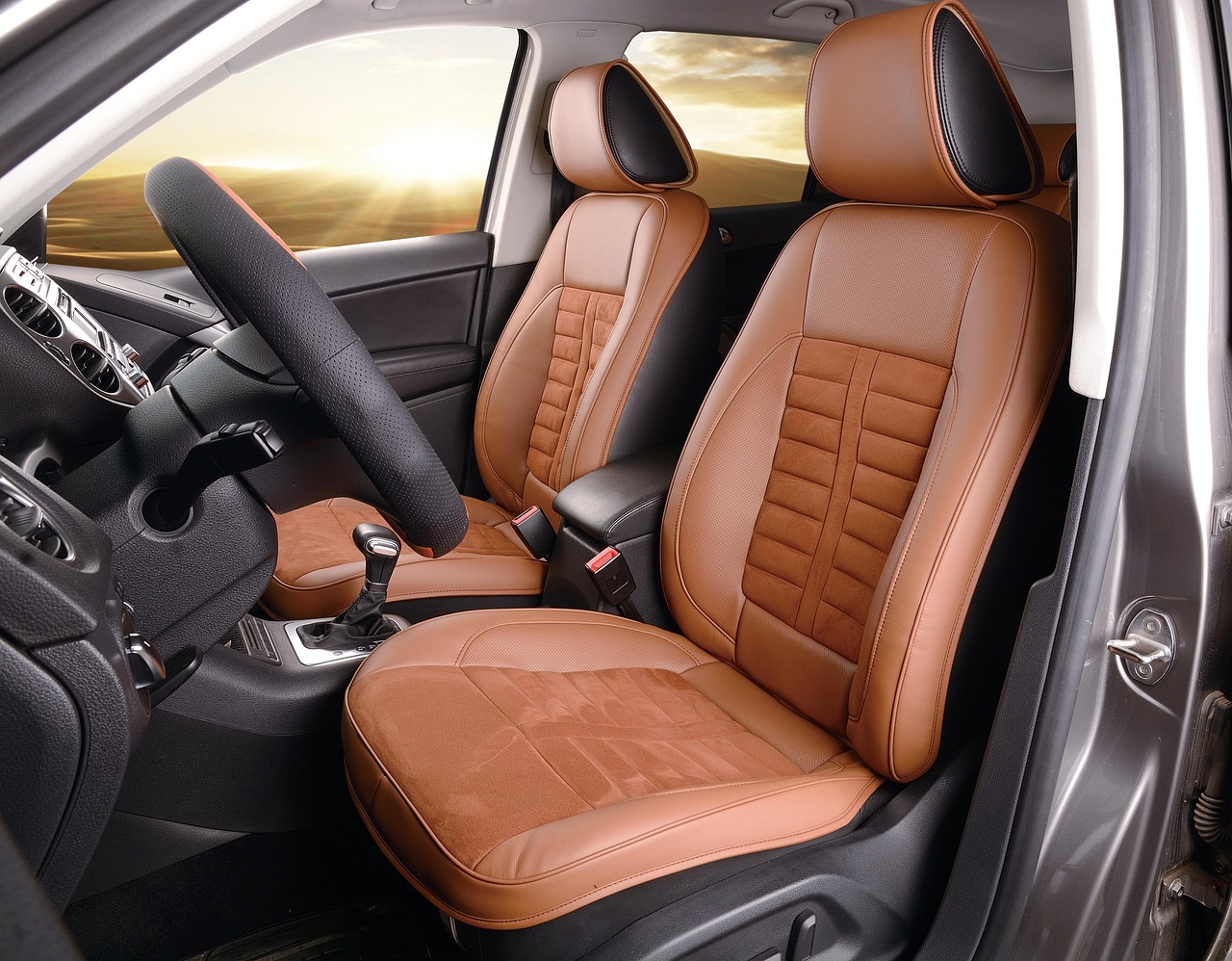
Choosing the right tools and products is fundamental to avoid damaging your BMW’s leather seats. Using harsh chemicals or abrasive tools can cause irreparable harm. Always opt for automotive-grade products designed specifically for leather. Some tools are essential regardless of leather type. A soft-bristled brush helps lift dirt from grain without scratching, while microfiber towels prevent swirls and absorb excess cleaner. For deep cleaning, a designated leather cleaner is vital—do not use household detergents, as they can strip the leather’s protective layer. A high-quality leather conditioner will restore moisture and flexibility, while optional UV protectant helps prevent fading in sunny climates. Avoid products with alcohol, ammonia, or silicone, as these can dry out or discolor the leather. If you’re unsure, test any new product on a hidden area first. Investing in the right supplies preserves the luxury and value of your BMW’s interior.
Step-by-Step: How to Clean BMW Leather Seats

Follow these detailed steps to safely clean your BMW’s leather seats, ensuring you preserve their look and feel while avoiding common pitfalls.
- Prepare Your Workspace
Park your BMW in a shaded area or garage to prevent the cleaner from drying too quickly.
Open the doors or windows for ventilation.
Gather all your cleaning supplies. - Vacuum the Seats
Use a vacuum with a soft brush attachment to remove loose dirt, dust, and debris from the leather surfaces, seams, and crevices.
Be gentle to avoid scratching the leather. - Apply Leather Cleaner
Spray a small amount of pH-neutral leather cleaner onto a microfiber cloth (not directly on the seat to avoid oversaturation).
Gently wipe one section at a time, using circular motions.
For heavily soiled areas, use a soft-bristled brush with light pressure to agitate the dirt. - Wipe Off Excess Cleaner
Use a clean, dry microfiber towel to remove any remaining cleaner and dirt.
Ensure no residue is left, as this can cause stickiness or attract more dirt. - Inspect for Stains or Spots
Check for any remaining stains.
For stubborn spots, repeat the cleaning process or use a specialized leather stain remover following product instructions. - Apply Leather Conditioner
Once the seats are dry, apply a high-quality leather conditioner to a fresh microfiber cloth.
Work it into the leather in small sections, using circular motions.
This restores moisture, flexibility, and adds a layer of protection. - Buff and Let Cure
After letting the conditioner sit for the recommended time (usually 10-20 minutes), buff the seats with a clean towel.
Let the seats cure with doors open or windows cracked to prevent moisture build-up.
Tips, Tricks, and Common Mistakes to Avoid
Proper technique isn’t just about following the right steps—it’s about knowing the finer points that make a difference and avoiding costly mistakes. Here are expert tips for getting the best results and extending the life of your BMW leather seats. Avoid soaking the leather. Excess liquid can seep into seams and cause mold, mildew, or damage to the seat padding. Always apply cleaners and conditioners to a cloth, not directly to the leather. Do not use heat sources like hair dryers to speed up drying; let leather air dry naturally. Rotate your cleaning and conditioning schedule to every 2-3 months if you live in a hot or dry climate, or if your car is parked outdoors frequently. If your BMW has ventilated or perforated seats, use minimal product to prevent clogging the holes. For colored or light leather interiors, address stains as soon as possible to prevent permanent discoloration. Never use bleach, ammonia, or alcohol-based products. These can break down the leather’s protective finish and cause cracking. Also, avoid colored cloths that may bleed dye. Finally, do not skip conditioning; this step is crucial to prevent leather from drying out and cracking.
Troubleshooting Stubborn Stains and Damage

Despite your best efforts, some stains or wear may require special attention. If you encounter ink, dye transfer, grease, or deep-set stains, use a specialized automotive leather stain remover—never generic household products. Apply with a cotton swab to limit the treated area, and always test in an inconspicuous spot first. For light scuffs or small cracks, leather repair kits designed for automotive use can restore minor damage. Follow the product instructions meticulously. For extensive damage, fading, or severe cracks, professional detailing or reupholstery may be necessary. Do not attempt to dye or paint leather seats yourself, as improper application will worsen the appearance and may void warranties. If after cleaning, your seats feel sticky or develop a white haze, this often means too much product was used or not buffed off properly. Re-wipe with a damp (not wet) microfiber cloth and re-buff. For lingering odors, ventilate the car well and avoid masking with strong air fresheners, as these can react with the leather.
Maintaining BMW Leather Seats: Long-Term Care and Protection
Ongoing maintenance is key to preserving the look and feel of your BMW’s leather seats for years. Routine cleaning and conditioning prevent buildup of grime and protect against drying or cracking. In addition to quarterly deep cleaning, wipe down seats with a damp microfiber towel weekly to remove surface dust and oils. Use seat covers or sunshades if your vehicle is parked outdoors for extended periods. UV rays are a leading cause of fading and drying in leather. Invest in a leather conditioner with built-in UV protection for added peace of mind. Treat spills immediately, especially on light or premium leathers, to prevent staining. Finally, avoid sharp objects, heavy bags, or clothing with metal parts that may scratch the leather. Teach passengers to be mindful, especially with items like keys or pens. With consistent care, your BMW leather seats will remain supple, vibrant, and luxurious for many years.
Conclusion
Properly cleaning and maintaining your BMW leather seats is an investment in your car’s comfort, appearance, and resale value.
By understanding your leather type, using the right products, and following a step-by-step cleaning and conditioning process, you can keep your interior looking luxurious for years.
Remember to avoid common pitfalls like harsh chemicals or excessive moisture, and address spills or stains promptly.
With a proactive maintenance schedule and a few smart precautions—like using sunshades and treating stains early—you’ll ensure your BMW’s seats remain supple, vibrant, and inviting.
Prioritizing leather care not only enhances your driving experience but helps preserve the timeless elegance that BMW interiors are known for.
Properly cleaning and maintaining your BMW leather seats is an investment in your car’s comfort, appearance, and resale value. By understanding your leather type, using the right products, and following a step-by-step cleaning and conditioning process, you can keep your interior looking luxurious for years. Remember to avoid common pitfalls like harsh chemicals or excessive moisture, and address spills or stains promptly. With a proactive maintenance schedule and a few smart precautions—like using sunshades and treating stains early—you’ll ensure your BMW’s seats remain supple, vibrant, and inviting. Prioritizing leather care not only enhances your driving experience but helps preserve the timeless elegance that BMW interiors are known for.