
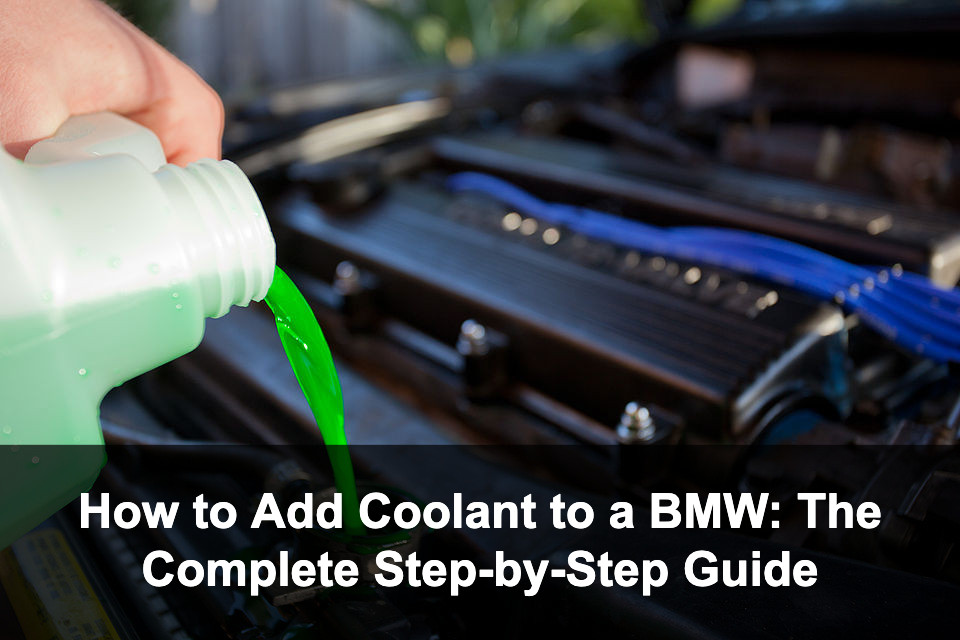
BMW vehicles are renowned for their engineering precision, but that same sophistication means maintenance tasks like adding coolant demand special attention.
Whether you’ve noticed your BMW’s coolant level warning light or want to top off before a road trip, it’s vital to use the right process to ensure optimal engine health and performance.
Adding coolant to a BMW involves letting the engine cool, locating the coolant reservoir (usually a translucent plastic tank near the radiator), and filling it with the correct BMW-approved coolant mixture up to the specified mark.
Always ensure the vehicle is on a level surface and use a 50/50 mix of approved coolant and distilled water unless otherwise specified in your owner’s manual.
This comprehensive guide will walk you through every step, from understanding your BMW’s cooling system to troubleshooting common issues, so you can confidently maintain your vehicle—and avoid costly mistakes.
We’ll cover required tools, safety steps, model-specific tips, and common warning signs, ensuring you’re equipped to safely and effectively add coolant to any BMW model.
Understanding the BMW Cooling System and Why Proper Coolant Matters
The cooling system in your BMW is a complex network of hoses, sensors, and the radiator, all working together to keep your engine at optimal temperature.
Coolant, also known as antifreeze, is engineered to prevent freezing in cold temperatures, boiling in heat, and to protect against corrosion inside the engine and radiator.
Using the right type of coolant is essential for BMWs—unapproved formulas can lead to premature corrosion, gasket failures, and even engine damage.
For most modern BMWs, a blue or green BMW-branded coolant (such as BMW Antifreeze/Coolant or compatible G48 or G11/G12 for older models) is recommended.
Always avoid mixing generic or incompatible coolants, as this can cause chemical reactions that damage the cooling system.
Before adding coolant, familiarize yourself with your model’s specific requirements by consulting your owner’s manual or the labeling on the coolant reservoir cap.
Understanding these basics will help you keep your BMW running smoothly and avoid unnecessary repairs.
Preparing for Coolant Addition: Tools, Safety, and Pre-Check Steps
Before you begin adding coolant to your BMW, proper preparation is key for both safety and efficiency.
Start by parking your vehicle on a level surface and ensuring the engine is completely cool—never open the coolant reservoir cap when the engine is hot, as the pressurized system can cause hot coolant to spray out and cause burns.
Gather the necessary tools and materials, which typically include BMW-approved coolant, distilled water (if not pre-mixed), a funnel, gloves, and a clean rag.
Inspect the area around the coolant reservoir for signs of leaks, cracks, or residue, as these may indicate underlying issues.
Locate the coolant reservoir—usually a translucent plastic tank with a colored cap—by consulting your owner’s manual or inspecting the engine bay.
Some BMW models have a float indicator or MAX/MIN fill lines on the reservoir for accurate measurement.
Before proceeding, visually check the current coolant level and color.
If the coolant appears rusty, oily, or cloudy, a full flush may be necessary.
Always read the warning labels and follow manufacturer instructions to avoid damaging sensitive BMW components.
Step-by-Step Instructions: How to Add Coolant to Your BMW
Adding coolant to your BMW is a straightforward process when approached methodically.
Follow these precise steps for safe and effective coolant top-up:
- Ensure the engine is completely cool and the ignition is off.
Attempting to open the coolant reservoir while hot can cause serious burns or injuries. - Pop the hood and locate the coolant expansion tank.
On most BMWs, this translucent plastic tank is near the radiator or along the side of the engine bay.
The cap is often blue or black and may feature a warning label. - Inspect the current coolant level.
The tank will have ‘MIN’ and ‘MAX’ markers or a floating indicator stick.
If the coolant is below ‘MIN,’ you need to add more. - Prepare your coolant mix.
For most BMWs, use a 50/50 mixture of BMW-approved coolant and distilled water unless using a pre-mixed formula.
Never use tap water as it introduces minerals that can corrode internal parts. - Slowly unscrew the coolant reservoir cap, allowing any residual pressure to escape.
Use a rag to protect your hand in case of unexpected steam. - Insert a clean funnel into the reservoir opening.
Pour the coolant mixture slowly, watching the fill line or indicator float.
Stop when the level reaches ‘MAX’—do not overfill, as this can cause leaks or system pressure issues. - Reinstall the coolant cap securely, ensuring it clicks or is tightened as per the manufacturer’s instructions.
A loose cap can cause leaks or trigger warning lights. - Wipe up any spills with a clean rag and check for leaks around the reservoir and hoses.
- Start the engine and let it idle for several minutes with the heater on high.
This helps purge air bubbles from the cooling system.
Check the coolant level again once the engine cools; top up if necessary.
Always dispose of used coolant responsibly as it’s toxic to humans and animals.
Carefully following these steps will help you maintain your BMW’s cooling system health and prevent overheating.
Model-Specific Tips and Common Mistakes to Avoid
BMW’s model lineup includes sedans, SUVs, and sports cars, each with unique engine layouts and coolant system quirks.
For instance, on some 3 Series and 5 Series models, the coolant reservoir is tucked away near the firewall, requiring a flashlight and patience.
Newer BMWs may use a floating indicator stick instead of traditional MAX/MIN lines.
Always avoid using unapproved coolant; mixing types (such as green with blue or pink) can cause sludge and reduce system efficiency.
Overfilling the reservoir can lead to overflow once the engine heats up, potentially causing electrical issues if coolant contacts sensitive components.
On turbocharged or M-series engines, ensure you’re using the highest grade BMW coolant, as these engines run hotter.
Never ignore persistent coolant loss, as this usually points to leaks in the water pump, radiator, or head gasket.
When in doubt, have the system pressure-tested by a professional.
Finally, always double-check that the coolant cap is fully tightened, as a loose cap is a common cause of warning lights.
Troubleshooting: What to Do If Problems Persist
If your BMW continues to display coolant warning lights or you notice rapid coolant loss after topping up, further investigation is required.
Frequent low coolant could indicate a leak (common points include the radiator, water pump, expansion tank, or hose connections) or, more seriously, a head gasket failure.
Check under the car for puddles or signs of dried coolant near hose joints.
If the coolant appears milky or oily, it may indicate internal engine problems.
Air trapped in the system after adding coolant can cause overheating or erratic gauge readings—this is especially common on some BMWs with complex cooling systems.
To bleed air, some models have a bleed screw near the expansion tank; with the engine cold, open the screw slightly while topping up coolant until only liquid (no bubbles) escapes.
If you’re unable to resolve the issue or the warning light remains, consult a BMW-certified technician.
Delaying repairs can lead to catastrophic engine damage.
Maintenance Schedules, Coolant Change Intervals, and Best Practices
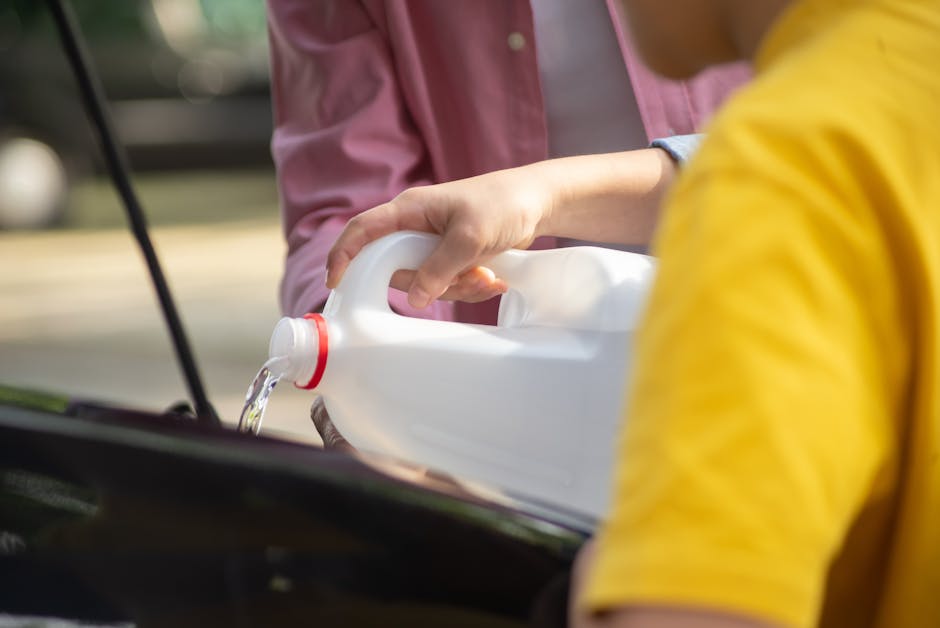
Proper maintenance of your BMW’s cooling system extends engine life and prevents unexpected breakdowns.
BMW generally recommends changing coolant every 2-4 years or 30,000-50,000 miles, but this may vary based on model and driving conditions.
Always record the date and mileage of coolant additions or changes.
Regularly inspect the coolant reservoir during oil changes or monthly checks, especially before long trips or harsh weather.
Use only distilled water for mixing, as minerals in tap water can cause scale buildup.
Never attempt to substitute coolant with plain water except in emergencies, as it lacks corrosion inhibitors.
For older BMWs, pay special attention to plastic expansion tanks and hoses that can become brittle with age.
If you frequently drive in extreme temperatures or heavy traffic, consider shortening the service interval.
Always dispose of old coolant at designated recycling centers and keep it away from children and pets, as it is highly toxic.
Conclusion
Maintaining your BMW’s cooling system by regularly checking and topping up coolant is one of the simplest yet most crucial steps you can take to ensure long-term engine reliability.
By using the correct BMW-approved coolant, following the step-by-step procedure outlined above, and observing safety precautions, you can prevent common issues such as overheating, corrosion, and costly mechanical failures.
Always consult your owner’s manual for model-specific guidance and adhere to recommended maintenance intervals.
Should you encounter persistent coolant loss or warning lights, address the problem promptly to avoid more serious engine damage.
Proper coolant care not only keeps your BMW running smoothly but also protects your investment for years to come.
With this guide as your reference, you’re equipped to handle coolant maintenance confidently and safely.