
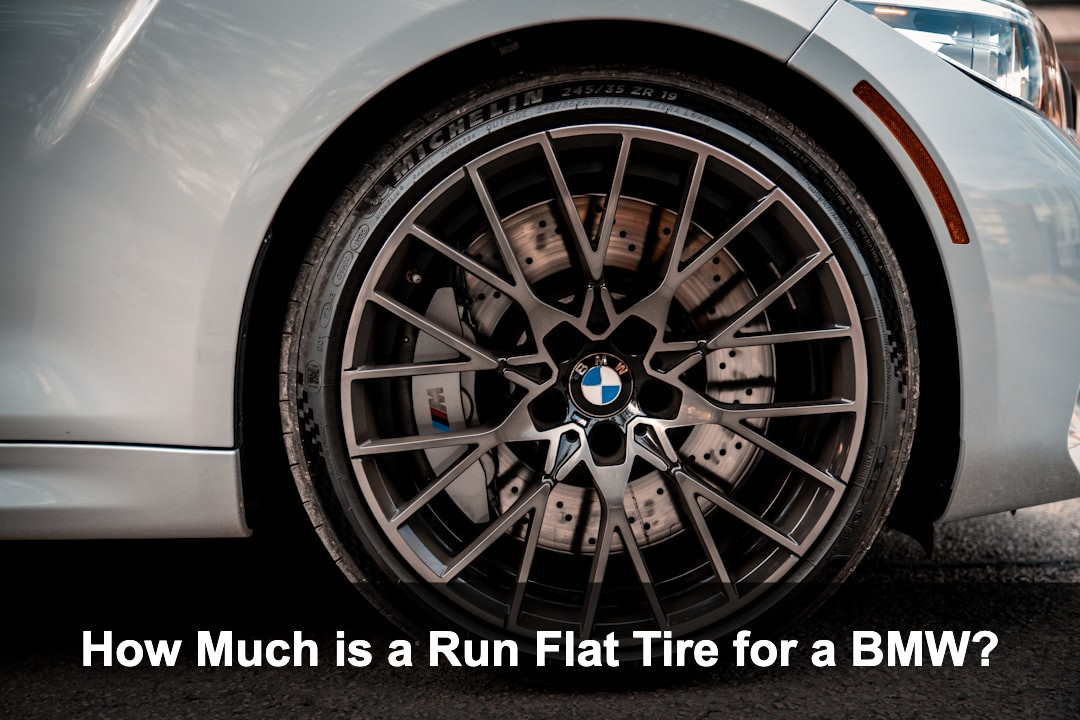
Run flat tires are a popular choice for BMW vehicles due to their ability to maintain functionality after a puncture. On average, the cost of a run flat tire for a BMW ranges from $150 to $400 per tire, depending on the model and specifications. This price often reflects the unique engineering and technology that goes into run flat tires, making them a worthwhile investment for many drivers. In this article, we will delve into the various factors influencing the cost, the benefits of run flat tires, and additional considerations for BMW owners.
Key Statistics
Understanding Run Flat Tire Technology
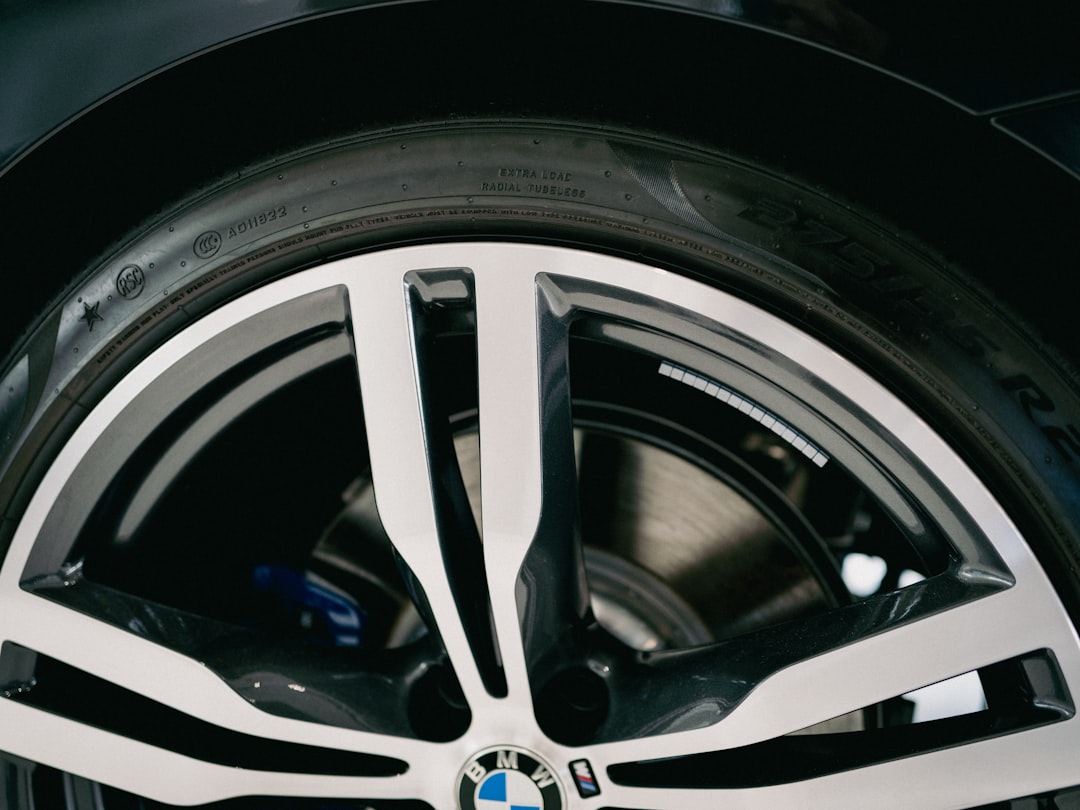
Run flat tires are designed to maintain their shape and support the weight of the vehicle even when they lose air pressure. This is achieved through reinforced sidewalls that allow the tire to be driven for a limited distance after a puncture. For BMWs, which often come equipped with this technology, run flat tires enhance convenience and safety. They eliminate the need for a spare tire, saving space and weight in the vehicle. However, the performance characteristics of run flat tires can differ significantly from traditional tires, affecting ride comfort and handling. BMW recommends specific models for their vehicles, ensuring optimal performance and compatibility. Drivers should also consider the terrain and driving conditions, as these factors can influence tire longevity and performance.
Comparison of Run Flat vs. Standard Tires
| Feature | Run Flat Tires | Standard Tires |
|---|---|---|
| Puncture Resistance | High | Low |
| Weight | Heavier | Lighter |
| Ride Comfort | Stiffer | Softer |
| Spare Tire Requirement | No | Yes |
| Cost | Higher | Lower |
Pros and Cons of Run Flat Tires
✅ Pros
- Enhanced safety with continued mobility
- No need for a spare tire
❌ Cons
- Stiffer ride quality
- Higher replacement cost
Factors Affecting the Cost of Run Flat Tires for BMW
The price of run flat tires for BMW vehicles is influenced by several factors, including tire brand, size, and performance capabilities. Premium brands like Michelin and Bridgestone often command higher prices due to their advanced technology and reputation. Additionally, tire size plays a significant role; larger tires designed for high-performance BMW models may be more expensive than those for standard models. Performance characteristics, such as tread pattern and rubber composition, can also affect pricing. Furthermore, installation costs and potential additional services, like tire balancing or wheel alignment, should be considered when budgeting for new tires. Overall, BMW owners should weigh these factors carefully to make an informed decision that balances cost with performance and safety.
Price Comparison of Popular Run Flat Tire Brands
| Brand | Average Price per Tire | Performance Rating |
|---|---|---|
| Michelin Pilot Sport | $250 | High |
| Bridgestone Potenza | $225 | High |
| Continental ContiSportContact | $200 | Medium |
| Pirelli P Zero | $275 | High |
Where to Purchase Run Flat Tires for BMW
Run flat tires for BMW can be purchased from various sources, including authorized BMW dealerships, tire specialty shops, and online retailers. Authorized dealers often provide the advantage of expert installation and warranty support, but the prices may be higher than other options. Tire specialty shops can offer competitive pricing and frequently hold promotions or discounts. Online retailers, such as Tire Rack and Amazon, allow for price comparison and often provide customer reviews, but installation must be arranged separately. When choosing a purchase location, consider factors like convenience, warranty, and installation services to ensure a satisfactory buying experience. Additionally, checking for local tire sales or promotions can lead to significant savings.
Checklist for Purchasing Run Flat Tires
- Confirm tire size and specifications
- Compare prices from different retailers
- Check for warranty and return policies
- Consider installation options and costs
- Look for seasonal promotions or discounts
Maintaining Run Flat Tires for BMW
Proper maintenance of run flat tires is essential to maximize their lifespan and performance. Regularly check tire pressure, as under-inflation can lead to reduced effectiveness in case of a puncture. Many BMW models come equipped with Tire Pressure Monitoring Systems (TPMS) to alert drivers of low pressure. Additionally, rotate tires regularly according to the manufacturer’s recommendations to ensure even wear. Inspect the tires for any signs of damage or uneven tread wear, as these can indicate alignment or suspension issues that need to be addressed. Seasonal tire inspections can also be beneficial, particularly if driving in varied weather conditions. When it comes time for replacement, consider factors such as tread depth, age, and overall tire condition.
Tire Maintenance Schedule
| Maintenance Task | Frequency | Notes |
|---|---|---|
| Tire Pressure Check | Monthly | Use TPMS or manual gauge |
| Tire Rotation | Every 5,000 – 7,500 miles | Refer to owner’s manual |
| Visual Inspection | Bi-weekly | Look for damage or wear |
| Alignment Check | Every 10,000 miles | Ensure even tire wear |
Frequently Asked Questions
How long can I drive on a run flat tire after a puncture?
Most run flat tires allow for driving up to 50 miles at a maximum speed of 50 mph after losing air pressure. However, conditions may vary, so it is essential to consult the manufacturer’s guidelines.
Are run flat tires worth the extra cost?
Run flat tires offer benefits such as safety and convenience, particularly for drivers who prefer not to carry a spare. However, the trade-off includes a stiffer ride and higher replacement costs, making them a matter of personal preference.
Can I replace run flat tires with standard tires on my BMW?
While it is possible to replace run flat tires with standard tires, it is not recommended without consulting a professional. Standard tires may not provide the same level of safety and performance, particularly in emergency situations.
How often should I replace run flat tires?
Run flat tires should generally be replaced every 30,000 to 50,000 miles, depending on wear and driving conditions. Regular inspections can help determine the right time for replacement.
Can I repair a run flat tire?
While some punctures might be repairable, many manufacturers advise against repairing run flat tires once they have been driven flat. Always consult a professional for a thorough evaluation.
Conclusion
In conclusion, run flat tires are a significant investment for BMW owners, typically costing between $150 and $400 each. While they provide enhanced safety and convenience, particularly in emergency situations, their unique characteristics and higher costs may not suit every driver. Understanding the factors influencing pricing, where to purchase, and how to maintain run flat tires is crucial for maximizing their benefits. Ultimately, the decision to opt for run flat tires should consider personal preferences, driving habits, and vehicle performance needs. Making an informed choice can ensure that BMW owners enjoy a safer and more comfortable driving experience.