
The BMW E36, produced from 1990 to 2000, is a beloved model among car enthusiasts for its balance of performance, style, and affordability. Prices for the E36 can vary significantly based on factors like condition, mileage, and specific model variant. On average, you can expect to pay between $3,000 and $15,000, depending on these variables. In this article, we will delve deeper into the pricing trends, factors influencing cost, and tips for potential buyers.
Key Statistics
Understanding the BMW E36
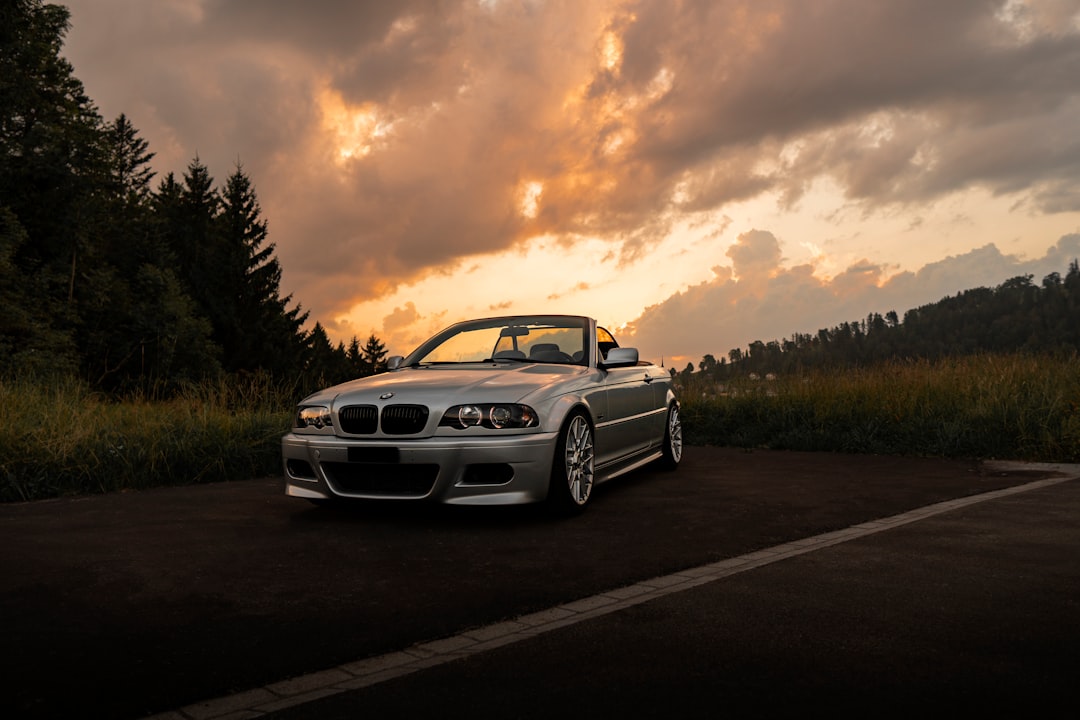
The BMW E36 is part of the 3 Series lineup and is known for its well-balanced dynamics and driving experience. It was available in various configurations, including coupes, sedans, and convertibles, appealing to a wide range of automotive enthusiasts. The E36 is particularly celebrated for its M3 variant, which features a more powerful engine and sportier suspension. Its lightweight design and rear-wheel-drive layout contribute to its reputation as a fun-to-drive vehicle. Additionally, the E36’s aesthetic appeal, with its classic BMW styling, makes it a sought-after model in the used car market.
BMW E36 Model Variants
| Model | Body Style | Engine Type |
|---|---|---|
| 318i | Sedan | 1.8L I4 |
| 325i | Coupe | 2.5L I6 |
| 328i | Convertible | 2.8L I6 |
| M3 | Coupe | 3.0L/3.2L I6 |
Pros and Cons of the BMW E36
✅ Pros
- Excellent handling and driving dynamics
- Wide availability of parts and aftermarket support
❌ Cons
- Potential for rust in older models
- Some models may have high maintenance costs
Factors Influencing BMW E36 Prices
Several factors can significantly influence the pricing of a BMW E36. Condition is paramount; a well-maintained vehicle with low mileage will command a higher price than one with extensive wear and tear. The specific model also plays a crucial role; for example, the M3 variant typically fetches a premium due to its performance credentials. Additionally, geographical location can affect pricing, with vehicles in urban areas often priced higher due to demand. Other influencing factors include service history, modifications, and market trends. It’s important for buyers to consider these aspects when evaluating potential purchases.
Factors Affecting E36 Pricing
| Factor | Impact on Price | Description |
|---|---|---|
| Condition | High | Well-maintained cars are priced higher. |
| Mileage | Moderate | Lower mileage typically increases value. |
| Model Variant | High | M3 models are often significantly more expensive. |
| Location | Moderate | Urban areas may see inflated prices. |
| Market Trends | Variable | Current demand can raise or lower prices. |
Where to Buy a BMW E36
There are various platforms and avenues for purchasing a BMW E36. Online marketplaces such as Autotrader, Cars.com, and eBay Motors offer a wide range of listings, allowing potential buyers to filter their search by price, location, and condition. Additionally, enthusiast forums and clubs often have classified sections where members list vehicles for sale. Local dealerships may also have E36 models, but prices there can be higher. It’s essential to thoroughly inspect any vehicle and consider getting a pre-purchase inspection to avoid potential pitfalls.
Checklist for Buying a BMW E36
- Research the specific model and its common issues
- Check the vehicle history report
- Inspect the car personally or via a trusted mechanic
- Negotiate the price based on your findings
- Consider the total cost of ownership including insurance and maintenance
Cost of Maintenance and Ownership
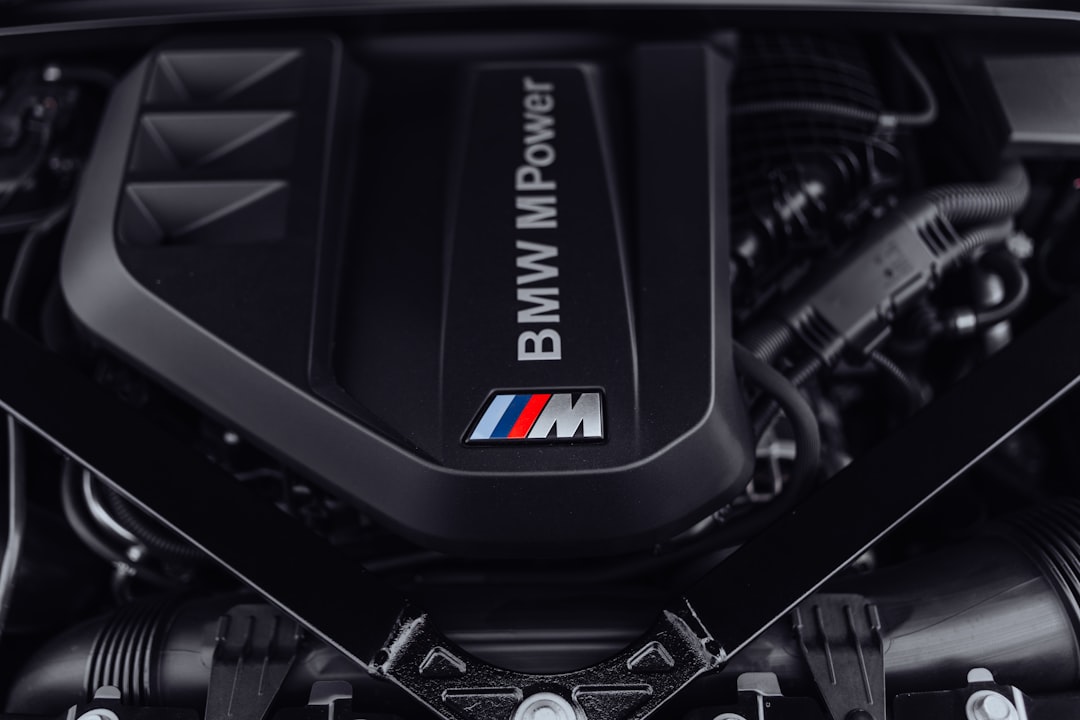
Owning a BMW E36 involves more than just the purchase price; prospective owners should also consider ongoing maintenance costs. Regular maintenance, including oil changes, brake service, and inspections, can range from $500 to $1,500 annually. Additionally, parts availability is generally good, and many aftermarket options exist, which can help manage costs. However, some specific components, especially those related to the M3, may be more expensive. Buyers should also factor in insurance costs, which can vary based on the vehicle’s age and their driving history.
Estimated Annual Maintenance Costs
| Service Type | Estimated Cost |
|---|---|
| Oil Change | $100 – $150 |
| Brake Pads Replacement | $200 – $400 |
| Tire Replacement | $500 – $1,000 |
| Annual Inspection | $100 – $300 |
Market Trends and Future Value
The BMW E36 has seen a resurgence in popularity among classic car enthusiasts, with many viewing it as a modern classic. This trend has resulted in an increase in the values of well-maintained models, particularly the M3. As the E36 ages, its scarcity may further drive prices up. Investing in a well-preserved E36 can yield returns, especially if it is a sought-after model. However, potential buyers should be cautious and do their research, as not all E36s will appreciate in value, particularly those that have been poorly maintained or heavily modified.
Pros and Cons of Investing in a BMW E36
✅ Pros
- Potential for appreciation in value
- Strong enthusiast community for support
❌ Cons
- Market fluctuations can impact value
- Maintenance costs can be high for certain models
Frequently Asked Questions
What is the best model of the BMW E36?
The BMW E36 M3 is often considered the best model due to its performance, handling, and desirability among collectors. However, models like the 328i also offer great value and driving experience.
Are BMW E36s reliable?
While the BMW E36 is generally reliable, like any older car, it requires regular maintenance. Issues can arise, especially in high-mileage vehicles, so it’s vital to get a thorough inspection.
How do I maintain a BMW E36?
Regular maintenance includes oil changes, brake inspections, and checking the cooling system. Joining an enthusiast forum can provide valuable tips and resources.
What are common issues with the BMW E36?
Common issues include electrical problems, cooling system failures, and rust, particularly in older models. It’s crucial to inspect these areas when buying.
Is it worth buying a BMW E36 as a first car?
The BMW E36 can be a fun and stylish first car, but potential buyers should consider insurance costs and reliability. A well-maintained example can be a good choice.
Conclusion
In conclusion, the BMW E36 represents a fantastic blend of performance, style, and affordability, making it a popular choice among car enthusiasts and first-time buyers alike. With prices ranging from $3,000 to $15,000, the cost of purchasing an E36 can vary widely based on model, condition, and location. It’s essential to evaluate factors influencing pricing, consider ongoing maintenance costs, and stay informed about market trends when making your decision. The E36 not only promises an enjoyable driving experience but also holds the potential for appreciation as a classic vehicle. Whether you are looking for a daily driver or a project car, the E36 remains a compelling option in the used car market.