
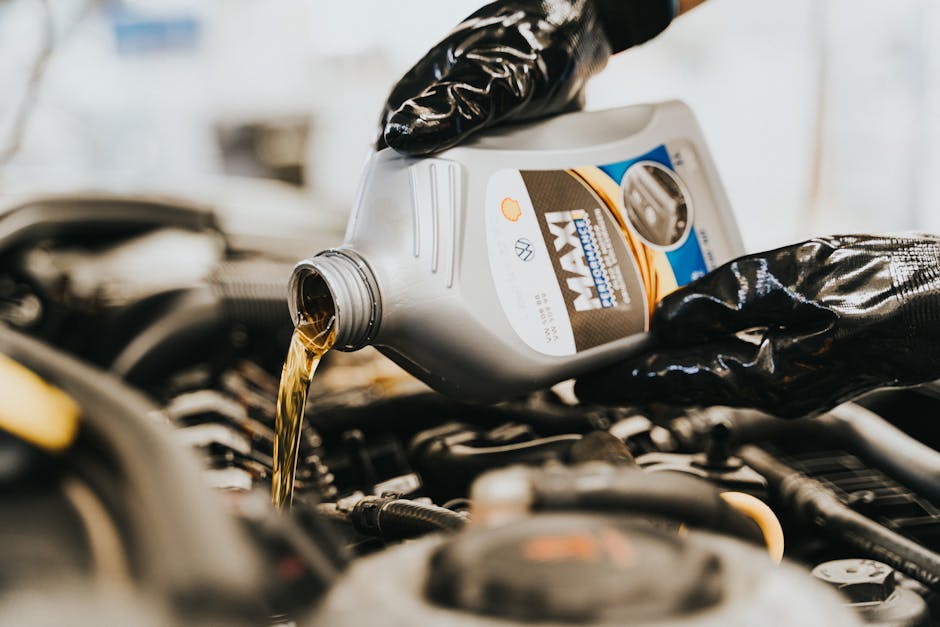
The cost of an oil change for a BMW typically ranges from $100 to $300, depending on various factors like the model, oil type, and service location. For some higher-end models, the price can be even higher. Understanding what influences these costs can help BMW owners budget accordingly and ensure they receive quality service.
Key Statistics
Factors Influencing the Cost of an Oil Change

Several factors contribute to the overall cost of an oil change for a BMW. The model and year of the vehicle play a significant role, as newer models often require more expensive synthetic oil and specialized filters. Additionally, the type of oil used—whether conventional or synthetic—affects pricing. Synthetic oil tends to cost more but offers better performance and longevity, making it a preferred choice for many BMW owners. Another critical factor is the location of the service provider. Dealerships generally charge more for oil changes compared to independent mechanics due to their overhead costs and the specialized service they provide. Furthermore, geographical location can impact prices, with urban areas typically seeing higher rates than rural settings. Lastly, any additional services performed during the oil change, such as fluid top-offs or inspections, can also add to the total cost.
Oil Change Cost Comparison
| Service Provider | Average Cost | Oil Type |
|---|---|---|
| BMW Dealership | $150 – $300 | Synthetic |
| Independent Mechanic | $100 – $200 | Synthetic/Conventional |
| Quick Lube Shop | $50 – $150 | Conventional |
Pros and Cons of Different Oil Change Options
✅ Pros
- High-quality service at dealerships
- Use of OEM parts and oils
❌ Cons
- Higher cost at dealerships
- Limited service options at quick lube shops
The Importance of Regular Oil Changes

Regular oil changes are crucial for maintaining the performance and longevity of a BMW. Engine oil lubricates the moving parts of the engine, reducing friction and preventing wear. Over time, oil degrades and becomes contaminated with dirt and debris, which can lead to engine damage if not changed regularly. For BMWs, adhering to the recommended service intervals—typically every 7,500 miles or once a year—ensures that the engine runs smoothly and efficiently. Neglecting oil changes can lead to decreased fuel efficiency, reduced performance, and potentially costly repairs down the line. Additionally, many BMW models come equipped with an oil life monitor that alerts drivers when it’s time for an oil change, making it easier to keep track of maintenance needs.
Choosing the Right Oil for Your BMW

Selecting the right oil for your BMW is essential for optimal engine performance. BMW typically recommends synthetic oil due to its superior lubrication properties and ability to withstand high temperatures. Synthetic oil not only provides better engine protection but also improves fuel efficiency, making it an ideal choice for high-performance vehicles. When choosing oil, it’s important to refer to the owner’s manual for the recommended viscosity and specifications. Many BMWs require oils that meet the BMW Longlife standard, which ensures the oil is suitable for the specific engine design. Additionally, using high-quality filters during oil changes is equally important, as a good filter helps trap contaminants and prolongs the life of the oil.
DIY vs. Professional Oil Change
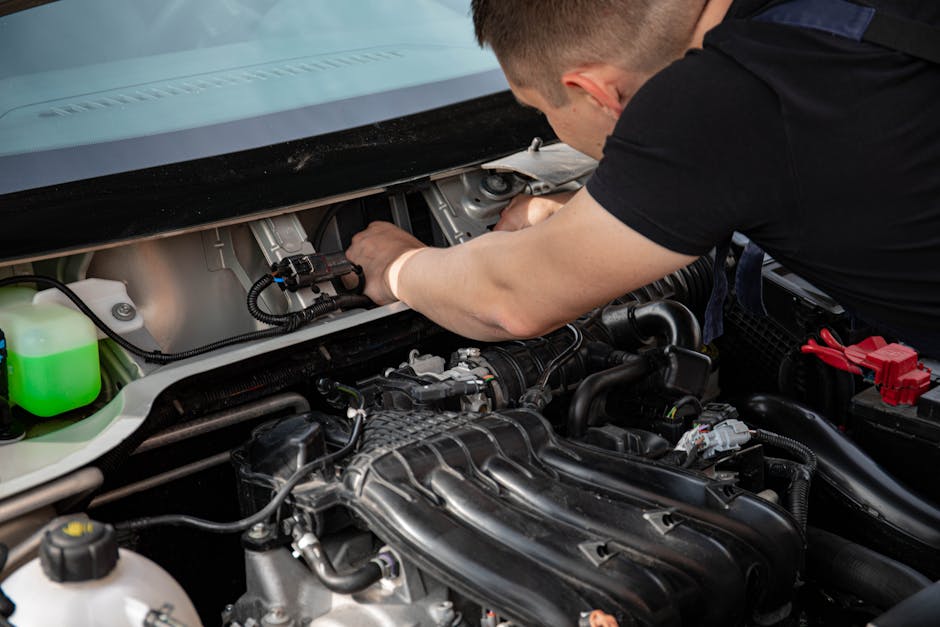
Many BMW owners consider whether to perform oil changes themselves or seek professional service. DIY oil changes can save money, especially for those who are mechanically inclined and have the necessary tools. However, it’s essential to have a good understanding of the process and to use high-quality oil and filters to avoid damaging the engine. On the other hand, professional services offer the advantage of expertise and the convenience of not having to deal with the mess and disposal of used oil. Additionally, professional mechanics can perform inspections and other maintenance tasks during the oil change, which can help catch potential issues before they become significant problems. Weighing the pros and cons can help owners make the best choice for their situation.
What to Expect During an Oil Change

When taking a BMW for an oil change, customers can expect a thorough process that includes several important steps. Initially, the mechanic will assess the vehicle to determine the correct type of oil and filter required. The vehicle will then be lifted to allow for easy access to the oil drain plug and filter. After draining the old oil, the mechanic will replace the oil filter and refill the engine with new oil. Most service providers also conduct a complimentary inspection of other essential vehicle systems during an oil change, which may include checking fluid levels, brakes, and tires. Customers should receive a detailed invoice outlining the services performed and any recommendations for future maintenance, ensuring transparency and trust in the service.
Frequently Asked Questions
How often should I change the oil in my BMW?
BMW recommends changing the oil every 7,500 miles or once a year, whichever comes first. However, it’s advisable to refer to the owner’s manual for specific recommendations based on your model.
Can I use conventional oil instead of synthetic in my BMW?
While it is possible to use conventional oil, BMW generally recommends synthetic oil for better performance, engine protection, and longevity.
What are the signs that I need an oil change?
Common signs include a dashboard oil warning light, unusual engine noises, or the smell of oil. Regularly checking the oil level and condition can also help determine when an oil change is needed.
Is it worth it to go to a dealership for an oil change?
Dealerships provide specialized service and often use OEM parts and oils, which can be beneficial for maintaining warranty coverage. However, they may charge higher prices compared to independent shops.
What should I do with used oil after an oil change?
Used oil should be disposed of properly, as it can be harmful to the environment. Many auto parts stores and service centers offer recycling programs for used oil.
Conclusion
Understanding the costs associated with oil changes for BMWs can help owners make informed decisions about their vehicle maintenance. With a typical price range of $100 to $300, several factors influence these costs, including model, oil type, and service location. Regular oil changes are vital for engine health, and selecting the right oil and service provider can significantly affect performance and longevity. Whether opting for a DIY approach or professional service, prioritizing timely maintenance will ensure a smoother and more efficient driving experience.