

Tuning a BMW can significantly enhance its performance, but the cost varies widely depending on several factors. On average, you can expect to pay between $500 and $2,500 for a professional tune-up, with performance enhancements potentially increasing the price. This article explores the various aspects of tuning a BMW, including types of tuning, associated costs, and factors that influence pricing.
Key Statistics
Understanding BMW Tuning
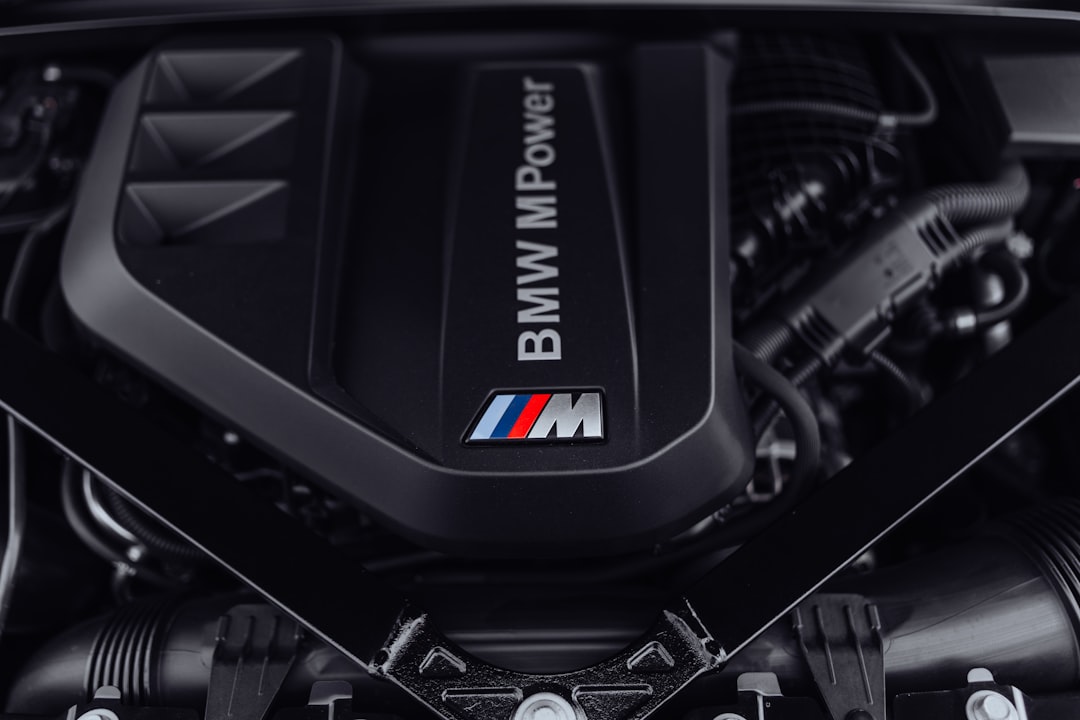
Tuning a BMW involves modifying the vehicle’s engine management system to improve performance, fuel efficiency, or drivability. There are various types of tuning, including ECU remapping, chip tuning, and performance upgrades. Each method targets specific aspects of the vehicle, such as horsepower and torque enhancements, improved throttle response, and optimized fuel maps. The chosen method can dramatically impact the vehicle’s performance, driving experience, and even fuel consumption, making it essential for owners to understand their options. The popularity of tuning has surged in recent years, especially among BMW enthusiasts who seek to maximize their car’s potential. Many owners opt for tuning to achieve better acceleration, responsiveness, and overall driving enjoyment. However, it’s vital to choose a reputable tuner to ensure the modifications are safe and reliable.
Types of BMW Tuning Methods
| Tuning Method | Description | Typical Cost |
|---|---|---|
| ECU Remapping | Alters the engine’s software for enhanced performance | $300 – $1,200 |
| Chip Tuning | Replaces the factory chip with a performance chip | $400 – $1,500 |
| Performance Exhaust Installation | Upgrades exhaust system for better airflow | $600 – $2,000 |
| Cold Air Intake Installation | Improves engine air intake efficiency | $200 – $800 |
Pros and Cons of Tuning a BMW
✅ Pros
- Increased horsepower and torque
- Improved throttle response
❌ Cons
- Potential warranty issues
- Increased wear on engine components
Factors Influencing the Cost of Tuning

The cost of tuning a BMW can be influenced by various factors. Firstly, the make and model of the vehicle plays a significant role. For example, tuning a high-performance model like the M series may be pricier due to its complex engine management systems. Additionally, the type of tuning desired—whether it be a simple ECU remap or extensive modifications—will greatly affect the overall cost. The skill level and reputation of the tuning shop also impact pricing. Established shops with a history of successful tunes may charge a premium for their expertise, while less experienced shops might offer lower rates but at the risk of subpar results. Furthermore, the geographical location can also affect costs, as labor rates vary by region. Owners should also consider the cost of any additional modifications, such as upgraded exhaust systems or intake systems, which are often necessary to fully realize the benefits of tuning.
Factors Affecting Tuning Cost
| Factor | Impact on Cost |
|---|---|
| Vehicle Model | High-performance models cost more |
| Tuning Type | Extensive mods are pricier than basic remaps |
| Tuning Shop Reputation | Established tuners charge more |
| Geographical Location | Labor rates vary by region |
Checklist for Choosing a Tuning Shop
- Check customer reviews and ratings
- Verify experience with your specific BMW model
- Ask about warranty on tuning services
- Inquire about post-tuning support and adjustments
Potential Risks of Tuning

While tuning offers numerous benefits, it is not without risks. One significant concern is the potential for voiding the vehicle’s warranty. Many manufacturers consider modifications to the engine management system as grounds for warranty denial. Additionally, tuning can lead to increased wear on engine components, as the higher performance often puts more stress on the engine. This can result in premature failures if the engine is not adequately maintained or if subpar tuning practices are employed. Another risk involves emissions compliance. Some tuning methods can alter the emissions output of the vehicle, potentially causing it to fail emissions tests and violate local laws. Therefore, it’s crucial for BMW owners to be aware of their local regulations and ensure that any tuning performed keeps the vehicle within legal limits.
Potential Risks of Tuning
| Risk | Description |
|---|---|
| Warranty Void | Modifications may void manufacturer warranty |
| Increased Wear | Higher performance can stress engine components |
| Emissions Issues | Tuning may affect compliance with emissions laws |
Pros and Cons of BMW Tuning Risks
✅ Pros
- Enhanced driving experience
- Improved vehicle performance
❌ Cons
- Risk of warranty voiding
- Potential for mechanical failures
Choosing the Right Tune for Your BMW
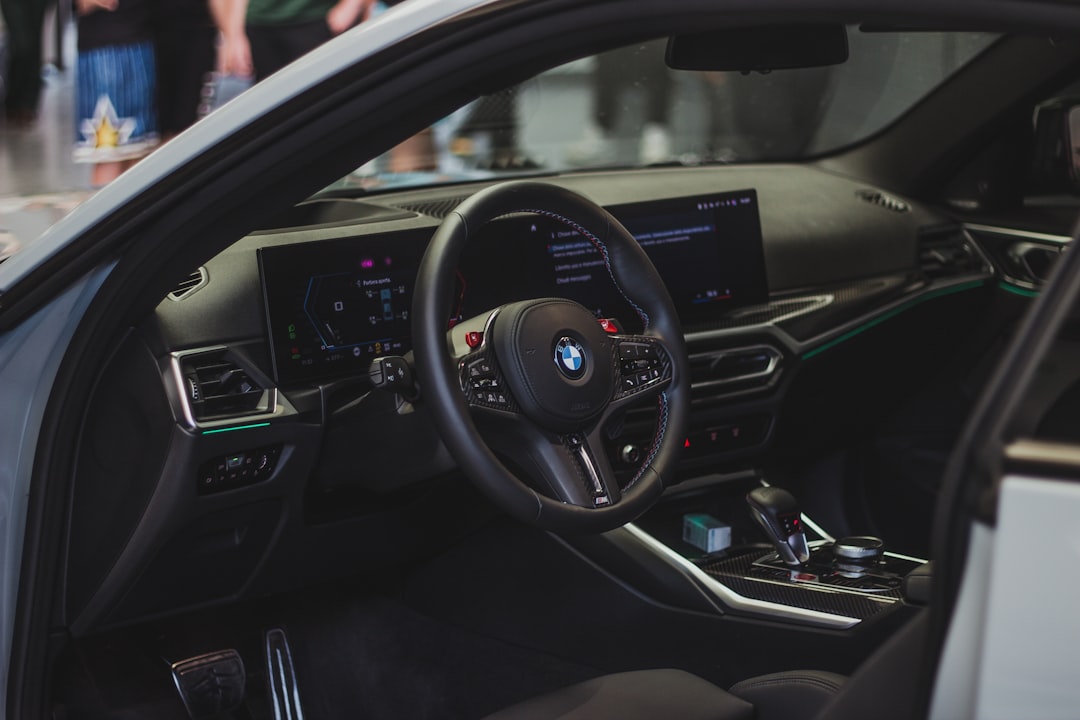
When deciding how to tune your BMW, it is essential to consider your goals for the vehicle. Are you looking for a slight performance boost for everyday driving, or do you want to transform your car into a high-performance machine for racing? Understanding your objectives will help narrow down your tuning options. Additionally, consulting with professionals can provide insight into the best tuning methods suited for your specific model and driving style. Many tuners offer packages tailored to different driving needs, making it easier for owners to find the right fit. Lastly, always ensure that any modifications align with your local regulations to avoid future complications.
Common Tuning Goals
| Goal | Tuning Method |
|---|---|
| Daily Driving | Basic ECU remap for efficiency |
| Sport Performance | Chip tuning and exhaust upgrades |
| Track Racing | Comprehensive modifications for maximum power |
Considerations for Tuning Your BMW
- Define your performance goals
- Research tuning options and methods
- Consult with experienced tuners
- Ensure compliance with local laws
Frequently Asked Questions
Is tuning a BMW worth the cost?
Tuning a BMW can provide significant performance enhancements, making it worthwhile for enthusiasts seeking better acceleration, throttle response, and overall driving experience. However, potential risks such as warranty voiding and increased wear on components should be carefully considered.
How long does the tuning process take?
The tuning process can vary, but it typically takes between 1 to 4 hours depending on the type of tuning and the specific modifications required. More extensive upgrades may take longer.
Will tuning affect my BMW’s fuel efficiency?
Tuning can lead to improved fuel efficiency, especially with ECU remapping that optimizes fuel maps. However, aggressive tuning for performance may decrease efficiency.
Can I tune my BMW myself?
While some owners may attempt DIY tuning using aftermarket software or tools, it is generally recommended to seek professional services to ensure safe and effective tuning.
Are there any legal issues with tuning a BMW?
Yes, tuning can lead to legal issues, particularly regarding emissions compliance. It is essential to ensure that any modifications align with local regulations to avoid fines or penalties.
Conclusion
Tuning a BMW offers an exciting opportunity to enhance performance and driving pleasure, with costs typically ranging from $500 to $2,500 depending on the methods and modifications chosen. Factors such as vehicle model, tuning shop reputation, and geographical location play significant roles in determining the final price. However, potential risks, including warranty voiding and emissions compliance, should not be overlooked. By understanding your goals and choosing a reputable tuning professional, you can enjoy the benefits of tuning while minimizing risks. Ultimately, a well-tuned BMW can provide an exhilarating driving experience that reflects your personal style and performance aspirations.