
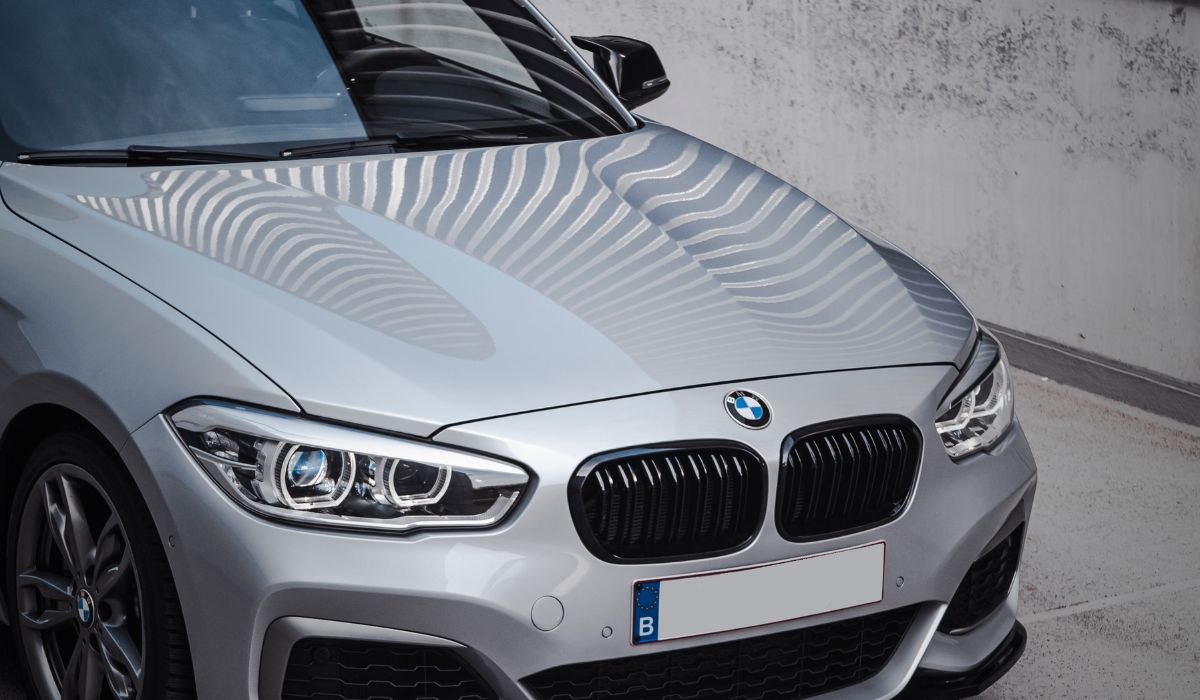
The weight of a BMW can vary significantly depending on the model and year.
Generally, BMWs weigh between 3,000 to 4,500 pounds (approximately 1,360 to 2,040 kilograms).
This variation is influenced by factors such as the vehicle’s size, materials used in construction, and additional features.
In this article, we will explore the weight of different BMW models, examine how weight impacts performance, and discuss the role of materials and design in weight reduction.
Key Statistics
Understanding BMW Weight Variations
BMW vehicles are known for their engineering excellence, but weight can greatly differ among models due to size, design, and usage of materials.
For example, a compact model like the BMW 2 Series could weigh around 3,400 pounds, while a large SUV like the BMW X5 might tip the scales at approximately 4,500 pounds.
The design philosophy of BMW often prioritizes a balance between performance and comfort, which influences the weight.
Additionally, special editions and performance models, such as the BMW M series, may have additional weight due to features like upgraded drivetrains and enhanced safety systems.
BMW Model Weight Comparison
| Model | Weight (lbs) | Type |
|---|---|---|
| BMW 2 Series | 3,400 | Compact |
| BMW 3 Series | 3,300 | Sedan |
| BMW 5 Series | 3,800 | Mid-Size Sedan |
| BMW X5 | 4,500 | SUV |
| BMW Z4 | 2,978 | Convertible |
| BMW X7 | 4,600 | Luxury SUV |
Advantages and Disadvantages of BMW Weight
✅ Pros
- Improved stability and comfort due to heavier build
- Enhanced safety features with additional weight
❌ Cons
- Reduced fuel efficiency in heavier models
- Potentially slower acceleration in larger vehicles
Impact of Weight on Performance
The weight of a vehicle directly impacts its performance characteristics.
Heavier BMW models may offer a smoother ride and enhanced stability, especially at high speeds.
However, this added weight can compromise acceleration and agility.
For example, the BMW M3, a performance-oriented model, is built with lightweight materials to enhance speed and handling.
Weight distribution is also crucial; a well-balanced vehicle can handle better and provide a more engaging driving experience.
In contrast, heavier SUVs may not perform as dynamically but can provide better off-road capabilities and comfort for passengers.
Weight vs.
Performance Metrics
| Weight (lbs) | 0-60 mph (sec) | Top Speed (mph) |
|---|---|---|
| 3,200 | 4.5 | 155 |
| 3,500 | 5.2 | 150 |
| 4,000 | 6.0 | 145 |
| 4,500 | 6.5 | 140 |
Factors Influencing Weight and Performance
- Material composition (e.g., steel vs. aluminum)
- Engine size and type (inline vs.
V-type engines) - Presence of luxury features (e.g., sound systems, heated seats)
- Overall design and aerodynamics
Materials and Design Choices
BMW employs advanced materials in their vehicle construction to optimize weight while maintaining safety and performance.
For instance, the use of high-strength steel and aluminum alloys has become common in newer models, allowing for significant weight savings without compromising structural integrity.
Additionally, carbon fiber reinforced plastic (CFRP) is utilized in high-performance models to reduce weight dramatically.
Design choices also play a role; streamlined shapes and efficient aerodynamics contribute to lower weight and improved performance metrics.
The integration of technology, such as lighter battery systems in electric models, also impacts the overall weight.
Material Impact on BMW Weight
| Material | Weight Reduction | Application |
|---|---|---|
| High-Strength Steel | 15-20% | Body structure |
| Aluminum | 20-30% | Hoods, doors, and frames |
| Carbon Fiber | 30-50% | High-performance models like M series |
Pros and Cons of Advanced Materials
✅ Pros
- Enhanced performance and fuel efficiency
- Innovative design possibilities
❌ Cons
- Higher production costs
- Potentially less durable in certain conditions
Future Trends in BMW Weight Management
As automotive technology evolves, BMW is continuously exploring innovative ways to manage vehicle weight.
The trend towards electrification leads to the need for lighter batteries and efficient energy systems.
Future models are expected to incorporate even more advanced materials and designs that further reduce weight while maintaining safety standards.
Additionally, developments in manufacturing processes, such as 3D printing, may allow for more complex and lightweight structures, contributing to overall vehicle efficiency.
The balance between performance, safety, and weight will remain critical as BMW navigates the future of mobility.
Future Weight Management Techniques
| Technique | Expected Weight Reduction | Benefits |
|---|---|---|
| 3D Printing | Up to 30% | Customizable designs, reduced waste |
| Advanced Composites | 20-40% | Strength-to-weight ratio improvement |
| Innovative Battery Technology | 15-25% | Increased range with lower weight |
Considerations for Future BMW Models
- Adoption of new materials and technologies
- Focus on sustainability and recycling
- Enhancement of safety features without increased weight
Frequently Asked Questions
What is the average weight of a BMW sedan?
The average weight of a BMW sedan typically ranges from 3,300 to 4,000 pounds, depending on the model and features.
Do heavier BMW models have better safety ratings?
Generally, heavier BMW models may provide better crash protection due to their mass, but safety ratings depend on various factors including design and technology.
How does weight affect fuel efficiency in BMWs?
Increased weight can lead to reduced fuel efficiency, as heavier vehicles require more energy to move.
However, advancements in engine technology can mitigate these effects.
What is the lightest BMW model?
The lightest current BMW model is the Z4 Roadster, which weighs approximately 2,978 pounds.
Will future BMW models be lighter?
Yes, future BMW models are expected to utilize advanced materials and technologies to achieve lower weights while enhancing performance and efficiency.
Conclusion
Understanding the weight of BMW vehicles is crucial for buyers and enthusiasts alike.
With weights ranging from around 3,000 to over 4,500 pounds, factors such as model type, materials, and design choices significantly impact a BMW’s performance and efficiency.
As the automotive industry evolves towards lighter and more efficient vehicles, BMW is at the forefront of innovation, striving to balance weight, safety, and driving experience.
The continuous advancements in technology promise a future where BMW models not only perform better but also contribute to a more sustainable automotive landscape.