

BMWs are renowned for their performance, luxury, and engineering, but many potential owners wonder just how long these vehicles can truly last. Whether you’re considering purchasing a new or used BMW, or you already own one, understanding the typical lifespan of a BMW is crucial for planning maintenance, budgeting, and getting the most value from your investment. The short answer: With proper maintenance, a BMW can last 200,000 to 250,000 miles or more. There are many examples of BMWs exceeding 300,000 miles, but average owners can reliably expect between 180,000 and 250,000 miles before encountering major repairs. Of course, this lifespan depends on factors such as model, year, driving habits, and care. In this article, we’ll explore the factors that affect BMW longevity, compare BMWs to other brands, provide real-world owner examples, and offer maintenance tips to help your BMW reach its full mileage potential.
Key Statistics on BMW Longevity
What Determines How Many Miles a BMW Will Last?

Several factors influence how many miles a BMW can last. The primary determinants are maintenance habits, model and generation, driving style, and environmental conditions. Regular oil changes, timely replacement of wear items (like brakes, belts, and fluids), and adherence to the BMW service schedule are critical. Neglected BMWs, especially those with missed oil changes or delayed repairs, are far more likely to experience costly failures at lower mileages. Model and generation also matter. Some BMW engines, such as the inline-6 found in the E46 3 Series, have a reputation for exceptional longevity, while others (like certain turbocharged engines from the late 2000s) may be more prone to issues if not maintained meticulously. Driving habits play a significant role: aggressive driving, frequent short trips, and harsh climates (extreme heat or cold, salted roads) can shorten a BMW’s lifespan. Owners who drive mainly on highways and avoid constant stop-and-go traffic generally see their BMWs last longer. Finally, the quality of parts used for repairs and maintenance also impacts longevity. Genuine BMW or high-quality OEM parts are recommended over cheaper aftermarket alternatives to ensure reliability and preserve vehicle value.
BMW Model Longevity Comparison
| BMW Model | Typical Lifespan (miles) | Notable Longevity Features |
|---|---|---|
| E46 3 Series (1999-2006) | 200,000-300,000+ | Robust inline-6 engine, simple electronics |
| F10 5 Series (2010-2017) | 180,000-250,000 | Turbo engines, advanced electronics |
| X5 (E53, 1999-2006) | 180,000-250,000 | Strong drivetrain, susceptible to cooling system issues |
| 7 Series (E65/E66, 2001-2008) | 150,000-220,000 | Complex electronics can affect longevity |
Pros and Cons of BMW Longevity Factors
✅ Pros
- High-quality engineering and materials support long lifespan
- Strong owner community and parts availability for older models
❌ Cons
- Complex electronics and turbo engines can lead to costly repairs
- Neglected maintenance dramatically shortens lifespan
Comparing BMW Lifespan to Other Luxury Brands

When compared to other luxury brands, BMWs generally perform well in terms of longevity, but there are important nuances. Mercedes-Benz and Lexus are often cited as benchmarks for long-lasting luxury vehicles, with many examples exceeding 250,000 miles. BMWs can match or surpass these mileages with attentive maintenance, but may require more frequent or expensive repairs due to complex engineering and electronics. For example, Lexus vehicles frequently lead reliability rankings, largely due to their focus on simplicity and proven Toyota-based powertrains. In contrast, BMW’s focus on performance and driver engagement means their vehicles often use more advanced, but sometimes more delicate, components. Mercedes-Benz cars, especially those from the late 1990s and early 2000s, are also known for their durability, though modern models include more electronics that can be a source of long-term headaches. It’s important to note that the cost of ownership, including repairs and maintenance, is typically higher for all German luxury brands. However, with consistent care, BMWs are fully capable of lasting as long as, or longer than, their luxury rivals.
Luxury Brand Lifespan Comparison
| Brand | Typical Lifespan (miles) | Common Longevity Issues |
|---|---|---|
| BMW | 200,000-250,000 | Electronics, turbo engine maintenance |
| Mercedes-Benz | 220,000-270,000 | Airmatic suspension, electronics |
| Lexus | 250,000-300,000 | Minimal, mostly wear and tear |
| Audi | 180,000-220,000 | Oil consumption, timing chain issues |
BMW vs. Competitors: Pros and Cons
✅ Pros
- BMW offers a sportier driving experience with high-mileage potential
- Strong aftermarket and enthusiast support for older BMWs
❌ Cons
- BMWs may require more frequent maintenance than Lexus
- Repair costs can be higher than some competitors
Real-World Examples: High-Mileage BMWs
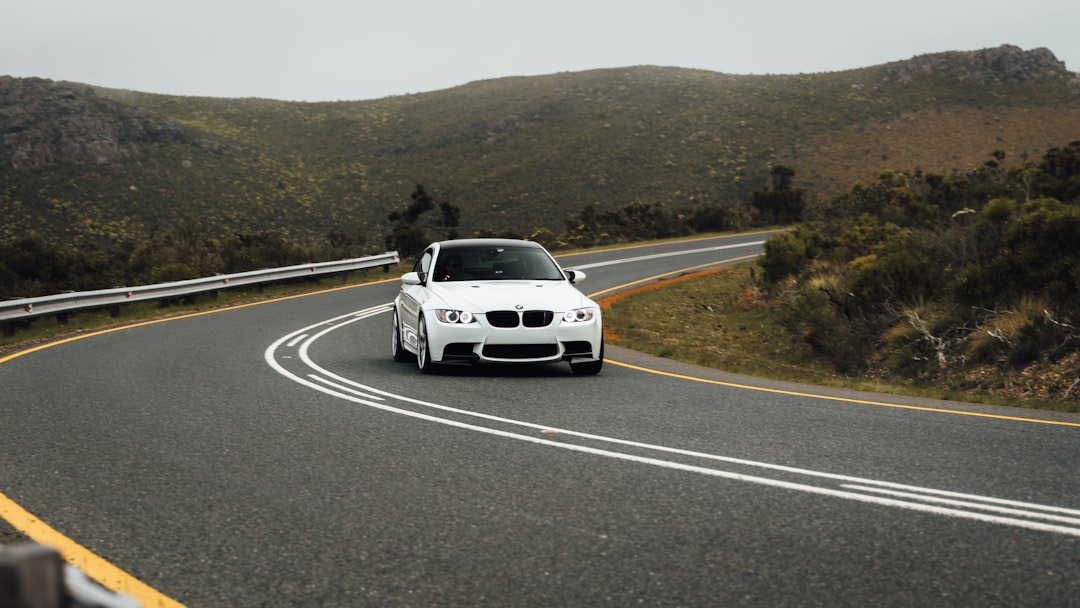
Stories of high-mileage BMWs are common in owner forums and enthusiast groups. Numerous examples exist of BMWs surpassing 250,000 or even 300,000 miles, especially among popular models like the 3 Series and 5 Series. For instance, many E46 and E39 owners report reaching 300,000 miles with original engines and transmissions, often with only routine maintenance and replacement of common wear items. A well-known example includes a 1995 BMW 525i that surpassed 500,000 miles, primarily due to religious adherence to maintenance intervals and the use of quality parts. Additionally, BMW taxi fleets in Europe commonly reach 400,000 kilometers (about 250,000 miles) before retirement. These real-world examples illustrate that BMWs are fully capable of high mileage, provided their owners are diligent with care. They also highlight the importance of preventative maintenance, such as cooling system overhauls, timely oil changes, and addressing small issues before they become major problems.
Checklist for Achieving High Mileage on Your BMW
- Follow the manufacturer’s recommended service schedule
- Use high-quality fluids and OEM parts
- Address warning lights and leaks promptly
- Replace cooling system components as preventative maintenance
- Avoid aggressive driving and frequent short trips
Maintenance Tips to Maximize BMW Lifespan
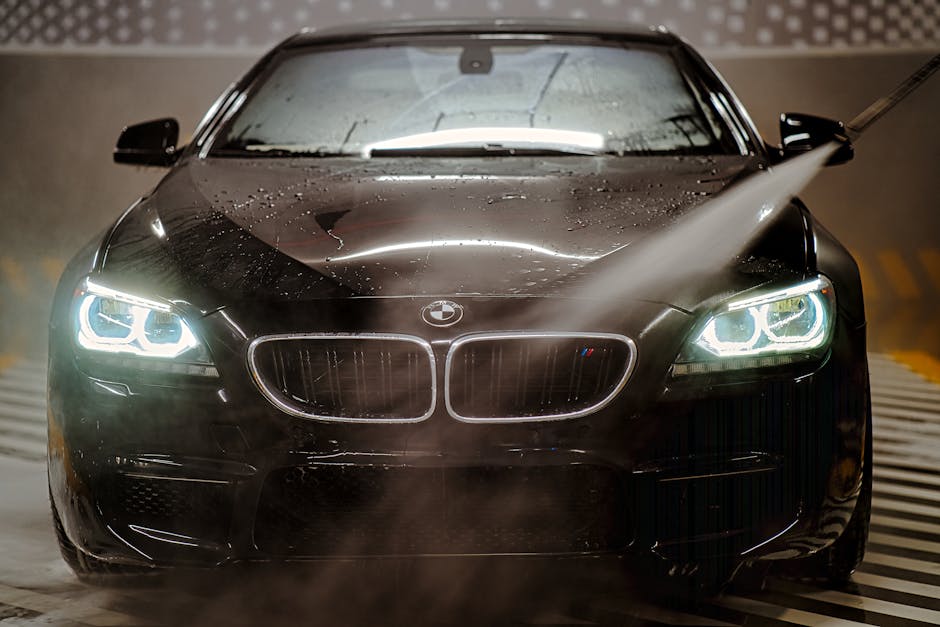
The single most important factor in a BMW’s lifespan is maintenance. Owners who strictly adhere to factory-recommended service intervals, use high-quality fluids, and replace parts before failure dramatically increase their BMW’s odds of reaching high mileage. Key maintenance actions include regular oil changes (usually every 7,500-10,000 miles), timely replacement of spark plugs, air and cabin filters, transmission fluid (for models where it is serviceable), brake fluid every 2 years, and cooling system overhauls every 80,000 to 100,000 miles. Proactive replacement of water pumps, thermostats, and radiators is particularly important for many BMWs, as cooling system failures are a common cause of catastrophic engine damage. It’s also vital to pay attention to warning signs such as rough idle, unusual noises, leaks, or warning lights. Prompt diagnosis and repair of small issues can prevent expensive breakdowns later. Finally, keeping thorough service records not only helps with longevity but also increases resale value when it’s time to move on.
Common BMW Maintenance Intervals
| Service Item | Interval (miles) | Notes |
|---|---|---|
| Engine Oil & Filter | 7,500-10,000 | Use synthetic oil meeting BMW specs |
| Air Filter | 30,000 | Replace more often in dusty areas |
| Spark Plugs | 60,000-100,000 | Varies by engine |
| Transmission Fluid | 60,000-100,000 | Check if serviceable |
| Brake Fluid | Every 2 years | Moisture can degrade fluid |
| Cooling System | 80,000-100,000 | Replace water pump, thermostat, radiator |
Signs Your BMW May Be Nearing the End of Its Lifespan
No matter how well maintained, every vehicle will eventually reach a point where repairs become too frequent or costly to justify continued use. Common signs that a BMW is nearing the end of its practical lifespan include persistent engine or transmission issues, repeated electrical faults, chronic overheating, and significant rust or corrosion on structural components. If your BMW requires major repairs that exceed half the vehicle’s market value, it may be time to consider replacement. Similarly, if safety systems such as ABS, airbags, or stability control become unreliable and repairs are prohibitively expensive, retiring the vehicle is wise. However, many owners find that with ongoing preventative care, their BMWs continue to provide reliable service well beyond 200,000 miles.
Checklist: Signs Your BMW May Be Nearing End of Life
- Frequent engine or transmission failures
- Multiple, recurring electrical problems
- Rust on structural components or underbody
- Major suspension or brake system failures
- Excessive oil consumption or smoke from exhaust
Frequently Asked Questions
Can a BMW last 300,000 miles?
Yes, many BMWs have surpassed 300,000 miles, especially when maintained diligently with regular servicing, prompt repairs, and quality parts. However, reaching this milestone may require additional investment in preventative maintenance.
Are older BMW models more reliable than newer ones?
Some older BMW models, like the E46 and E39, are renowned for their simplicity and durability. Newer models offer more technology and performance but can be more complex and potentially more expensive to maintain long-term.
What are the most common high-mileage issues with BMWs?
Typical high-mileage issues include cooling system failures, oil leaks, suspension wear, electrical gremlins, and in turbocharged models, turbocharger or timing chain problems. Proactive maintenance can prevent most catastrophic failures.
How does BMW maintenance cost affect longevity?
Regular, quality maintenance is essential for a long BMW lifespan. Skipping or delaying maintenance increases the likelihood of expensive repairs and can significantly shorten vehicle life.
Is it worth buying a high-mileage used BMW?
A high-mileage BMW can be a good value if it has a comprehensive maintenance history and passes a thorough mechanical inspection. However, buyers should budget for potential repairs and consider the cost of ownership.
Does driving style impact BMW longevity?
Yes, gentle acceleration, proper warm-up before hard driving, and avoiding short trips help reduce engine and transmission wear, greatly influencing how long a BMW will last.
Conclusion
BMWs are engineered for longevity and driving enjoyment, and many owners enjoy hundreds of thousands of miles behind the wheel. While the average BMW can last between 200,000 and 250,000 miles with proper care, exceeding these figures is entirely possible with diligent maintenance and responsible ownership. BMW ownership does come with higher maintenance expectations and costs compared to some mass-market brands, but the rewards include driving dynamics, comfort, and a sense of connection seldom matched by others. By investing in preventative care, using quality parts, and addressing issues promptly, your BMW can deliver reliable, enjoyable service for many years and miles to come. Ultimately, how long a BMW lasts is as much about the owner’s commitment as it is about the car itself.