
BMW batteries typically last between 3 to 5 years, depending on various factors including usage, climate, and maintenance. While some owners may experience shorter lifespans due to extreme conditions or frequent short trips, others may find their batteries enduring beyond the average lifespan with proper care. Understanding the factors that influence battery longevity can help BMW owners maximize their battery life and ensure optimal vehicle performance.
Key Statistics
Understanding BMW Battery Types
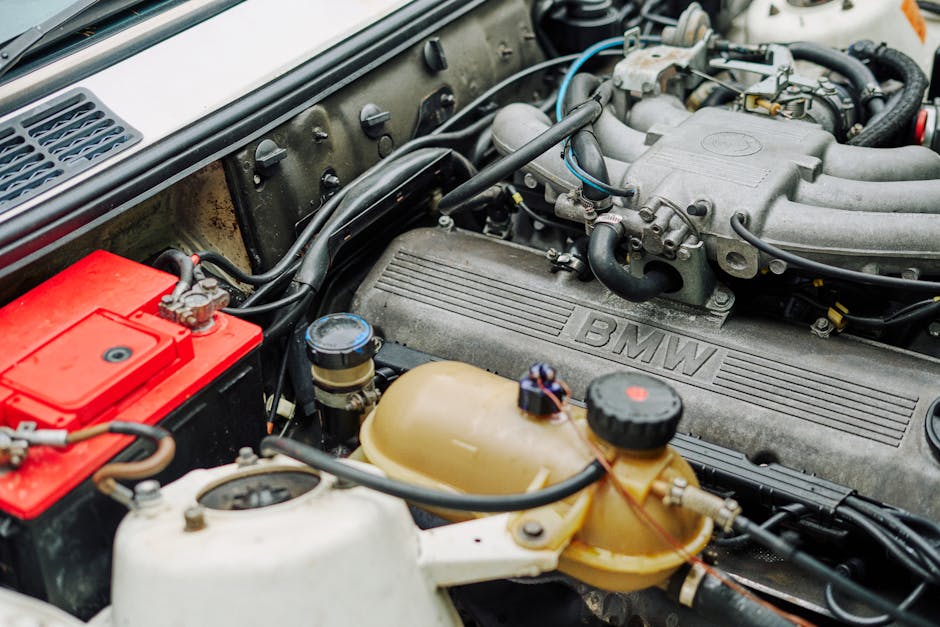
BMW vehicles use various types of batteries, each designed for specific models and purposes. The most common types are lead-acid batteries and AGM (Absorbent Glass Mat) batteries. Lead-acid batteries are typically less expensive and found in older models. AGM batteries, on the other hand, are more advanced, providing better performance, longer lifespan, and enhanced safety features. They are especially suited for vehicles with high electrical demands, such as those equipped with start-stop technology. Understanding the type of battery in your BMW is crucial for knowing what to expect in terms of lifespan and performance. Additionally, different models may have different battery specifications that can impact how long they last. Always refer to your owner’s manual for specific details on your vehicle’s battery type and recommended maintenance practices.
Comparison of BMW Battery Types
| Battery Type | Lifespan | Benefits |
|---|---|---|
| Lead-Acid | 3-5 years | Cost-effective, easy to replace |
| AGM | 4-6 years | Higher performance, better safety, longer lifespan |
Pros and Cons of Battery Types
✅ Pros
- AGM batteries provide better performance
- Lead-acid batteries are less expensive
❌ Cons
- AGM batteries are more costly
- Lead-acid batteries may not support advanced features
Factors Affecting Battery Lifespan
Several factors can significantly impact the lifespan of a BMW battery. Climate plays a crucial role; extreme temperatures, whether hot or cold, can lead to faster degradation of battery components. For instance, in colder climates, batteries can lose a significant amount of their capacity, while high heat can cause internal damage and shorten lifespan. Driving habits also influence battery health; frequent short trips can prevent the battery from fully charging, leading to sulfation and premature failure. Regular maintenance, including keeping the battery terminals clean and checking for corrosion, also affects longevity. Finally, the electrical load from modern features like heated seats, navigation systems, and advanced infotainment can strain the battery. Understanding these factors can help owners take proactive measures to extend battery life.
Signs Your BMW Battery Needs Replacement
Recognizing the signs of battery failure can save you from unexpected breakdowns. Common indicators include slow engine cranking, dimming headlights, and dashboard warning lights. If your BMW struggles to start, or if the electrical systems seem sluggish, these could be telltale signs of a weakening battery. Additionally, if you notice a swollen battery case or any leakage, it’s crucial to replace the battery immediately. Regularly checking the battery’s age and conducting load tests—especially before winter—can help you anticipate replacement needs. If you’re unsure, consult a professional for a thorough inspection.
How to Extend Your BMW Battery Life
To maximize the lifespan of your BMW battery, consider implementing a few best practices. First, ensure regular use of your vehicle. If you infrequently use your car, consider investing in a trickle charger or battery maintainer to keep the battery charged. Secondly, perform regular maintenance checks, including cleaning terminals and verifying tight connections. If your BMW has advanced features, be mindful of using them when the engine is off, as this can drain the battery quickly. Moreover, parking in a garage can protect the battery from extreme temperature fluctuations. Finally, when replacing your battery, opt for a high-quality battery that meets BMW’s specifications, as this can also enhance longevity.
Frequently Asked Questions
What is the warranty on a BMW battery?
BMW typically offers a warranty of 2 to 3 years on their batteries, depending on the model and battery type. Always check your vehicle’s warranty documentation for specific details.
Can I replace my BMW battery myself?
While it is possible to replace your BMW battery yourself, it is recommended to have it done by a professional to ensure proper installation and programming, especially for newer models that require battery registration.
How do I know if my BMW battery is still good?
You can check your BMW battery’s health using a multimeter to measure its voltage. A healthy battery typically shows a voltage of around 12.6 volts or more when the vehicle is off.
What should I do if my BMW battery dies?
If your BMW battery dies, try jump-starting the vehicle using jumper cables. If that doesn’t work, you may need to call a tow service or a professional for assistance. It’s advisable to have the battery tested and replaced if necessary.
Conclusion
In summary, BMW batteries generally last between 3 to 5 years, with performance influenced by factors such as climate, usage, and maintenance practices. Understanding the types of batteries, recognizing signs of wear, and implementing strategies to extend battery life can significantly enhance your driving experience. Regular maintenance and timely replacement are key to ensuring your BMW operates smoothly. By being proactive about battery care, you can avoid unexpected issues and enjoy the performance that BMW is known for.