
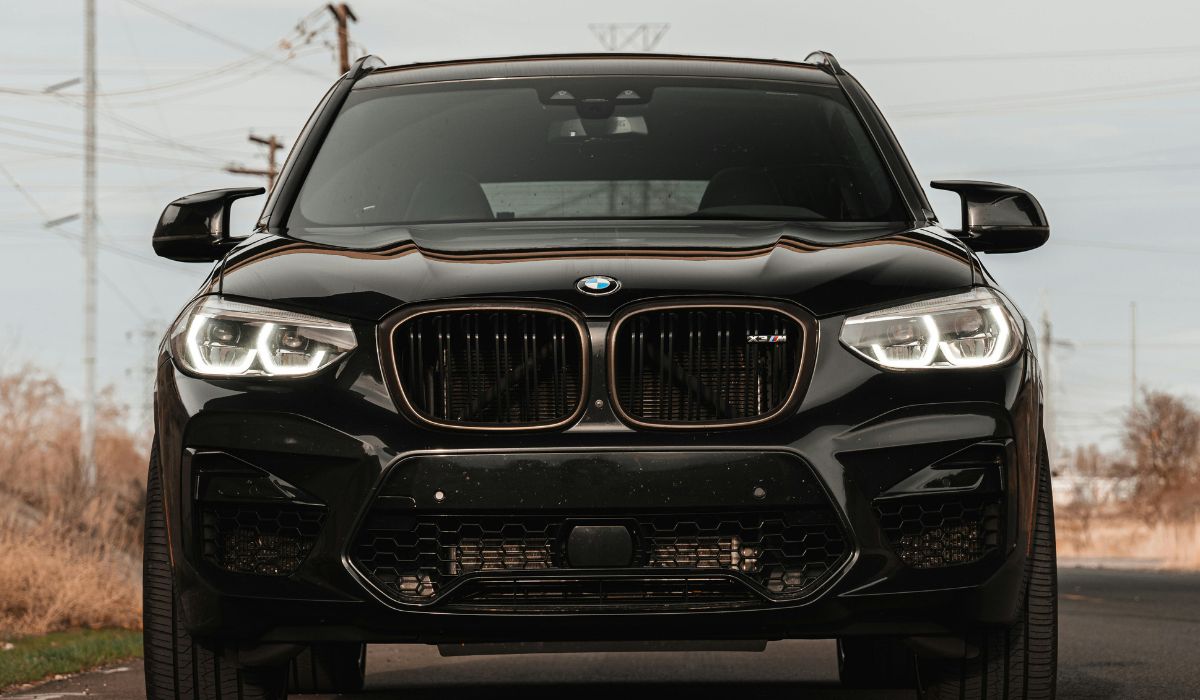
BMW vehicles are renowned for their performance, luxury, and engineering excellence.
The speed of a BMW can vary greatly depending on the model and specifications, with some high-performance versions capable of reaching speeds exceeding 200 mph.
For example, the BMW M5 Competition can go from 0 to 60 mph in just 3.1 seconds, showcasing the brand’s commitment to speed and power.
In this article, we will delve into the various models, specifications, performance metrics, and factors influencing the speed of BMW cars.
Key Statistics
Understanding BMW Performance Models
BMW offers a range of models, each designed with specific performance objectives.
The lineup includes everything from sedans to sports cars, each with varying top speeds.
Performance models like the M series, including the M3, M4, and M5, focus on speed, agility, and driving dynamics.
These vehicles are engineered with powerful engines, advanced aerodynamics, and precision handling systems that enhance their performance.
For example, the BMW M5 Competition features a 4.4-liter V8 engine that produces 617 horsepower, allowing it to achieve 0-60 mph in just 3.1 seconds.
In contrast, standard models, such as the BMW 3 Series or 5 Series, while still fast, typically have lower top speeds and acceleration times.
This differentiation allows BMW to cater to a broader audience, from daily drivers to enthusiasts looking for thrilling speed.
BMW Performance Models Comparison
| Model | Engine | Top Speed | 0-60 mph |
|---|---|---|---|
| BMW M3 | 3.0-liter I6 | 180 mph | 4.1 seconds |
| BMW M4 | 3.0-liter I6 | 180 mph | 4.1 seconds |
| BMW M5 Competition | 4.4-liter V8 | 190 mph | 3.1 seconds |
| BMW Z4 M40i | 3.0-liter I6 | 155 mph | 4.4 seconds |
Pros and Cons of BMW Performance Models
✅ Pros
- High acceleration and speed
- Advanced technology and features
❌ Cons
- Higher price point
- Increased maintenance costs
Factors Influencing BMW Speed
The speed of a BMW is influenced by several factors, including engine type, weight, aerodynamics, and tire performance.
Engine specifications play a crucial role; for instance, turbocharged engines provide greater power and efficiency compared to naturally aspirated engines.
Weight is another critical factor; lighter vehicles tend to accelerate faster due to better power-to-weight ratios.
Aerodynamics also significantly impacts speed, as streamlined designs reduce drag, allowing for higher top speeds.
Lastly, the type of tires can affect grip and handling, which in turn can influence acceleration and speed stability.
For example, high-performance tires can enhance traction during rapid acceleration, while all-season tires may compromise speed and agility.
Factors Affecting BMW Vehicle Speed
| Factor | Description | Impact on Speed |
|---|---|---|
| Engine Type | The type and power of the engine | Higher power leads to faster speeds |
| Weight | Overall vehicle weight | Lighter vehicles accelerate quicker |
| Aerodynamics | Design and airflow efficiency | Better aerodynamics reduce drag |
| Tires | Type and condition of tires | Performance tires improve grip and stability |
Comparing BMW to Other Luxury Brands
When considering speed, it’s essential to compare BMW with other luxury brands such as Mercedes-Benz and Audi.
BMW often positions itself as a sportier alternative, focusing on driving dynamics and performance.
For instance, the Mercedes-AMG E63 S has a top speed of around 186 mph, while the Audi RS7 reaches a similar top speed of 190 mph.
However, BMW’s M models often outperform these competitors in acceleration metrics.
The spirited driving experience, characterized by precise handling and responsive steering, sets BMW apart in the luxury segment.
This commitment to performance is reflected not only in their specifications but also in how they are engineered to provide an engaging driving experience.
Luxury Performance Vehicles Comparison
| Brand | Model | Top Speed | 0-60 mph |
|---|---|---|---|
| BMW | M5 Competition | 190 mph | 3.1 seconds |
| Mercedes-Benz | AMG E63 S | 186 mph | 3.3 seconds |
| Audi | RS7 | 190 mph | 3.5 seconds |
| Porsche | Panamera Turbo | 196 mph | 3.1 seconds |
Real-World Speed Testing
Real-world testing of BMW vehicles often reveals performance that exceeds manufacturer claims, particularly under optimal conditions.
Various automotive publications conduct speed tests on closed tracks, measuring acceleration and top speeds.
For instance, tests of the BMW M4 GTS have shown it reaching speeds beyond the official limits due to its lightweight construction and powerful engine.
However, it’s crucial to highlight that real-world speeds can be influenced by factors such as weather, road conditions, and driver skill.
The results from these tests are valuable for potential buyers who are interested in the performance capabilities of their vehicles.
Moreover, understanding the limits of speed is essential for safe driving practices and legal compliance.
Real-World Speed Testing Results
| Model | Tested Top Speed | Conditions |
|---|---|---|
| BMW M4 GTS | 198 mph | Closed track, optimal conditions |
| BMW M5 | 192 mph | Closed track, dry conditions |
| BMW Z4 M40i | 157 mph | Closed track, performance tires |
| BMW M3 | 182 mph | Closed track, favorable weather |
Frequently Asked Questions
What is the fastest BMW model?
The fastest BMW model currently is the BMW M5 Competition, which has a top speed of 190 mph and can accelerate from 0 to 60 mph in just 3.1 seconds.
How does BMW’s speed compare to other brands?
BMW often competes closely with brands like Mercedes-Benz and Audi, with their M models frequently outperforming competitors in acceleration, though top speeds may be similar.
Can I drive my BMW at top speeds legally?
Driving at top speeds is illegal on public roads.
BMWs are designed for performance, but it’s essential to adhere to speed limits and drive safely.
What factors affect how fast a BMW can go?
Factors include engine type, weight, aerodynamics, tire performance, and driving conditions.
Each element can significantly influence the overall speed and acceleration of the vehicle.
Are all BMWs fast?
While many BMWs are designed for performance, not all models prioritize speed.
Standard models may have lower top speeds compared to performance-oriented M models.
Conclusion
In summary, the speed of a BMW can vary significantly based on the model, engine specifications, and design elements.
Performance models like the M5 Competition exemplify the brand’s commitment to speed, with top speeds exceeding 190 mph.
Factors such as weight, aerodynamics, and tire performance also play critical roles in determining how fast a BMW can go.
While BMW competes vigorously with other luxury brands, its unique focus on driving dynamics and performance sets it apart.
Ultimately, whether you’re a speed enthusiast or someone seeking a refined driving experience, BMW offers a diverse range of options that cater to various preferences and needs.
Understanding these factors can enhance your appreciation for BMW’s engineering excellence and performance capabilities.