

BMWs are renowned for their precision engineering and performance, but like any complex vehicle, they are not immune to mechanical problems. One common issue that BMW owners, especially those with older models, may encounter involves the Idle Control Valve (ICV). The ICV regulates the engine’s idle speed and plays a critical role in ensuring smooth engine performance at rest. Direct answer: BMW ICV problems are relatively common in models manufactured between the late 1980s and early 2000s, particularly as vehicles age and accumulate higher mileage. Symptoms such as rough idle, fluctuating RPMs, or engine stalling are frequent indicators. While newer BMWs are less prone due to improved electronic throttle designs, ICV issues remain a recurring concern for many BMW enthusiasts and mechanics working with classic and mid-2000s models.
Important Facts About BMW ICV Problems
Understanding the BMW Idle Control Valve (ICV) and Its Function
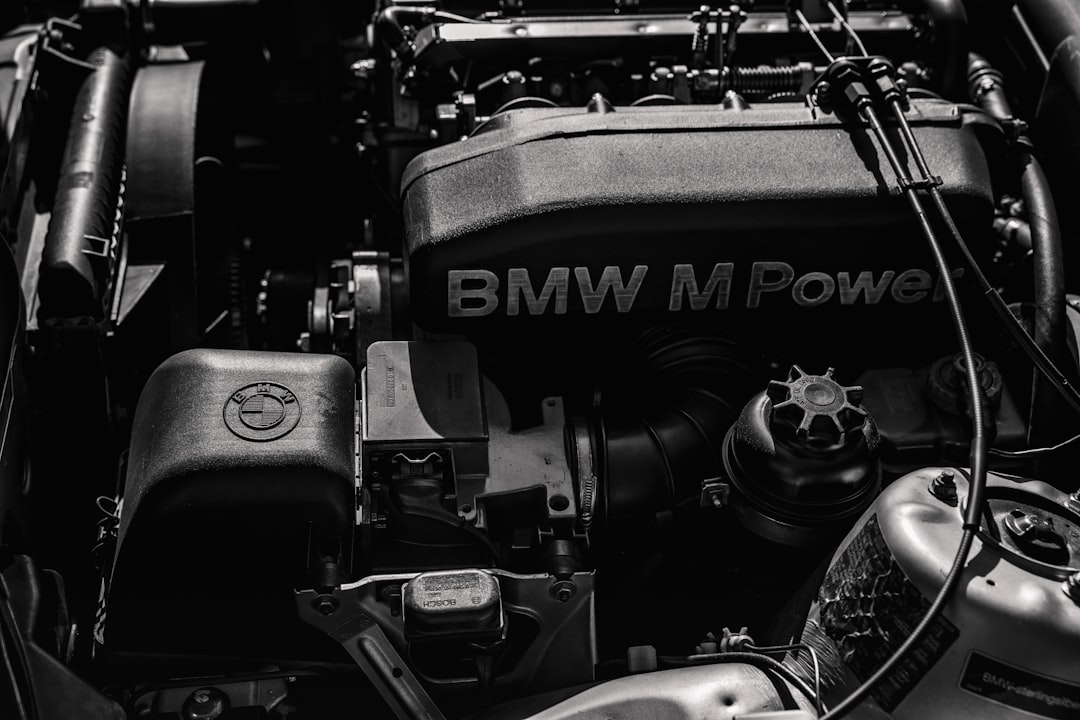
The Idle Control Valve (ICV) is a key component in many BMW engines, particularly those produced before the widespread adoption of drive-by-wire throttle systems. Its primary function is to regulate the amount of air bypassing the throttle plate when the engine is idling, ensuring that the engine maintains a stable idle RPM regardless of load or environmental conditions. The ICV receives signals from the engine control unit (ECU) and adjusts its position to allow more or less airflow as needed. The design of the ICV varies depending on BMW model and engine type. Older engines like the M20, M50, and M54 use a cylindrical or rotary solenoid valve, while some newer models use more advanced stepper motors or have integrated idle control within electronic throttle bodies. Classic symptoms of ICV malfunction include irregular idle, engine stalling, difficulty starting, and occasionally a check engine light. Because the ICV is a moving part exposed to carbon buildup and contaminants, it is susceptible to sticking or failure over time. Regular cleaning and maintenance can prolong its life, but replacement is sometimes necessary as the valve ages.
BMW Engines Most Commonly Affected by ICV Problems
| Engine Code | Production Years | Common Models |
|---|---|---|
| M20 | 1982-1994 | E30 3 Series, E34 5 Series |
| M50 | 1990-1996 | E36 3 Series, E34 5 Series |
| M54 | 2000-2006 | E46 3 Series, E39 5 Series, E53 X5 |
| M52 | 1994-2000 | E36/E46 3 Series, E39 5 Series |
| S50/S52 | 1992-1999 | E36 M3 |
How Common Are ICV Problems in BMWs? Frequency, Trends, and Contributing Factors

Idle Control Valve issues are among the more frequent maintenance concerns for owners of aging BMWs, especially those built before 2006. Industry reports, mechanic surveys, and online community discussions consistently highlight ICV problems as a recurring fault in vehicles equipped with traditional idle valves. The likelihood of encountering ICV trouble depends on several factors, including engine design, maintenance history, environmental conditions, and driving habits. BMW models using the M20, M50, M52, and M54 engines are especially prone to ICV issues. These engines, found in popular models like the E30, E36, E39, and E46, comprise a large portion of the BMWs still on the road today. As these vehicles surpass 100,000 miles, the chances of ICV failure increase due to accumulated carbon deposits, vacuum leaks, and electrical wear. Notably, BMW transitioned to electronic throttle bodies in many models after 2006, which eliminates the traditional ICV. As a result, newer BMWs rarely experience classic ICV problems, although they may develop other throttle-related faults. Still, for enthusiasts and owners of older BMWs, ICV failure is a well-known and relatively common issue that warrants attention.
Symptoms, Diagnosis, and Impact of a Faulty ICV on BMW Performance

A malfunctioning Idle Control Valve in a BMW typically manifests with a very specific set of symptoms. The most common include an erratic or surging idle, engine stalling when coming to a stop, hard starting, or a fluctuating tachometer at idle. In some cases, drivers may notice a rough idle that becomes smoother once the car is moving or under load. These symptoms can be intermittent or persistent and often worsen in cold weather or after the engine warms up. Diagnosing ICV issues starts with a visual inspection for carbon buildup or physical damage. Mechanics often check the ICV’s electrical connector for corrosion and use a multimeter to test for proper voltage and resistance. Cleaning the valve can sometimes restore function, but persistent issues typically require replacement. It is also important to check for associated vacuum leaks or intake system problems, as these can mimic or exacerbate ICV issues. A faulty ICV can negatively impact vehicle performance, leading to increased fuel consumption, higher emissions, and compromised drivability. Ignoring the problem may cause further wear on other engine components, such as spark plugs and the catalytic converter.
Pros and Cons of ICV Cleaning vs. Replacement
✅ Pros
- Lower cost than replacement
- Quick DIY solution for mild buildup
- Restores idle control if problem is minor
❌ Cons
- May not fix severe or electrical faults
- Requires removal and reinstallation
- Temporary solution if valve is worn
Prevention, Maintenance, and Cost Considerations for BMW ICV Problems

Proactive maintenance is key to minimizing the occurrence of ICV problems in BMWs. Regularly cleaning the ICV during routine service intervals—especially at 60,000 to 80,000 miles—can help prevent carbon buildup and sticking. Using high-quality fuel, replacing air filters, and addressing intake leaks promptly all contribute to a longer ICV lifespan. For vehicles with high mileage or persistent symptoms, replacing the ICV with a genuine or reputable aftermarket part is often the most reliable solution. Cost considerations for ICV service vary. Cleaning the valve is usually an inexpensive DIY task, requiring only basic tools and throttle body cleaner. However, if the valve must be replaced, parts generally cost between $80 and $250, with labor charges adding $100 to $300 depending on local rates and model complexity. Choosing a reputable mechanic familiar with BMWs is important, as improper installation or misdiagnosis may lead to recurring issues. Owners of newer BMWs (post-2006) benefit from advancements in throttle technology, which have effectively eliminated traditional ICVs and the associated problems. However, regular maintenance of the air intake and fuel systems remains crucial for optimal engine performance.
BMW ICV Maintenance and Replacement Cost Comparison
| Service Type | DIY Cost | Professional Cost |
|---|---|---|
| ICV Cleaning | $10-$25 | $60-$120 |
| ICV Replacement (Parts Only) | $80-$250 | — |
| ICV Replacement (Parts + Labor) | — | $200-$500 |
Preventive Maintenance Checklist for BMW ICV
- Inspect ICV for buildup every 30,000-60,000 miles
- Clean ICV and throttle body at recommended intervals
- Replace air filter on schedule
- Check for vacuum leaks in intake system
- Monitor idle quality and address issues promptly
ICV Problems and Their Place in the Larger Picture of BMW Reliability
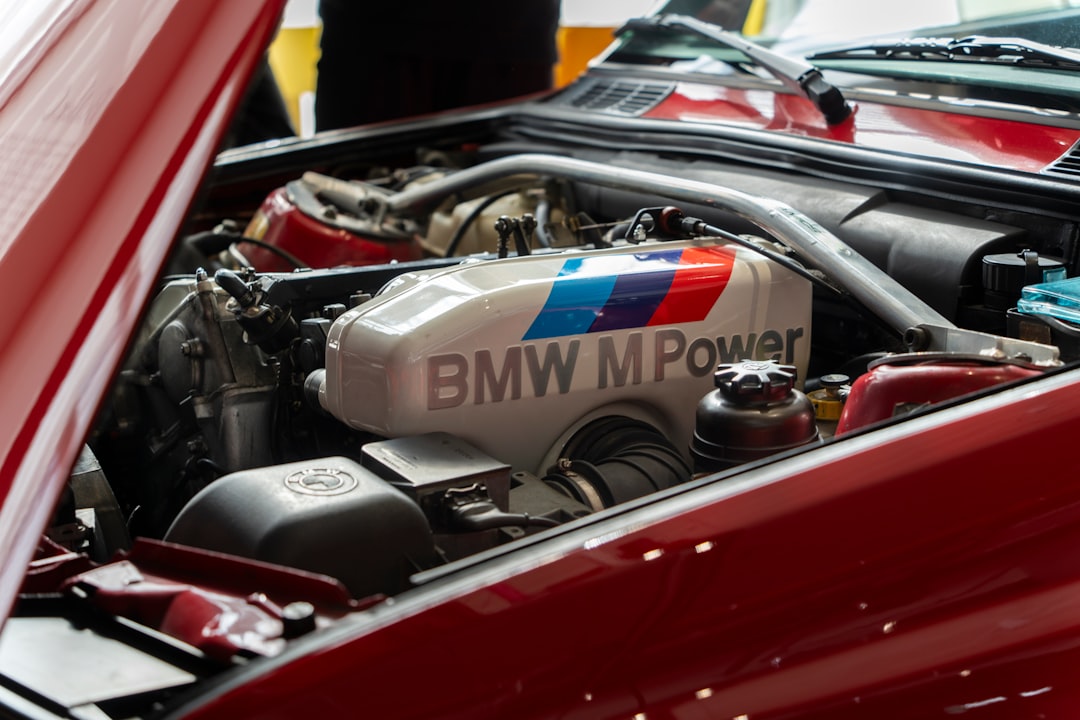
While ICV problems are a common talking point among BMW owners, particularly those with older models, they represent just one aspect of the broader maintenance landscape. BMWs are known for robust engine designs and rewarding driving dynamics, but they require attentive upkeep. ICV failures are often seen alongside other age-related issues like VANOS solenoid wear, coolant leaks, and sensor malfunctions. The good news is that ICV problems are generally not catastrophic and can be addressed without major expense if caught early. Many BMW forums and enthusiast groups offer detailed guides for diagnosing and resolving ICV concerns, making this a manageable issue for both DIYers and professional mechanics. For those considering purchasing an older BMW, a pre-purchase inspection that includes idle quality assessment and ICV function can prevent unexpected repair costs down the line. In summary, ICV problems are common enough to be on every older BMW owner’s radar, but proper maintenance and timely intervention can keep these legendary cars running smoothly for years to come.
Frequently Asked Questions
Which BMW models are most likely to experience ICV problems?
ICV issues are most common in BMWs from the late 1980s to mid-2000s that use the M20, M50, M52, M54, and S50/S52 engines. Popular affected models include the E30, E36, E39, E46, and early E53 X5.
Is it better to clean or replace a faulty ICV?
Cleaning the ICV is often effective for mild buildup or sticking, especially if the valve is electrically sound. However, if cleaning does not resolve the issue or if the valve fails electrical tests, replacement is recommended.
Can a bad ICV cause a check engine light?
Yes, a malfunctioning ICV can trigger a check engine light, especially in later OBD-II equipped BMWs, due to unstable idle or incorrect air/fuel ratios.
How long does it take to replace a BMW ICV?
Replacement typically takes between 1-2 hours for most models, depending on engine layout and accessibility.
Are ICV issues preventable?
Regular cleaning, using quality fuel, and maintaining the intake system can reduce the risk of ICV problems, but eventual wear is likely in high-mileage vehicles.
Conclusion
Idle Control Valve problems are a well-documented and relatively common issue for owners of older BMWs, particularly those built before 2006. While not as severe as some other potential engine problems, ICV failures can significantly affect drivability and idle stability. The good news is that these issues are usually straightforward to diagnose and fix, especially with regular maintenance and prompt attention to early symptoms. By understanding the role of the ICV, recognizing the warning signs, and implementing preventive care, BMW owners can minimize disruptions and enjoy the legendary performance and refinement that these vehicles are known for. For those considering a used BMW, awareness of ICV issues is a key part of making an informed, reliable purchase.