
Yes, the BMW X3 does offer adaptive cruise control as part of its advanced driving assistance features. This technology is designed to enhance driving comfort and safety by automatically adjusting the vehicle’s speed to maintain a safe distance from the vehicle ahead. In this article, we will explore the specifics of adaptive cruise control in the BMW X3, its variations across different models and trims, and how it compares to other vehicles in the market.
Important Facts
Understanding Adaptive Cruise Control
Adaptive cruise control (ACC) is an advanced version of traditional cruise control that automatically adjusts a vehicle’s speed to maintain a safe following distance from the vehicle ahead. Unlike standard cruise control, which maintains a constant speed regardless of traffic conditions, ACC uses sensors and cameras to monitor the traffic in front of the vehicle. When it detects a slower-moving vehicle, it can decelerate, and when the road clears, it accelerates back to the preset speed. This feature is particularly beneficial during long highway drives, as it reduces driver fatigue by minimizing the need for constant speed adjustments. The BMW X3’s ACC system is integrated into the vehicle’s overall safety architecture, providing drivers with a blend of convenience and security.
Adaptive Cruise Control Features in BMW X3
| Feature | Description | Availability |
|---|---|---|
| Speed Adjustment | Automatically adjusts speed based on traffic | Standard on M Sport, Optional on other trims |
| Distance Control | Maintains a set distance from the vehicle in front | Standard on all trims |
| Collision Warning | Alerts the driver of potential collisions | Standard on all trims |
| Stop-and-Go Functionality | Can bring the vehicle to a complete stop and resume driving | Optional on select trims |
Pros and Cons of Adaptive Cruise Control
✅ Pros
- Reduces driver fatigue on long trips
- Enhances safety by maintaining distance
❌ Cons
- May not react optimally in complex traffic situations
- Requires driver supervision
How Adaptive Cruise Control Works in the BMW X3
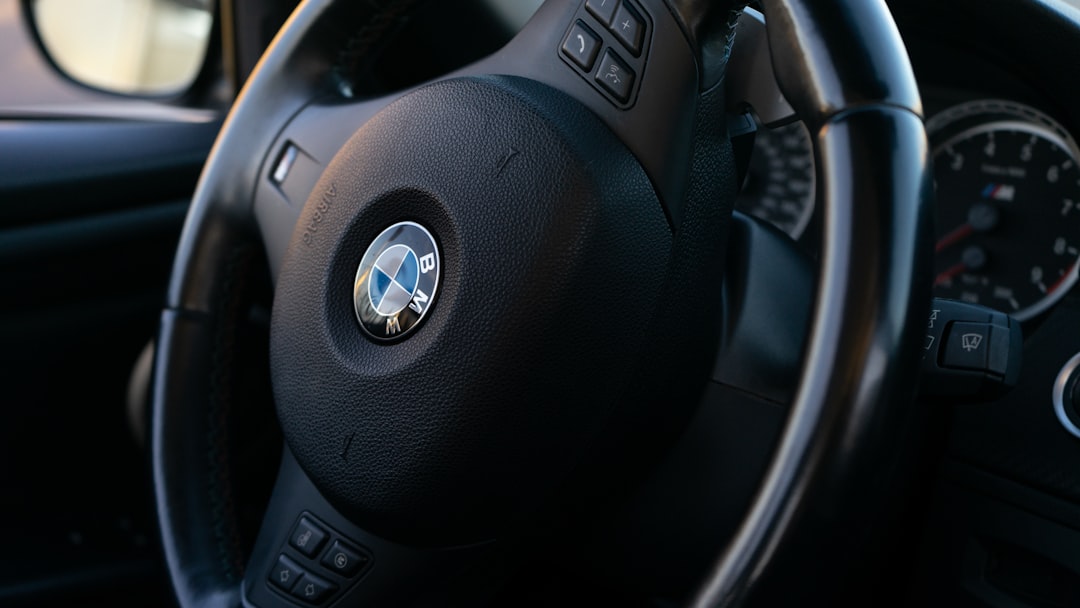
The adaptive cruise control system in the BMW X3 utilizes radar and camera technologies to monitor the road ahead. The system is controlled through the vehicle’s steering wheel buttons, allowing drivers to set their desired speed and following distance. The radar sensors track the speed and distance of the vehicle in front, adjusting the X3’s speed accordingly. If the system detects that the car ahead is slowing down, it will automatically reduce speed. If traffic clears, the system will accelerate back to the set speed. This seamless transition helps maintain a comfortable driving experience. The latest iterations of the BMW X3 even offer stop-and-go functionality, which can bring the vehicle to a complete stop in heavy traffic and resume movement when the road clears.
Technical Specifications of BMW X3 Adaptive Cruise Control
| Technology | Functionality | Range |
|---|---|---|
| Radar Sensors | Detects vehicles ahead | Up to 200 meters |
| Camera Systems | Monitors traffic conditions | Wide-angle view |
| Control Mechanism | Steering wheel buttons | User-friendly interface |
Steps to Activate Adaptive Cruise Control
- Press the cruise control button on the steering wheel
- Set the desired speed
- Adjust the following distance using the corresponding button
Comparative Analysis with Other Vehicles
When considering the BMW X3’s adaptive cruise control, it’s essential to compare it with similar features in competing vehicles. For instance, luxury SUVs like the Audi Q5 and Mercedes-Benz GLC also feature advanced adaptive cruise control systems. While all these systems aim to enhance driver convenience, they differ in execution and additional functionalities. The X3’s system is known for its responsiveness, particularly in stop-and-go traffic, which is often a critical factor for urban commuters. Additionally, while the base models of some competitors offer only basic cruise control, the X3 provides comprehensive safety features as standard, showcasing BMW’s commitment to safety and technology. The table below highlights the comparisons among these vehicles.
Comparison of Adaptive Cruise Control Features in Luxury SUVs
| Vehicle | Adaptive Cruise Control Features | Price Range |
|---|---|---|
| BMW X3 | Standard ACC with distance control and stop-and-go | $45,000 – $65,000 |
| Audi Q5 | Adaptive ACC with traffic jam assist | $43,000 – $60,000 |
| Mercedes-Benz GLC | Active Distance Assist with stop-and-go | $44,000 – $64,000 |
Pros and Cons of BMW X3 Compared to Competitors
✅ Pros
- Responsive stop-and-go functionality
- Comprehensive safety features
❌ Cons
- Higher starting price
- Less tech-savvy interface than some competitors
User Experience and Feedback

User feedback regarding the BMW X3’s adaptive cruise control generally highlights its ease of use and effectiveness. Many drivers appreciate the convenience it offers, particularly on long highway drives where maintaining speed can be taxing. Users often note that the system’s ability to adjust speed smoothly contributes to a more relaxing driving experience. However, some users have reported that the system may occasionally be overly cautious, leading to unnecessary braking when approaching slower vehicles. This feedback is valuable for potential buyers as it emphasizes the importance of understanding the system’s operational parameters. Overall, satisfaction rates for the adaptive cruise control feature in the X3 remain high, contributing to the vehicle’s reputation as a leader in the luxury SUV market.
User Satisfaction Ratings
| Feature | Satisfaction Rating | Comments |
|---|---|---|
| Ease of Use | 4.7/5 | Intuitive controls |
| Responsiveness | 4.5/5 | Smooth speed adjustments |
| Safety | 4.8/5 | Increased confidence in driving |
User Pros and Cons of Adaptive Cruise Control
✅ Pros
- Enhances long-distance driving comfort
- Increases situational awareness
❌ Cons
- Occasional over-braking
- Requires driver attention
Frequently Asked Questions
What is the difference between adaptive cruise control and regular cruise control?
Regular cruise control maintains a set speed without adjusting for traffic, while adaptive cruise control automatically adjusts the vehicle’s speed to maintain a safe distance from the car in front.
Is adaptive cruise control safe to use?
Yes, adaptive cruise control enhances safety by reducing the risk of rear-end collisions through automatic speed adjustments. However, drivers should remain attentive and ready to take control at any moment.
Can I turn off adaptive cruise control at any time?
Yes, adaptive cruise control can be easily turned off by pressing the brake pedal or by using the cruise control disengagement button on the steering wheel.
Does the BMW X3 adaptive cruise control work in all driving conditions?
While adaptive cruise control is effective in most conditions, it may not perform optimally in extreme weather or complex traffic situations, where manual control is recommended.
What trims of the BMW X3 include adaptive cruise control?
Adaptive cruise control is standard on M Sport models and available as an option on other trims of the BMW X3.
Conclusion
The BMW X3 is equipped with a robust adaptive cruise control system that enhances both safety and driving comfort. By automatically adjusting to the speed of the vehicle in front, this feature allows for a more relaxed driving experience, particularly on long journeys. As part of a comprehensive suite of advanced driving assistance features, adaptive cruise control reflects BMW’s commitment to innovation and driver safety. While there may be slight reservations regarding its responsiveness in certain conditions, overall user satisfaction remains high, making the BMW X3 a compelling option for those seeking a luxury SUV with advanced technological features. In summary, whether you are commuting in city traffic or embarking on a long-distance road trip, the adaptive cruise control in the BMW X3 is designed to enhance your driving experience.