
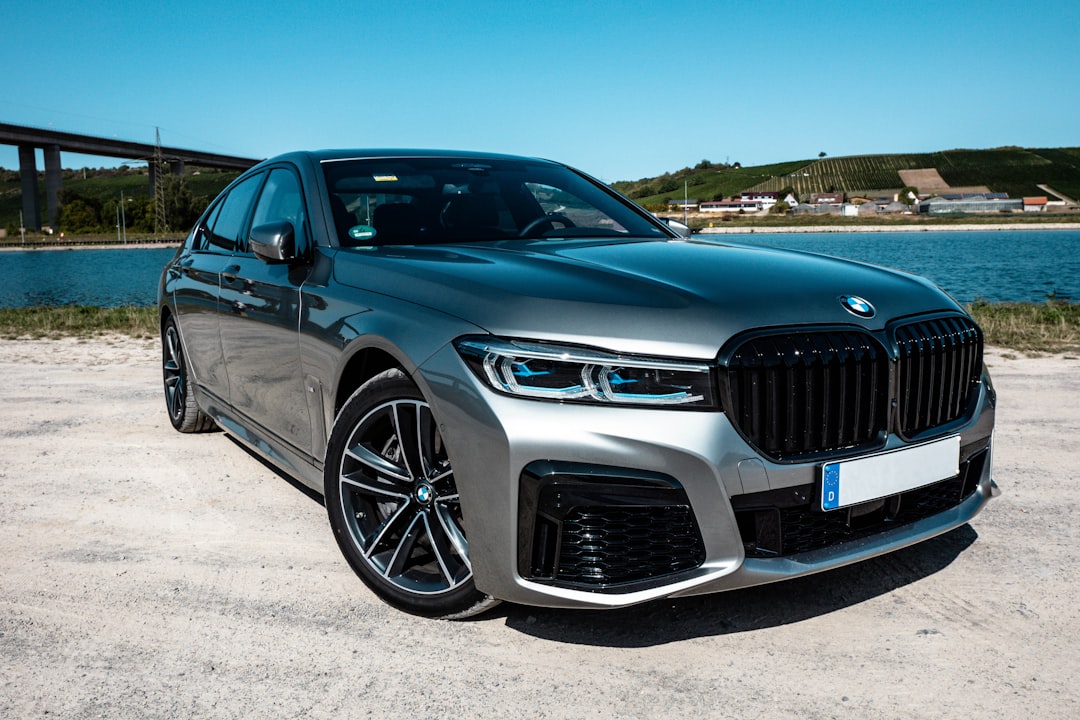
BMW has built a reputation for luxury, performance, and driving excitement, but questions about reliability and maintenance costs often come up for prospective owners. Are BMW vehicles truly more prone to breakdowns than other brands, or is this a misconception rooted in their complex engineering and high-end features? Quick Answer: BMWs break down more frequently than some mainstream brands, ranking below average in reliability studies. However, most issues are not catastrophic and are often related to electronics or wear-and-tear components. With proper maintenance, a BMW can be dependable, but owners should be prepared for higher repair costs and the need for attentive care compared to economy vehicles.
Key Statistics on BMW Reliability
Understanding BMW Reliability: The Core Issues
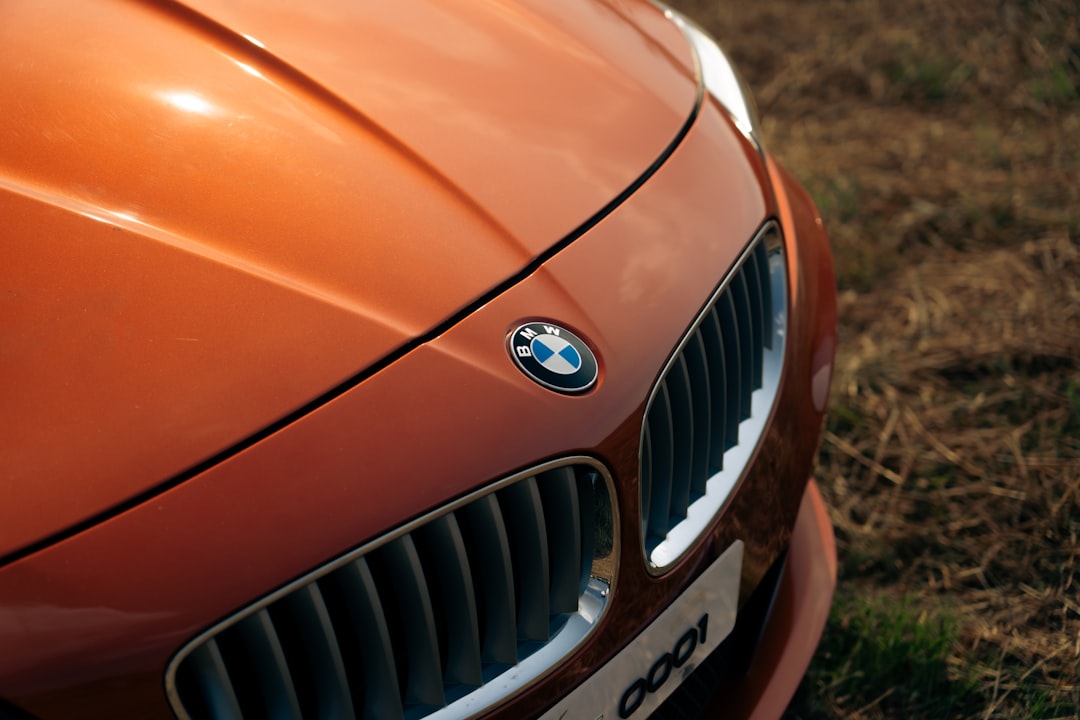
BMWs are celebrated for their sporty dynamics, advanced technology, and luxurious interiors. However, their reputation for reliability is mixed. The root causes of this perception come down to two main factors: sophisticated engineering and the use of complex electronics. BMW vehicles often feature turbocharged engines, advanced suspension systems, and a wide array of sensors and control units, all designed to enhance performance and comfort. While these elements deliver an engaging driving experience, they also increase the number of components that can potentially fail. Electrical problems are among the most common issues reported by BMW owners, including faults with infotainment systems, sensors, or even climate control modules. Mechanical issues such as oil leaks, cooling system failures, and timing chain problems have also affected certain models, particularly as they age. Importantly, not all BMWs are equally affected: entry-level models tend to have fewer issues, while high-performance variants with more features tend to experience more frequent problems. This complexity translates to more frequent breakdowns compared to simpler, mainstream vehicles. Despite these challenges, many BMW owners find the driving experience worth the risk, especially if they stay on top of maintenance. The brand’s reputation for quality materials and solid engineering means that, when properly cared for, a BMW can provide many years of enjoyment.
Common BMW Reliability Issues by Model
| Model | Frequent Problem | Estimated Repair Cost |
|---|---|---|
| 3 Series (F30) | Timing chain wear | $1,200 – $2,000 |
| 5 Series (G30) | Coolant system leaks | $600 – $1,000 |
| X5 (E70) | Electrical issues | $500 – $1,500 |
| 7 Series (G11) | Air suspension failure | $1,500 – $3,000 |
BMW Reliability Pros and Cons
✅ Pros
- High-quality engineering and materials
- Excellent performance and handling
- Advanced safety and technology features
❌ Cons
- Higher frequency of electrical and electronic issues
- Costly repairs and parts
- Complex systems increase potential failure points
How BMW Compares to Other Luxury Brands
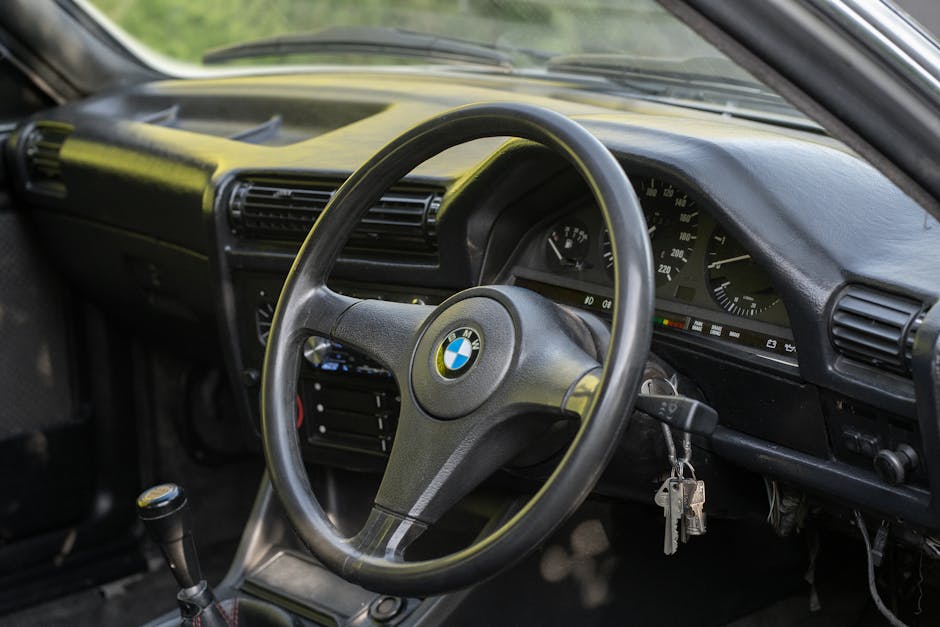
When evaluating whether BMW breaks down more frequently, it’s important to compare the brand to its direct competitors in the luxury segment. Brands like Mercedes-Benz, Audi, Lexus, and Jaguar offer similar levels of comfort and performance, but their reliability records differ. Data from reliability studies such as J. D. Power, Consumer Reports, and RepairPal show that BMW consistently ranks below Lexus and Acura, which are considered the most reliable luxury brands. Lexus, in particular, is frequently cited as the benchmark for dependability, with simpler engineering and fewer turbocharged engines. Audi and Mercedes-Benz, meanwhile, often face similar criticisms as BMW regarding complex electronics and expensive repairs. In fact, among German luxury automakers, BMW is neither the worst nor the best—it sits in the middle, performing better than Jaguar and Land Rover, but trailing Lexus and Acura. This context is crucial for potential buyers who might be considering several luxury brands. If maximum reliability is a priority, Japanese luxury brands may offer more peace of mind. However, if performance and driving enjoyment are higher on the list, a BMW remains a compelling—if slightly riskier—choice.
Luxury Brand Reliability Comparison (2023)
| Brand | Reliability Score (J. D. Power) | Avg. Annual Repair Cost |
|---|---|---|
| Lexus | 81/100 | $551 |
| Acura | 79/100 | $501 |
| BMW | 65/100 | $968 |
| Audi | 63/100 | $987 |
| Mercedes-Benz | 62/100 | $908 |
| Jaguar | 57/100 | $1,123 |
Factors That Affect BMW Breakdowns
Several key factors influence how often a BMW might break down, and understanding these can help owners mitigate potential issues. The most significant factors include model year, maintenance practices, driving habits, and the climate in which the car operates. Older BMWs, especially those built before 2010, tend to have more issues due to aging components and less advanced manufacturing techniques. Newer models have improved in terms of build quality, but their increased reliance on electronics introduces new points of failure. Regular maintenance is critical; skipping oil changes, delaying brake service, or ignoring warning lights can quickly lead to major failures. BMW’s service intervals are longer than some competitors, but this can sometimes lead to neglect if owners are not attentive. Driving style also plays a major role. BMWs are designed to be driven enthusiastically, but aggressive driving can accelerate wear on the engine, suspension, and transmission. Finally, environmental factors such as harsh winters or extremely hot climates can exacerbate issues like battery drain, fluid leaks, or electronic malfunctions.
Checklist: Factors Impacting BMW Reliability
- Adherence to scheduled maintenance
- Model year and generation
- Driving habits (aggressive vs. conservative)
- Climate and environmental conditions
- Quality of fuel and fluids used
Tips to Prevent Frequent BMW Breakdowns
While it is true that BMWs can break down more than some mainstream vehicles, there are practical steps owners can take to minimize these risks and enjoy a more dependable ownership experience. The first and most important step is to follow the manufacturer’s recommended maintenance schedule, which covers oil changes, fluid checks, brake service, and inspections. Using high-quality synthetic oil and premium fuel also helps maintain engine performance and longevity. Addressing small issues quickly can prevent them from escalating into larger, more expensive repairs. For example, fixing a minor oil leak or replacing a faulty sensor early can save thousands in future repairs. Many BMW owners also recommend having a trusted independent mechanic who specializes in European vehicles, as dealership service can be expensive and sometimes unnecessary for routine work. Finally, consider investing in an extended warranty or mechanical breakdown insurance if you plan to keep your BMW beyond its factory warranty period. These policies can help offset the cost of unexpected repairs, especially for older models or those with high mileage.
Steps to Reduce BMW Breakdowns
- Follow all scheduled maintenance intervals
- Use recommended fluids and parts
- Address warning lights and error codes promptly
- Inspect for leaks and worn components regularly
- Choose a reputable mechanic experienced with BMWs
- Consider extended warranty coverage
Cost of Repairs and Ownership: What to Expect
BMW ownership comes with higher-than-average repair and maintenance costs. This is due to the premium materials, sophisticated engineering, and specialized tools required for repair work. Parts and labor rates for BMWs tend to be more expensive than those for mainstream brands, and some models—such as the 7 Series or M models—can be particularly costly to maintain. The most common repairs include oil leaks, suspension bushings, brake pads and rotors, and various electronic modules. While these problems are generally not catastrophic, they can add up over time. For instance, replacing a water pump on a BMW 3 Series can cost twice as much as on a Toyota Camry. Additionally, some BMWs require specialty fluids or diagnostic equipment, which can increase service bills. Despite the higher costs, many BMW owners feel the driving experience justifies the expense. However, potential buyers should budget for these increased costs and avoid stretching financially to afford the car itself, as unplanned repairs can be a significant burden.
Common BMW Repairs and Costs
| Repair Type | Average Cost (BMW) | Average Cost (Mainstream Brand) |
|---|---|---|
| Oil Leak Repair | $650 | $350 |
| Brake Pad Replacement | $400 | $200 |
| Water Pump Replacement | $800 | $400 |
| Electronic Module Replacement | $1,200 | $500 |
Frequently Asked Questions
What are the most common BMW breakdowns?
The most frequent BMW issues include electrical faults (such as malfunctioning sensors or infotainment systems), oil leaks, cooling system failures, and suspension component wear. These problems vary by model and age, but electrical issues are particularly common in newer, feature-rich models.
Are newer BMWs more reliable than older ones?
Generally, newer BMWs benefit from improved manufacturing processes and updated components. However, they also introduce more electronics, which can create new reliability challenges. While some common issues have been addressed in recent models, the complexity of new technology means problems can still arise.
How expensive is it to maintain a BMW compared to other brands?
BMW maintenance and repair costs are significantly higher than those for mainstream brands like Toyota or Honda. Annual repair costs average around $968 for BMWs, compared to $652 for the industry average. Premium parts, specialized labor, and advanced technology drive these higher costs.
Does regular maintenance reduce BMW breakdowns?
Yes, following the manufacturer’s maintenance schedule and addressing small issues promptly can significantly reduce the likelihood of major breakdowns. Preventive care is especially important for BMWs due to their complex engineering.
Is it safe to buy a high-mileage used BMW?
High-mileage BMWs can be a good value if they have a full service history and have been well-maintained. However, prospective buyers should budget for potential repairs and have the vehicle thoroughly inspected by a BMW specialist before purchase.
Conclusion
In summary, while BMWs are not the most reliable vehicles on the market, they also do not deserve the reputation of being constant money pits when properly maintained. Their complex engineering and premium features do lead to a higher frequency of breakdowns and increased repair costs compared to mainstream brands. However, with diligent maintenance, prompt repairs, and realistic expectations about ownership costs, many BMW drivers enjoy years of rewarding performance and comfort. For those who prioritize driving excitement and luxury over absolute dependability, BMW remains a compelling choice—just be prepared for the responsibilities and expenses that come with owning a high-performance machine.