
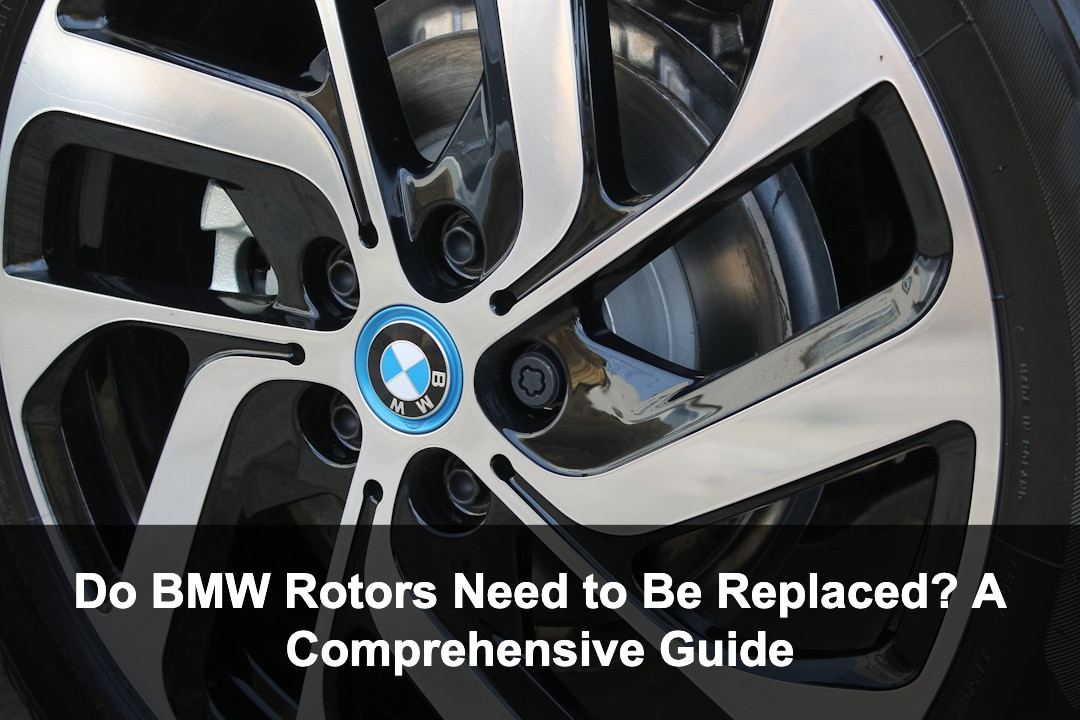
When it comes to maintaining the performance and safety of your BMW, one critical component to consider is the brake system, particularly the rotors. Brake rotors play a vital role in ensuring effective stopping power, and their condition can significantly impact your overall driving experience. Over time, rotors can wear down due to various factors such as driving habits, road conditions, and even the type of brake pads used. Understanding when and why to replace your BMW rotors is essential for any car owner, not only for safety but also for the longevity of your vehicle. This article delves deep into the need for rotor replacement, the signs of wear, and the factors influencing rotor longevity, providing you with all the information necessary to make informed decisions regarding your BMW’s braking system.
Key Statistics
Understanding the Role of Brake Rotors
Brake rotors are an integral part of your BMW’s braking system, serving as the disc that the brake pads clamp down on to create friction and slow the vehicle. Rotors come in various designs, including vented and solid types, each suited for different driving conditions and styles. The effectiveness of the braking system hinges on the condition of the rotors; when they are smooth and free of defects, they provide optimal performance. However, factors such as heat, moisture, and debris can contribute to wear and tear over time. Understanding their function helps drivers appreciate why regular inspection and maintenance are crucial for ensuring safety and performance. In BMW vehicles, high-performance rotors are often utilized, designed to withstand extreme conditions, but even these can degrade and require replacement as they approach the end of their service life.
Types of Brake Rotors
| Rotor Type | Description | Best Use Case |
|---|---|---|
| Vented Rotors | Rotors with internal cooling vanes | High-performance and frequent braking |
| Solid Rotors | Simple, non-vented discs | Lightweight vehicles or less aggressive driving |
| Drilled Rotors | Rotors with holes for heat dissipation | Racing or high-performance applications |
| Slotted Rotors | Rotors with grooves to expel gases | Enhanced braking performance in various conditions |
Signs That Your BMW Rotors Need Replacement
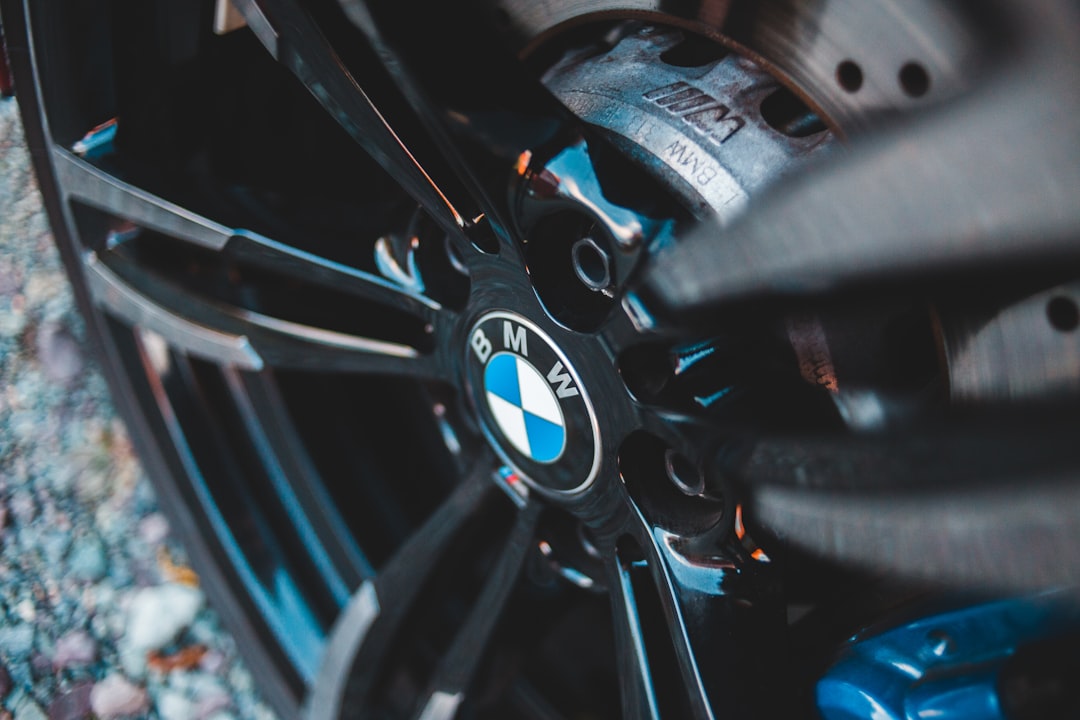
Recognizing the signs that your rotors may need replacement is crucial for maintaining safety and performance. Common indicators of worn rotors include: 1. Vibration or pulsation during braking: This can indicate warped rotors, which cause uneven contact with the brake pads. 2. Squeaking or grinding noises: If you hear unusual sounds when applying the brakes, it could mean that the rotor surface is damaged or that the brake pads are worn down. 3. Reduced braking performance: If your vehicle takes longer to stop or feels less responsive, it may be time to check the rotors. 4. Deep grooves or scoring on the rotor surface: Visible wear on the rotors can affect braking efficiency and should be addressed immediately. Timely replacement of rotors not only enhances safety but also prolongs the life of the brake pads, making it essential to monitor these signs and take action as necessary.
Signs of Worn Rotors
- Vibration during braking
- Unusual noises when braking
- Longer stopping distances
- Visible grooves on rotor surface
Factors Affecting Rotor Longevity
The lifespan of brake rotors can be influenced by several factors, including: 1. Driving habits: Aggressive driving, frequent hard braking, and city driving can wear down rotors faster compared to gentle driving in rural or highway settings. 2. Quality of brake pads: Using high-quality brake pads can extend the life of rotors, while cheap pads may wear out quickly and damage the rotors. 3. Environmental conditions: Areas with high humidity or road salt exposure can lead to corrosion on rotors, reducing their lifespan. 4. Regular maintenance: Routine inspections and timely replacement of brake pads can prevent excessive wear on rotors, enhancing overall performance. Understanding these factors allows BMW owners to take proactive measures to ensure the longevity and reliability of their brake system.
Factors Influencing Rotor Life
| Factor | Impact on Rotor Life | Recommended Actions |
|---|---|---|
| Driving Habits | Aggressive driving shortens lifespan | Adopt smoother driving techniques |
| Brake Pad Quality | Cheap pads cause premature wear | Choose high-quality pads |
| Environmental Exposure | Corrosion from salt and humidity | Regular washing and inspections |
| Maintenance Frequency | Neglect leads to quicker wear | Schedule regular brake system checks |
The Replacement Process: What to Expect
Replacing rotors on a BMW involves several steps that can be performed by a professional mechanic or experienced DIY enthusiasts. The process begins with lifting the vehicle and removing the wheel to access the brake assembly. After removing the caliper and brake pads, the old rotor is detached. It is essential to inspect the hub for corrosion and clean it before installing the new rotor. Once the new rotor is in place, the brake pads are reinstalled, and the caliper is secured. Finally, the wheel is reattached, and the vehicle is lowered. It’s crucial to follow proper torque specifications during reassembly to ensure safety. Additionally, it’s advisable to break in new rotors and pads by avoiding heavy braking for the first several hundred miles to allow the components to adapt to each other. Proper installation not only ensures safety but also maximizes the performance of the braking system.
Rotor Replacement Steps
- Lift vehicle and remove wheel.
- Detach caliper and remove old rotor.
- Inspect and clean the hub.
- Install new rotor and reattach brake pads.
- Secure caliper and reattach wheel.
- Lower vehicle and perform a test drive.
Frequently Asked Questions
How often should BMW rotors be replaced?
Typically, BMW rotors should be inspected every 30,000 to 70,000 miles. However, this can vary based on driving conditions and habits.
Can I resurface my rotors instead of replacing them?
Resurfacing is possible if the rotors are not excessively worn or damaged. However, if they are too thin or scored, replacement is necessary.
What are the signs of warped rotors?
Signs of warped rotors include vibration during braking, noise, and uneven wear on brake pads.
Is it safe to drive with worn rotors?
Driving with worn rotors is unsafe as it can lead to decreased braking performance and increased stopping distances.
Do I need to replace both rotors at the same time?
It is generally recommended to replace both rotors on the same axle to maintain balanced braking performance.
Conclusion
In conclusion, understanding the importance of brake rotors and recognizing when they need replacement is crucial for the safety and performance of your BMW. Regular inspections, awareness of the signs of wear, and knowledge of the factors affecting rotor longevity can help you maintain your vehicle in optimal condition. By ensuring that your rotors are in good shape, you not only enhance your driving experience but also prolong the life of your brake system. As a BMW owner, prioritizing brake maintenance is a key aspect of responsible vehicle ownership. Ultimately, staying informed and proactive about rotor care will contribute to a safer ride and better performance on the road.