
When it comes to premium automobiles, BMW frequently stands out as a brand synonymous with performance, luxury, and engineering excellence. However, prospective buyers and current owners often ponder a critical question: How long do BMWs last? While the brand is celebrated for its driving dynamics and technological advancements, longevity is a crucial factor that affects the overall ownership experience. This article delves into various aspects that contribute to the lifespan of BMW vehicles, including build quality, maintenance practices, common models, and customer experiences. By examining these elements comprehensively, we aim to present an informed conclusion about the durability and longevity of BMWs, helping potential buyers make educated decisions about their investments in this iconic brand.
Key Statistics
The Engineering Behind BMW Longevity
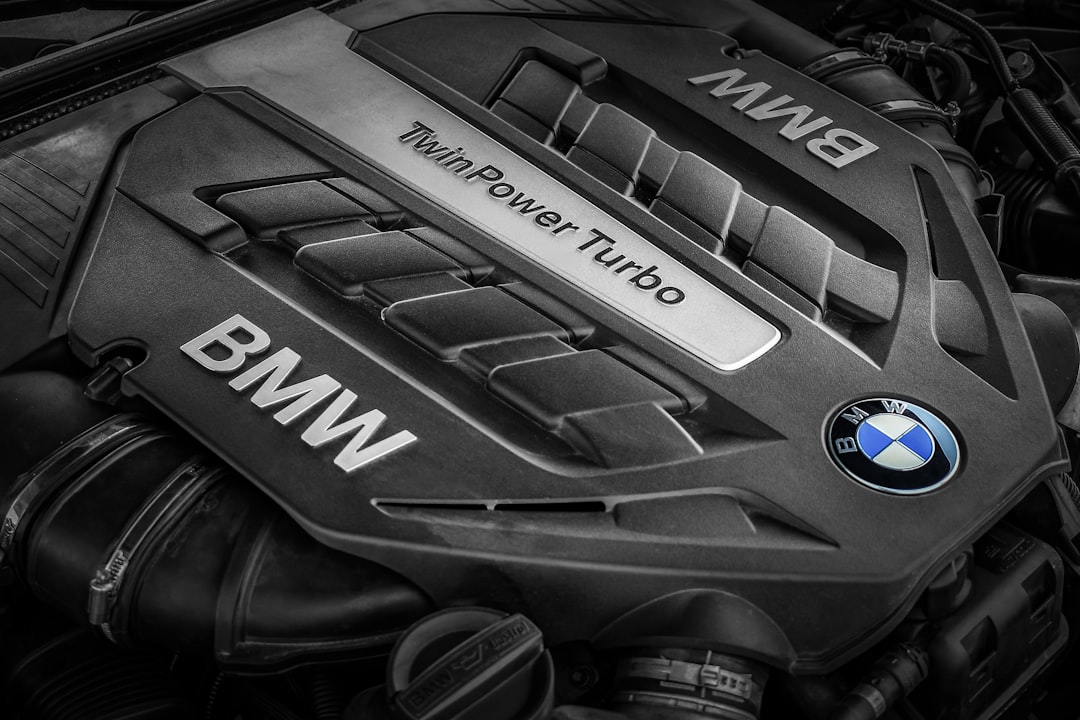
BMW vehicles are renowned for their engineering prowess, which plays a significant role in their durability. The brand employs high-quality materials, meticulous manufacturing processes, and advanced technologies that contribute to the longevity of their cars. For instance, BMW’s engines are designed with precision, featuring robust components that can withstand wear and tear over time. Additionally, BMW incorporates innovative technology such as adaptive suspension systems and advanced drivetrain configurations, which not only enhance performance but also enhance the vehicle’s resilience. Such engineering excellence ensures that BMWs are equipped to handle various driving conditions while maintaining their integrity.
BMW Engineering Features
| Feature | Description | Impact on Longevity |
|---|---|---|
| Precision engines | High-quality materials and construction | Reduced wear and longer lifespan |
| Adaptive suspension | Responsive handling and comfort | Improved durability under varied conditions |
| Advanced drivetrain | Efficient power distribution | Enhanced longevity through optimized performance |
Pros and Cons of BMW Engineering
✅ Pros
- High-quality build materials
- Innovative technology and design
❌ Cons
- Complex systems can be expensive to repair
- Specific parts may have longer lead times
Maintenance: The Key to Longevity
Proper maintenance is crucial for extending the lifespan of any vehicle, and BMWs are no exception. Regular servicing, timely oil changes, and prompt attention to warning lights can significantly enhance the longevity of BMW models. BMW recommends adhering to their maintenance schedule, which typically includes inspections every 10,000 miles and oil changes every 7,500 to 10,000 miles, depending on driving conditions. Additionally, investing in genuine BMW parts can ensure compatibility and maintain the vehicle’s performance. Neglecting regular service can lead to issues that may shorten the car’s lifespan, such as engine wear, transmission problems, and electrical failures.
BMW Maintenance Schedule
| Service Type | Frequency | Estimated Cost |
|---|---|---|
| Oil Change | Every 7,500-10,000 miles | $100-$150 |
| Brake Inspection | Every 10,000 miles | $80-$120 |
| Fluid Check | Every 10,000 miles | $50-$100 |
| Tire Rotation | Every 7,500 miles | $40-$80 |
BMW Maintenance Checklist
- Check engine oil level
- Inspect brake pads and rotors
- Examine tire tread and pressure
- Review battery health
- Test lights and indicators
Common BMW Models and Their Longevity
Different BMW models exhibit varying levels of durability and longevity. Models such as the BMW 3 Series and BMW 5 Series are particularly noted for their reliability and lifespan. For example, many owners of the BMW 3 Series report that their vehicles exceed 200,000 miles with proper maintenance. Conversely, some models, particularly those with high-performance engines, may face more challenges with longevity due to the complexity of their systems. It is also essential to consider factors such as driving habits, road conditions, and environmental factors, which can significantly influence the lifespan of any vehicle. Researching user reviews and reliability ratings can provide valuable insights into specific models.
BMW Model Longevity Comparison
| Model | Average Lifespan (miles) | Common Issues |
|---|---|---|
| BMW 3 Series | 200,000+ | Electrical issues, suspension wear |
| BMW 5 Series | 200,000+ | Engine oil leaks, transmission problems |
| BMW X5 | 150,000-200,000 | Cooling system failures, air suspension problems |
| BMW M Series | 100,000-150,000 | High-performance wear, costly repairs |
Pros and Cons of Popular BMW Models
✅ Pros
- 3 Series: Excellent longevity and resale value
- 5 Series: Balanced luxury and performance
❌ Cons
- M Series: High maintenance costs
- X5: Performance can lead to reliability issues
Customer Experiences: Real-World Insights

Customer experiences play a crucial role in determining the longevity of BMW vehicles. Many long-term owners share stories of their BMWs lasting well beyond the average lifespan when properly cared for. Online forums and owner clubs often feature testimonials highlighting successful maintenance strategies and common pitfalls to avoid. Furthermore, the community around BMW ownership tends to be passionate and well-informed, often sharing tips on DIY maintenance and modifications that enhance longevity. However, some owners report frustrations with high repair costs and specific mechanical issues, emphasizing the importance of thorough research before purchasing a used BMW.
Customer Feedback on BMW Longevity
| Customer | Model | Mileage Achieved | Comments |
|---|---|---|---|
| John D. | BMW 3 Series | 250,000 | Still runs like new with regular maintenance |
| Sarah K. | BMW 5 Series | 215,000 | Only minor issues over the years |
| Mark T. | BMW X5 | 180,000 | Expensive repairs but worth it for comfort |
| Lisa R. | BMW M3 | 130,000 | Great performance but costly to maintain |
Pros and Cons Based on Customer Experiences
✅ Pros
- Long-lasting performance with proper care
- Strong community support for maintenance tips
❌ Cons
- High repair costs can be prohibitive
- Some models have specific recurring issues
Conclusion: Is a BMW Worth It for Longevity?

In conclusion, BMWs can indeed last long, often exceeding 15-20 years with proper maintenance and care. The engineering excellence, quality materials, and a strong community of owners contribute to their reputation for durability. While certain models may have specific issues, understanding the vehicle’s needs and adhering to a regular maintenance schedule can significantly enhance its lifespan. Potential buyers should weigh the pros and cons, consider their driving habits, and do thorough research on the specific model they are interested in. Ultimately, investing in a BMW can be a rewarding experience for those who appreciate the blend of performance, luxury, and longevity that the brand offers.
Frequently Asked Questions
What is the average lifespan of a BMW?
With proper maintenance, many BMWs can last between 15 to 20 years, with some models exceeding 200,000 miles.
Are BMWs expensive to maintain?
Yes, the average annual maintenance cost for a BMW is estimated to be between $1,000 and $1,500, which can be higher than many other brands.
Which BMW models are the most reliable?
The BMW 3 Series and 5 Series are often noted for their reliability and longevity, with many owners reporting high mileage with minimal issues.
How can I extend the lifespan of my BMW?
Regular maintenance, timely oil changes, using genuine parts, and following the manufacturer’s service schedule can significantly extend your BMW’s lifespan.
Do BMWs have common issues?
Yes, common issues reported by BMW owners include electrical problems, suspension wear, and engine oil leaks, particularly in older models.
Is buying a used BMW a good idea?
Buying a used BMW can be a good idea if you thoroughly research the specific model, check its maintenance history, and are prepared for potential repair costs.
Conclusion
In summary, BMW vehicles have a reputation for durability and longevity, often lasting well over a decade with proper care. Their engineering excellence, combined with a strong support community, can enhance the ownership experience. However, prospective buyers should be aware of the potential maintenance costs and common issues. By staying informed and proactive about maintenance, BMW owners can enjoy their vehicles for many years, making the investment worthwhile. Whether you’re considering a new or used BMW, understanding the factors that contribute to longevity is essential for making an informed decision.