
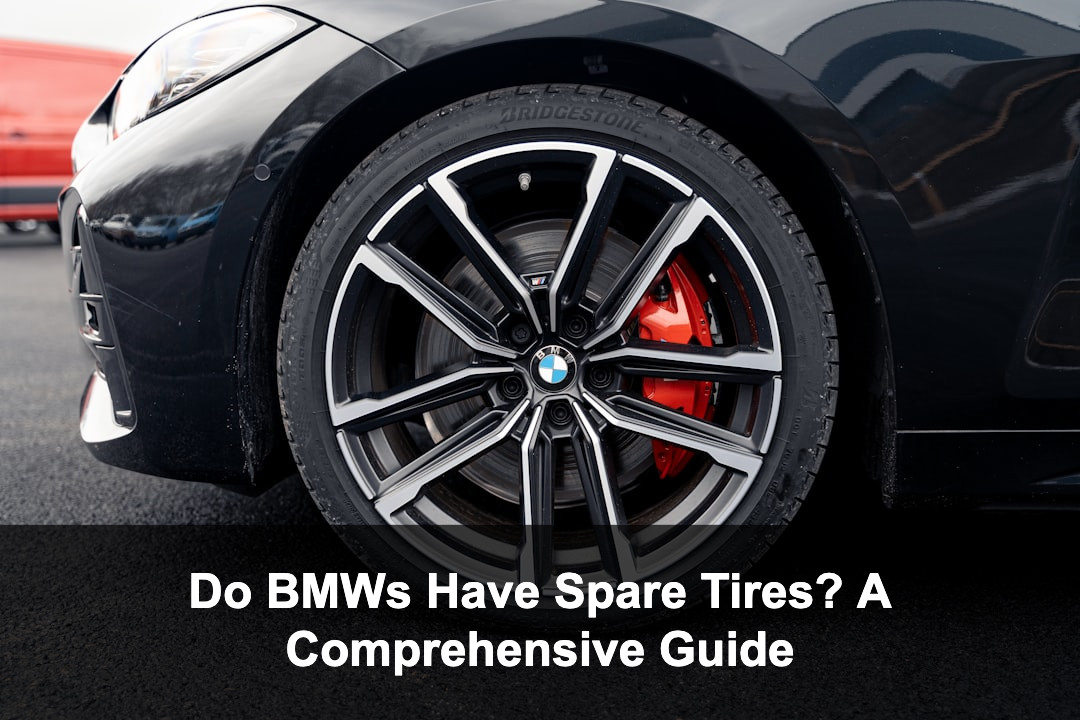
When it comes to luxury vehicles like BMWs, many potential owners and current drivers often wonder about the presence and necessity of spare tires. Unlike traditional cars, where spare tires are standard, BMWs sometimes offer different configurations and options that can lead to confusion. In this detailed guide, we will explore whether BMWs come with spare tires, the various alternatives available, and the factors influencing these decisions. Additionally, we will discuss the implications for drivers, including the benefits and drawbacks of having a spare tire versus relying on run-flat tires or tire repair kits. Understanding these elements can significantly impact your driving experience and peace of mind on the road.
Key Statistics
Understanding BMW Tire Options
To appreciate the spare tire situation in BMWs, it’s vital to understand the different tire options available. Traditionally, many vehicles come with a full-size spare tire, but BMW has shifted towards using run-flat tires in many of its models. Run-flat tires are designed to allow drivers to continue driving for a limited distance even after a puncture, eliminating the immediate need for a spare. This innovation is particularly beneficial for luxury cars, where weight reduction and maximizing trunk space are priorities. However, not all BMW models are equipped with run-flat tires; some may still come with standard tires that require a spare. Additionally, certain performance models might not include a spare to enhance speed and handling. Drivers should consult their owner’s manual or dealership to verify the tire setup for their specific model.
BMW Tire Options Overview
| Tire Type | Description | Typical Models |
|---|---|---|
| Run-Flat Tires | Allow limited driving after a puncture | BMW 3 Series, 5 Series, X3 |
| Full-Size Spare | Standard spare tire for emergencies | Older models, some 7 Series |
| Compact Spare | Smaller, lighter spare for emergencies | BMW Z4, some 1 Series |
| Tire Repair Kit | Sealant and compressor instead of a spare | Most current models |
Advantages and Disadvantages of Spare Tires
The choice between having a spare tire and relying on run-flat tires or repair kits comes with its own set of advantages and disadvantages. Understanding these can help BMW owners make informed decisions about their vehicle’s equipment. One of the primary advantages of having a spare tire is that it provides immediate backup in case of a flat, allowing drivers to quickly replace a damaged tire without waiting for roadside assistance. Additionally, full-size spares can be used for longer distances compared to run-flats, which have limited mileage after a puncture. However, there are notable disadvantages. Carrying a spare tire adds weight and occupies trunk space, which can be crucial in performance-oriented models. Moreover, run-flat tires eliminate the need for a spare, allowing for a more streamlined vehicle design. Additionally, run-flat tires can be more costly to replace compared to conventional tires. The choice of tire system ultimately depends on individual preferences and driving habits.
Pros and Cons of Spare Tires
✅ Pros
- Provides immediate backup for flat tires
- Allows longer travel distances after a flat
❌ Cons
- Adds weight to the vehicle
- Occupies valuable trunk space
Maintenance and Care for BMW Tires
Proper maintenance of BMW tires is crucial for ensuring safety and performance. Whether equipped with run-flat tires or a spare, regular checks and maintenance can extend tire life significantly. Drivers should routinely inspect tire pressure, as under-inflated tires can lead to premature wear and a higher likelihood of flats. For vehicles equipped with run-flat tires, it’s essential to replace them promptly if they sustain damage, as continuing to drive on them past their limits can lead to further damage to the vehicle. Additionally, performing regular tire rotations and alignments can help ensure even wear across all tires, improving overall handling and performance. When it comes to spare tires, ensuring that they are properly inflated and stored correctly is vital. Many drivers overlook spare tires, assuming they will never need them, leading to unexpected situations. It is advisable to check the spare tire’s condition and pressure at least once a year.
BMW Tire Maintenance Schedule
| Maintenance Task | Frequency | Recommended Action |
|---|---|---|
| Tire Pressure Check | Monthly | Check and inflate as needed |
| Tire Rotation | Every 5,000 – 7,500 miles | Rotate tires to promote even wear |
| Visual Inspection | Monthly | Look for cuts, punctures, and wear |
| Spare Tire Check | Every 6 months | Ensure proper inflation and condition |
Emergency Preparedness with BMW Tires
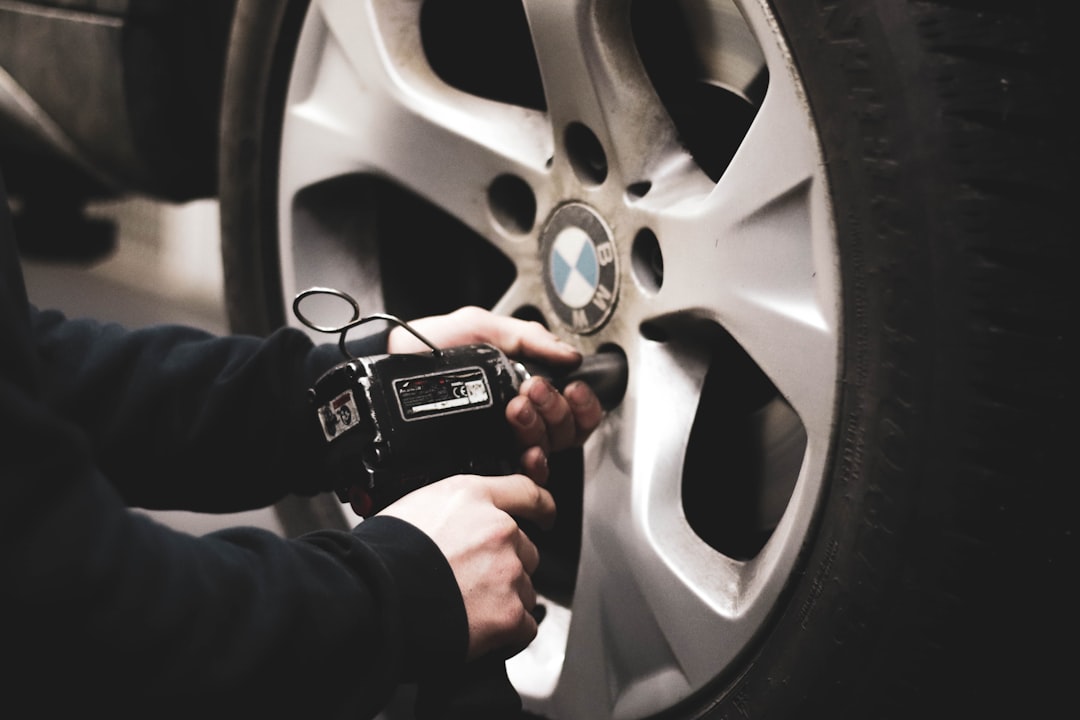
Being prepared for tire-related emergencies can significantly reduce stress during unforeseen circumstances. For BMW owners, understanding the vehicle’s tire setup is crucial for effective emergency preparation. For those with run-flat tires, having a tire repair kit on hand can be beneficial, as it can provide a temporary fix for minor punctures. Drivers with a spare tire should familiarize themselves with the tools necessary for changing a tire, including a jack, lug wrench, and possibly a tire iron. Additionally, knowing how to safely change a tire can be a lifesaver in emergency situations. Furthermore, keeping emergency contact numbers, such as roadside assistance, readily available can offer peace of mind. Whether relying on a spare tire or run-flat technology, being informed and prepared can make all the difference in a roadside emergency.
Emergency Tire Change Checklist
- Ensure you have a jack and lug wrench
- Check that the spare tire is properly inflated
- Keep emergency contact numbers handy
- Familiarize yourself with the tire-changing procedure
Frequently Asked Questions
Do all BMW models come with a spare tire?
No, not all BMW models come with a spare tire. Many newer models come equipped with run-flat tires or a tire repair kit instead.
What should I do if my BMW has a flat tire?
If your BMW has a flat tire, check if you have run-flat tires; if so, drive carefully to the nearest service station. If you have a spare tire, follow the owner’s manual for instructions on changing the tire.
Are run-flat tires better than traditional tires?
Run-flat tires offer the advantage of driving on a flat for a limited distance, reducing the need for a spare. However, they can be more expensive and may not provide as smooth a ride as traditional tires.
How often should I check my spare tire?
It is recommended to check your spare tire’s condition and pressure at least once every six months to ensure it is ready for use when needed.
Can I replace a flat run-flat tire with a regular tire?
While it is possible to replace a flat run-flat tire with a regular tire, it is advisable to consult with a tire professional, as the handling and performance characteristics may differ.
Conclusion
In conclusion, the question of whether BMWs have spare tires is multifaceted, influenced by model specifics and technological advancements. While many newer models come with run-flat tires or tire repair kits, some still retain the option for a spare tire. Understanding the tire setup of your specific BMW model is crucial for ensuring safety and preparedness. Regular maintenance and awareness of tire-related emergencies can significantly enhance the driving experience. Ultimately, whether opting for a spare tire or run-flat tires, making informed choices will contribute to both safety and performance on the road.