
In the world of premium automobiles, BMW stands as a symbol of performance, luxury, and innovative technology. As modern vehicles rapidly evolve, advanced driver assistance systems (ADAS) have become increasingly important for both safety and convenience. Among these, adaptive cruise control (ACC) is a highly sought-after feature that automates speed and distance management, making highway driving more comfortable and less stressful. Many potential BMW buyers and current owners often ask: do BMWs have adaptive cruise control, and if so, how does it work across different models and years? This comprehensive article explores the availability, functionality, and technical details of adaptive cruise control in BMW vehicles. We will examine BMW’s proprietary systems, compare them with competitors, and provide practical information for buyers considering this technology. Whether you’re looking for your next luxury car or seeking to understand the latest in automotive technology, this guide offers a detailed exploration of how BMW integrates adaptive cruise control into its lineup.
Key Statistics on BMW Adaptive Cruise Control
Understanding Adaptive Cruise Control: What Is It and How Does It Work in BMWs?
Adaptive cruise control, commonly abbreviated as ACC, represents a significant leap from traditional cruise control systems. While regular cruise control maintains a set speed, adaptive cruise control uses radar and camera sensors to monitor the traffic ahead. When a slower vehicle is detected, ACC automatically reduces the speed to maintain a safe following distance, and can accelerate back to the preset speed when the lane clears. BMW’s version of this technology is known as “Active Cruise Control with Stop & Go function.” First introduced in the flagship 7 Series, BMW has continuously refined the system over the years. The Stop & Go feature allows the vehicle to come to a complete stop if necessary, and then resume driving when traffic moves again. This is particularly valuable in heavy traffic and urban environments. BMW’s ACC system typically integrates with the brand’s broader suite of driver assistance features, such as lane keeping assist and traffic jam assist, offering a semi-autonomous driving experience in certain conditions. The technology relies on a combination of radar sensors (often hidden in the front grille), forward-facing cameras, and sophisticated software algorithms to analyze real-time data and control braking, throttle, and sometimes even steering.
BMW Adaptive Cruise Control vs Traditional Cruise Control
| Feature | Traditional Cruise Control | BMW Adaptive Cruise Control |
|---|---|---|
| Maintains set speed | Yes | Yes |
| Automates braking/acceleration | No | Yes |
| Responds to traffic ahead | No | Yes |
| Brings car to full stop | No | Yes (with Stop & Go) |
| Integrated with other ADAS | No | Yes |
Advantages and Limitations of BMW Adaptive Cruise Control
✅ Pros
- Enhances long-distance driving comfort
- Improves safety by maintaining distance
- Reduces driver fatigue in stop-and-go traffic
- Integrates with other driver assistance features
❌ Cons
- May not function optimally in severe weather
- Certain features may require optional packages
- Driver must remain attentive at all times
Which BMW Models Offer Adaptive Cruise Control? Availability by Series and Year
BMW offers adaptive cruise control across most of its lineup, but the availability and standardization can vary by model, trim level, market, and production year. Initially, adaptive cruise control was reserved for high-end models like the 7 Series and 5 Series, but over the past decade, it has spread to nearly all series, including SUVs and even compact vehicles. Currently, nearly every new BMW sold in North America and Europe can be equipped with adaptive cruise control, either as a standard feature or as part of a package. Key packages include the “Driving Assistance Professional Package” and the “Active Driving Assistant Plus,” which bundle ACC with other advanced features. Entry-level models, such as the 2 Series or base trims of the 3 Series, may offer ACC as an option rather than standard. Used BMW buyers should pay close attention to the specific trim and options list, as earlier model years may not have ACC or may require costly upgrades. It is always recommended to verify the presence of adaptive cruise control with a VIN lookup or dealership confirmation.
Adaptive Cruise Control Availability by BMW Series (2024 Models)
| BMW Series | Standard ACC | Optional ACC | Requires Package? |
|---|---|---|---|
| 2 Series | No | Yes | Yes (Driving Assistance) |
| 3 Series | No | Yes | Yes (Driving Assistance Pro) |
| 5 Series | Yes | Yes | No (standard on higher trims) |
| 7 Series | Yes | Yes | Standard |
| X1/X2 | No | Yes | Yes |
| X3/X5/X7 | No | Yes | Yes (standard on X7) |
| i4/iX/i7 (EVs) | Yes | Yes | Standard or package |
Checklist for Identifying ACC on a BMW
- Check for ‘Active Cruise Control’ in vehicle settings menu
- Look for driving assistance buttons on steering wheel
- Inspect front grille for radar sensor module
- Review original window sticker or build sheet
- Consult dealership or use VIN lookup tools
How Does BMW’s Adaptive Cruise Control Compare to Competitors?
BMW’s adaptive cruise control is highly regarded for its smoothness, reliability, and integration with the rest of the brand’s driver assistance suite. However, the premium car segment is fiercely competitive, with Mercedes-Benz, Audi, Lexus, and Volvo all offering their own versions of adaptive cruise control, often with unique branding and features. In independent tests, BMW’s Active Cruise Control is praised for its natural acceleration and braking, quick response to cut-ins, and user-friendly controls. Some competitors, like Mercedes-Benz with its DISTRONIC PLUS, may offer slightly more advanced lane centering or hands-off capabilities, but BMW’s system excels in predictability and comfort. Tesla’s Autopilot and Cadillac’s Super Cruise push further into semi-autonomous territory, though they require additional hardware and may be priced higher. When comparing pricing, BMW often bundles ACC with other advanced features, which can increase the total cost. However, the overall package typically includes more comprehensive safety technology, justifying the investment for many buyers.
Adaptive Cruise Control Comparison: BMW vs Major Competitors (2024)
| Brand | Max Speed Range | Stop & Go | Lane Centering | Hands-Off Capability |
|---|---|---|---|---|
| BMW | 0–130 mph | Yes | Yes (with package) | Limited |
| Mercedes-Benz | 0–130 mph | Yes | Yes | Limited |
| Audi | 0–95 mph | Yes | Yes | No |
| Tesla | 0–90 mph | Yes | Yes | Yes (with FSD) |
| Cadillac | 0–85 mph | Yes | Yes | Yes (Super Cruise) |
BMW Active Cruise Control: Pros and Cons Compared to Competitors
✅ Pros
- Refined, smooth operation
- Reliable in a wide range of conditions
- Integrated seamlessly with other BMW driver aids
- Broad speed range and stop-and-go functionality
❌ Cons
- Requires packages on many models
- Lane centering less advanced than some rivals
- No true hands-off autonomous mode
Practical Usage: Real-World Performance, Limitations, and Owner Experiences
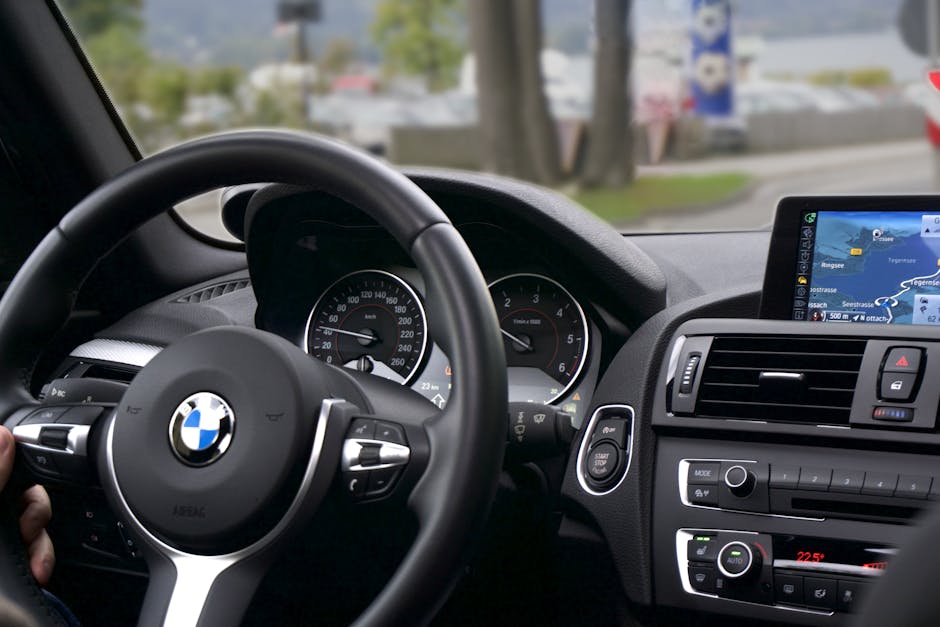
BMW owners widely report that adaptive cruise control significantly enhances long-distance travel and daily commutes, especially in heavy traffic. The system is praised for its ability to smoothly follow vehicles, maintain preset gaps, and accelerate or decelerate predictably. The Stop & Go function is especially appreciated in urban environments where frequent starting and stopping is required. However, like all radar-based systems, BMW’s ACC can be affected by adverse weather conditions such as heavy rain, snow, or fog, which may temporarily disable the sensors. In these scenarios, the driver is alerted to take full manual control. The system’s effectiveness also depends on proper maintenance of the radar and camera sensors, which should be kept clean and unobstructed. Some users have noted that while BMW’s adaptive cruise control is excellent at maintaining speed and distance, its lane centering feature is less aggressive than those from Tesla or Mercedes, occasionally requiring more steering input from the driver. Nonetheless, the blend of comfort, safety, and driver engagement aligns well with BMW’s brand ethos. To maximize the benefits of ACC, drivers should familiarize themselves with the controls and settings, and always remain attentive, as the system is not a substitute for active driving.
Best Practices for Using BMW Adaptive Cruise Control
- Ensure radar and camera sensors are clean and unobstructed
- Adjust following distance according to conditions
- Monitor system alerts and be prepared to resume manual control
- Review the owner’s manual for feature-specific guidance
- Use ACC primarily on highways and well-marked roads
Future Developments: The Next Generation of BMW Driver Assistance
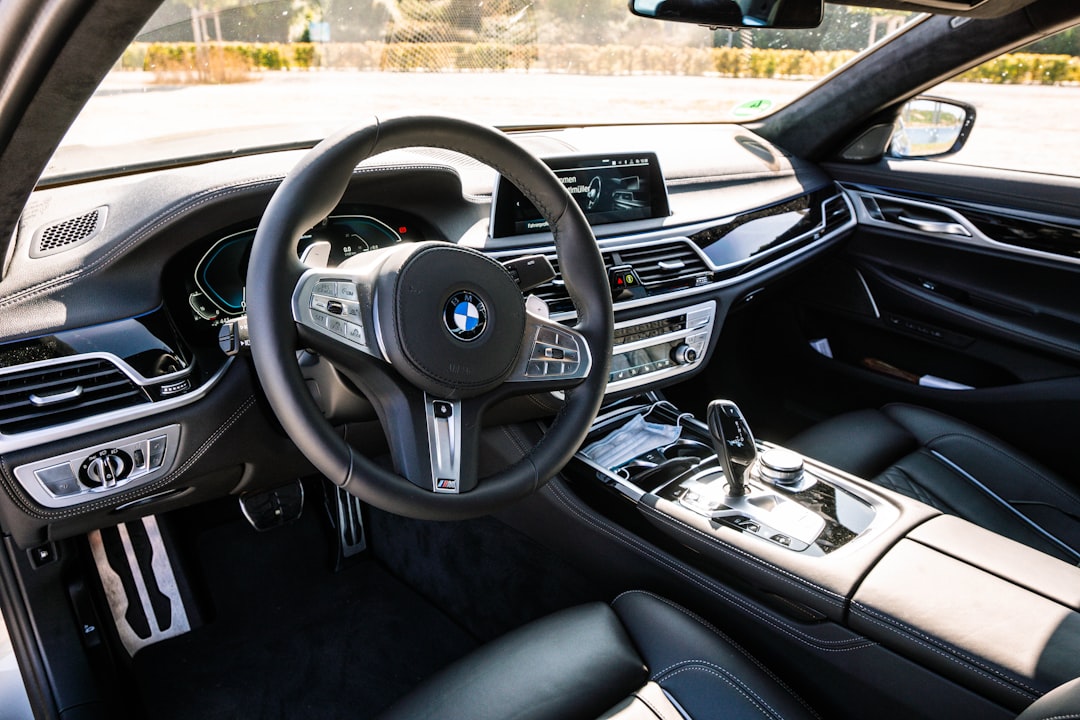
BMW continues to invest heavily in advanced driver assistance and semi-autonomous technology. The latest models, including the i7 and next-generation 7 Series, are equipped with even more sophisticated systems, featuring improved sensors, higher-resolution cameras, and software that enables hands-free driving under certain conditions. BMW’s roadmap includes enhancing adaptive cruise control with artificial intelligence, allowing the car to better anticipate traffic patterns and respond more like a human driver. Upcoming features may include expanded lane centering, more robust automatic overtaking, and integration with vehicle-to-vehicle (V2V) communication for proactive safety. BMW’s approach emphasizes both driver engagement and automation, aiming to deliver a blend of enjoyment and convenience that stays true to the brand’s heritage. As regulation and infrastructure evolve, expect BMW’s adaptive cruise control and broader ADAS features to become even more capable, paving the way for higher levels of autonomous driving in the coming years.
Frequently Asked Questions
Is adaptive cruise control standard on all BMW models?
No, adaptive cruise control is not standard on all BMW models. While it is standard on higher-end models and certain trims, many entry-level or base models require the addition of a driver assistance package to receive this feature.
Can adaptive cruise control be added to a used BMW after purchase?
In most cases, adaptive cruise control cannot be retrofitted to a BMW that did not come equipped with the necessary sensors and hardware from the factory. It is best to purchase a vehicle that already has ACC if this feature is important to you.
Does BMW adaptive cruise control work in stop-and-go traffic?
Yes, most modern BMWs with ACC include a Stop & Go function, allowing the vehicle to automatically stop and resume movement in congested traffic conditions.
How is BMW’s adaptive cruise control activated and adjusted?
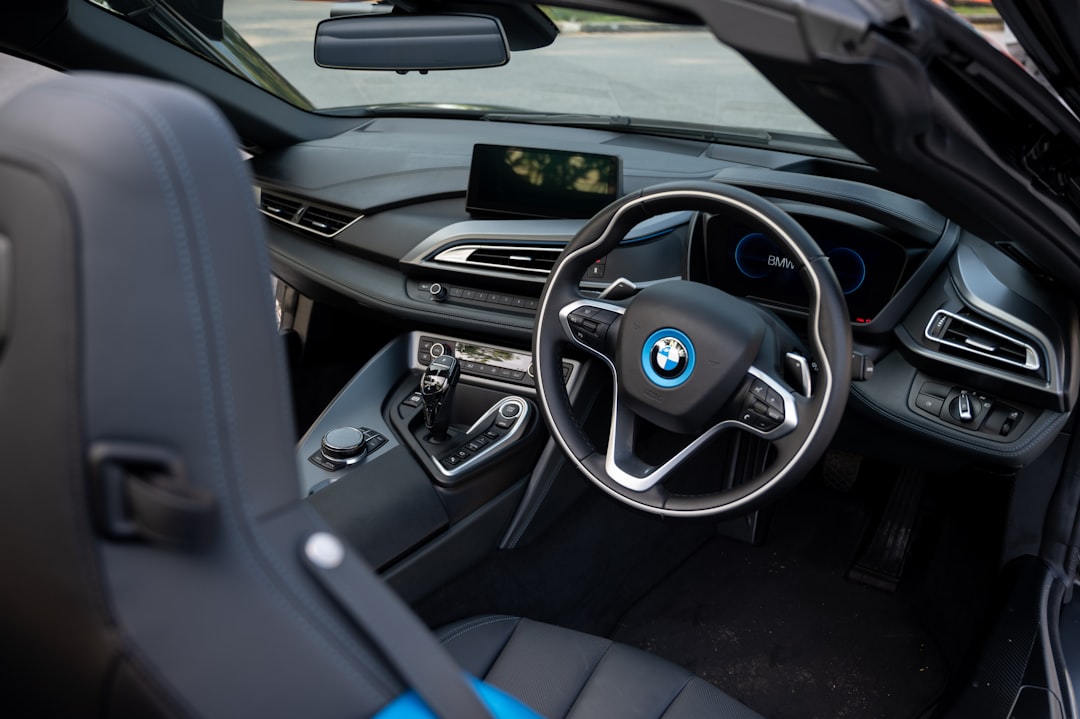
BMW adaptive cruise control is typically activated via steering wheel controls. The driver can set the desired speed and adjust the following distance through dedicated buttons, with system status and settings shown on the dashboard display.
Are there any maintenance requirements for BMW’s ACC system?
Routine maintenance involves ensuring that the radar and camera sensors (usually located in the front grille and windshield) are clean and unobstructed. Severe impacts or replacements in these areas may require sensor recalibration by a BMW specialist.
Conclusion
BMW’s adaptive cruise control, branded as Active Cruise Control with Stop & Go, is a testament to the brand’s commitment to blending driving enjoyment with innovative safety and convenience. Available across most of the modern BMW lineup, this technology delivers a smoother, safer, and less fatiguing driving experience, especially on highways and in heavy traffic. While the feature’s availability and sophistication depend on model, trim, and optional packages, its refined integration with other driver assistance systems sets BMW apart in the luxury segment. As automotive technology advances, BMW continues to enhance its adaptive cruise control and broader ADAS offerings, aiming for greater automation while maintaining the engaging driving dynamics the brand is known for. For buyers and owners, understanding the specifics of ACC availability, operation, and limitations is key to making the most of this valuable feature. Ultimately, BMW’s approach ensures that drivers enjoy both the thrill of the road and the reassurance of cutting-edge safety technology.