
BMW vehicles have long been synonymous with luxury, performance, and cutting-edge technology. However, alongside their reputation for driving pleasure and prestige, questions about their reliability and maintenance costs often arise. For potential buyers and current owners alike, understanding whether BMWs are more prone to problems than other brands is crucial to making informed decisions. This article dives deeply into the reliability landscape of BMWs, exploring common issues, comparing them with competitors, and examining factors that influence the ownership experience. Whether you’re considering a new or used BMW, or simply curious about the realities behind the badge, this comprehensive guide will provide detailed insights into the strengths and challenges of owning a BMW.
Key Statistics About BMW Reliability
Common BMW Problems: What Owners Report Most Frequently
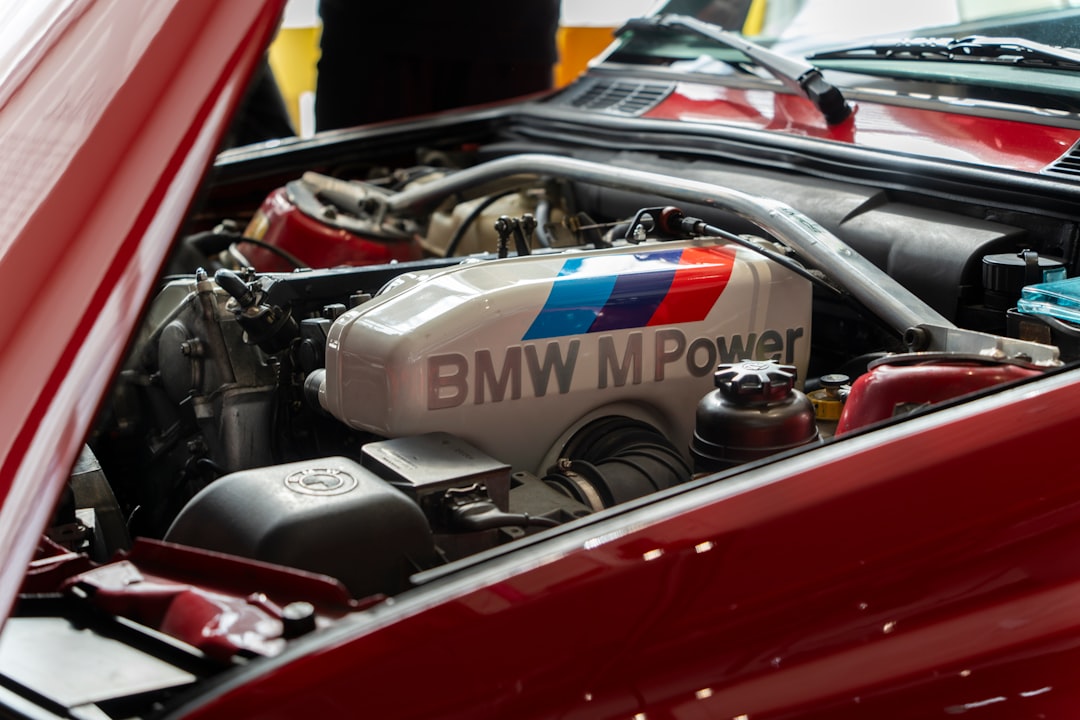
BMWs are renowned for their performance and luxury, but they also have a reputation for certain recurring issues. Many of these problems are linked to the brand’s focus on advanced engineering and complex technology. The most frequently reported issues vary by model and year, but some patterns stand out across the BMW lineup. Engine cooling system failures are among the top complaints, especially for models equipped with turbocharged engines. Water pumps, thermostats, and radiator hoses often fail prematurely, leading to overheating and costly repairs. Electrical gremlins are another common complaint, with malfunctioning sensors, iDrive infotainment glitches, and battery drain issues regularly cited by owners. Oil leaks, particularly from valve cover gaskets and oil filter housings, are also prevalent, especially in BMWs with higher mileage. Additionally, timing chain failures have affected certain four- and six-cylinder engines, which can lead to catastrophic engine damage if not addressed. While these problems can be mitigated with diligent maintenance, they contribute to the perception that BMWs have more problems than some competitors.
Most Common BMW Problems by Component
| Component | Typical Issue | Estimated Repair Cost |
|---|---|---|
| Engine Cooling System | Water pump and thermostat failure | $600 – $1,200 |
| Electronics | iDrive malfunction, sensor failures | $300 – $2,000 |
| Oil System | Valve cover gasket leaks | $400 – $700 |
| Timing Chain | Premature wear/failure | $1,500 – $4,000 |
| Suspension | Control arm bushing wear | $250 – $600 |
Pros and Cons of BMW Engineering Complexity
✅ Pros
- Advanced performance and technology features
- Superior driving dynamics and comfort
❌ Cons
- Higher likelihood of component failures
- Repairs often require specialized knowledge and tools
BMW Reliability Compared to Other Luxury Brands
BMW’s reliability is often a topic of debate, especially when stacked against other premium automakers like Mercedes-Benz, Audi, and Lexus. Multiple independent studies and consumer surveys, such as those from J. D. Power and Consumer Reports, consistently rank BMW below average in reliability. Lexus, for example, tends to lead the segment, with fewer reported problems and lower maintenance costs over time. Mercedes-Benz and Audi, like BMW, also score lower than mainstream brands but often edge out BMW in certain models or years. One key factor is the complexity of German engineering, which, while delivering exceptional performance, can introduce more potential failure points and higher repair costs. It is important to consider that many BMW models are performance-oriented, and high-output engines, adaptive suspensions, and intricate electronics can all contribute to increased maintenance needs. Despite these challenges, BMWs generally maintain their value well and remain desirable in the used market, particularly when well-maintained. For buyers prioritizing long-term reliability and low cost of ownership, however, Japanese luxury options like Lexus and Acura generally offer a more worry-free experience.
Luxury Brand Reliability Comparison (2023 Data)
| Brand | Average Repair Cost | Reliability Rank (out of 32) | Common Issues |
|---|---|---|---|
| BMW | $968 | 30 | Cooling system, electronics |
| Mercedes-Benz | $908 | 27 | Air suspension, electronics |
| Audi | $987 | 28 | Turbochargers, electronics |
| Lexus | $551 | 7 | Minimal, mostly minor |
Pros and Cons: BMW vs. Competing Luxury Brands
✅ Pros
- Sportier driving experience in most models
- Innovative technology and features
❌ Cons
- Lower reliability rankings
- Higher repair and maintenance costs
Cost of Ownership: Maintenance, Repairs, and Resale Value
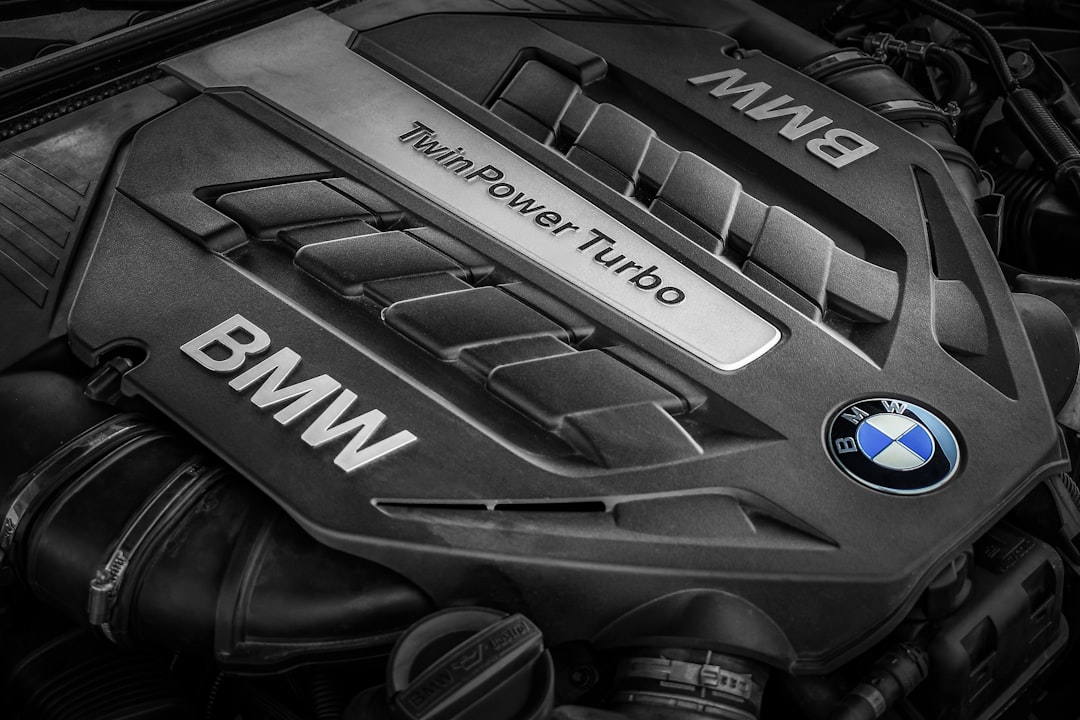
Owning a BMW can be a rewarding experience, but it often comes with higher ownership costs compared to mainstream vehicles. Routine maintenance—such as oil changes, brake service, and fluid flushes—tends to be more expensive due to the need for specialized fluids, tools, and procedures. Labor rates at BMW dealerships and independent European repair shops are typically higher than those for domestic or Japanese brands. Unscheduled repairs, especially as the vehicle ages, can add up quickly. Common repair costs include water pump replacement, timing chain service, and electronic module repairs, each of which can reach into the thousands of dollars. On the resale front, BMWs generally retain value well in the first five years, thanks to brand prestige and desirability. However, once vehicles exit warranty coverage, resale values can drop sharply if maintenance records are lacking or if the model is known for expensive repairs. Extended warranty plans or maintenance packages can mitigate some of these risks, but they add to the upfront cost. For budget-conscious shoppers, understanding the total cost of ownership is vital before committing to a BMW.
Typical BMW Maintenance and Repair Costs
| Service | Recommended Interval | Estimated Cost |
|---|---|---|
| Oil Change (Synthetic) | 7,500 miles | $120 – $200 |
| Brake Pad Replacement | 30,000 miles | $300 – $600 |
| Water Pump Replacement | 60,000 miles | $600 – $1,200 |
| Timing Chain Service | 80,000+ miles | $1,500 – $4,000 |
Cost-Saving Tips for BMW Owners
- Use trusted independent BMW specialists for repairs
- Keep up with scheduled maintenance to prevent major issues
- Consider certified pre-owned models with warranty coverage
- Regularly check for software and recall updates
Factors Affecting BMW Reliability: Model, Year, and Maintenance Habits
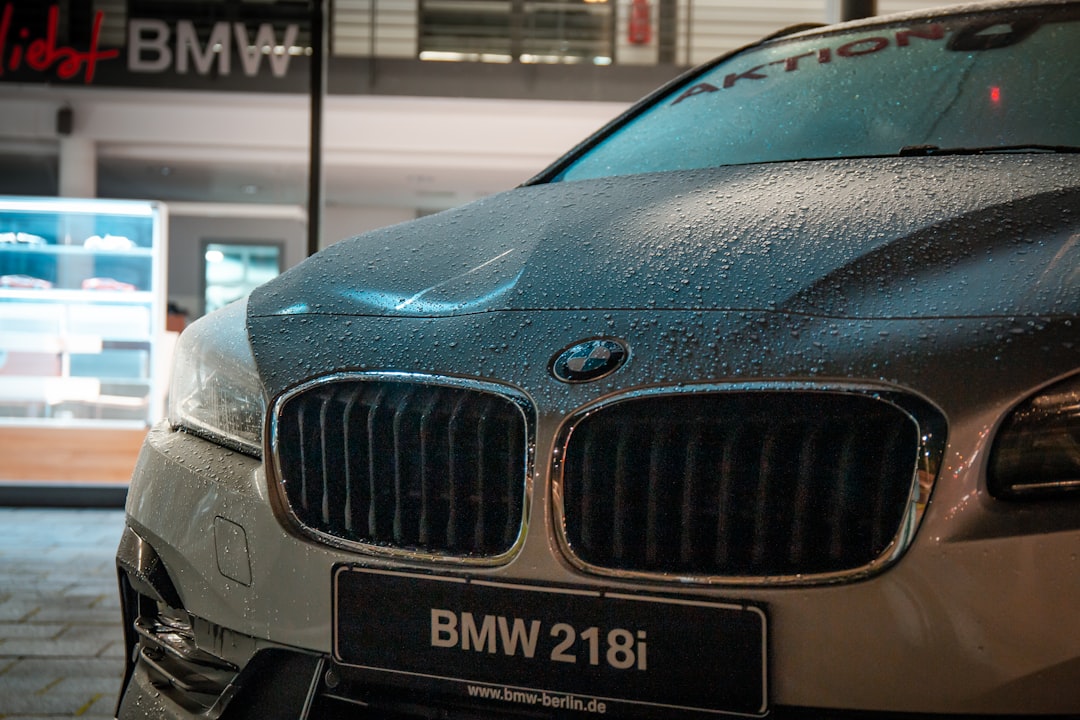
The reliability of a BMW is influenced by several variables, with model selection, production year, and maintenance practices playing significant roles. Certain BMW models, such as the 3 Series and 5 Series, have enjoyed relatively strong reputations for durability, especially when equipped with naturally aspirated engines. Conversely, some models with early turbocharged engines or complex electronics have experienced more frequent and costly issues. Production years also matter, as BMW continually refines their vehicles with each generation. For example, timing chain problems were particularly pronounced in N20 and N26 engines found in certain 2012-2015 models, but later updates resolved many of these issues. Owner maintenance habits are another major factor. BMWs demand diligent upkeep; neglecting oil changes, cooling system inspections, or fluid flushes greatly increases the risk of expensive failures. Buyers considering a used BMW should prioritize vehicles with comprehensive service records and, if possible, a pre-purchase inspection by a BMW specialist. Understanding these nuances can help owners and buyers identify the most reliable BMWs and avoid problem-prone models.
Checklist: How to Improve BMW Reliability
- Research model-specific problem areas before buying
- Inspect and replace critical components proactively (e.g., water pump, thermostat)
- Follow the recommended maintenance schedule precisely
- Keep detailed records of all service and repairs
Should You Buy a BMW? Matching Expectations with Reality
The decision to purchase a BMW should be guided by a clear understanding of the brand’s strengths and potential pitfalls. For driving enthusiasts and those who value performance, precise handling, and advanced features, BMW remains a compelling choice in the luxury segment. However, these benefits come with trade-offs: higher maintenance and repair costs, greater complexity, and an increased likelihood of unexpected issues, especially as the vehicle ages. Prospective BMW owners should budget for above-average upkeep and consider investing in an extended warranty or certified pre-owned program for added peace of mind. Ultimately, BMW ownership can be deeply satisfying for those who appreciate the brand’s unique characteristics and are prepared for the associated responsibilities. For buyers prioritizing trouble-free motoring and lower costs, alternatives like Lexus, Acura, or even some mainstream brands may offer a more practical path. Honest self-assessment of priorities, budget, and tolerance for potential repairs is the key to a successful BMW ownership experience.
Pros and Cons of BMW Ownership
✅ Pros
- Engaging driving dynamics and luxury features
- Prestigious brand image and strong resale value (early years)
❌ Cons
- Higher cost of ownership and repairs
- Risk of complex, expensive problems as vehicle ages
Frequently Asked Questions
Are BMWs more expensive to maintain than other cars?
Yes, BMWs are generally more expensive to maintain and repair than most mainstream brands. This is due to their advanced engineering, specialized parts, and higher labor costs. Routine services and unexpected repairs can add up quickly, especially as the vehicle ages.
Which BMW models are considered the most reliable?
Historically, the BMW 3 Series (especially the E46 and E90 generations) and the 5 Series with naturally aspirated engines have been regarded as some of the most reliable BMWs. Later models with turbocharged engines can be more problematic, especially if not properly maintained.
What are the most common problems BMW owners face?
The most common BMW issues include engine cooling system failures, oil leaks, electronic malfunctions, and timing chain problems. These issues tend to arise as vehicles accumulate mileage or if maintenance is neglected.
Is it worth buying a used BMW?
A used BMW can be a great value if it has a documented maintenance history and has been well cared for. However, buyers should be prepared for higher repair costs and should have the vehicle thoroughly inspected by a BMW specialist before purchase.
How can I reduce the likelihood of problems with my BMW?
Sticking to the manufacturer’s maintenance schedule, using quality parts and fluids, addressing minor issues promptly, and having repairs performed by experienced BMW technicians can greatly improve long-term reliability.
Conclusion
BMWs offer an unmatched blend of luxury, performance, and technological innovation, making them a favorite among driving enthusiasts and those seeking a premium motoring experience. However, this sophisticated engineering comes with increased risks of mechanical and electronic problems, as well as higher maintenance and repair costs. By understanding common issues, comparing reliability with other luxury brands, and recognizing the impact of diligent maintenance, buyers and owners can make informed decisions that match their expectations. While BMWs may not top the charts for reliability, many owners find the driving enjoyment and prestige well worth the investment. Ultimately, careful research, proactive care, and realistic budgeting are the keys to a rewarding and trouble-free BMW ownership experience.