

Leasing a BMW can provide an enjoyable driving experience with the flexibility of not being tied down to long-term ownership. However, life circumstances can change, leading some drivers to wonder if they can trade in their BMW lease at a different dealership. The process of trading in a leased vehicle involves various factors, including dealership policies, lease agreements, and potential financial implications. Understanding these elements can help you make informed decisions about your lease and whether trading it in is a viable option. In this article, we will navigate the complexities of trading in a BMW lease to another dealership, including how the process works, the advantages and disadvantages, and essential steps to take. By the end of this guide, you’ll have the knowledge needed to successfully manage your BMW lease experience.
Key Statistics
Understanding Your BMW Lease Agreement
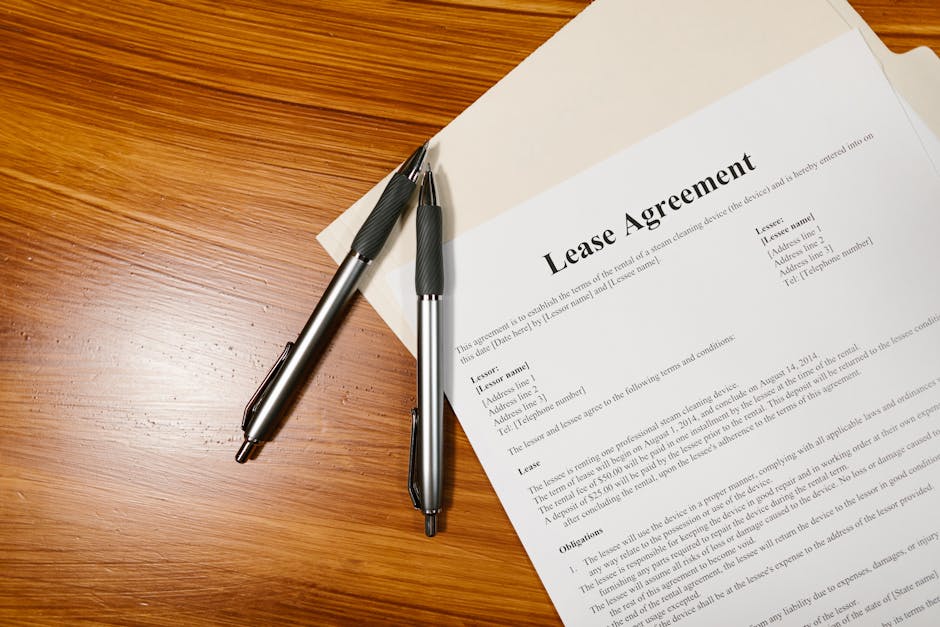
Before considering a trade-in, it’s crucial to understand the terms of your BMW lease agreement. Lease agreements typically contain specific clauses regarding early termination and transferability. The key elements to look for include the residual value of the vehicle, any mileage limits, and fees associated with early termination. The residual value is the estimated worth of the vehicle at the end of the lease term and is vital for assessing whether trading in your lease is financially prudent. Most BMW leases allow you to trade in your vehicle at any dealership; however, the dealership must have the capability to handle lease transactions. Not all dealerships are equipped for leasing, so it’s essential to confirm this before proceeding. Additionally, trade-in values may vary significantly between dealerships, affecting your overall financial outcome. Understanding these lease terms will help you navigate the trade-in process more effectively.
Key Lease Agreement Terms
| Term | Definition | Importance |
|---|---|---|
| Residual Value | Estimated worth of the car at lease end | Determines your buyout option |
| Early Termination Fee | Cost for terminating the lease early | Financial impact of trading in |
| Mileage Limits | Maximum allowable miles during lease | Avoids excess mileage fees |
Pros and Cons of Trading in a BMW Lease
✅ Pros
- Flexible options for changing vehicles
- Potential to avoid excess mileage fees
❌ Cons
- Possible early termination fees
- Loss of equity if car value is less than residual value
Finding a Dealership to Trade In Your Lease

Once you understand your lease agreement, the next step is finding a dealership that can facilitate the trade-in process. Not all dealerships are created equal, and it’s essential to do your research. Look for BMW dealerships or authorized dealers that have experience with lease management. Generally, these dealers offer better insights into trade-in values and lease terms. You can start by visiting online platforms that provide estimates for trade-in values. These platforms often allow you to enter your vehicle’s VIN, mileage, and condition to receive an initial estimate. However, it’s essential to have multiple appraisals and compare offers from different dealerships. Additionally, consider contacting dealerships directly to inquire about their policies on trading in leased vehicles and any promotions they may have that could benefit you financially.
Comparative Offers from Dealerships
| Dealership Name | Trade-In Offer | Special Promotions |
|---|---|---|
| Dealership A | $21,000 | 10% off next lease |
| Dealership B | $19,500 | Free maintenance for one year |
| Dealership C | $20,800 | Cash incentive up to $1,500 |
Checklist for Choosing a Dealership
- Research dealership reputation through reviews
- Compare trade-in offers from multiple dealerships
- Inquire about lease management experience
Evaluating Financial Implications
When trading in a BMW lease, understanding the financial implications is crucial. This includes evaluating the trade-in value relative to your lease’s residual value. If the trade-in value exceeds the residual value, you may have positive equity that can be applied toward your next vehicle purchase or lease. Conversely, if the trade-in value is less than the residual value, you may need to pay the difference, which can be a significant financial burden. Additionally, consider any fees associated with early termination of the lease, such as disposition fees or excess mileage penalties. These fees can add up quickly and should be factored into your decision-making process. It’s advisable to consult with financial experts or dealership financial managers to understand your options fully and to develop a strategy that minimizes costs.
Financial Considerations for Trading In
| Consideration | Details | Impact |
|---|---|---|
| Trade-In Value | Value offered by dealership | Potential equity towards next vehicle |
| Residual Value | End-of-lease value set by lease agreement | Determine if you have to pay out-of-pocket |
| Early Termination Fees | Fees for ending lease early | Can significantly affect overall cost |
Steps to Evaluate Financial Impact
- Obtain trade-in estimates from multiple dealerships
- Calculate the residual value of your lease
- Assess any early termination fees from your lease agreement
Negotiating the Trade-In Process

Negotiation is a critical part of trading in a BMW lease. Once you’ve received offers from various dealerships, it’s time to leverage this information to get the best deal possible. Start by discussing the trade-in value and any promotions that might be available. Be prepared to negotiate based on your research and the offers you’ve received. A strong understanding of your lease terms, the vehicle’s condition, and current market trends will empower you during negotiations. Additionally, maintain clear communication with the dealership about your expectations and any concerns regarding fees or trade-in values. Building a rapport with the sales team can also facilitate a smoother negotiation process, often leading to better offers or concessions. Remember, it’s not just about the trade-in value; consider the overall deal, including financing terms, monthly payments, and any additional services offered.
Negotiation Tips
| Tip | Description | |
|---|---|---|
| Do Your Research | Know the market value of your car | Leverage this information during negotiation |
| Be Prepared to Walk Away | Don’t settle for the first offer | Maintain leverage in negotiations |
| Build Rapport | Establish a positive relationship with sales staff | May lead to better offers |
Pros and Cons of Negotiating Trade-In
✅ Pros
- Possibility of getting a higher trade-in value
- Opportunity for additional dealership incentives
❌ Cons
- Time-consuming process
- Potential for frustration if negotiations do not go well
Frequently Asked Questions
Can I trade in my BMW lease at a non-BMW dealership?
Yes, you can trade in your BMW lease at a non-BMW dealership, but ensure that the dealership has the capability to handle lease transactions. Not all dealers are equipped for this, so confirm beforehand.
What happens if my lease trade-in value is less than the residual value?
If the trade-in value is less than the residual value, you may need to pay the difference out of pocket to complete the trade-in process. It’s essential to factor this into your financial planning.
Are there any fees associated with trading in a leased vehicle?
Yes, there may be early termination fees, disposition fees, or excess mileage penalties that could apply when trading in a leased vehicle. Always review your lease agreement for specifics.
Can I negotiate my trade-in value?
Absolutely! Negotiating your trade-in value is a normal part of the process. Use offers from multiple dealerships and your knowledge of the vehicle’s worth to leverage a better deal.
What should I do before trading in my lease?
Before trading in your lease, review your lease agreement, assess your vehicle’s condition, obtain trade-in estimates from several dealerships, and consider any potential fees associated with early lease termination.
Conclusion
Navigating the process of trading in a BMW lease to another dealership can seem daunting, but understanding the key elements involved can make it significantly more manageable. By familiarizing yourself with your lease agreement, researching dealerships, evaluating financial implications, and honing your negotiation skills, you can successfully transition to a new vehicle while minimizing costs. Remember to take your time and gather as much information as possible, as this will empower you to make informed decisions. Ultimately, whether you are looking for a more suitable vehicle or simply seeking to explore your options, a well-planned trade-in can lead to a rewarding experience.