

As electric vehicles (EVs) continue their rapid adoption worldwide, one of the most pressing questions for drivers is access to reliable and fast charging infrastructure. Tesla’s Supercharger network, known for its speed and ubiquity, has long been a major selling point for Tesla vehicles. However, as more automakers like BMW offer compelling electric models, many BMW owners and prospective buyers are asking: can BMWs use Tesla Superchargers? This question has gained urgency in recent years as both companies have signaled a willingness to cooperate and as North America moves toward more standardized charging solutions. This article provides a detailed exploration of the technical, logistical, and policy-related aspects of BMW vehicles accessing Tesla Superchargers. Whether you already own a BMW EV or are considering making the switch, understanding how—and whether—your car can take advantage of Tesla’s charging network is crucial for planning long trips, daily commutes, and your overall EV ownership experience.
Key Statistics on EV Charging Networks and Compatibility
Understanding Charging Standards: CCS vs. NACS and Tesla’s Supercharger Network

Electric vehicle charging infrastructure is split between various connector types and communication protocols. Tesla originally designed its own proprietary charging connector and network, the Supercharger, which was only available to Tesla vehicles for years. In contrast, most other automakers, including BMW, adopted the CCS (Combined Charging System) standard in North America and Europe. The CCS connector is widely supported by public charging networks such as Electrify America, ChargePoint, and EVgo. However, Tesla’s North American Charging Standard (NACS) connector, formerly proprietary, has seen widespread adoption since Tesla opened it for use by other manufacturers in 2022. In 2023 and 2024, a wave of major automakers—including BMW—announced plans to integrate the NACS connector in their future electric models and to work with Tesla to provide access to the Supercharger network. This shift toward NACS as a unifying standard means that compatibility is rapidly improving, but it is not universal yet. Owners of current BMW EVs must understand the difference between CCS and NACS, and the implications for charging at Tesla Superchargers.
Charging Connector Comparison: CCS vs. NACS (Tesla)
| Connector Type | Used By | Max Power Output |
|---|---|---|
| CCS | BMW, VW, Ford, Hyundai, etc. | Up to 350 kW |
| NACS (Tesla) | Tesla, soon: BMW, Ford, GM, others | Up to 250 kW (V3) |
Pros and Cons of Charging Standard Adoption
✅ Pros
- Improved interoperability between different EV brands
- Greater access to high-speed charging for non-Tesla drivers
❌ Cons
- Short-term confusion during transition period
- Potential need for adapters or retrofit hardware for existing vehicles
Current Status: Can BMW EVs Use Tesla Superchargers Today?
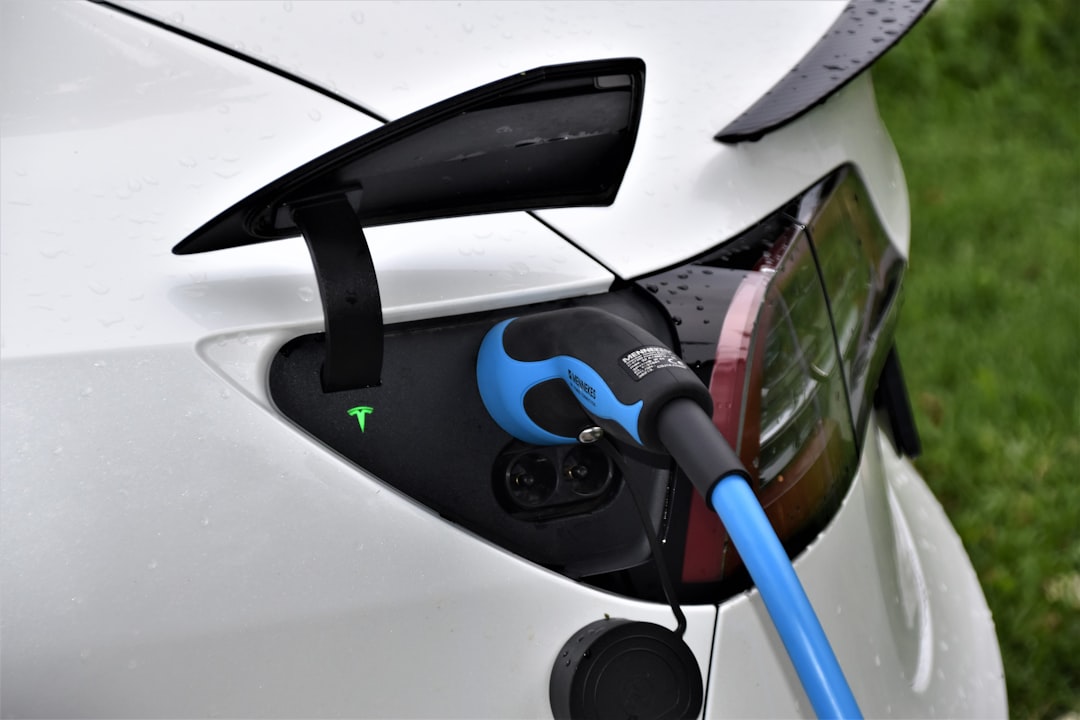
As of mid-2024, most BMW electric vehicles in North America and Europe use the CCS charging standard. In the United States, Tesla has begun opening some Supercharger locations to non-Tesla vehicles via the “Magic Dock”—a built-in CCS adapter at select sites. BMW owners can use these equipped Superchargers by registering with the Tesla app and paying per use. However, most Tesla Superchargers in the U. S. and Canada are still exclusive to Tesla vehicles or require an adapter not yet widely available to the public. In Europe, where Tesla uses the CCS2 standard for Superchargers, BMW drivers already enjoy broader access, often just by registering through the Tesla app. The transition in North America is accelerating: BMW announced in 2023 that starting in 2025, all new BMW, MINI, and Rolls-Royce EVs will ship with the NACS connector, allowing native access to the entire Tesla Supercharger network. Until then, current BMW owners must seek out Magic Dock locations or, in the future, purchase a CCS-to-NACS adapter when released. Overall, while access is improving, full compatibility is not yet universal for all BMW models, but the landscape is changing rapidly.
BMW EV Access to Tesla Superchargers by Region (2024)
| Region | Connector Used by BMW | Supercharger Access |
|---|---|---|
| North America | CCS1 | Limited (Magic Dock sites only) |
| Europe | CCS2 | Broad (most sites accessible via Tesla app) |
| Asia | Varies | Limited (dependent on local infrastructure) |
How to Charge a BMW at a Tesla Supercharger: Steps, Requirements, and Limitations

Charging a BMW at a Tesla Supercharger depends on your vehicle’s connector, your region, and the specific Supercharger site. In North America, the process is currently possible only at select Superchargers equipped with the Magic Dock. To charge, a BMW owner must first download the Tesla app, create an account, and select the “Charge Your Non-Tesla” option. After selecting the stall number, the user unlocks the connector, plugs it into the car, and begins charging. Payment is managed through the Tesla app, typically at a higher per-kWh rate than Tesla owners pay. In Europe, the process is often simpler since both Tesla and BMW use the CCS2 connector; most European Superchargers support direct plug-and-play charging for BMW EVs after registration in the Tesla app. However, not all Superchargers are open to non-Tesla vehicles, so users should always check availability in advance. Limitations include the possibility of incompatible parking layouts, cable reach, and differences in max charging speeds. Additionally, some software features—like preconditioning the battery for optimal charging—may not be available for non-Tesla vehicles, potentially affecting charging efficiency.
Steps to Charge a BMW at a Tesla Supercharger (North America, 2024)
- Locate a Magic Dock-enabled Tesla Supercharger via the Tesla app or EV charging maps
- Download or open the Tesla app, create an account, and set up payment
- Select ‘Charge Your Non-Tesla’ in the app and enter the Supercharger stall number
- Unlock the Magic Dock and connect the CCS adapter to your BMW
- Begin charging and monitor session via the Tesla app
- Unplug and end the session in the app when finished
The Future of BMW and Tesla Supercharger Integration: Adapters, NACS Adoption, and Strategic Implications
The EV charging landscape is undergoing a significant transformation as North America moves toward the widespread adoption of the North American Charging Standard (NACS). BMW, along with other major automakers, has pledged to adopt NACS connectors in all new electric models starting in 2025. This means that from 2025 onward, BMW EVs will be able to use Tesla Superchargers natively, without the need for adapters or special hardware. For current owners, BMW and Tesla have indicated that a CCS-to-NACS adapter will become available, allowing legacy BMW EVs to access the Supercharger network. This adapter is expected to be released in 2025, with availability and pricing details to follow. The industry shift toward NACS is likely to accelerate interoperability, improve charging convenience, and reduce range anxiety for all EV drivers. However, there are strategic implications: automakers are balancing the benefits of leveraging Tesla’s robust infrastructure with the need to maintain their own branded charging experiences and support partner networks like Electrify America. Over the next few years, BMW drivers can expect a steadily improving Supercharger experience, culminating in seamless native access by the middle of the decade.
Comparing BMW EV Charging Options: Tesla Superchargers vs. Other Networks
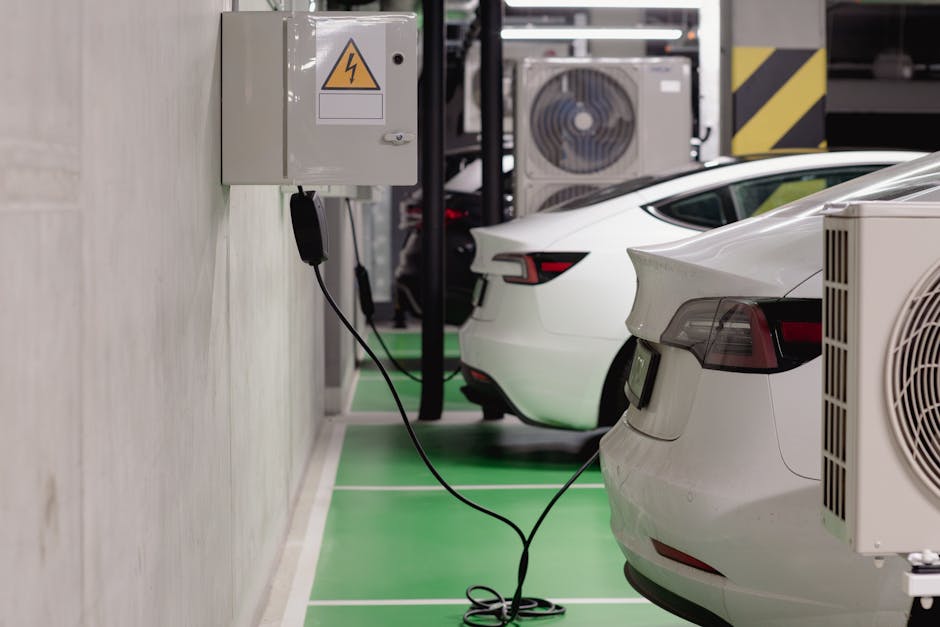
While Tesla Superchargers are renowned for their reliability and speed, BMW EV owners have access to a wide array of charging options. Key alternatives include Electrify America, ChargePoint, EVgo, and regional providers, each offering fast DC charging at various locations. Electrify America, for instance, offers charging speeds up to 350 kW and is compatible with all CCS-equipped BMWs. Pricing structures vary: Tesla Superchargers typically charge by kWh, with higher rates for non-Tesla users, while other networks may offer subscription discounts or loyalty perks. Availability is also a factor—Tesla’s network is vast but concentrated along major highways, while other providers may have better urban coverage. Service reliability, uptime, and ease of use are also important; Tesla’s streamlined app-based process is often praised, but recent improvements in other networks have narrowed the gap. BMW’s own partnerships and navigation systems help drivers locate, activate, and pay for a wide variety of public chargers, making long-distance travel increasingly feasible even without Supercharger access.
Comparison of Major Fast Charging Networks for BMW EVs (U. S. 2024)
| Network | Connector Type | Max Power (kW) | BMW Compatibility | Typical Price (per kWh) |
|---|---|---|---|---|
| Tesla Supercharger | NACS / CCS (Magic Dock) | 250 | Limited (expanding) | $0.49 – $0.69 |
| Electrify America | CCS | 350 | Full | $0.31 – $0.43 |
| EVgo | CCS | 350 | Full | $0.35 – $0.49 |
| ChargePoint | CCS | 500 (select sites) | Full | $0.25 – $0.60 |
Frequently Asked Questions
Can my current BMW EV charge at all Tesla Superchargers in North America?
No, as of 2024, most Tesla Superchargers in North America are not yet accessible to current BMW EVs. Access is limited to select locations equipped with Magic Dock adapters. Broader access will require a CCS-to-NACS adapter, expected in 2025.
Will I need an adapter to use Tesla Superchargers with my BMW?
Yes, if your BMW EV uses the CCS connector (most pre-2025 models), you will need a Tesla-provided CCS-to-NACS adapter to use the majority of Superchargers in North America. Newer models from 2025 onward will have the NACS connector built in.
Is charging at Tesla Superchargers more expensive for non-Tesla vehicles?
Typically, yes. Tesla often charges a higher rate per kWh for non-Tesla vehicles using Superchargers, reflecting additional costs and network management for third-party vehicles.
Can BMW EVs use Tesla Destination Chargers?
Tesla Destination Chargers generally use a proprietary connector and are not compatible with BMW EVs in North America unless a third-party adapter is used. In Europe, some destination chargers have CCS compatibility.
What are the charging speeds I can expect for my BMW EV at a Tesla Supercharger?
Charging speeds depend on your BMW model and the Supercharger version. Most V3 Superchargers provide up to 250 kW charging, but the actual rate is limited by your car’s onboard charging capability and state of charge.
Conclusion
The landscape for cross-brand EV charging is evolving rapidly, and BMW’s partnership with Tesla marks a major step toward a more unified and convenient charging experience. While current BMW EV owners face some limitations in accessing Tesla Superchargers—especially in North America—these barriers are steadily falling as the industry moves toward the NACS standard and as adapters become available. By the middle of the decade, BMW drivers will enjoy seamless access to Tesla’s high-speed Supercharger network alongside other public fast-charging options, improving the practicality and appeal of BMW electric vehicles. For now, it is essential for BMW EV owners to stay informed about connector compatibility, Supercharger site availability, and upcoming hardware releases. The future is bright for BMW and Tesla Supercharger interoperability, promising longer trips, faster charging, and a more connected EV community for all.