
BMW has long been associated with luxury, performance, and precision engineering. One of the most frequent questions from prospective buyers and automotive enthusiasts alike is whether BMW vehicles are all wheel drive. The short answer: Not all BMWs are all wheel drive, but many models offer BMW’s advanced all wheel drive system, known as xDrive, either as standard or as an option. BMW’s lineup includes rear wheel drive, front wheel drive, and all wheel drive vehicles, with availability varying by model and market. Understanding which BMWs come with all wheel drive can help you make an informed decision, especially if you live in a region with challenging weather conditions or require enhanced traction for spirited driving. This article delves into the different types of drivetrains BMW offers, the benefits and drawbacks of xDrive, and how to choose the best configuration for your needs.
Key BMW Drivetrain Statistics
BMW Drivetrain Overview: From Rear Wheel to All Wheel Drive
BMW’s reputation is built on its sporty driving dynamics, traditionally rooted in rear wheel drive (RWD) platforms. For decades, most BMW sedans and coupes featured RWD, offering balanced handling and a dynamic connection to the road. However, as consumer preferences shifted and technology advanced, BMW expanded its portfolio to include front wheel drive (FWD) and all wheel drive (AWD) options. Today, BMW offers three primary drivetrain configurations: rear wheel drive (often labeled as sDrive), front wheel drive (in select compact models), and all wheel drive (branded as xDrive). The sDrive badge signifies a standard two wheel drive system, usually rear wheel drive except in some smaller models like the BMW 2 Series Gran Coupe, which uses FWD. xDrive, on the other hand, is BMW’s proprietary all wheel drive technology, designed for enhanced traction and stability in a variety of conditions. This diversity allows BMW to cater to a wide range of drivers, from purists who favor the classic feel of RWD to those who need the reassurance of AWD for all-weather capability.
BMW Drivetrain Configurations by Model
| Model Series | Standard Drivetrain | xDrive Availability |
|---|---|---|
| 3 Series Sedan | Rear Wheel Drive (sDrive) | Optional |
| X3 SUV | All Wheel Drive (xDrive) | Standard |
| 2 Series Gran Coupe | Front Wheel Drive (sDrive) | Optional |
| 5 Series Sedan | Rear Wheel Drive (sDrive) | Optional |
| X5 SUV | All Wheel Drive (xDrive) | Standard |
How BMW xDrive Works: Technology and Benefits
BMW’s xDrive system is a sophisticated, intelligent all wheel drive technology designed to optimize traction, handling, and stability. Unlike traditional AWD systems that simply distribute power evenly, xDrive actively monitors road conditions and driving inputs, adjusting power delivery between the front and rear axles within milliseconds. This dynamic power allocation enhances acceleration, cornering, and safety in challenging conditions such as rain, snow, or gravel. The xDrive system uses sensors to detect wheel slip or rapid changes in speed and can send up to 100% of power to either axle as needed. In normal driving, xDrive typically maintains a rear-biased torque split, preserving the sporty handling characteristics BMW is known for. As soon as the system detects loss of traction, it responds by directing more torque to the axle with the most grip. This technology not only improves safety but also adds confidence for drivers in adverse weather. It is available across a broad range of BMW models, including sedans, coupes, convertibles, and SUVs.
Pros and Cons of BMW xDrive
✅ Pros
- Superior traction on wet, snowy, or slippery roads
- Enhanced stability and safety during cornering and acceleration
- Maintains sporty, rear-biased driving feel
❌ Cons
- Slightly higher purchase and maintenance costs
- Increased weight can marginally reduce fuel efficiency
- More complex system compared to RWD or FWD
Which BMW Models Offer All Wheel Drive?
BMW’s xDrive system is available on a vast array of models, from sporty sedans to rugged SUVs and even high-performance M vehicles. In the current lineup, all BMW X models (such as X1, X3, X5, and X7) come standard or optionally with xDrive, making them well-suited for families and drivers in regions with variable weather. Many core sedan and coupe models, like the 3 Series, 5 Series, 4 Series, and 7 Series, also offer xDrive as an option, providing buyers flexibility based on their priorities. For performance enthusiasts, BMW’s M division has embraced all wheel drive on select models, including the M5 and M8, which feature advanced versions of xDrive capable of switching between AWD and RWD modes. Electrified BMWs, such as the i4 and iX, utilize dual-motor setups to provide all wheel drive capability as well. However, not every BMW comes standard with AWD. Entry-level models and some performance variants remain exclusively rear wheel or front wheel drive, appealing to purists or urban drivers who may not require AWD benefits.
BMW Models with xDrive Availability (2024)
| Model | Standard Drivetrain | xDrive Option |
|---|---|---|
| X1 | Front Wheel Drive | Standard |
| 3 Series | Rear Wheel Drive | Optional |
| 5 Series | Rear Wheel Drive | Optional |
| X5 | All Wheel Drive | Standard |
| iX (Electric) | All Wheel Drive | Standard |
| M3 | Rear Wheel Drive | Optional |
Choosing Between AWD and RWD in a BMW: What to Consider
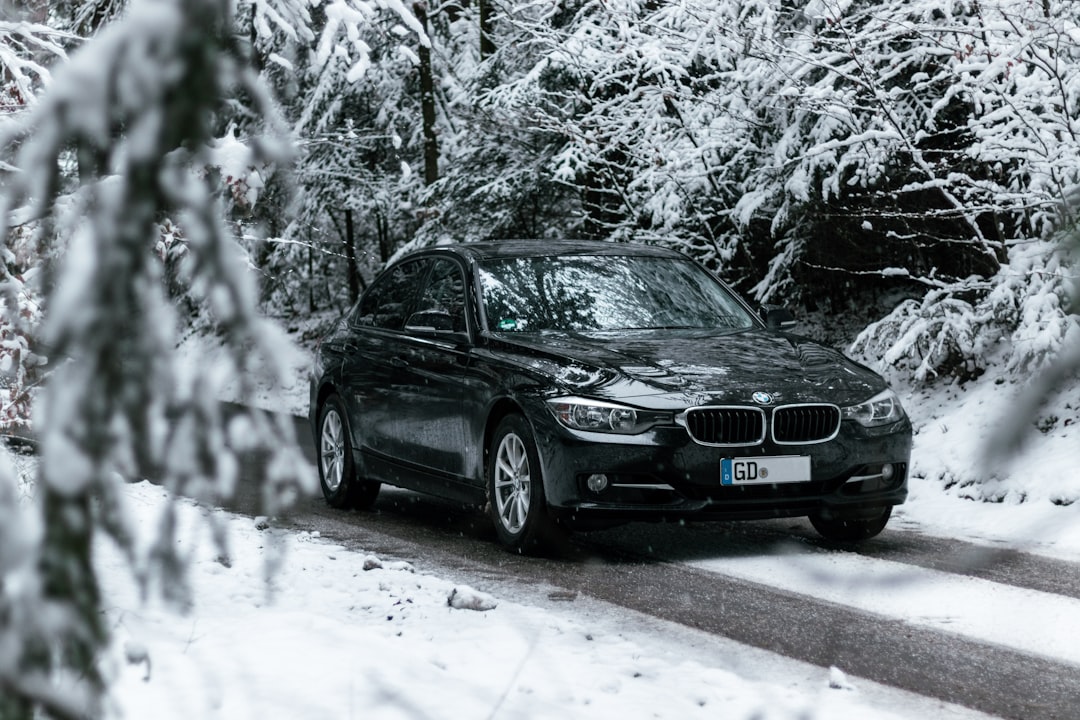
Selecting the right BMW drivetrain involves balancing your driving needs, climate, and personal preferences. All wheel drive models offer substantial advantages for drivers in areas prone to rain, snow, or rough terrain. The added traction and safety can be invaluable, especially for families or those who prioritize year-round confidence. Rear wheel drive BMWs, meanwhile, continue to attract driving purists who value the lighter weight, classic balance, and sharp handling characteristics. These vehicles often have a more engaging feel, particularly on dry roads or race tracks, and can be more fuel efficient due to fewer drivetrain components. Price is another consideration, as xDrive-equipped vehicles tend to cost more both at purchase and for ongoing maintenance. Additionally, the increased weight and complexity of AWD systems can slightly diminish fuel economy and add to repair costs over the long term. Ultimately, the decision should reflect your driving environment, lifestyle, and desire for performance versus practicality.
Checklist: Is xDrive Right for You?
- Do you regularly drive in rain, snow, or on unpaved roads?
- Is maximum traction and stability a top priority?
- Are you willing to pay a premium for added safety?
- Do you value classic, sporty handling over all-weather capability?
BMW All Wheel Drive in Electric and Performance Models
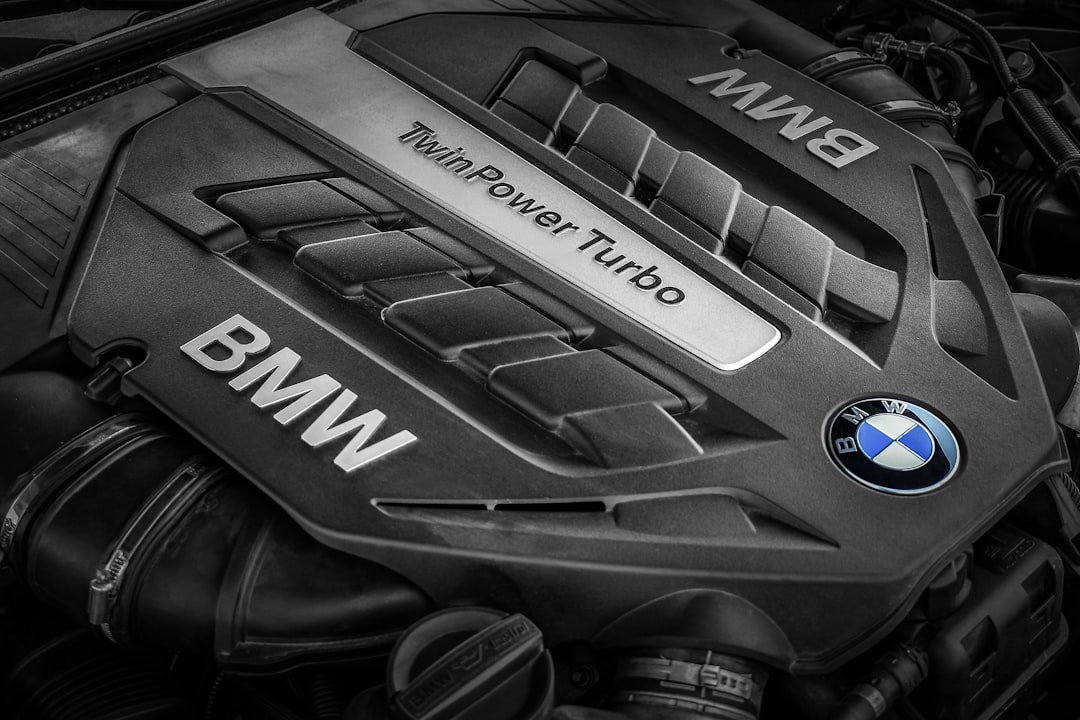
BMW’s commitment to innovation is evident in its approach to all wheel drive within its electric and high-performance lineups. Modern BMW electric vehicles, such as the iX SUV and i4 Gran Coupe, achieve AWD by using electric motors on both the front and rear axles, creating a system that can instantly distribute torque for optimal traction and acceleration. This setup is particularly effective in high-performance applications, allowing for rapid launches and stable handling even with significant power output. In recent years, BMW M models have also incorporated advanced xDrive systems with selectable modes. For example, the M5 and M8 can operate in full AWD for maximum grip or switch to rear wheel drive for a more traditional performance feel. This flexibility caters to a wide spectrum of enthusiasts—from those seeking all-weather usability to those who crave pure driving excitement. With these advancements, BMW ensures that drivers can enjoy the benefits of all wheel drive without compromising the brand’s hallmark performance and engagement.
Frequently Asked Questions
Are all BMW SUVs all wheel drive?
Most BMW SUVs, such as the X3, X5, and X7, come standard with xDrive all wheel drive, but some entry-level models like the X1 may offer front wheel drive as a base option in certain markets.
Does BMW xDrive negatively impact fuel economy?
xDrive systems add some weight and mechanical complexity, which can slightly reduce fuel economy compared to rear wheel drive BMWs. However, the difference is typically small (1-2 miles per gallon).
Can I get a rear wheel drive BMW 3 Series?
Yes, the BMW 3 Series is available both as a rear wheel drive (sDrive) and an all wheel drive (xDrive) model, allowing buyers to choose their preferred drivetrain.
Is BMW xDrive reliable?
BMW xDrive is considered a reliable and well-engineered all wheel drive system. Like any complex technology, regular maintenance and proper care are important to ensure longevity and performance.
Which BMW M models have all wheel drive?
Recent BMW M models, such as the M5, M8, and M3 Competition xDrive, feature advanced all wheel drive systems with selectable rear wheel drive modes for maximum flexibility.
Conclusion
BMW’s approach to drivetrain technology offers something for every driver, from classic rear wheel drive purists to those seeking the confidence and capability of all wheel drive. While not all BMWs are all wheel drive, the brand’s xDrive system is widely available across its lineup, from sedans to SUVs and even electric models, providing enhanced traction, stability, and peace of mind. Deciding between AWD and other configurations depends on your driving environment, personal preferences, and desired balance between sportiness and practicality. With ongoing advancements in xDrive technology, including its integration into high-performance and electric vehicles, BMW continues to lead the way in offering versatile driving solutions for a wide array of automotive enthusiasts.