
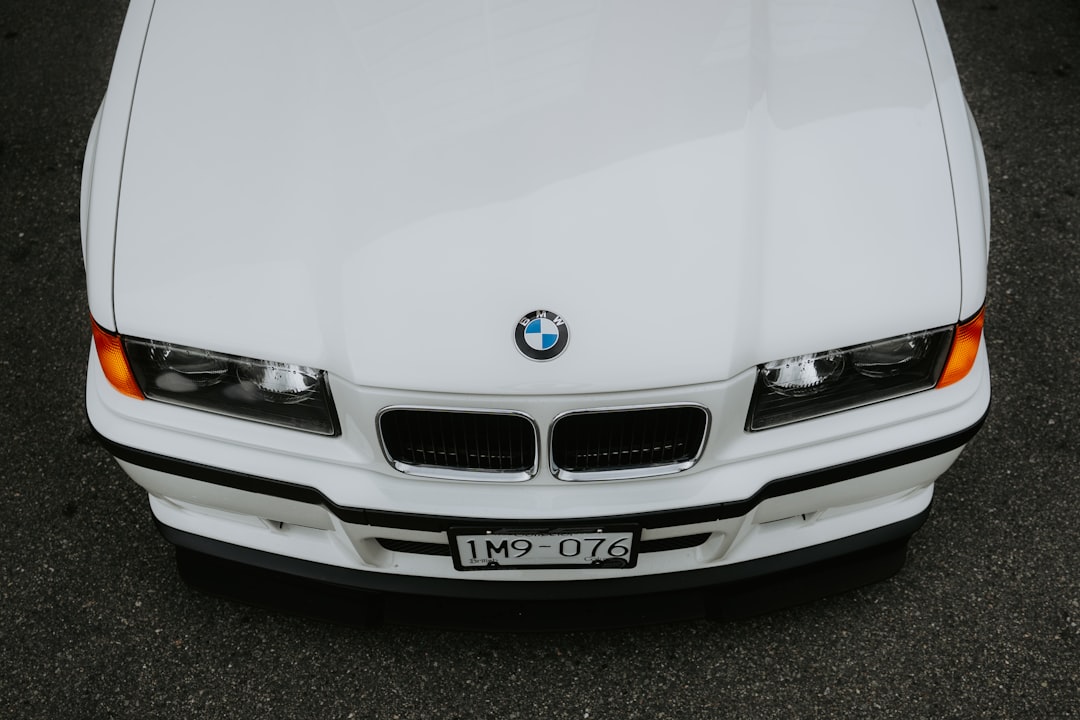
The cost of BMW parts is often perceived as high, and in many cases, this perception is accurate. BMW is a premium automotive brand that emphasizes quality, performance, and innovation, which naturally translates into higher parts prices. However, the expense can vary significantly depending on factors such as the specific part, model year, and whether you choose OEM or aftermarket options. In this article, we will explore the various factors that contribute to the cost of BMW parts, compare OEM and aftermarket prices, and provide insights into maintenance costs associated with BMW ownership.
Key Statistics
Understanding the Cost of BMW Parts

BMW parts tend to be more expensive than those from non-premium brands due to their engineering, quality, and brand reputation. The manufacturing process for BMW components often involves higher standards, demanding sophisticated technology and materials. For instance, parts like the engine, transmission, and suspension components are designed to enhance performance and safety, which can lead to higher production costs. Additionally, BMW parts are often made in smaller production runs, which can further increase prices. When purchasing parts, it’s important to understand that while the initial cost may be high, investing in quality parts can contribute to the longevity and performance of the vehicle.
Comparison of Part Costs
| Part Type | OEM Price | Aftermarket Price |
|---|---|---|
| Brake Pads | $150 | $90 |
| Alternator | $500 | $350 |
| Water Pump | $400 | $250 |
Pros and Cons of BMW Parts Pricing
✅ Pros
- High-quality materials and engineering
- Better performance and longevity
❌ Cons
- Higher upfront costs
- Potential for expensive repairs
OEM vs. Aftermarket Parts

When considering BMW parts, you typically have two main options: Original Equipment Manufacturer (OEM) parts and aftermarket alternatives. OEM parts are made by BMW or authorized suppliers and are designed specifically for BMW vehicles, ensuring compatibility and quality. However, they tend to be more expensive. On the other hand, aftermarket parts are produced by third-party manufacturers, which can offer significant cost savings. While many aftermarket parts are of good quality, some may not meet the same standards as OEM. Choosing between the two often depends on individual preferences, budget, and the specific requirements of the vehicle. For cost-conscious owners, aftermarket parts can be a viable option, but they must be chosen wisely to avoid compromising performance and safety.
OEM vs Aftermarket Parts Overview
| Feature | OEM | Aftermarket |
|---|---|---|
| Quality Assurance | High | Variable |
| Price Range | Higher | Lower |
| Warranty | 1-2 years | Varies |
| Compatibility | Perfect fit | Variable fit |
Factors Influencing Part Prices

Several factors influence the pricing of BMW parts, including the model and age of the vehicle, the specific part needed, and market demand. Newer BMW models often have more expensive parts due to advanced technology and materials used in their construction. Additionally, models that are rare or high-performance may have limited availability of parts, driving prices up. Seasonal demand can also play a role; for instance, parts related to winter maintenance may see price increases during colder months. Furthermore, geographic location can impact prices due to shipping costs and availability of parts suppliers. Understanding these factors can help BMW owners make informed decisions about part purchases and maintenance.
Factors Influencing BMW Parts Prices
| Factor | Impact on Price |
|---|---|
| Model Age | Older models may have cheaper parts |
| Rarity | Rare models typically have higher parts prices |
| Market Demand | High demand can increase costs |
| Geographic Location | Shipping and availability affect pricing |
Maintenance Costs for BMWs

Owning a BMW not only entails the cost of parts but also ongoing maintenance expenses. BMWs generally require specialized service due to their complex engineering. Routine maintenance, such as oil changes, brake replacements, and tire rotations, can add up quickly. According to industry reports, the average annual maintenance cost for a BMW is around $1,000, which is higher than the average for non-luxury vehicles. It is essential for owners to budget for these regular maintenance tasks to avoid unexpected repair costs. Moreover, investing in preventative maintenance can prolong the lifespan of components and reduce the likelihood of costly repairs in the future.
Typical BMW Maintenance Costs
| Service Type | Frequency | Average Cost |
|---|---|---|
| Oil Change | 1 per year | $100 |
| Brake Service | Every 20,000 miles | $300 |
| Tire Rotation | Every 10,000 miles | $50 |
Frequently Asked Questions
Why are BMW parts more expensive than other brands?
BMW parts are more expensive due to their high-quality engineering, specialized materials, and the brand’s commitment to performance and safety. The manufacturing process is also more complex, contributing to higher costs.
Can I use aftermarket parts on my BMW?
Yes, you can use aftermarket parts on your BMW, but it’s essential to ensure that they meet quality standards to avoid performance issues. Researching reputable brands is advisable.
How can I save money on BMW parts?
To save money on BMW parts, consider using aftermarket options, purchasing used parts, or consulting with independent mechanics who may offer better pricing than dealerships.
Are used BMW parts a good option?
Used BMW parts can be a good option if they are in good condition and come from reputable sources. They can significantly reduce repair costs while still providing decent quality.
How often should I maintain my BMW?
BMW typically recommends maintenance every 10,000 miles or once a year, depending on driving conditions. Regular maintenance helps prevent more costly repairs down the line.
What is the average lifespan of BMW parts?
The lifespan of BMW parts varies by component; most parts are designed to last several years or over 100,000 miles with proper maintenance. However, wear items like brakes and tires require more frequent replacement.
Conclusion
In conclusion, BMW parts can indeed be expensive, reflecting the brand’s commitment to quality and performance. While the initial costs may be higher than average, they contribute to the vehicle’s overall longevity and reliability. BMW owners should carefully consider their options between OEM and aftermarket parts, taking into account their budgets and the specific needs of their vehicles. Additionally, understanding the factors that influence parts pricing and planning for regular maintenance can significantly impact the overall ownership experience. By being informed and prepared, BMW enthusiasts can enjoy their vehicles while managing costs effectively.