

BMW motorcycles have a storied legacy of engineering excellence and innovation, with a reputation built on almost a century of two-wheeled production. Enthusiasts and potential owners often ask: Are BMW motorcycles reliable? In short, BMW motorcycles are generally considered reliable, especially in recent decades, thanks to advancements in engineering and quality control. However, some models and years have seen more issues than others, and their reputation for reliability is nuanced depending on usage, maintenance, and model choice. This article delivers a direct answer, then delves deep into the facts, statistics, and owner experiences behind BMW’s reliability. We’ll break down common issues, maintenance costs, model comparisons, and what you can expect as a BMW motorcycle owner. Whether you’re considering your first BMW bike or are a long-time fan, understanding the factors that influence reliability is crucial for informed ownership.
Key Statistics on BMW Motorcycle Reliability
Understanding BMW Motorcycle Reliability: The Big Picture
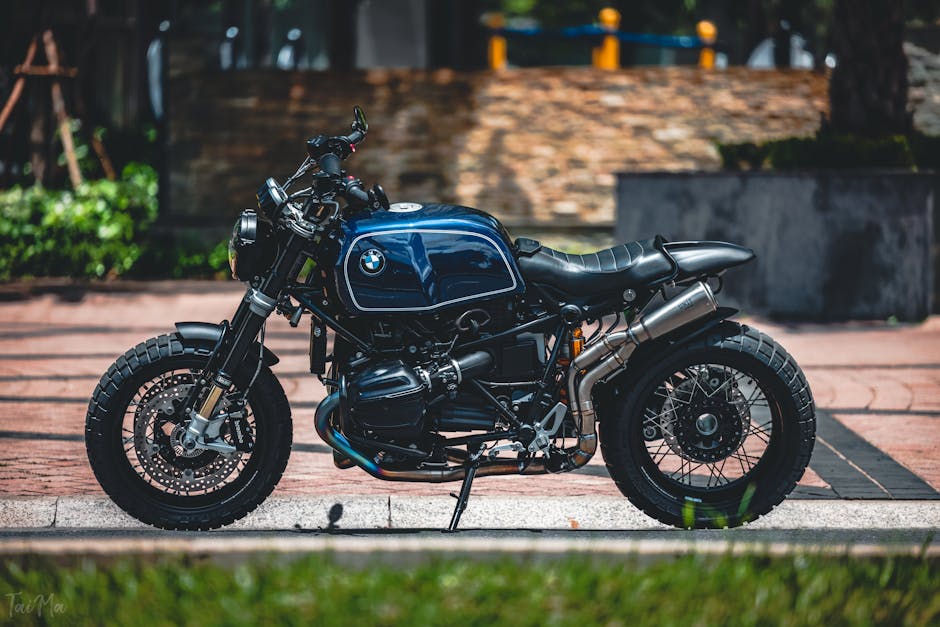
Reliability in motorcycles involves several factors: mechanical durability, frequency and cost of repairs, quality of engineering, and owner satisfaction. BMW has long positioned itself at the premium end of the market, with models renowned for advanced engineering, powerful engines, and innovative features. Historically, BMW motorcycles—especially the iconic boxer twins—have earned reputations for longevity, with many examples exceeding 100,000 miles on original engines with regular maintenance. However, like any brand, BMW has experienced periods with more frequent issues. Some models from the late 1990s and early 2000s, for example, suffered from final drive failures, ABS pump malfunctions, or electronics gremlins. In recent years, BMW has addressed many of these legacy issues with improved components and stricter quality control. Today’s models, particularly the R-series and GS adventure bikes, are broadly considered highly dependable for daily use and long-distance touring. It’s important to distinguish between models, as reliability can vary between the R-series, F-series, S-series, and K-series due to different engine layouts and target markets. In general, well-maintained BMW bikes are capable of very high mileages, but repairs and parts can be more expensive than on Japanese competitors due to their advanced technology and premium positioning.
BMW Motorcycle Series Overview and Reliability Insights
| Model Series | Engine Type | Typical Reliability Notes |
|---|---|---|
| R-Series | Boxer Twin | Highly reliable, especially post-2010; some older models had final drive issues |
| F-Series | Parallel Twin | Good reliability; some early models had fuel pump and regulator concerns |
| K-Series | Inline Four/Six | Generally robust; some electronics and shaft drive issues in older models |
| S-Series | Inline Four | Very reliable; performance-oriented, higher maintenance intervals |
Common Issues and Known Problem Areas
While BMW motorcycles are generally reliable, there are some recurring issues that prospective owners should be aware of. Older R-series models, particularly those built between the late 1990s and mid-2000s, have a reputation for final drive failures, which can be expensive to repair. Electronics and sensor issues are occasionally reported, mainly due to BMW’s early adoption of advanced rider aids and complex onboard systems. ABS pump failures, particularly on early models with integral ABS, have also been documented. Modern BMWs have largely overcome these teething problems, but some riders still report issues with switchgear durability, fuel pump relays, and occasional oil leaks. S-series models, while generally reliable, require more frequent maintenance due to their high-performance nature. In addition, the cost of OEM parts and dealer service can be higher than average, which is an important consideration for long-term ownership. Despite these potential problems, most issues are not universal and often depend on model year, mileage, and how well the bike has been maintained. Regular servicing and prompt attention to minor faults can prevent most major breakdowns.
BMW Motorcycle Reliability: Pros and Cons
✅ Pros
- High mechanical durability, especially for boxer engines
- Advanced engineering and safety features
- Strong owner community and aftermarket support
- Long intervals between major services on many models
❌ Cons
- Higher parts and repair costs compared to some brands
- Known issues with final drive (selected years/models)
- Complex electronics can be costly to diagnose and fix
- Occasional sensor and switchgear failures
Maintenance, Service Costs, and Owner Experience
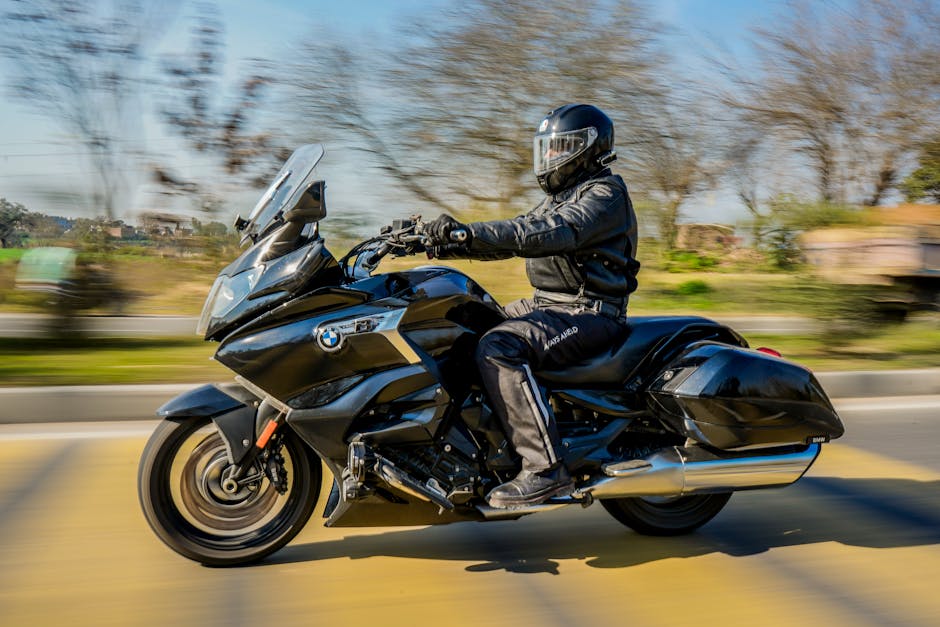
Owning a BMW motorcycle is often compared to owning a premium automobile: high performance and comfort come with increased maintenance requirements and costs. Scheduled maintenance intervals are generally generous, with most models requiring major service every 6,000 to 12,000 miles. However, the complexity of BMW motorcycles—especially with features like shaft drive, electronic suspension, and advanced rider aids—means that service must be performed to a high standard. Service at authorized BMW dealerships is typically more expensive than at independent shops or with Japanese competitors. For example, a routine oil change and inspection may cost $250–$400, while major valve services or final drive maintenance can approach $1,000 or more. Yet, many long-term owners report that the higher upfront cost is offset by fewer major repairs and longer component life. BMW’s global dealer network is robust, particularly in Europe and North America, and their three-year/unlimited mileage warranty is among the best in the industry. Enthusiast forums and owner groups also provide detailed DIY guides, helping reduce maintenance costs for mechanically savvy riders.
Typical BMW Motorcycle Maintenance Costs (2024)
| Service Type | Average Cost (USD) | Interval |
|---|---|---|
| Oil Change & Inspection | $250–$400 | 6,000 miles |
| Valve Adjustment | $500–$800 | 12,000 miles |
| Final Drive Service | $300–$600 | 24,000 miles |
| Brake Fluid Change | $120–$200 | 2 years |
BMW Motorcycle Reliability: Owner Best Practices
- Follow the recommended maintenance schedule closely
- Address warning lights and unusual noises promptly
- Use high-quality fluids and OEM or trusted aftermarket parts
- Join owner forums for model-specific tips and troubleshooting
- Consider extended warranty for peace of mind on newer models
How BMW Motorcycles Compare to Other Brands
When evaluating reliability, it’s useful to compare BMW motorcycles to other leading brands. Japanese manufacturers like Honda, Yamaha, and Suzuki have long been lauded for near bulletproof reliability and lower maintenance costs. BMW, as a European brand, focuses on performance, comfort, and advanced technology, which can translate to higher complexity and, in some cases, increased repair costs. However, BMW’s reliability now rivals that of many Japanese bikes, particularly on models built after 2010. Italian brands such as Ducati and Aprilia often have reputations for requiring more frequent maintenance and having higher rates of minor issues. BMW generally fares better in owner satisfaction and long-term durability surveys when compared to these brands. Harley-Davidson, another major competitor in the touring and adventure segments, matches BMW for dealer support and warranty coverage but may lag in technology and long-distance comfort. Overall, BMW motorcycles occupy a strong position for reliability among premium motorcycle brands, especially when properly maintained. The combination of advanced engineering and robust build quality means modern BMWs are often chosen for demanding touring and adventure roles.
Model-Specific Reliability: Popular BMW Bikes
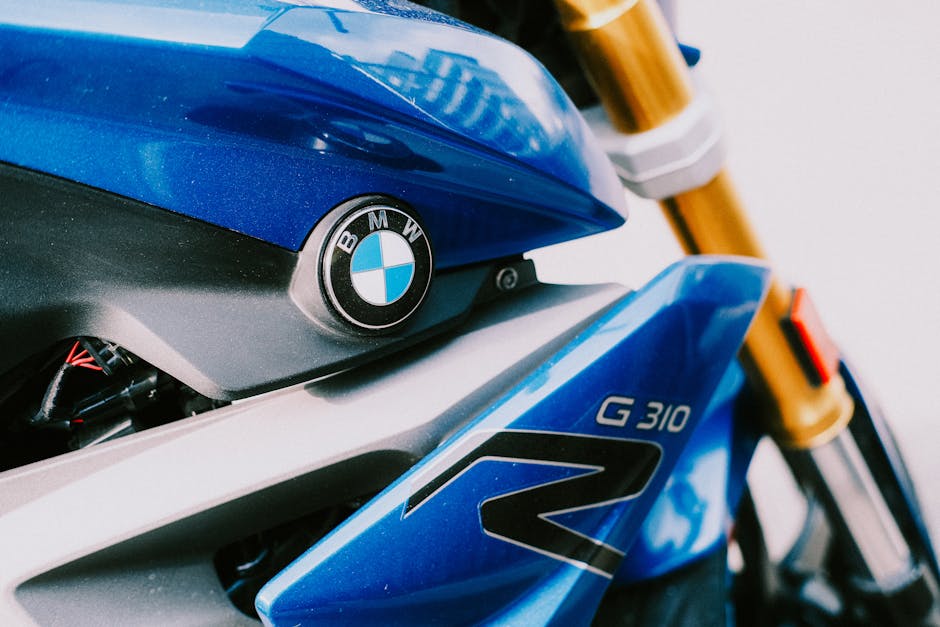
Reliability varies across BMW’s diverse model range. The R1200GS and its successor, the R1250GS, are among the most popular adventure bikes globally, known for tackling hundreds of thousands of miles in challenging environments. Their boxer engines are praised for smoothness and longevity, though early GS models had final drive concerns that have since been resolved. The F-series (F750GS, F850GS) offers lighter, more affordable options with good reliability, though occasional issues with electronics and fuel pumps have been noted. The K-series sport-tourers (such as the K1600GT) deliver high performance with generally strong reliability, but owners should watch for shaft drive maintenance and potential electronic quirks. The S-series (S1000RR, S1000XR) is renowned for cutting-edge performance and strong reliability, though maintenance intervals are shorter due to their racing pedigree. Vintage BMWs, particularly air-cooled boxer twins built before 1995, are legendary for their simplicity and ease of repair, making them favorites among classic bike enthusiasts. When considering a BMW motorcycle, research specific model years and join owner communities to learn about any recurring issues before purchase.
Frequently Asked Questions
Do BMW motorcycles last as long as Japanese motorcycles?
Yes, many BMW motorcycles are capable of matching or exceeding the lifespans of Japanese bikes, especially when properly maintained. Boxer-engined BMWs regularly surpass 100,000 miles. However, maintenance costs and complexity can be higher.
What are the most reliable BMW motorcycle models?
The R-series, particularly the R1200GS and R1250GS, are widely regarded as some of the most reliable BMW motorcycles. The F-series and modern K-series also have good reputations, while the S-series offers reliability with high performance.
Are BMW motorcycles expensive to maintain?
Compared to Japanese brands, BMW motorcycles are generally more expensive to maintain due to parts prices and labor rates. However, long service intervals and high-quality engineering can offset some of these costs.
Do BMW motorcycles have electrical problems?
Some older models are known for electrical and sensor issues, especially where complex electronics and early ABS were used. Modern BMWs have improved, but as with any technologically advanced bike, occasional issues can arise.
Is it necessary to service BMW motorcycles at a dealer?
While dealer servicing is recommended to maintain warranty coverage and ensure proper care, many owners successfully maintain their BMWs at independent shops or with DIY procedures, especially after the warranty period.
Conclusion
BMW motorcycles offer a blend of advanced engineering, rider comfort, and proven long-distance capability. For most owners, the answer to whether BMW motorcycles are reliable is a clear yes, especially for post-2010 models and when regular maintenance is performed. While certain models and years have experienced recurring issues, the brand has addressed many of these with improved components and quality controls. Higher maintenance and repair costs are a trade-off for advanced features and premium build quality, but for many riders, the riding experience and longevity justify the investment. Ultimately, BMW motorcycles are a solid choice for those seeking a dependable, feature-rich ride—particularly for touring and adventure roles. Prospective buyers should research specific models, budget for proper maintenance, and participate in owner communities to maximize their ownership experience. With the right care, a BMW motorcycle can deliver many years and miles of enjoyable, trouble-free riding.