
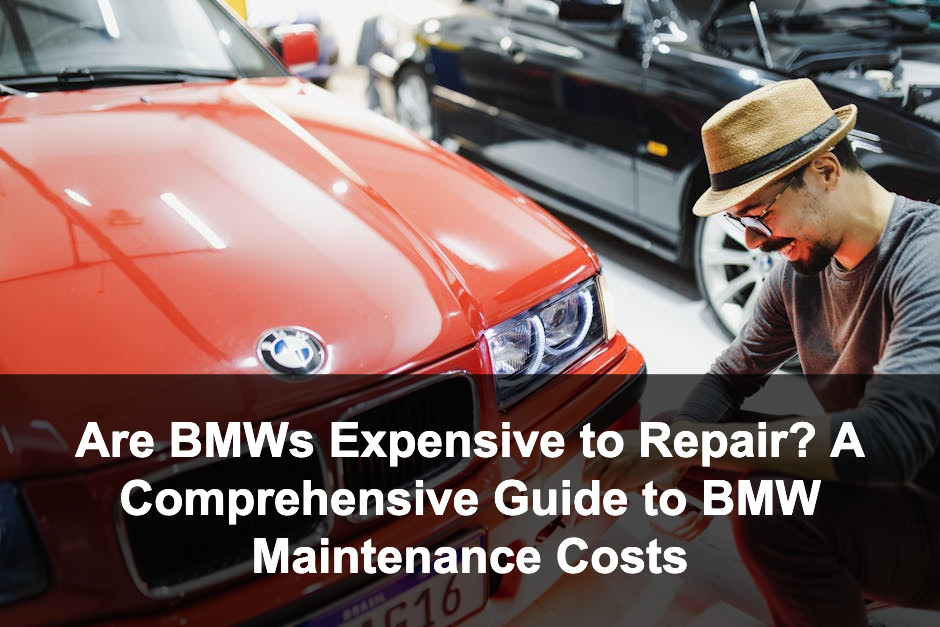
BMW is renowned for its blend of luxury, performance, and advanced engineering. However, one of the most common concerns among prospective and current owners is the cost of repairs and maintenance. Are BMWs expensive to repair? The quick answer is yes: on average, BMWs tend to be more expensive to repair than many mainstream vehicles, primarily due to their premium parts, specialized labor requirements, and advanced technology. This article explores the factors behind these higher costs, how BMW’s repair expenses compare to other brands, and actionable tips for managing maintenance as a BMW owner. Whether you are considering buying a BMW or already own one, understanding these repair dynamics can help you plan for long-term ownership.
Key Statistics on BMW Repair Costs
Why Are BMWs More Expensive to Repair?
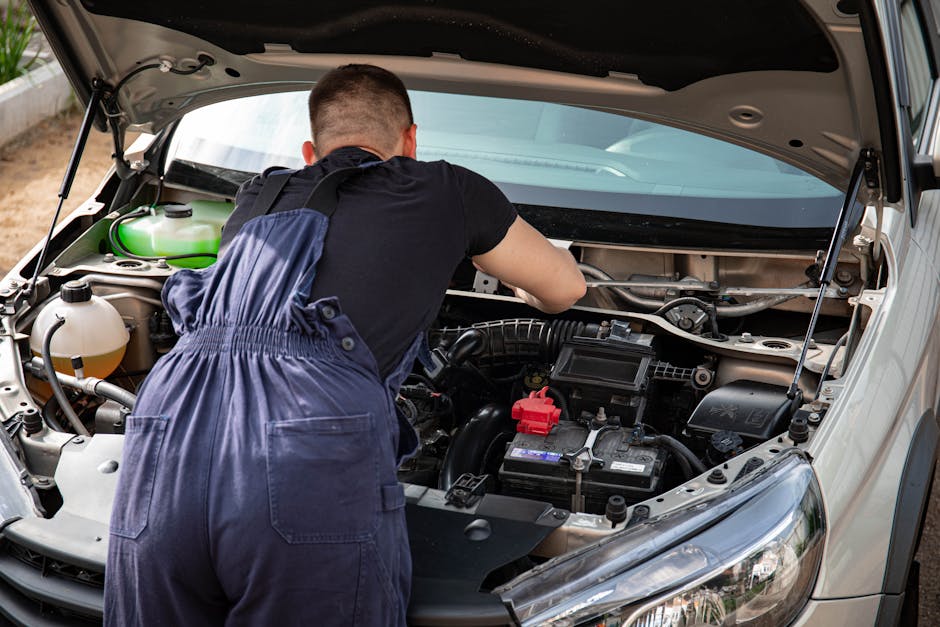
BMW vehicles are engineered for performance, comfort, and advanced technology, which contributes directly to higher repair and maintenance costs. Many BMW components are made with premium materials or proprietary designs that are not shared with more common vehicles, making replacement parts more expensive. Additionally, BMWs often require specialized diagnostic equipment and skilled technicians for even routine repairs, which increases labor rates at both dealerships and independent shops. The complexity of BMW’s engine, suspension, and electronic systems means that repairs can be more time-consuming and require extra expertise. For example, features like adaptive suspension, turbocharged engines, and iDrive infotainment systems add convenience and performance but can significantly increase the cost of repairs when they malfunction.
Average Repair Cost Comparison: BMW vs. Popular Brands
| Vehicle Brand | Annual Maintenance Cost | Common Repair Cost (Brake Pads) |
|---|---|---|
| BMW | $968 | $275-$400 |
| Toyota | $441 | $150-$250 |
| Honda | $428 | $130-$220 |
| Audi | $987 | $250-$380 |
| Ford | $775 | $120-$200 |
Pros and Cons of BMW Engineering on Repair Costs
✅ Pros
- High-quality materials and parts increase vehicle longevity.
- Advanced technology enhances driving experience and safety.
- Specialized design leads to superior performance and handling.
❌ Cons
- Premium parts are more expensive to source and replace.
- Complex systems require specialized labor and diagnostic tools.
- Higher likelihood of costly repairs as the car ages.
Parts, Labor, and Common BMW Repairs
BMW repairs are influenced by two main factors: the cost of original equipment manufacturer (OEM) parts and the specialized labor required. Genuine BMW parts are often significantly pricier than generic alternatives used in non-luxury vehicles. For example, a water pump for a BMW can cost two to three times more than for a mainstream sedan. Labor costs are also higher as BMW-certified technicians command premium rates due to their expertise with complex German engineering. Some of the most common BMW repairs include brake system overhauls, electronic sensor replacements, cooling system repairs, and suspension work. For instance, replacing a BMW’s electric water pump can cost $700-$1,200, while a typical timing chain repair may exceed $1,500. Even seemingly simple repairs, like battery replacement, can be more expensive due to the need for programming and resetting the vehicle’s computer systems. These high costs are not just limited to dealerships; independent shops specializing in European vehicles also charge more for labor and parts than standard auto repair shops.
Common BMW Repairs and Their Typical Costs
| Repair Type | BMW Average Cost | Non-Luxury Brand Average |
|---|---|---|
| Brake Pad Replacement | $275-$400 | $120-$250 |
| Water Pump Replacement | $700-$1,200 | $300-$600 |
| Alternator Replacement | $700-$1,300 | $400-$800 |
| Timing Chain Repair | $1,500-$2,500 | $850-$1,200 |
BMW Repair Costs vs. Other Luxury Brands
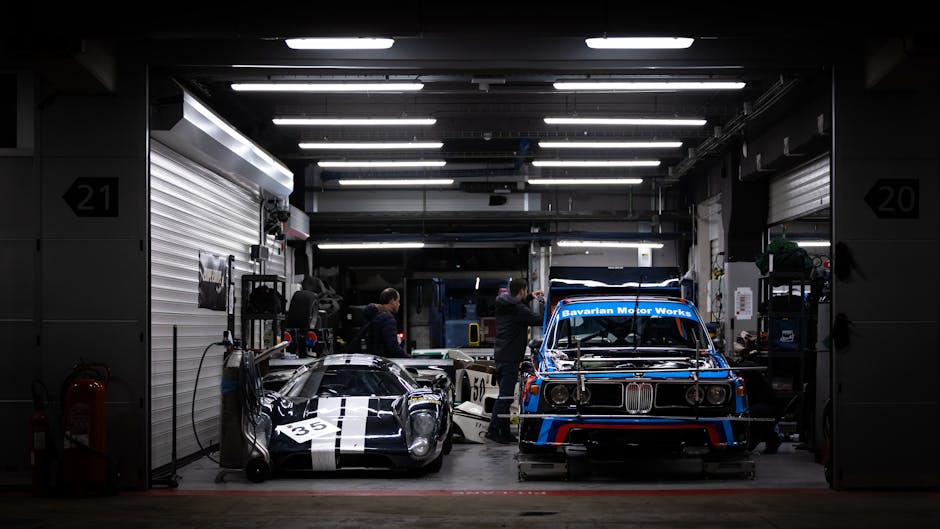
When comparing BMW repair costs to other luxury brands like Mercedes-Benz, Audi, or Lexus, BMW typically falls in the mid-to-upper range. Like BMW, Mercedes and Audi also have high repair and maintenance costs due to similar engineering sophistication, use of imported parts, and brand-specific technology. Lexus, while considered a luxury brand, tends to have lower repair costs because of its Toyota roots and greater reliability. BMW’s repair and maintenance expenses are further influenced by the model and year. For example, performance models like the BMW M3 or M5 are notably more expensive to repair than standard 3 Series or 5 Series sedans. Older BMWs, especially those out of warranty, are more prone to major repairs as wear and tear accumulates on complex systems. Owners of newer BMWs with an active warranty or prepaid maintenance plan generally experience lower out-of-pocket costs, but once these protections expire, repair bills can rise sharply.
Luxury Brand Annual Maintenance Cost Comparison
| Brand | Annual Cost | Major Repair Probability (10 yrs) |
|---|---|---|
| BMW | $968 | 31.3% |
| Mercedes-Benz | $908 | 32.0% |
| Audi | $987 | 31.1% |
| Lexus | $551 | 11.6% |
How to Reduce BMW Repair Costs: Tips for Owners
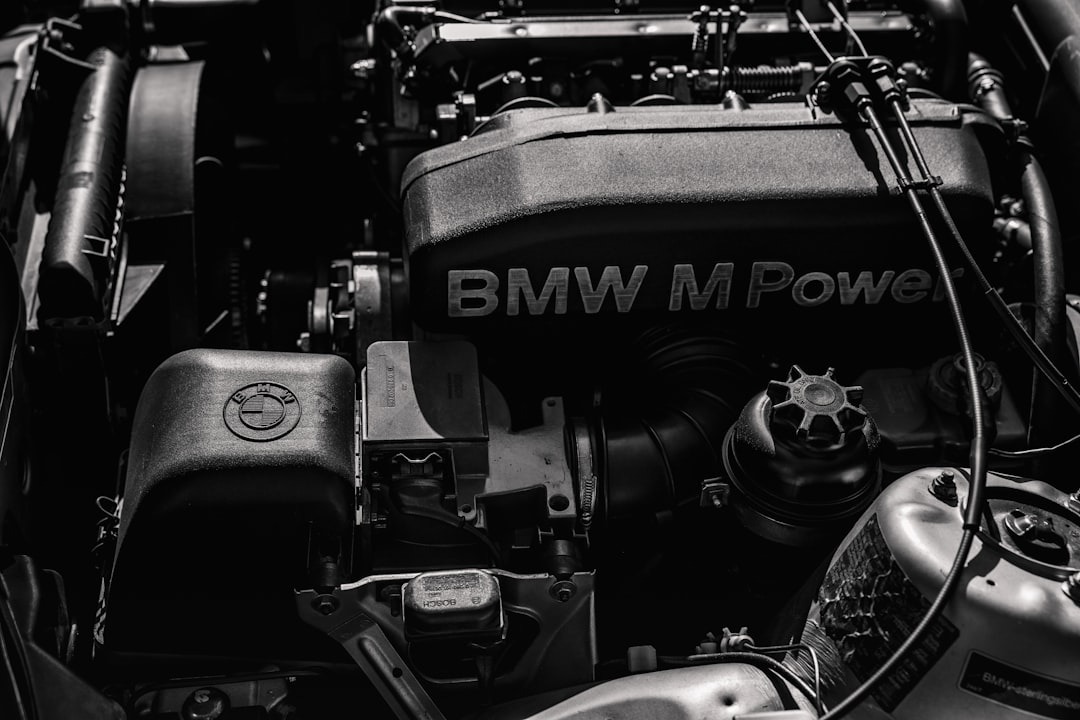
While BMWs are generally more expensive to repair, owners can take steps to manage these costs and maintain reliability. Regular preventive maintenance, such as timely oil changes, brake inspections, and coolant flushes, helps minimize the risk of costly breakdowns. Using reputable independent mechanics who specialize in European cars can often save money compared to dealership rates, without sacrificing quality. Another strategy is to consider extended warranties or prepaid maintenance plans, especially if you plan to keep the vehicle beyond the original factory warranty. These plans can cover many major repairs that would otherwise be costly out-of-pocket. For owners of older BMWs, sourcing high-quality aftermarket or remanufactured parts can be a cost-effective alternative to OEM components, though quality and compatibility should always be verified. Finally, staying informed about common issues specific to your BMW model and year can help you anticipate repairs and budget accordingly.
Checklist for Managing BMW Repair and Maintenance Costs
- Schedule regular preventive maintenance to catch issues early.
- Find a trusted independent BMW specialist for routine work.
- Consider an extended warranty or prepaid service plan.
- Use quality aftermarket parts when appropriate.
- Research common problems for your BMW model and year.
Are BMWs Worth the Higher Repair Costs?
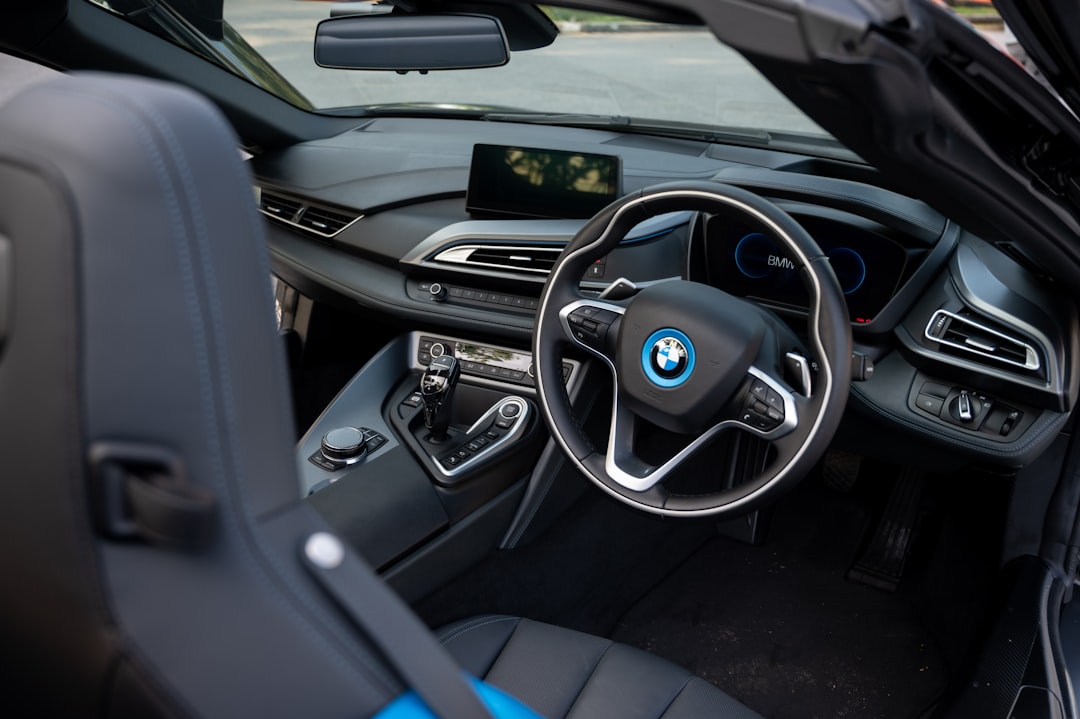
Despite the higher repair and maintenance expenses, many BMW owners find the driving experience, innovative features, and luxury appointments to be well worth the investment. For enthusiasts who prioritize performance, handling, and prestige, the cost of ownership is often justified by the enjoyment and satisfaction the vehicle provides. However, potential buyers should weigh these benefits against the increased financial commitment required for repairs, especially as the vehicle ages and falls outside warranty protection. BMW ownership is best suited for those prepared to budget for above-average maintenance and repairs, or for those willing to invest in additional coverage to mitigate unexpected costs. For buyers seeking lower-cost ownership, a certified pre-owned BMW with an extended warranty or a newer model with remaining factory coverage may be the best option.
Frequently Asked Questions
Are BMW repairs more expensive at the dealership?
Yes, BMW dealership repair costs are typically higher than those at independent shops. Dealerships use factory-trained technicians and genuine OEM parts, which contribute to higher labor and parts costs.
Can independent mechanics service BMWs effectively?
Many independent mechanics with experience in European cars can effectively service BMWs. However, it’s important to choose a shop with the right diagnostic equipment and expertise to work on BMW-specific systems.
Does BMW offer maintenance or repair plans?
BMW offers prepaid maintenance plans and extended warranty options that can help offset the cost of repairs, especially for newer vehicles. These plans often cover scheduled maintenance and certain repairs.
Which BMW models are the most expensive to repair?
High-performance models like the BMW M3, M5, and M6 tend to be the most expensive to repair due to specialized parts and more complex engineering. Older BMWs out of warranty can also be costly as they age.
Is it cheaper to repair a BMW with aftermarket parts?
Using high-quality aftermarket parts can reduce repair costs for some BMW repairs. However, compatibility and quality should always be verified, and some repairs may require genuine OEM parts to maintain performance and reliability.
Conclusion
BMWs are undeniably more expensive to repair than many mainstream vehicles, a reality driven by their advanced engineering, premium components, and specialized service requirements. While the costs are higher, many owners feel they are justified by the unique driving experience, luxury features, and brand prestige that BMW provides. By understanding the factors that influence repair costs and taking proactive steps to manage maintenance, owners can enjoy their BMWs while minimizing unexpected expenses. For potential buyers, careful research, budgeting, and consideration of extended coverage options are essential to ensure a positive and financially manageable ownership experience.