
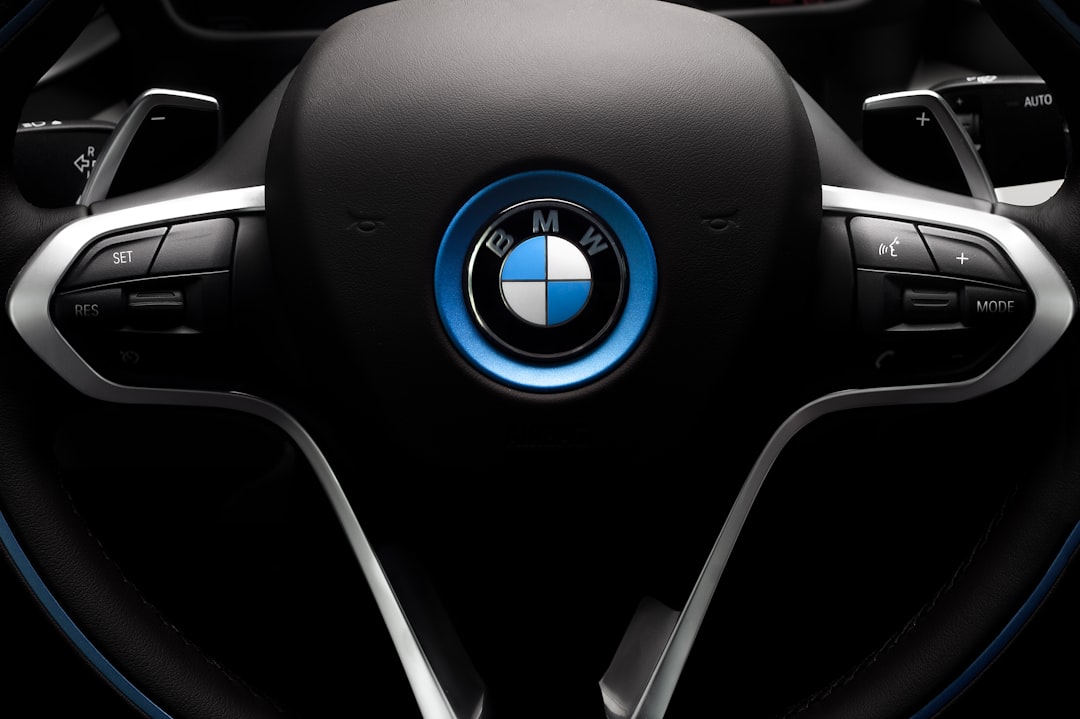
Electric vehicles (EVs) are increasingly becoming a mainstream choice for drivers seeking performance, sustainability, and innovation. Among premium automakers, BMW has been at the forefront of electric mobility, offering models like the i3, i4, iX, and i7 that promise the brand’s signature driving experience in a new, electrified form. But with high expectations come important questions: are BMW electric cars actually reliable, and how do they compare to other EVs in terms of dependability and long-term ownership costs? The short answer is: Yes, BMW electric cars are generally reliable, with strong marks for battery durability, low maintenance needs, and consistent performance. However, some models have experienced isolated issues with electronics or infotainment, and like all EVs, real-world reliability can depend on factors like usage, climate, and maintenance. Read on for a comprehensive breakdown of BMW EV reliability, including owner data, expert reviews, and detailed comparisons.
Key Statistics on BMW Electric Car Reliability
Understanding BMW’s Electric Car Technology and Build Quality
BMW’s approach to electric vehicles blends decades of premium engineering with the latest battery and drivetrain technologies. Their EV lineup includes purpose-built models like the i3 and iX, as well as electrified versions of familiar sedans like the i4 (based on the 4 Series Gran Coupe) and the i7 (7 Series). These vehicles use advanced lithium-ion battery packs, sophisticated thermal management, and electric motors tuned for both efficiency and performance. The build quality of BMW EVs is generally excellent. Owners frequently praise the solid feel, quiet ride, and high-quality materials inside the cabin. The i3, one of BMW’s earliest EVs, featured a carbon fiber-reinforced plastic chassis, demonstrating BMW’s commitment to innovation. More recent models like the iX and i4 utilize advanced aluminum and steel structures for improved rigidity and safety. This translates into vehicles that feel robust and well-assembled, both important factors in long-term reliability.
BMW Electric Models: Chassis and Battery Highlights
| Model | Chassis Material | Battery Capacity (kWh) |
|---|---|---|
| i3 | Carbon fiber-reinforced plastic | 42.2 |
| i4 | Aluminum/Steel | 81 |
| iX | Aluminum/Steel | 111.5 |
| i7 | Aluminum/Steel | 101.7 |
Reliability Rankings: BMW EVs vs. the Competition
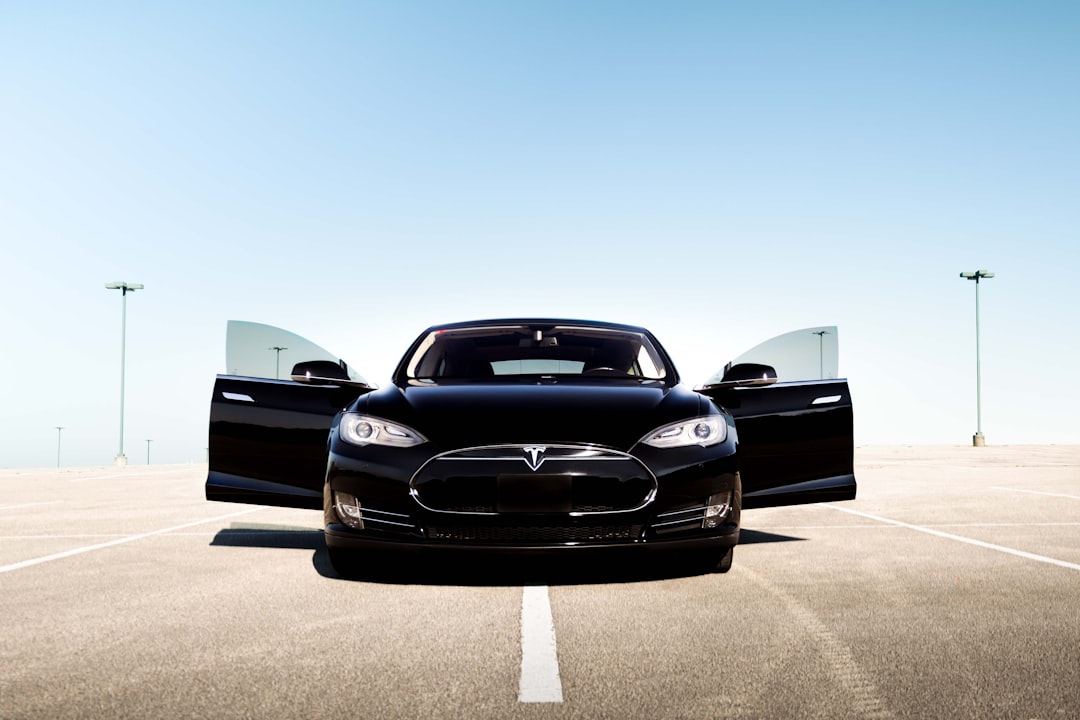
When it comes to reliability, BMW electric cars perform well compared to both internal combustion BMWs and rival EVs from brands like Tesla, Mercedes-Benz, and Audi. Independent surveys from organizations such as Consumer Reports and J. D. Power consistently place BMW EVs in the upper tier for owner satisfaction and dependability. The i3, for example, has built a reputation for being particularly robust, with its simple drivetrain and minimal moving parts reducing the likelihood of mechanical failure. The newer i4 and iX have also received positive early reviews, though some owners have reported minor glitches with infotainment systems and advanced driver assistance features. Importantly, BMW’s EVs have not suffered from the widespread quality control issues that have occasionally affected Tesla models. Compared to gasoline-powered BMWs, electric BMWs generally require less routine maintenance. There are fewer fluids to change, no timing belts, and brake wear is reduced thanks to regenerative braking. This simplicity contributes to better overall reliability and lower long-term running costs.
BMW EVs vs. Rivals: 2023 Reliability Survey Results
| Model | Reliability Score (out of 100) | Owner Satisfaction (%) |
|---|---|---|
| BMW i4 | 80 | 89 |
| BMW iX | 78 | 86 |
| Tesla Model 3 | 72 | 85 |
| Audi Q4 e-tron | 74 | 84 |
| Mercedes EQE | 77 | 83 |
BMW Electric Car Reliability: Pros and Cons
✅ Pros
- Proven battery technology with strong warranty coverage
- Lower maintenance needs than gasoline models
- Solid build quality and premium materials
❌ Cons
- Occasional software glitches in infotainment/driver assistance
- Limited repair options in some regions
- Some early models had minor battery recall issues
Common Issues and Owner Experiences with BMW Electric Cars
While BMW electric cars have a good overall reliability record, no car is without its occasional problems. Feedback from owners and automotive forums highlights a few recurring themes. Most commonly, owners report minor issues with software, such as infotainment system glitches, slow updates, or false error messages from advanced driver assistance systems. These are generally resolved with over-the-air updates or dealer visits, but can be frustrating. Early versions of the i3 experienced some battery module recalls, but the majority of affected vehicles were quickly fixed under warranty. Mechanical or drivetrain-related failures are rare. BMW’s electric motors and battery packs have proven durable, even in high-mileage vehicles. Some i3 owners with over 100,000 miles on the odometer report only routine maintenance and minimal battery degradation. The i4 and iX, being newer, have less long-term data available, but initial reports are promising. Charging hardware, both at home and in public, is typically reliable, especially when using BMW’s recommended charging solutions. However, as with all EVs, occasional issues with third-party charging stations can occur, though these are not unique to BMW.
Maintenance and Long-Term Costs for BMW Electric Vehicles

One of the biggest advantages of electric vehicles is reduced maintenance compared to traditional cars. BMW EVs are no exception. With no oil changes, fewer fluids, and less wear on brakes (thanks to regenerative braking), owners find themselves visiting the service center less frequently and for less expensive issues. Typical maintenance for a BMW electric car includes tire rotations, brake fluid changes, cabin air filter replacements, and periodic battery system checks. BMW’s high-voltage battery warranty (8 years/100,000 miles) covers most major concerns, and the battery packs themselves have shown excellent durability. According to owner forums and repair data, annual maintenance costs for BMW EVs like the i3 and i4 average $300-$600—substantially less than for a gasoline 3 Series or 5 Series. Long-term ownership data shows that BMW EVs hold up well over 5+ years, with battery degradation rates of less than 10% in most climates. Depreciation for electric BMWs is in line with other luxury EVs, though early models like the i3 have dropped in value faster than newer, more desirable EVs.
Typical BMW EV Maintenance Schedule (First 5 Years)
| Year | Service Item | Estimated Cost (USD) |
|---|---|---|
| 1 | Tire rotation, inspection | 100 |
| 2 | Cabin air filter, brake inspection | 130 |
| 3 | Brake fluid change, system check | 180 |
| 4 | Tire rotation, coolant check | 100 |
| 5 | Full inspection, software update | 200 |
How to Maximize Reliability and Lifespan of Your BMW Electric Car
If you own or are considering a BMW EV, there are practical steps you can take to ensure maximum reliability and longevity. First, always use the recommended charging equipment and avoid frequent use of non-certified rapid chargers, which can accelerate battery wear over time. Keeping your battery between 20% and 80% state of charge for daily driving, and only fully charging when necessary, can further extend battery health. Regularly update your vehicle’s software, either wirelessly or via your BMW dealer, as many reliability fixes and improvements are delivered this way. Stick to BMW’s maintenance schedule even though EVs require less frequent service, as timely inspections can catch small problems before they become major headaches. Finally, store your vehicle in a garage or shaded area when possible, as extreme heat or cold can affect both the battery and electronic systems.
Checklist: Best Practices for BMW EV Reliability
- Use only BMW-recommended charging equipment
- Keep battery between 20%-80% for daily use
- Install software updates promptly
- Follow recommended maintenance schedule
- Store vehicle in climate-controlled environment when possible
Frequently Asked Questions
How long do BMW electric car batteries last?
Most BMW EV batteries are engineered to last well over 8-10 years or 100,000 miles, with many owners experiencing minimal capacity loss in that time. BMW’s warranty covers the battery for 8 years/100,000 miles, and real-world data suggests that degradation is typically less than 10% after this period.
Are BMW electric cars expensive to maintain?
Compared to gasoline-powered BMWs, electric BMWs are significantly cheaper to maintain. Annual maintenance typically ranges from $300-$600, largely due to reduced needs for oil changes, brake replacements, and other wear-and-tear items.
Have there been any major recalls on BMW electric vehicles?
There have been a few recalls, mostly affecting early i3 models for battery module replacements or electrical system checks. These issues were addressed promptly under warranty, and newer models like the i4 and iX have not seen widespread recall activity.
How does BMW’s EV reliability compare to Tesla?
BMW EVs are generally considered to have higher build quality and fewer widespread issues compared to Tesla, especially regarding interior finish and software reliability. However, Tesla’s charging network and software updates remain industry-leading. Overall, BMW offers a more consistent luxury experience with strong reliability.
What are the most common problems reported by BMW EV owners?
The most common issues are minor software glitches, infotainment bugs, and occasional false error messages from driver assistance systems. Mechanical failures and major battery issues are rare.
Conclusion
BMW electric cars have established themselves as reliable choices within the premium EV market. Their combination of robust engineering, advanced battery technology, and the brand’s commitment to quality results in vehicles that are not only enjoyable to drive but also dependable for daily use and long-term ownership. While no vehicle is entirely trouble-free, BMW EVs compare favorably to both their gasoline siblings and direct electric competitors, with lower running costs and strong warranty support adding further peace of mind. For prospective buyers, the evidence suggests that BMW electric cars are a smart investment for those seeking luxury, innovation, and reliability. With regular maintenance, prudent charging habits, and attention to software updates, owners can expect many years of smooth, efficient, and satisfying electric motoring.