

BMWs have long been associated with luxury, performance, and cutting-edge technology.
As a result, they are often seen as desirable targets for car thieves.
If you’re considering buying a BMW or already own one, you might wonder: Are BMWs easy to steal?
Quick answer: Generally, modern BMWs are not easy to steal due to advanced anti-theft systems, but older models and certain targeted vulnerabilities can make some BMWs more susceptible to theft than others.
The level of risk depends significantly on the model year, installed security features, and the methods employed by thieves.
In this article, we’ll break down how BMW’s security technology has evolved, which models are most at risk, common theft methods, and what owners can do to better protect their vehicles.
We’ll also cover key statistics, frequently asked questions, and practical advice to help you make informed decisions about BMW vehicle security.
Important Facts About BMW Theft
BMW Security Systems: Past and Present
BMW has long invested in vehicle security, but the sophistication of its anti-theft systems has evolved dramatically over the decades.
In the 1990s and early 2000s, many BMWs relied on basic immobilizers and mechanical locks.
While effective against traditional theft methods, these systems have been surpassed by modern electronic attacks.
In recent years, BMW has introduced advanced features like encrypted electronic immobilizers, rolling security codes, GPS tracking, and integrated alarm systems.
Models produced after 2014 typically include more robust protections, including motion sensors, break-in detection, and sophisticated keyless entry security protocols.
Despite these advances, some vulnerabilities remain, particularly in cars equipped with earlier versions of keyless entry systems, which can be exploited by relay attacks.
Understanding the differences in security features across BMW generations is crucial.
Newer BMWs are much harder to steal without the correct key or advanced hacking tools.
However, older BMWs, especially those without modern immobilizers or with first-generation keyless entry, may still be at higher risk.
BMW Anti-Theft Features by Model Year
| Model Year | Security Feature | Effectiveness |
|---|---|---|
| Pre-2000 | Basic immobilizer, mechanical locks | Moderate |
| 2000-2013 | Electronic immobilizer, basic keyless entry | Good, some vulnerabilities |
| 2014-2018 | Encrypted immobilizer, alarm, GPS tracking | High |
| 2019-Present | Advanced keyless entry, motion sensors, enhanced encryption | Very High |
BMW Security Systems: Pros and Cons
✅ Pros
- Modern systems provide strong protection against traditional theft.
- Advanced encryption makes hacking more difficult.
- Integrated alarms and tracking can aid in recovery.
❌ Cons
- Older models lack modern protections.
- Keyless entry systems can be vulnerable to relay attacks if not updated.
Common BMW Theft Methods and Vulnerabilities

Despite BMW’s robust security innovations, determined thieves have adapted with new techniques.
The most prominent threats today are electronic attacks, particularly against vehicles with keyless entry and ignition.
Relay attacks are a leading method: thieves use specialized equipment to amplify the signal from a BMW key fob inside a home, tricking the car into unlocking and starting as if the key were present.
This method can take less than two minutes and requires little physical force, making it both fast and discreet.
Models from the late 2000s to mid-2010s are especially susceptible if security updates haven’t been applied.
Other tactics include OBD (On-Board Diagnostics) port attacks, where thieves access the car’s software via the diagnostic port to program a new key.
Physical methods, like breaking windows or forced entry, remain less common but still occur, especially with older BMWs lacking modern alarms.
Understanding these attack vectors can help owners take specific precautions against them.
Common BMW Theft Methods
| Theft Method | Targeted Models | Typical Time Required |
|---|---|---|
| Relay Attack | Keyless entry (2008-2020) | 1-2 minutes |
| OBD Port Attack | Models with exposed OBD (2010-2018) | 2-5 minutes |
| Physical Break-In | Older models, rare on new | 5+ minutes |
Warning Signs of Potential Theft Attempts
- Unusual signal interference near your parking space
- Unfamiliar vehicles or people lingering near your BMW
- Tampered door locks or window seals
- Dashboard warning lights relating to security systems
Which BMW Models Are Most and Least at Risk?
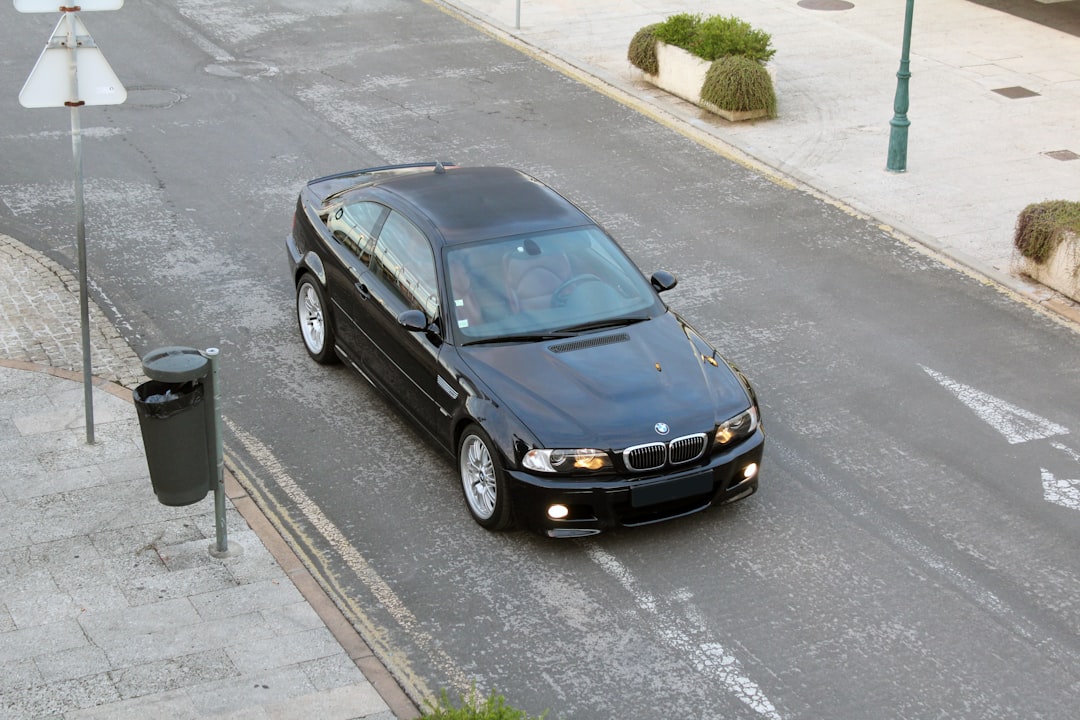
Not all BMWs face the same level of theft risk.
Factors such as the model year, specific trim, and optional security features play a critical role.
Older models, especially those built before 2014, are generally more vulnerable due to less sophisticated immobilizer and alarm systems.
Popular models like the BMW 3 Series and X5 are frequently targeted due to high resale values and demand for parts.
Conversely, newer models equipped with the latest anti-theft technologies are far less likely to be stolen.
BMW’s updated encryption protocols, advanced sensor arrays, and remote immobilization features make modern vehicles a less attractive target for opportunistic thieves.
However, targeted, professional theft operations may still go after high-value models using advanced hacking tools.
Geography also influences risk.
In urban areas or regions with high car theft rates, even well-protected BMWs face greater threats.
Owners should consider both the model and their location when assessing risk.
How to Protect Your BMW From Theft
While BMW’s built-in security features provide a strong foundation, owners can take additional steps to further reduce the risk of theft.
Simple precautions, like keeping key fobs in signal-blocking pouches (Faraday bags) and parking in secure, well-lit locations, are effective against relay attacks.
Regularly updating your BMW’s software and security modules ensures you benefit from the latest protection against known vulnerabilities.
Additional physical deterrents, such as steering wheel locks or wheel clamps, can make your vehicle less attractive to thieves seeking a quick target.
Installing aftermarket GPS trackers or using BMW’s own ConnectedDrive services improves the chances of recovery if the car is taken.
Finally, always be cautious about sharing access to your BMW’s key or digital codes, especially during valet parking or service appointments, to prevent inside jobs.
Best Practices for BMW Theft Prevention
- Store key fobs in a Faraday pouch at home
- Park in secure, well-lit locations
- Update BMW software and security features regularly
- Use visible deterrents like steering wheel locks
- Activate BMW’s built-in tracking and remote immobilization if available
The Future of BMW Security: Trends and Innovations
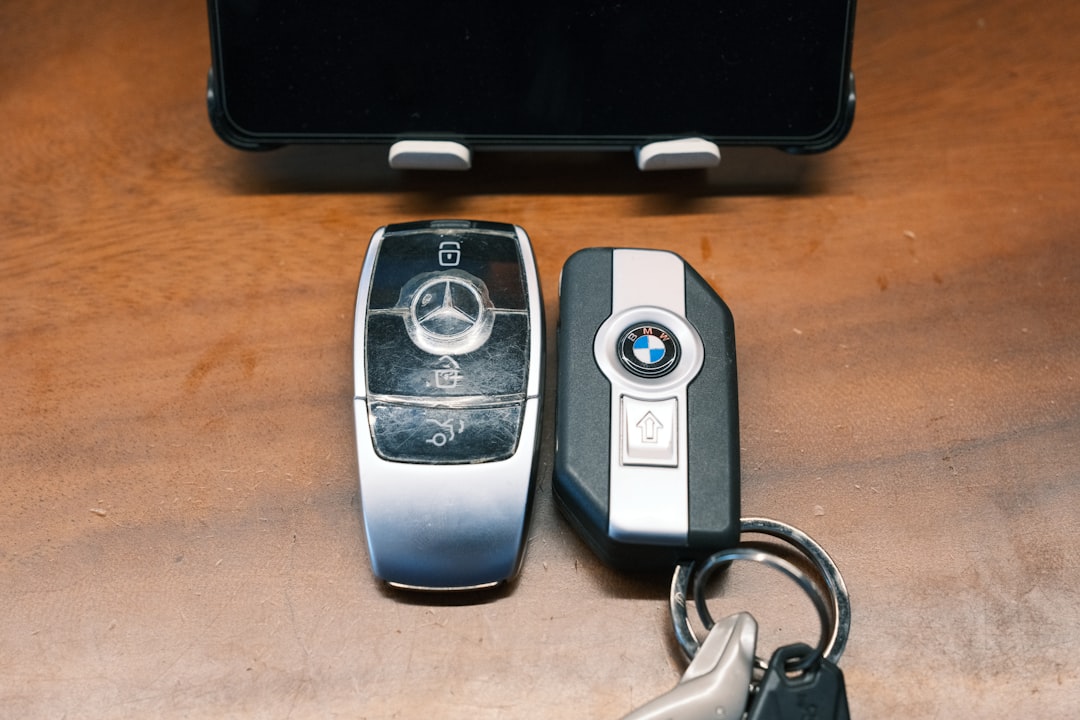
BMW continues to innovate in vehicle security, anticipating new threats as car theft methods evolve.
The latest models feature multi-layered digital encryption, biometric access, and integration with smartphone-based digital keys, making unauthorized access increasingly challenging.
Remote vehicle monitoring and over-the-air security updates allow BMWs to respond rapidly to emerging vulnerabilities.
Industry trends suggest that as cars become more connected, cybersecurity will play a larger role in vehicle protection.
BMW and other automakers are investing heavily in digital threat detection, AI-powered anomaly monitoring, and even blockchain-based access logs.
Owners can expect future BMWs to offer not just physical but also advanced digital safeguards, making theft a much more complex and risky proposition for criminals.
Despite these advances, no system is foolproof.
Staying informed about potential risks and actively maintaining your vehicle’s security remains the best defense.
Frequently Asked Questions
Why are BMWs targeted by thieves?
BMWs are attractive to thieves due to their high value, popularity, and demand for parts on the black market.
Certain models are also easier to steal if they lack updated security features.
Are keyless BMWs more vulnerable to theft?
Yes, keyless entry BMWs can be more vulnerable to relay attacks if not equipped with the latest security updates or if owners do not take precautions like using Faraday pouches.
What should I do if my BMW is stolen?
Contact the police immediately, provide your car’s VIN and tracking information, and notify your insurance company.
If your BMW is equipped with tracking, activate it and provide details to law enforcement.
Can BMW remotely disable a stolen car?
Some newer BMW models with ConnectedDrive can be remotely disabled or tracked, but this depends on the country, legal requirements, and the specific vehicle configuration.
How often should I update my BMW’s security software?
Check for updates at least once a year, or whenever you receive a notification from BMW.
Regular updates ensure your car benefits from the latest security patches.
Conclusion
BMWs, like most luxury vehicles, are attractive targets for thieves, but modern advancements in anti-theft technology have made them increasingly difficult to steal.
While older models and those without updated security can be vulnerable, especially to electronic attacks like relay theft, newer BMWs with robust encryption and connected features are far more secure.
Owners play a critical role in vehicle protection—combining BMW’s built-in systems with smart habits and additional deterrents can significantly reduce the risk of theft.
Ultimately, the ease of stealing a BMW depends on the specific model, its age, security features, and the owner’s vigilance.
By staying informed, maintaining up-to-date security protocols, and employing best practices for theft prevention, BMW owners can enjoy peace of mind and better safeguard their prized vehicles.